Dharavi Weekly 02
Authors
Authors



Dharavi Weekly 02
Authors
Authors
Related articles
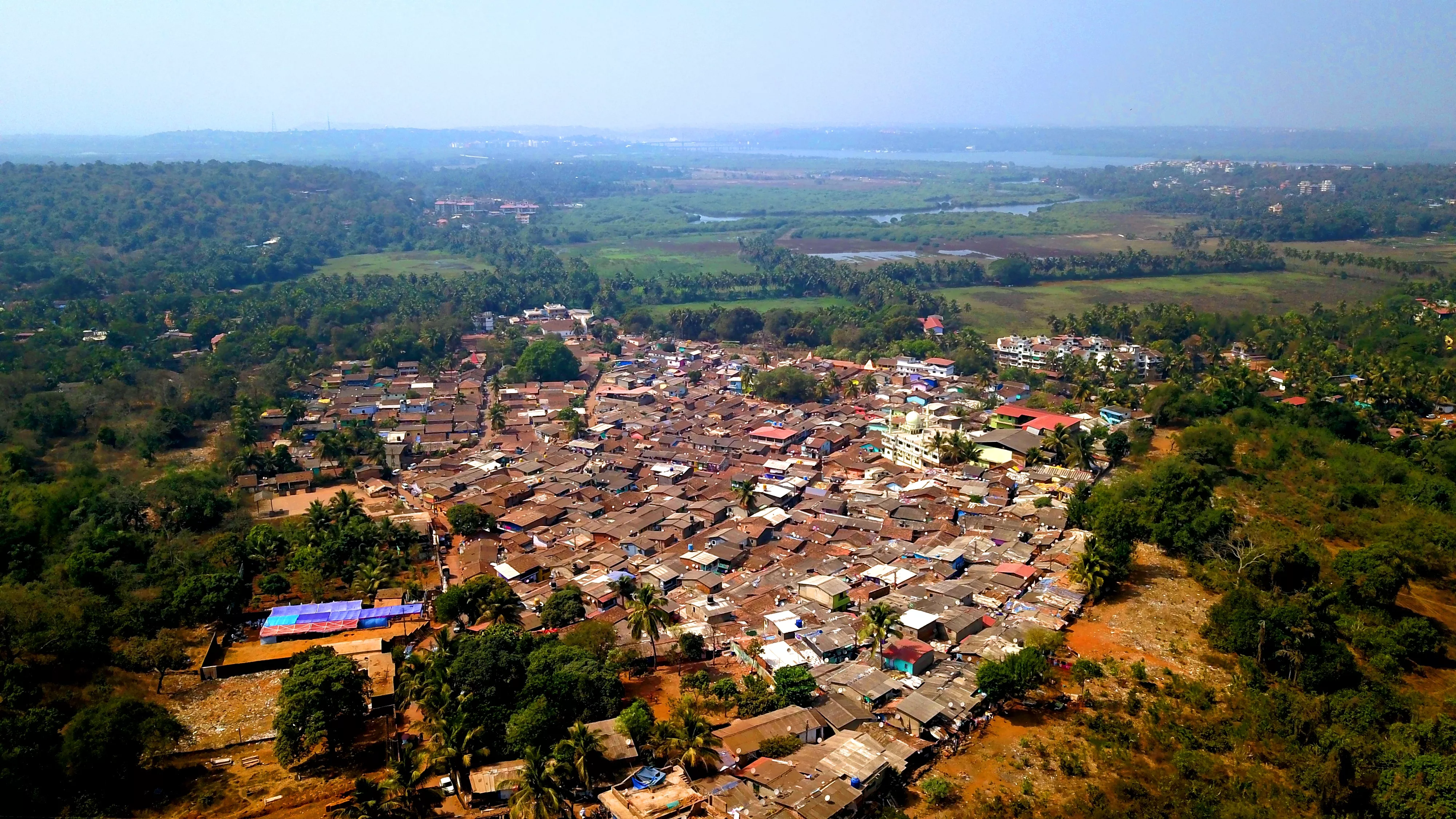
The first of two posts looking at how Goa represents a distinctive pattern of urbanization, representing a coevolution of its countryside and urban centers.
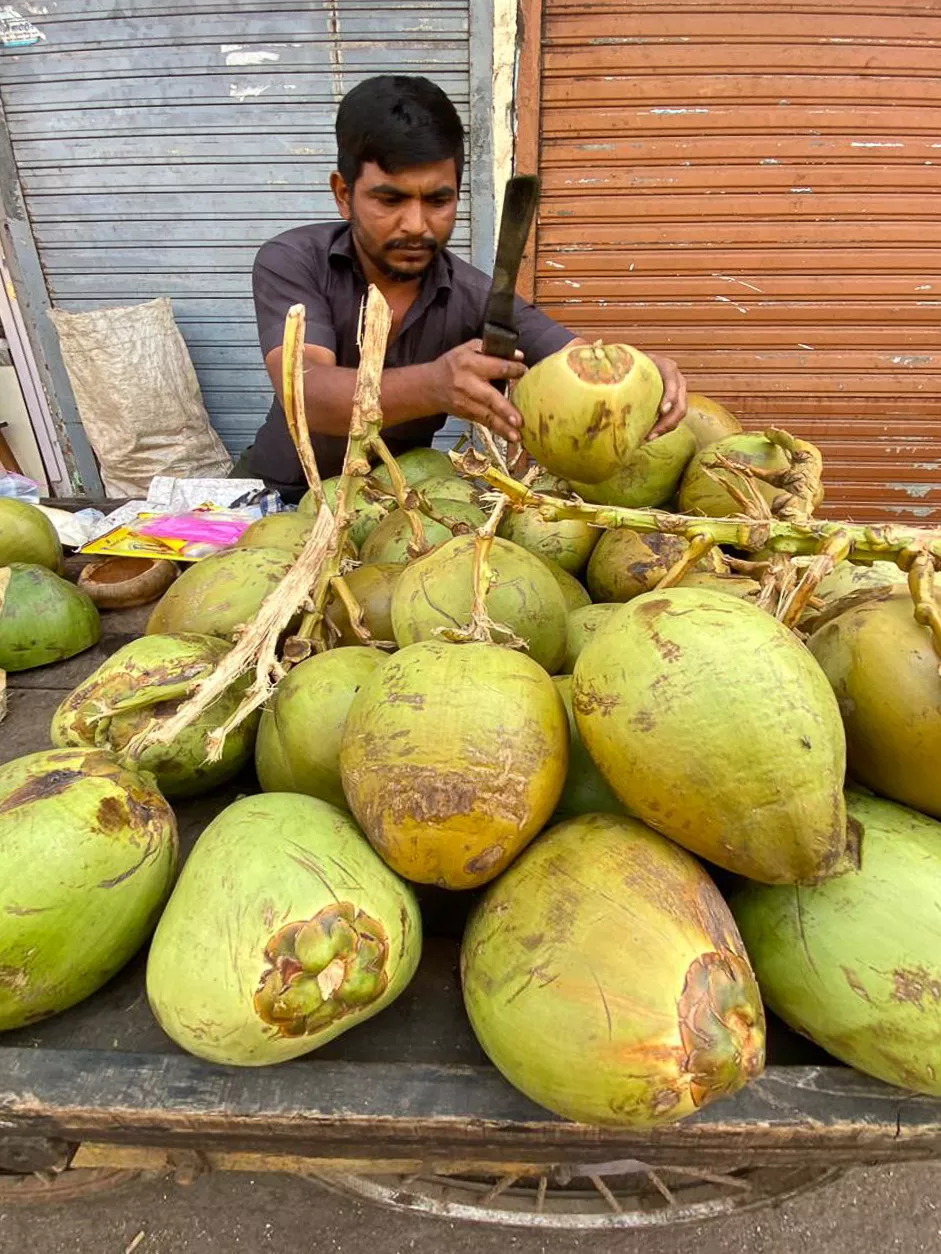
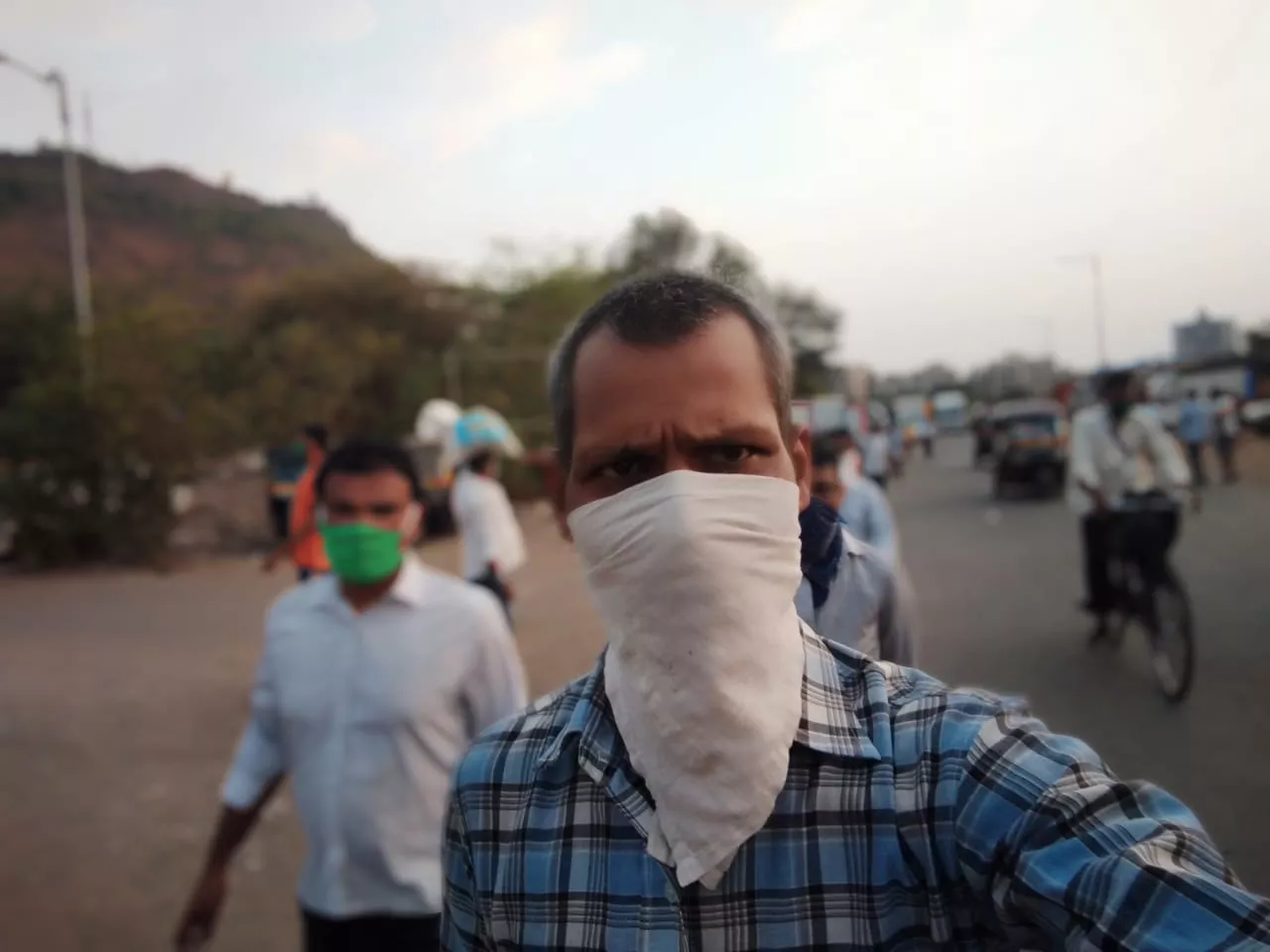
As the title suggests, Life Got Better with Coconuts for Kausar Shaikh. He came to Mumbai 15 years ago, leaving his family farm in Jharkhand, because he was not keen on agriculture and was seeking a different path. Seeing other migrants from his region successfully start small businesses gave him the confidence to leave years of unstable work in Mumbai behind and become a thriving coconut vendor in Dharavi.


This week, urbz is at the 13th World Urban Forum, joining over 40,000 urban thinkers, policymakers and practitioners from 182 countries gathered in Baku, Azerbaijan, around a pressing question: how do we house the world?
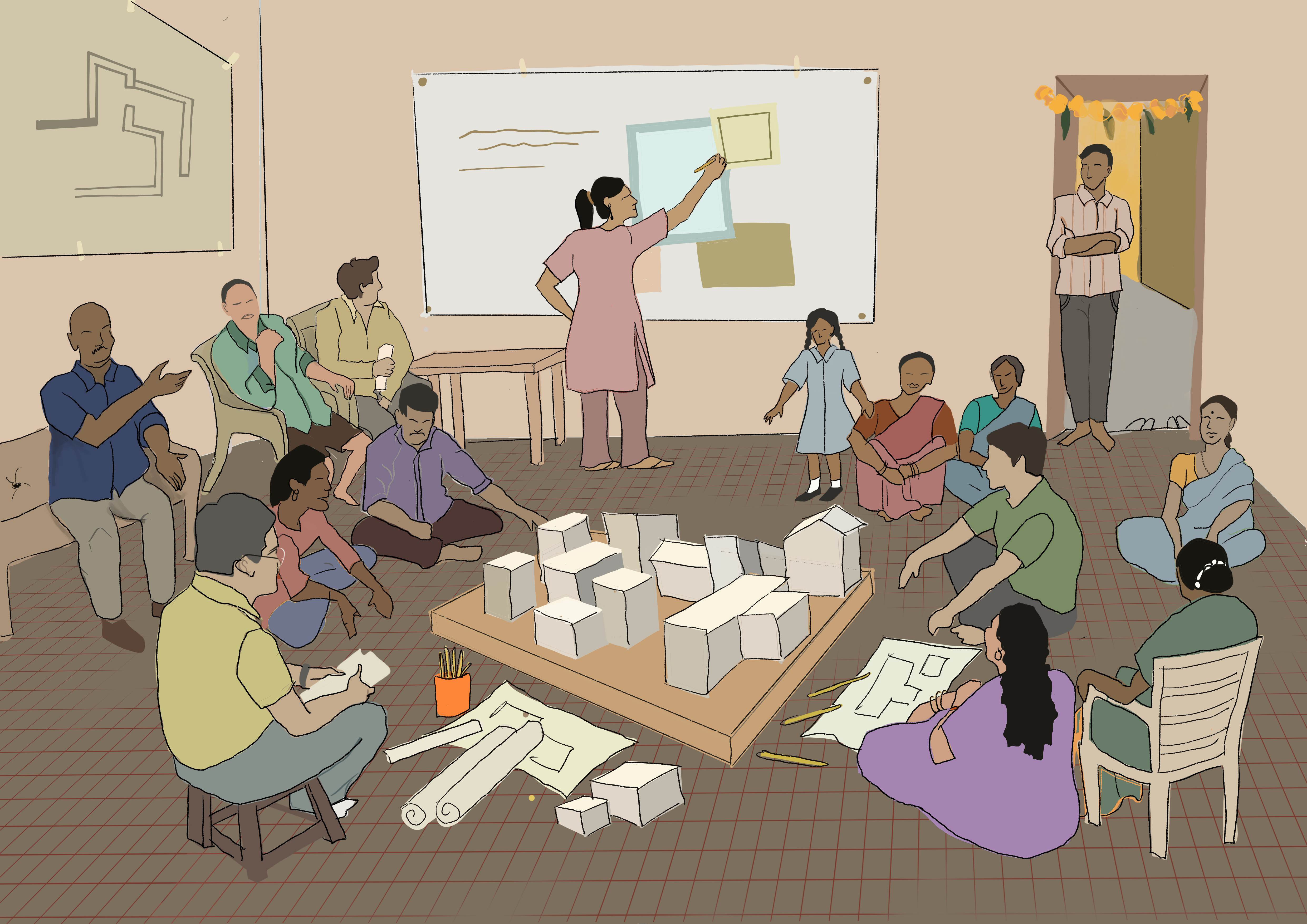
The start of a collaborative initiative that seeks to interweave technical and scientific aspects of architects with knowledge of the local mason and the lifestyle of inhabitants.
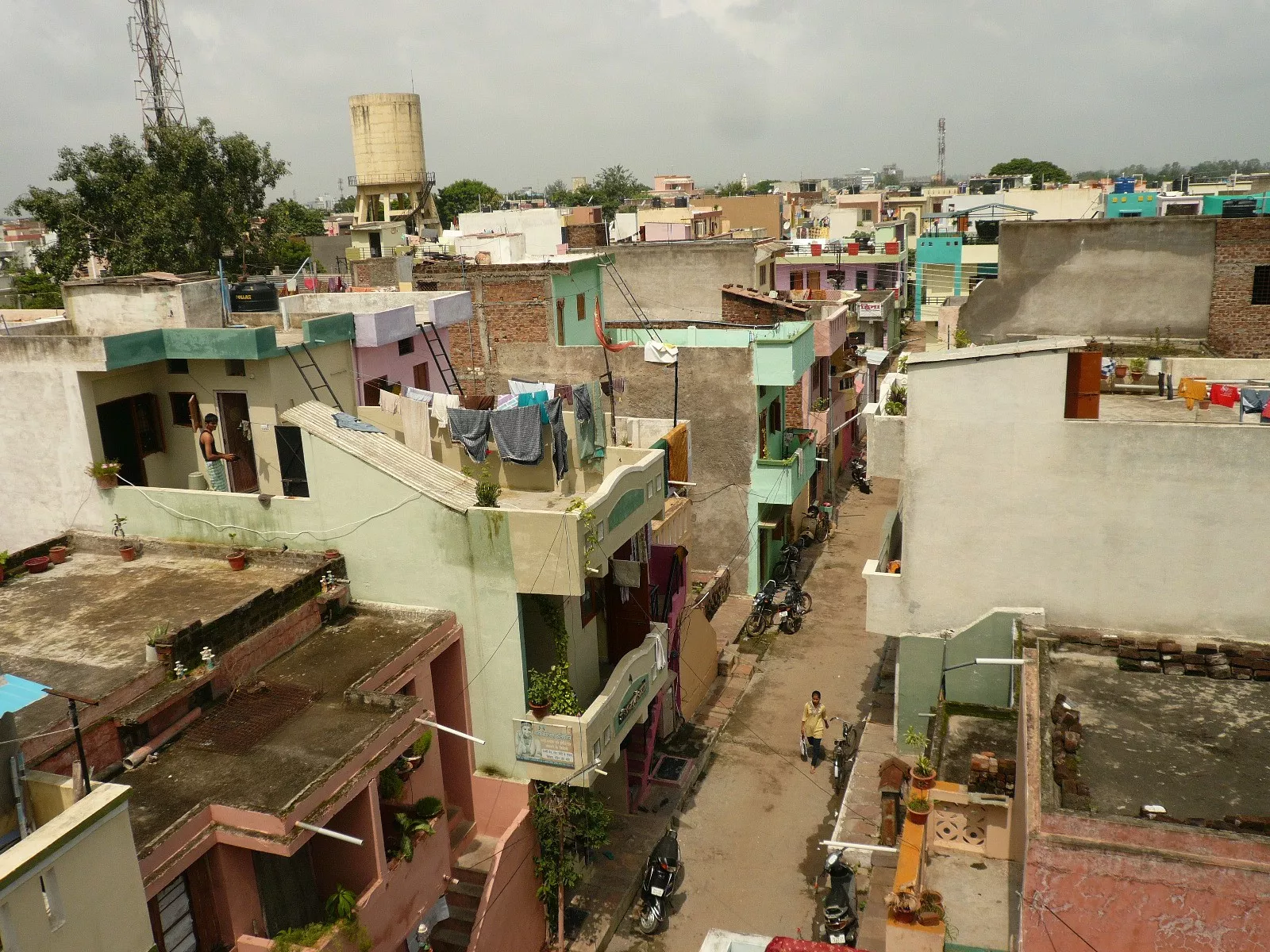
Lowcost housing by Architect B V Doshi, whose planned vision grew very incrementally.

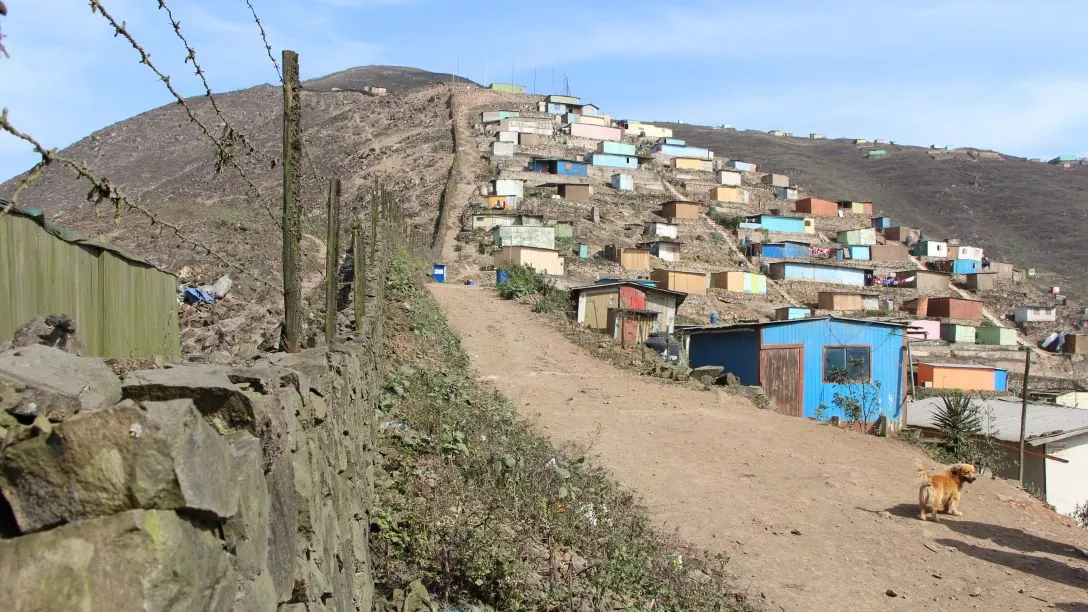
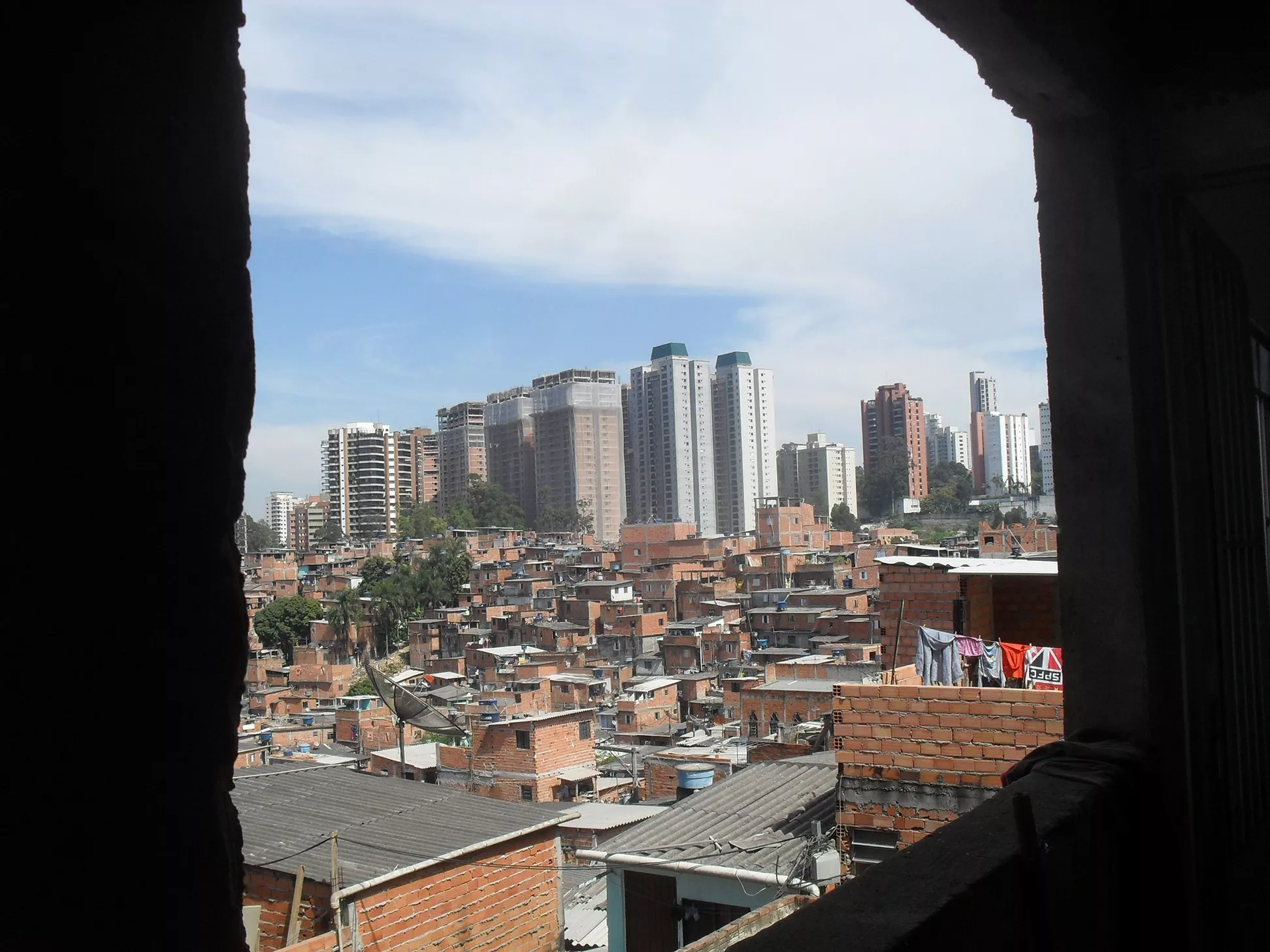
Gracias a la invitación de la Universidad San Martin de Porres en Lima – Perú el equipo de Urbz Colombia tuvo la oportunidad de organizar el Taller Fronteras de Segregación, hacia una integración social de espacios fragmentados. Este taller se organizo en el marco del XXIII Congreso Internacional de Ingeniería, Ciencias Aeronáuticas y Arquiforo “Visión 2018”, un evento anual que realiza la Facultad de Ingeniería y Arquitectura.

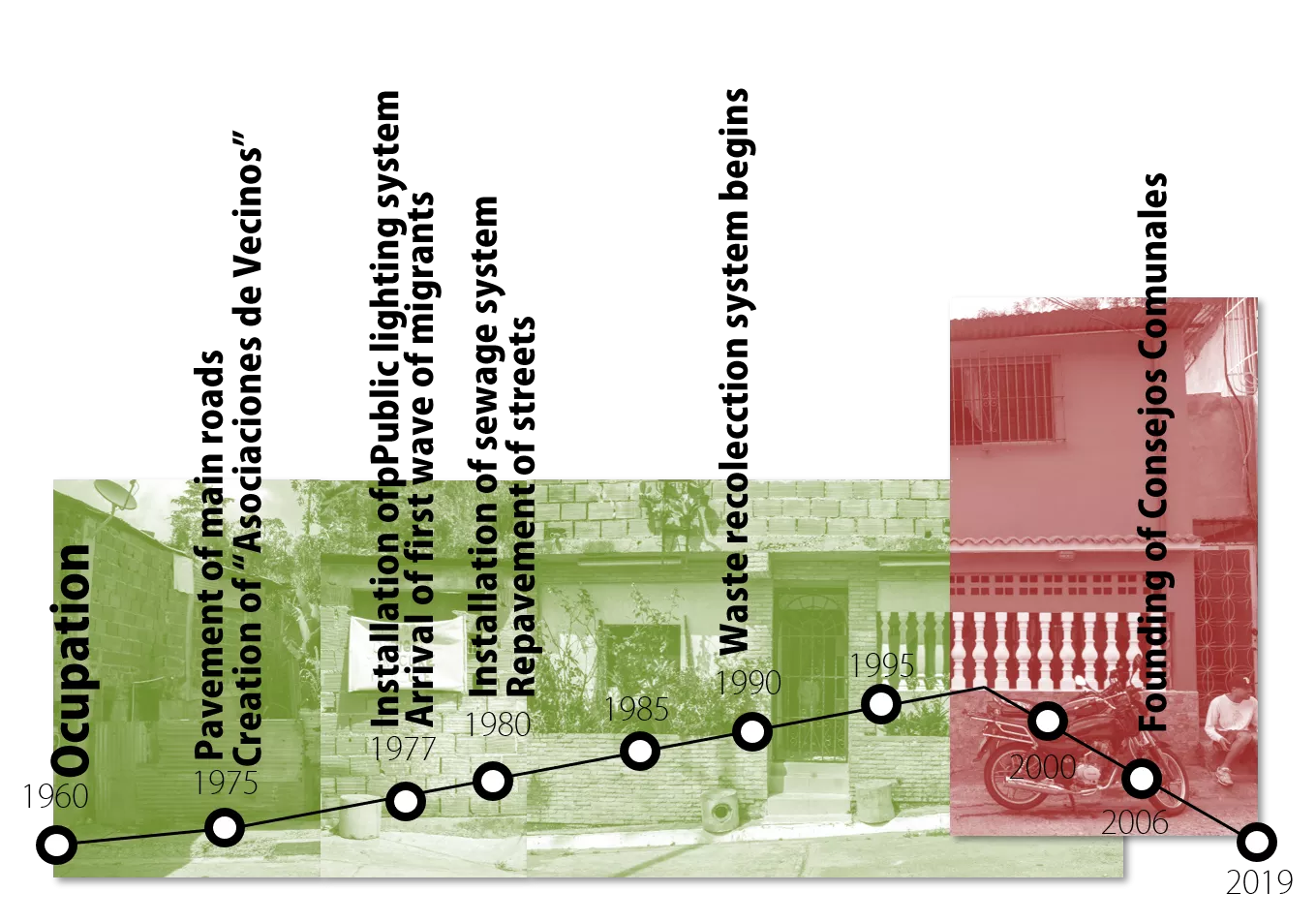
This series of articles seeks to shed light on the origin of the unplanned settlements that are home to more than half of Caracas’s population, but whose stories have never been told. Multiple inhabitants were interviewed and shared their stories of struggles, overcoming hardships, constant improvement and self governance that are the origin of unplanned settlements in Venezuela.

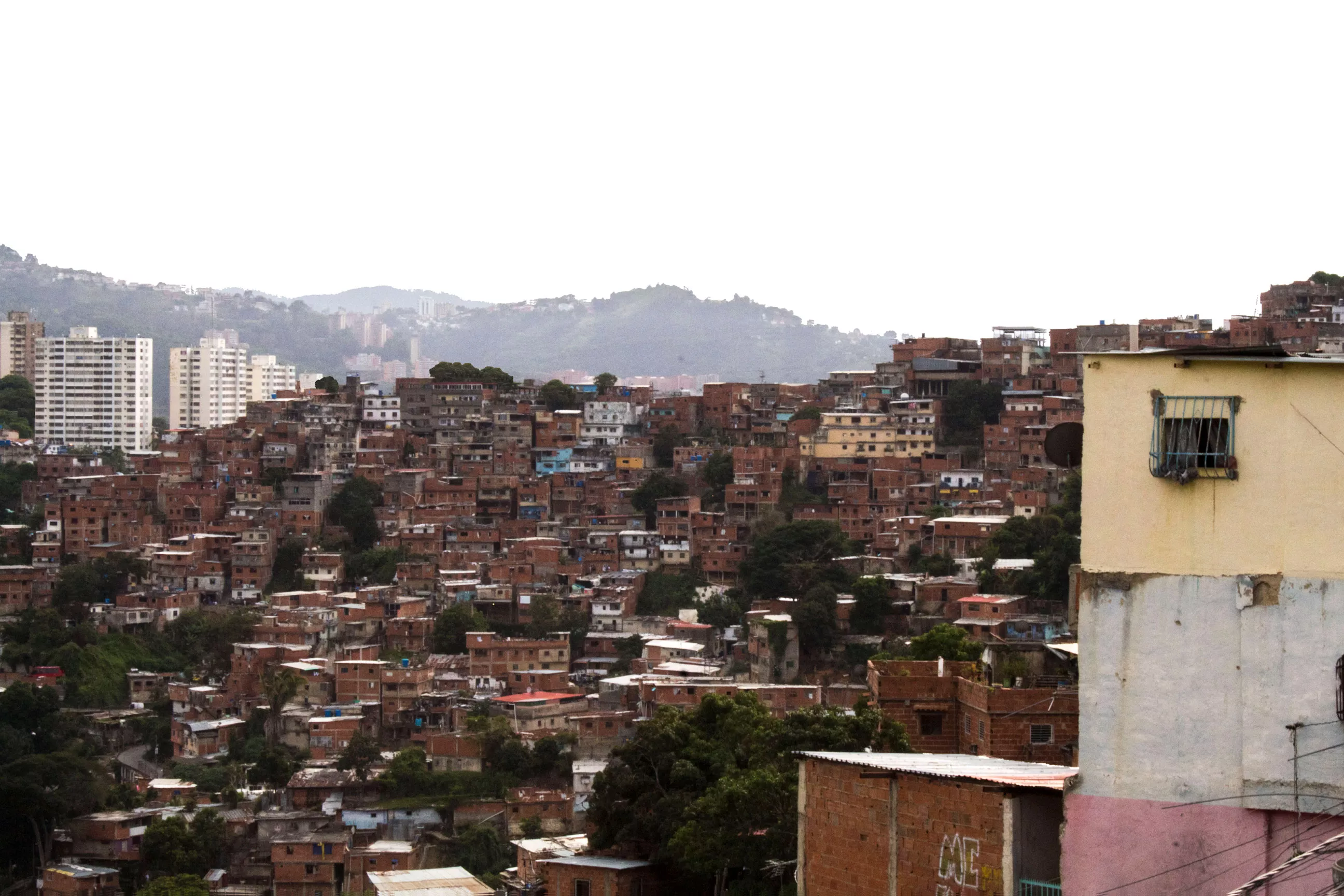
The second article in the Makers of the Homegrown series takes a look at Ciudad de Barrios (City of Barrios) in Caracas, Venezuela. It is a compact and clustered neighborhood with a multitude of residents engaged in producing homes, urban space, and the city.