Dharavi Weekly 03 - The Food Issue
Authors
Authors

Dharavi Weekly 03 - The Food Issue
Authors
Authors
Related articles
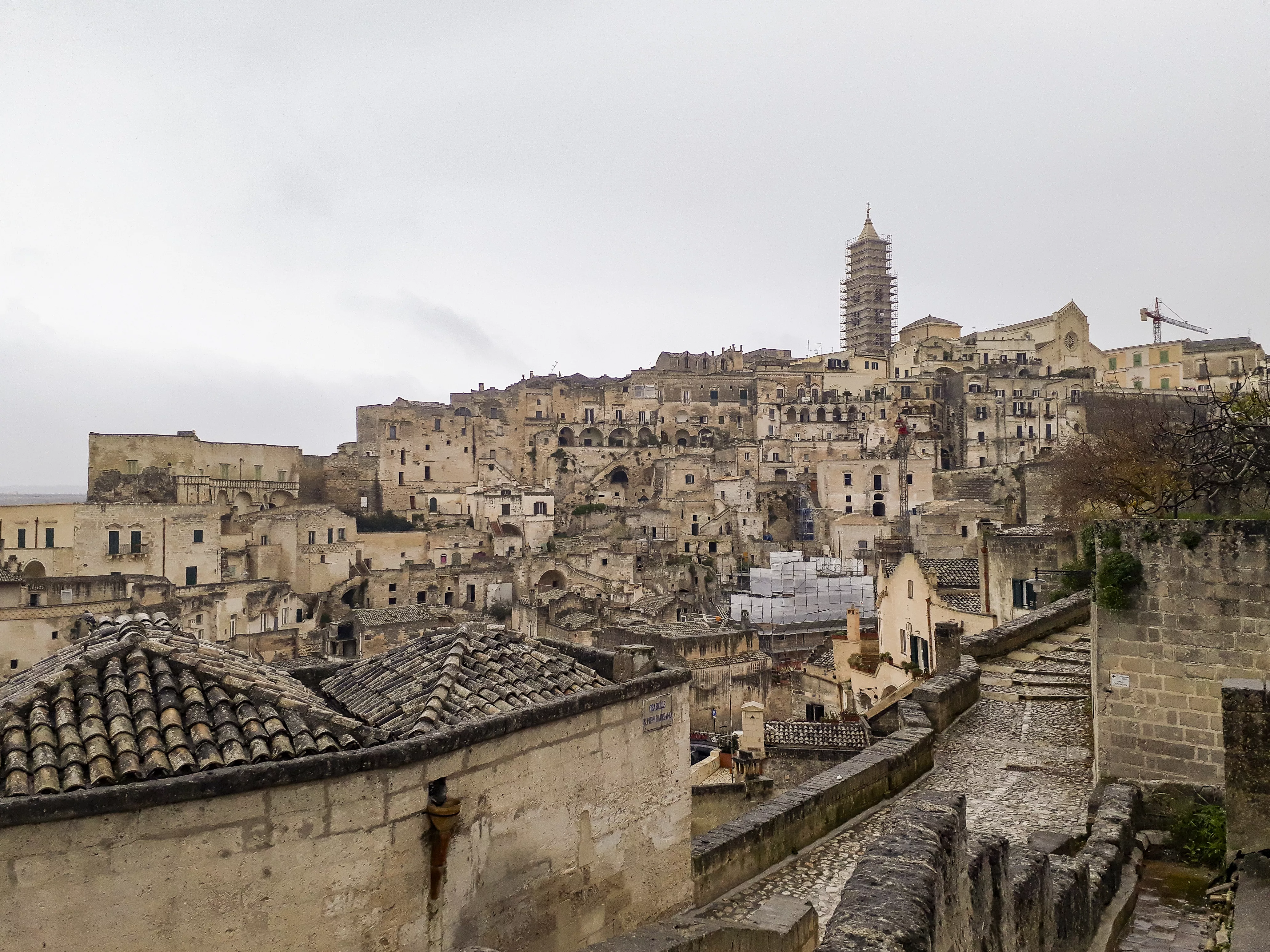
A town which has roots in the Neolithic Age struggles with the ups and downs of modernity. (The Hindu 09.12.2018)
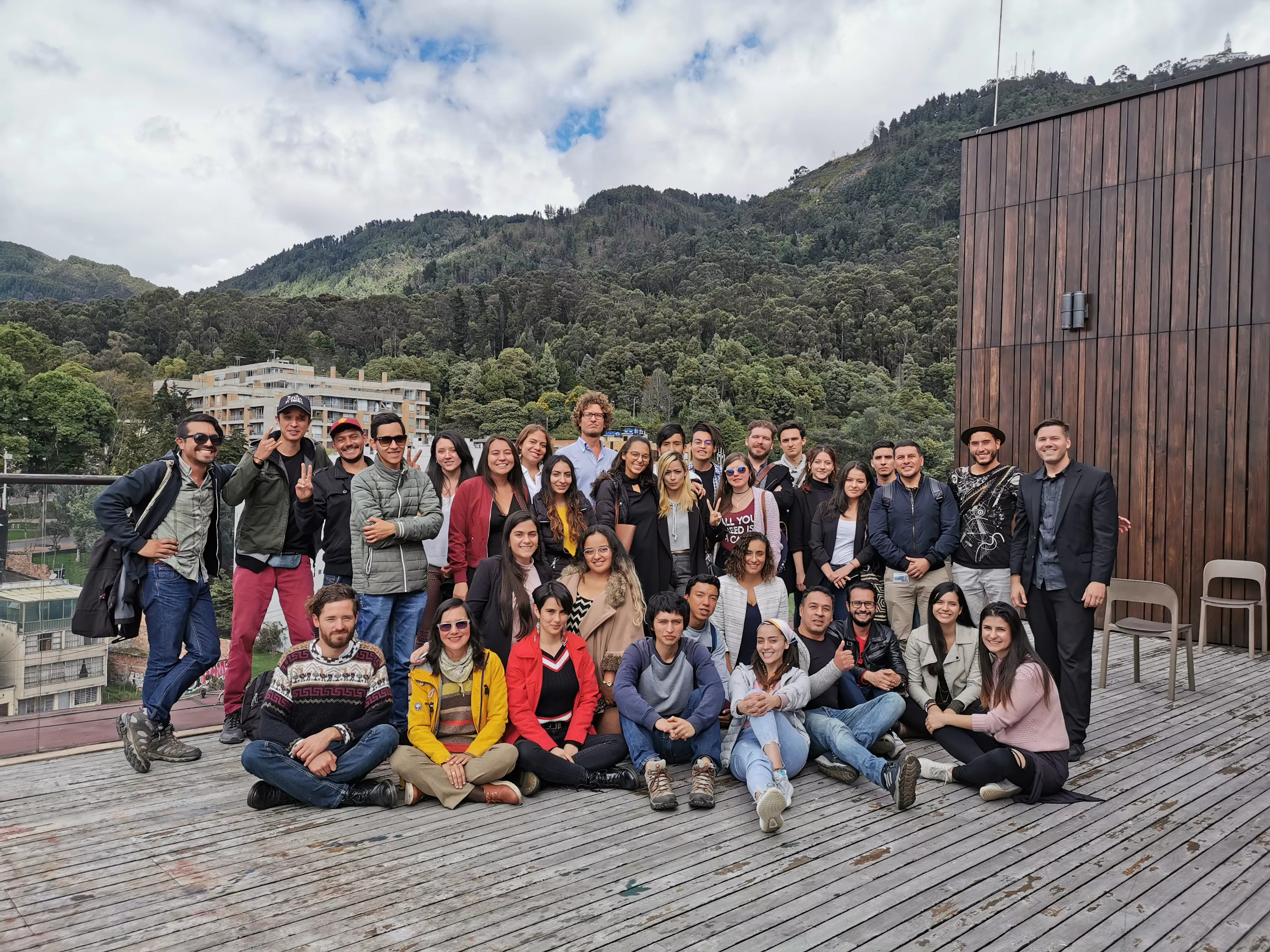
The “Urban Actions and Emergent Architecture:Community Architecture 2019” first Encounter was held in the city of Bogotá, Colombia on the 25th and 26th of October of 2019. This was the first event to ever bring together community leaders, architecture colectivos, professors and students to discuss around the topic of community development initiatives.

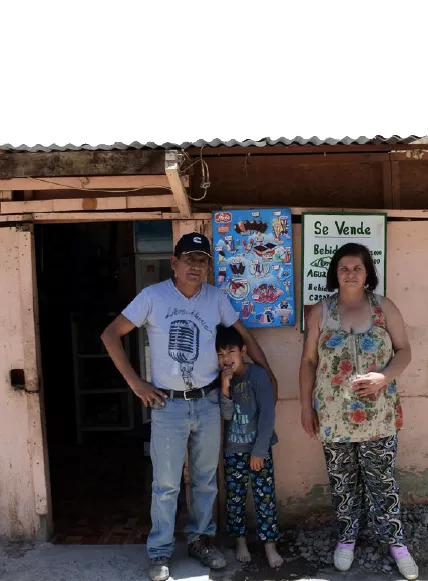
In this article, we situate ourselves in Chile and examine homegrown neighbourhoods in various terrains.


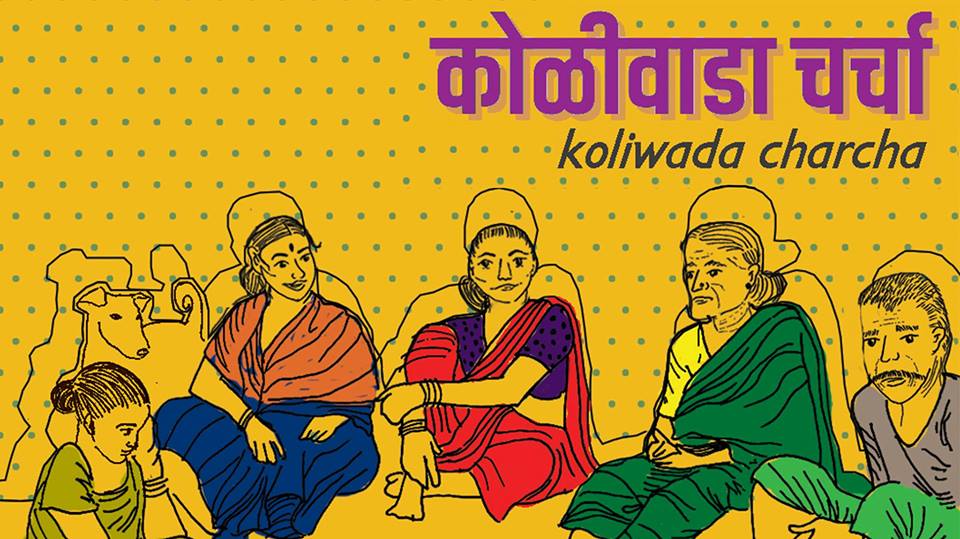




An afternoon rendezvous with Vasu Mama, as he narrates about his long-lived and rich life in Dharavi, his current routine post retirement, his values, ideas and opinions about Dharavi and its future.

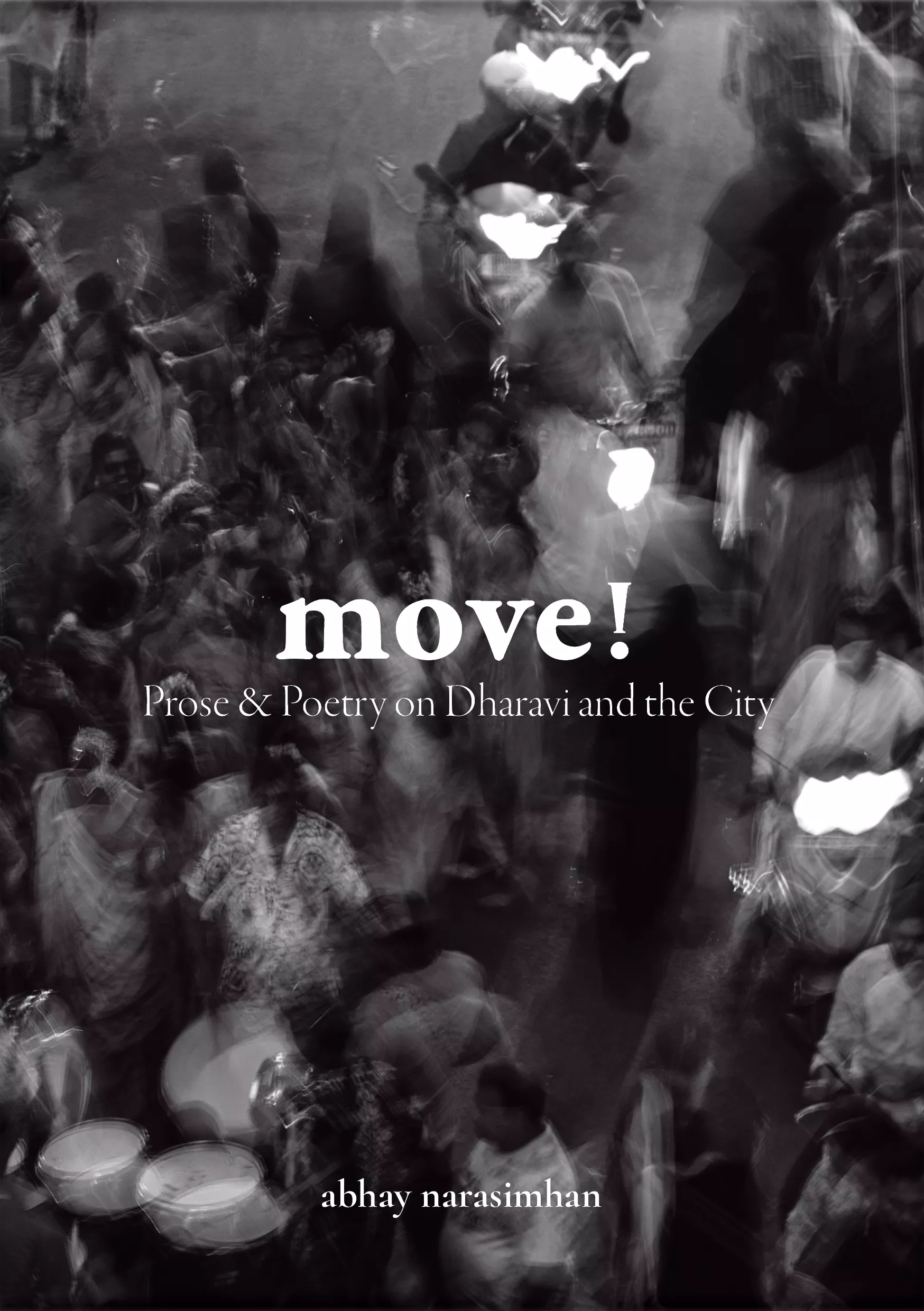
This compilation of prose and poetry emerges from the most incredible time spent in Dharavi working with urbz Mumbai.
Abhay Narasimhan
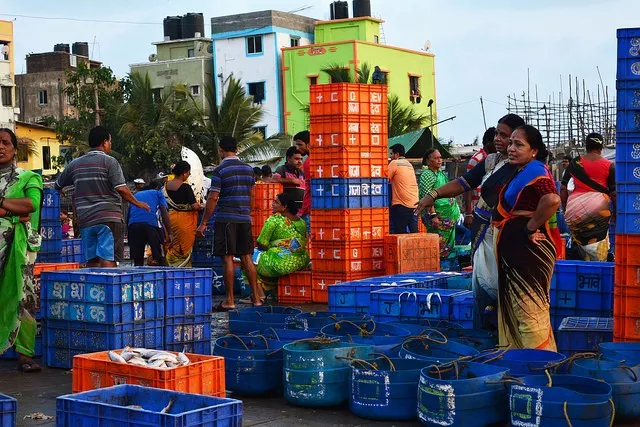
A prize winning proposal to recycle plastic waste along Mumbai's coastal village of Versova, uses fishing nets and the involvement of the local fishing community.

Where affordable housing is scarce but people have tweaked the system and the land to achieve the best possible results in the given circumstances.
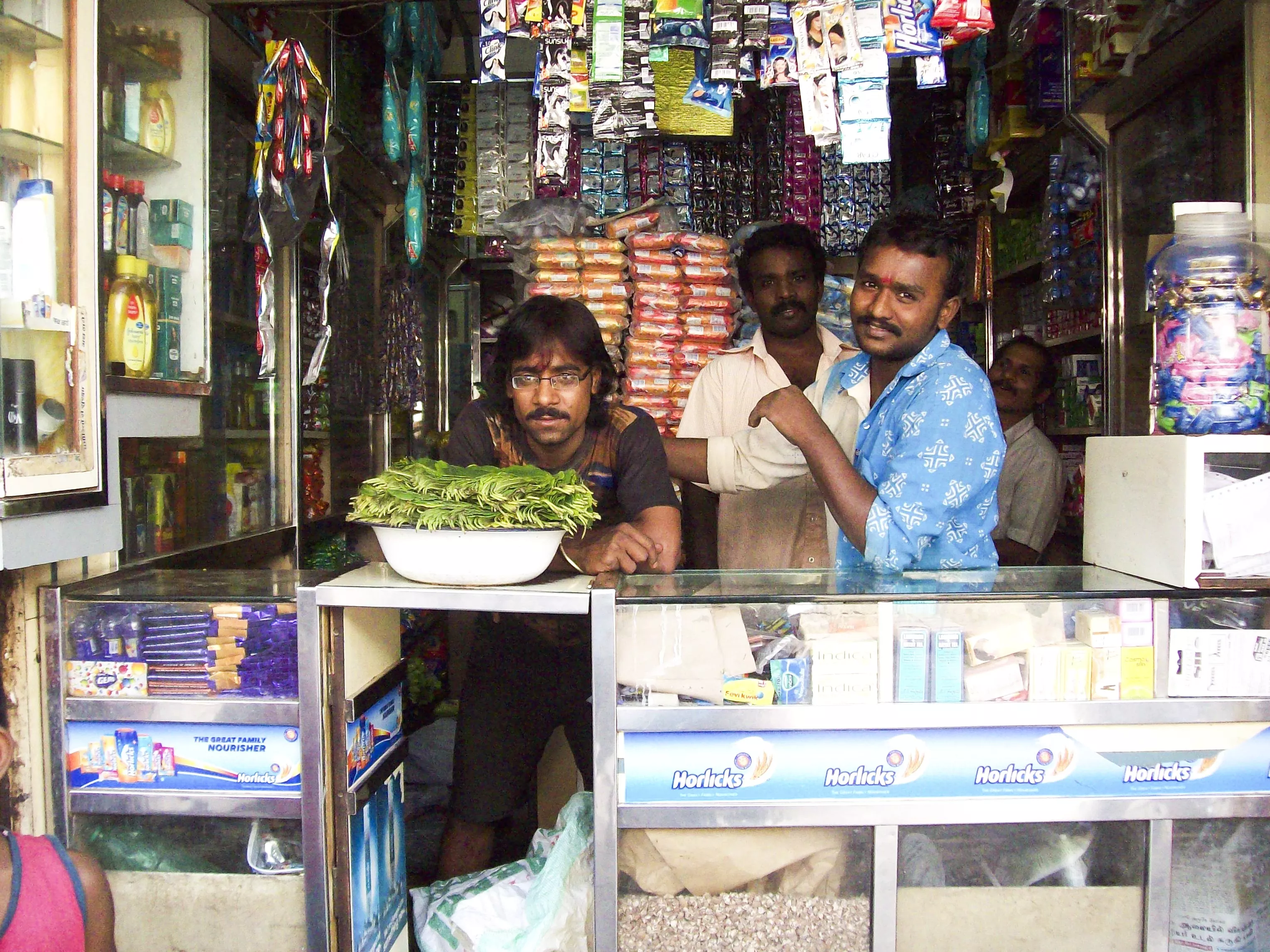
Walking on Mahatma Gandhi Road seemed like being part of a big never ending real time movie.
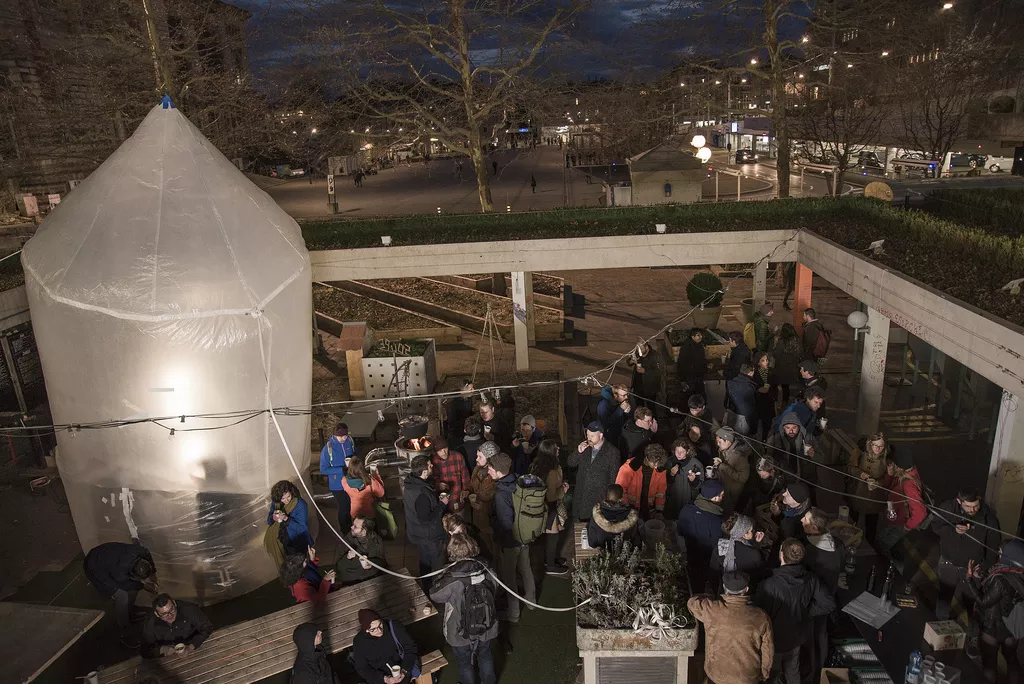
A Swiss city re-imagines public space and experiments with direct democracy in the process (The Hindu 16.03.2019)