Dharavi + The World
Authors
Authors
Dharavi + The World
Authors
Authors



Related articles


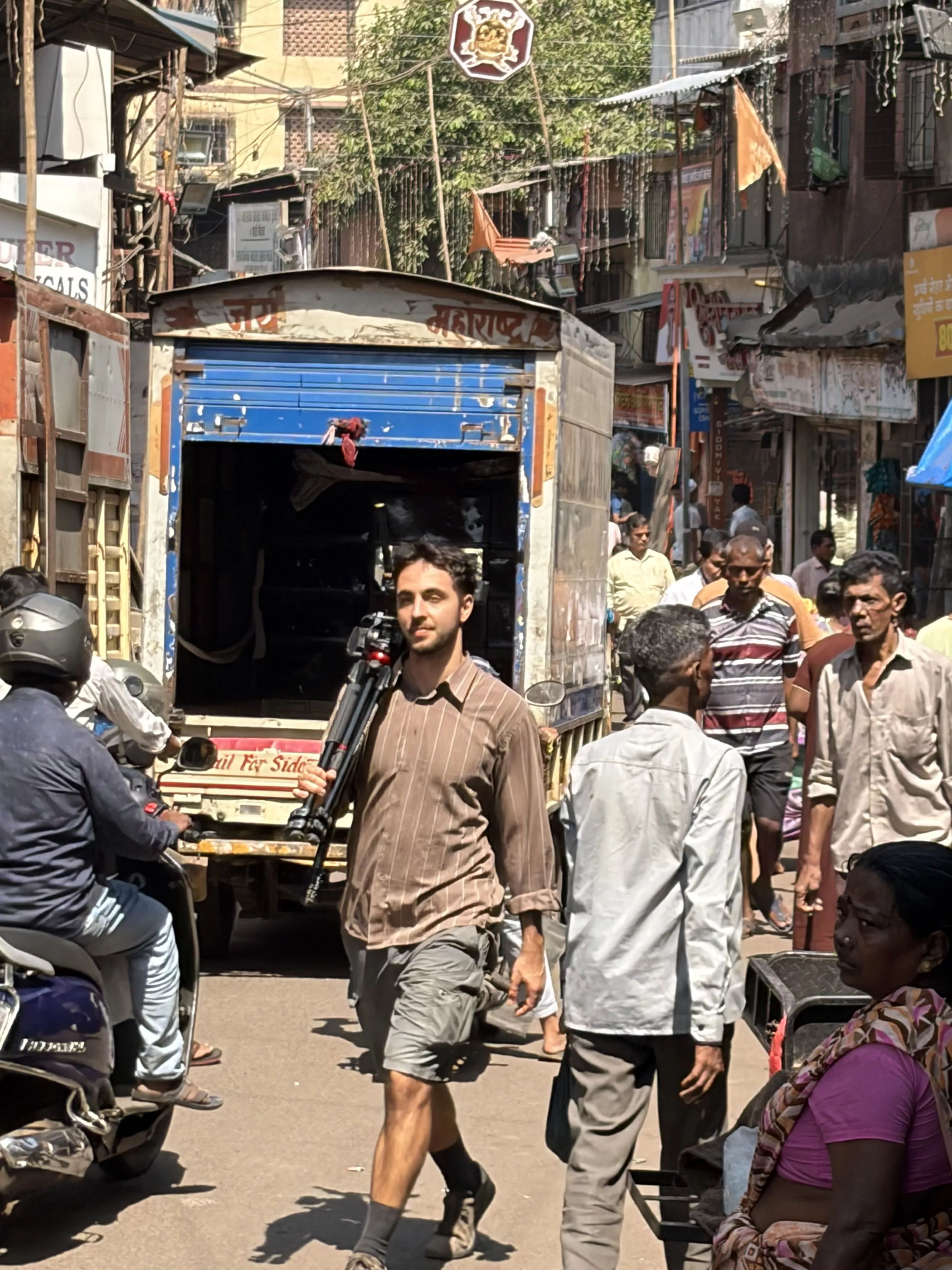
An interview with Liron Shalit, our filmmaker-in-residence. He is an award-winning documentary filmmaker focused on social issues, human rights, and ethical urbanism. Recently, the urbz office hosted a screening of his film Living Euljiro that traces the neglected losses of those living within a centuries-old district of maze-like alleys at the heart of Seoul (Synopsis). We speak to him about his craft, his lessons from Euljiro, and his time here in Dharavi.
It is commonplace in Brazil that ‘favelas’ are a pervasive part of the urban landscape. Recently however, alternative, bottom-up models have emerged that slowly change this scenario.
Micro homes which integrate spaces of work and are well connected to the street economy seem to be far more viable on the longer run at all levels.
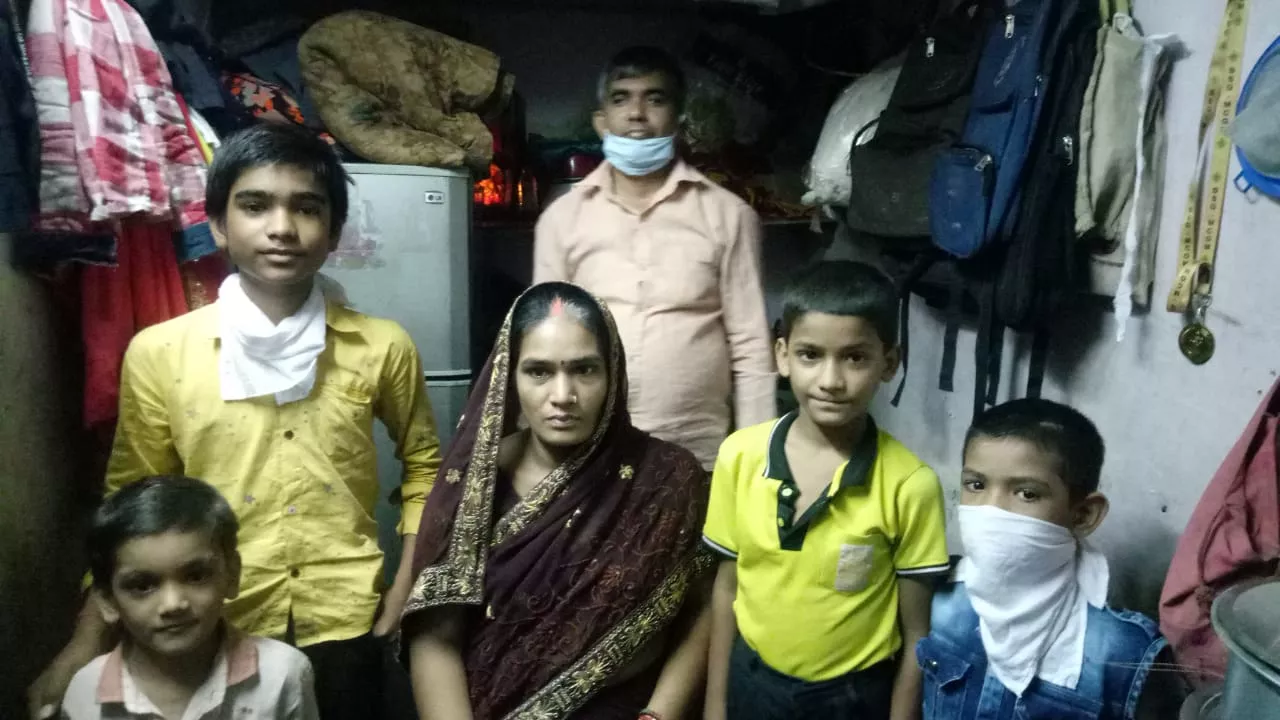
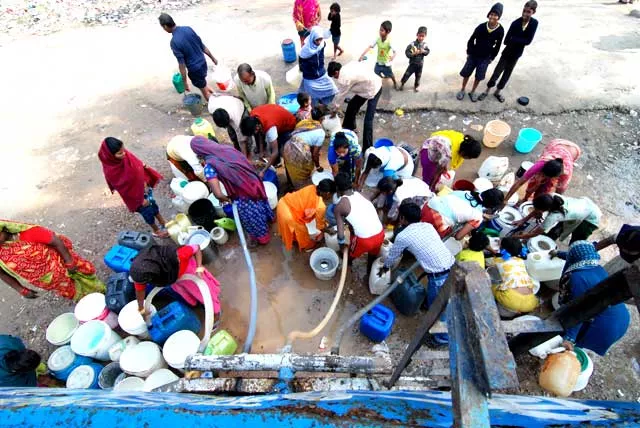
March 24th, India went into a 21 day lock down to maintain social distancing. People were asked to work from home, only step out for essentials and wash their hands frequently. Prior to this announcement, the inter and intra state transportation was restricted. These were part of ‘crucial’ efforts to curb the spread of the novel Covid-19.

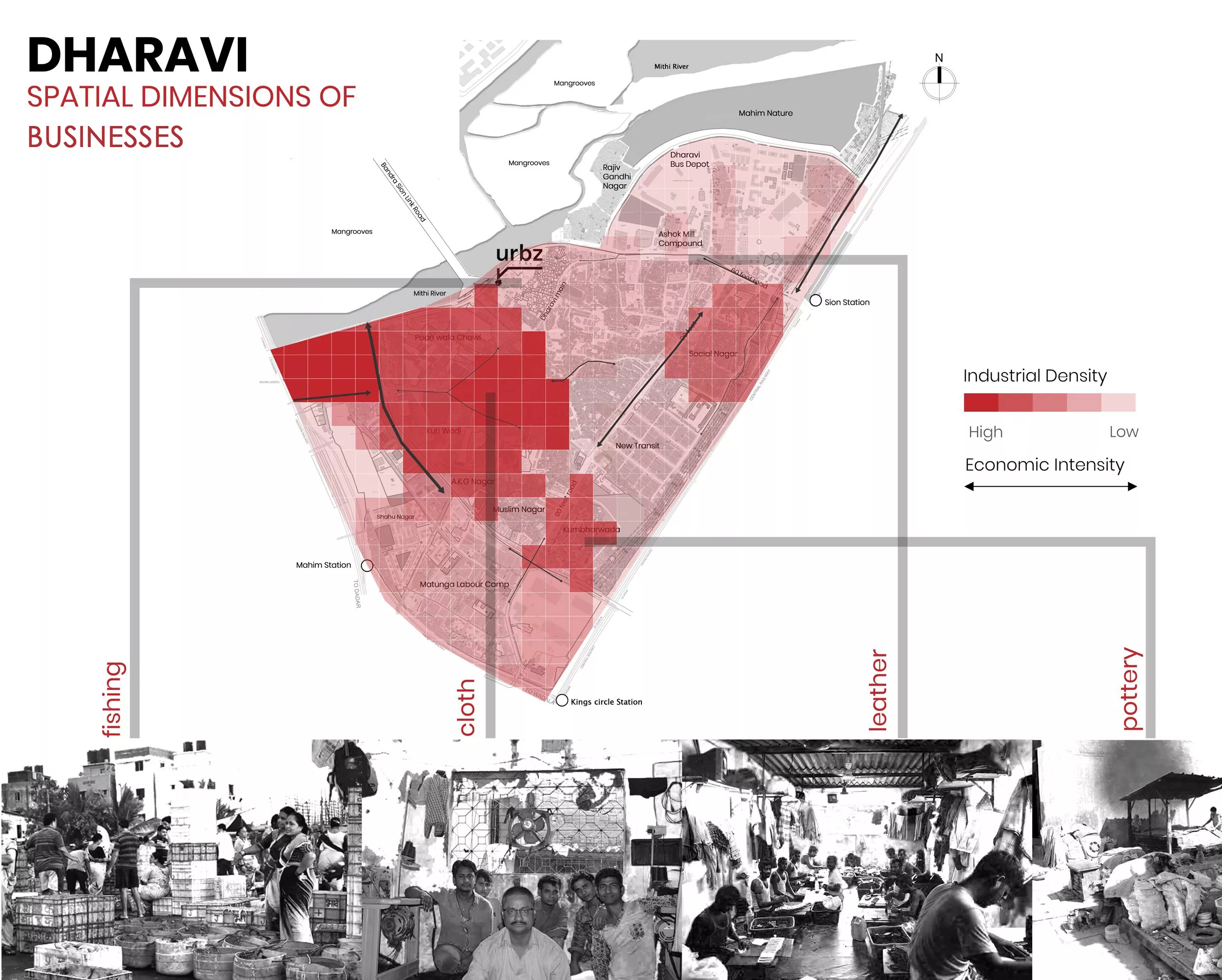
Dharavi is a prime real estate location due to its closeness to public transport systems, business districts, as well as ecological hotspots. The proximity of living quarters to where individuals work, often from within households, brings both benefits and challenges to households and businesses.


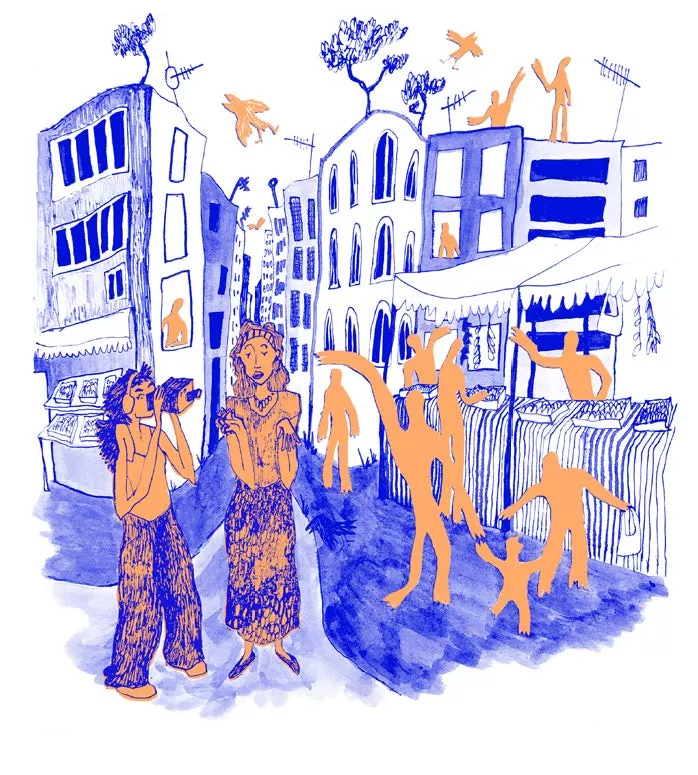
urbz animated a session with filmmakers that foregrounded the idea of locality in storytelling, specifically in the making of fiction films.
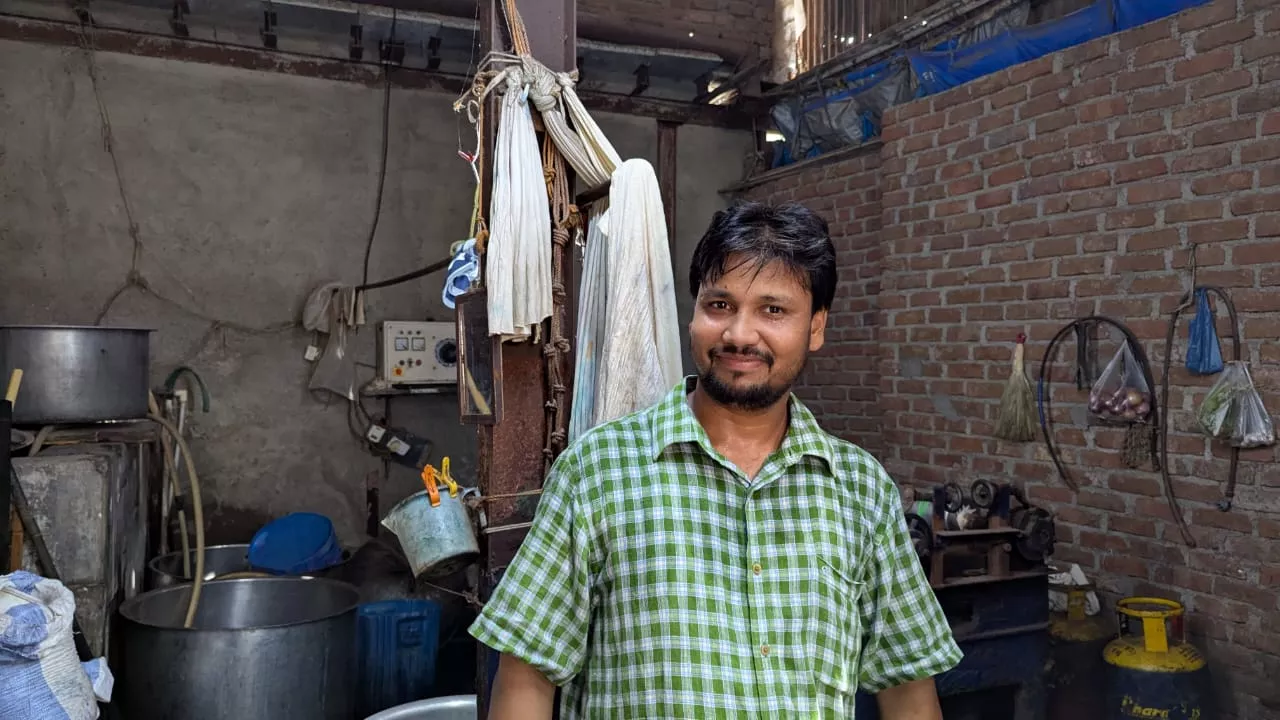
Shahid Sheikh’s dyeing unit in Dharavi may be small, but it’s full of colour, care, and quiet skill. His story is one of patience, pride, and the kind of work that speaks for itself.


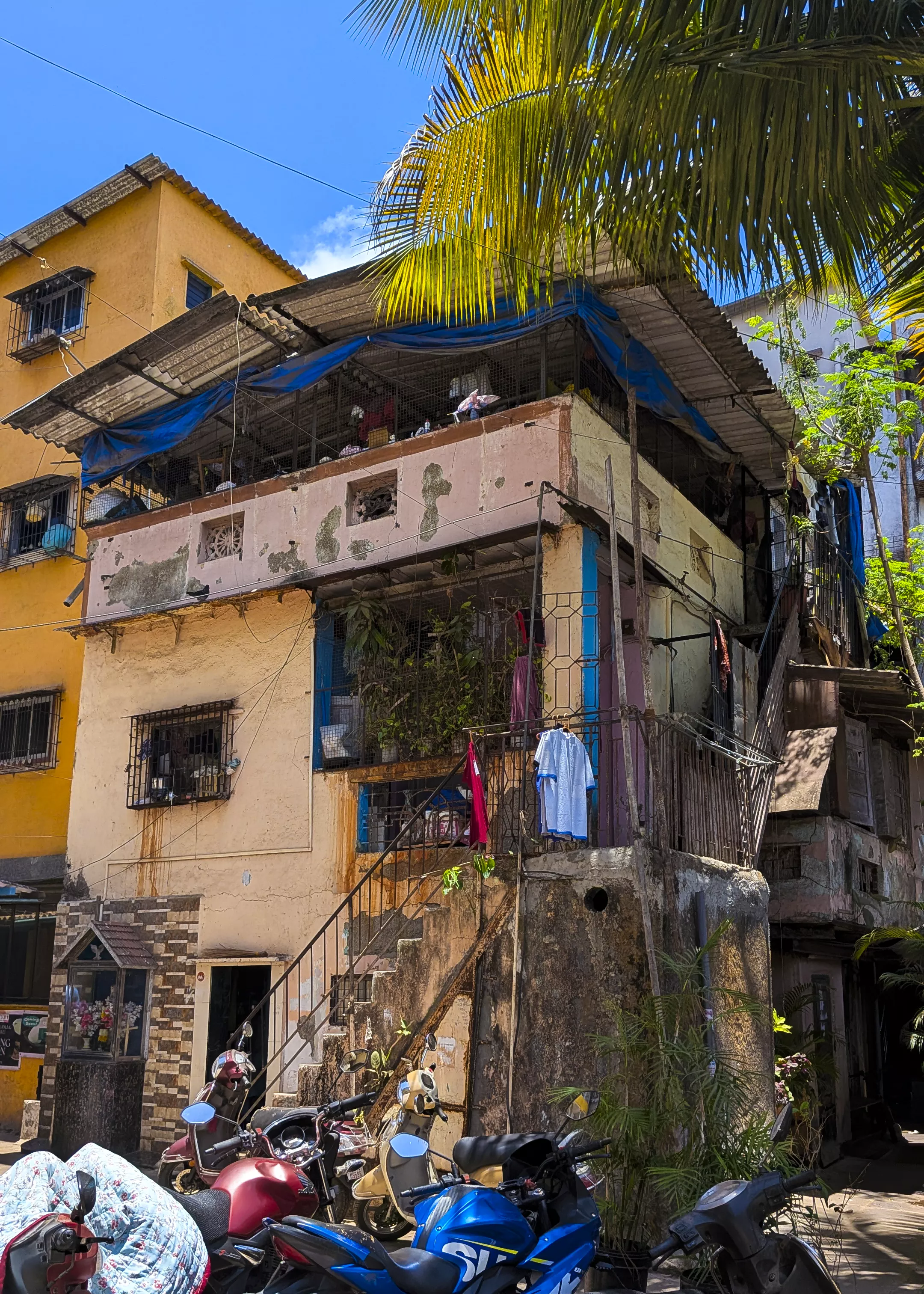
An old building in Dharavi Koliwada stands at the threshold of change. Through conversations with the residents of Jantu Bai Niwas, this story explores the hopes, concerns, and everyday realities shaping the future of a community in transition.