Gully Girls Tattoo Studio
Authors
Authors
Gully Girls Tattoo Studio
Authors
Authors
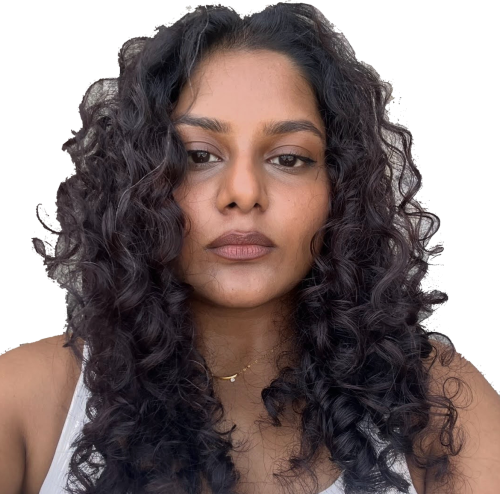
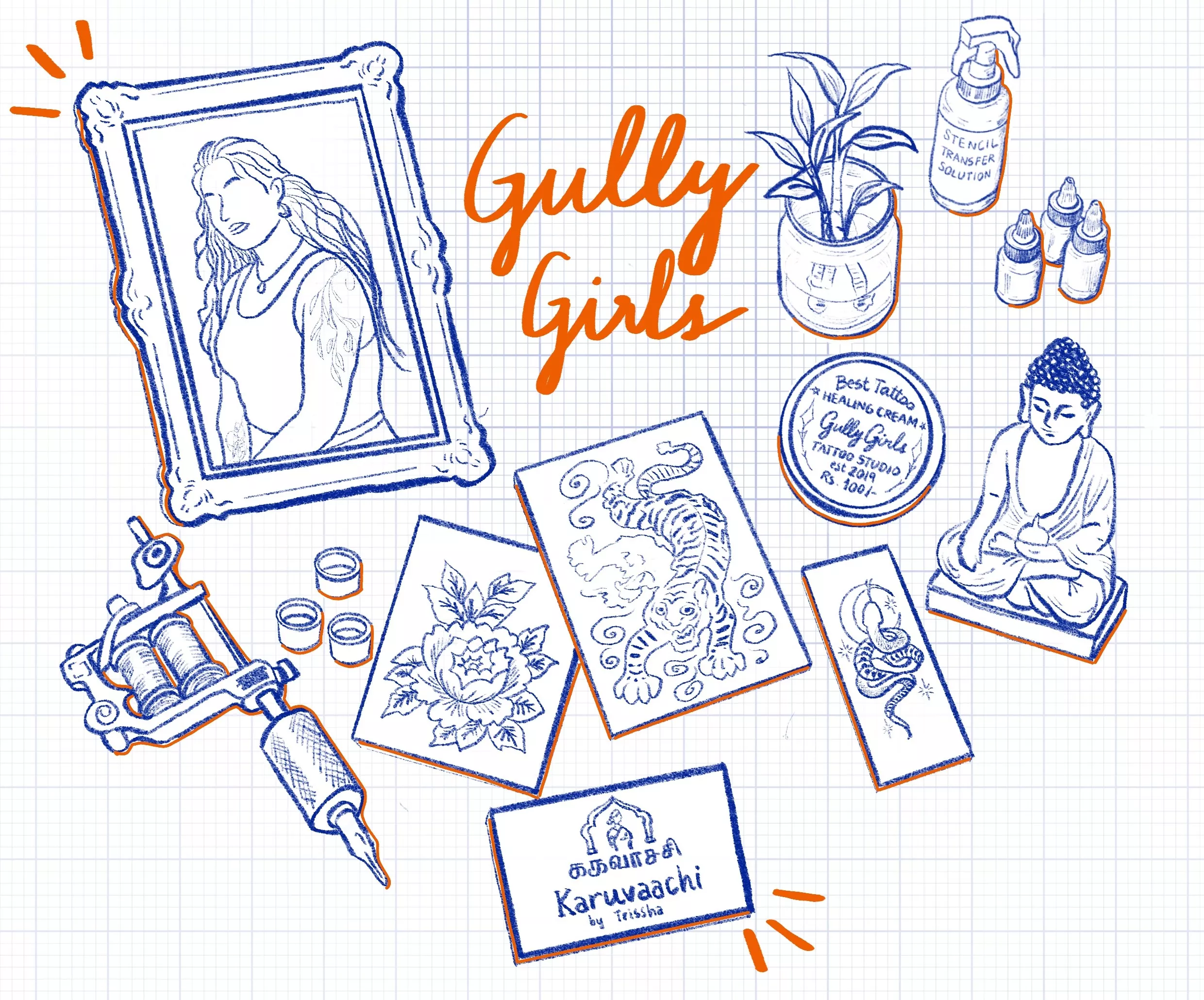
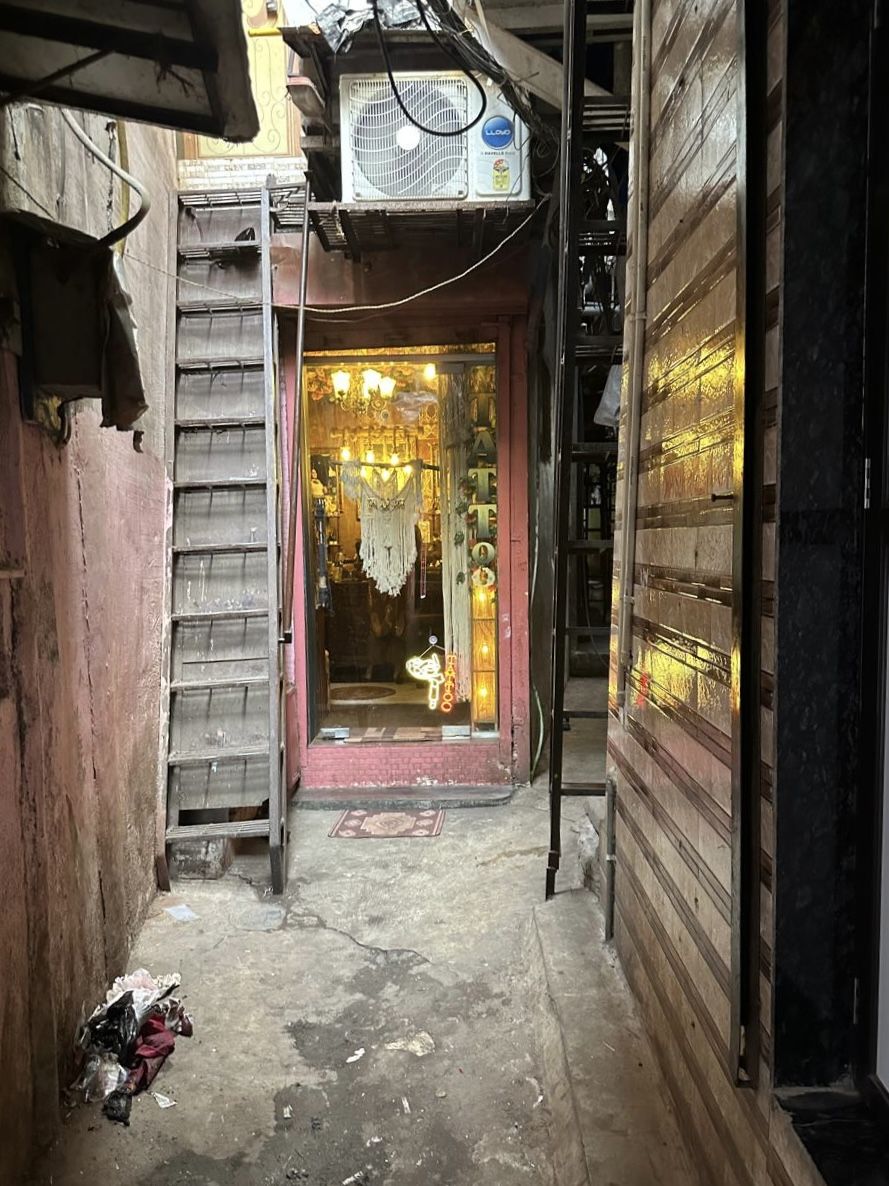
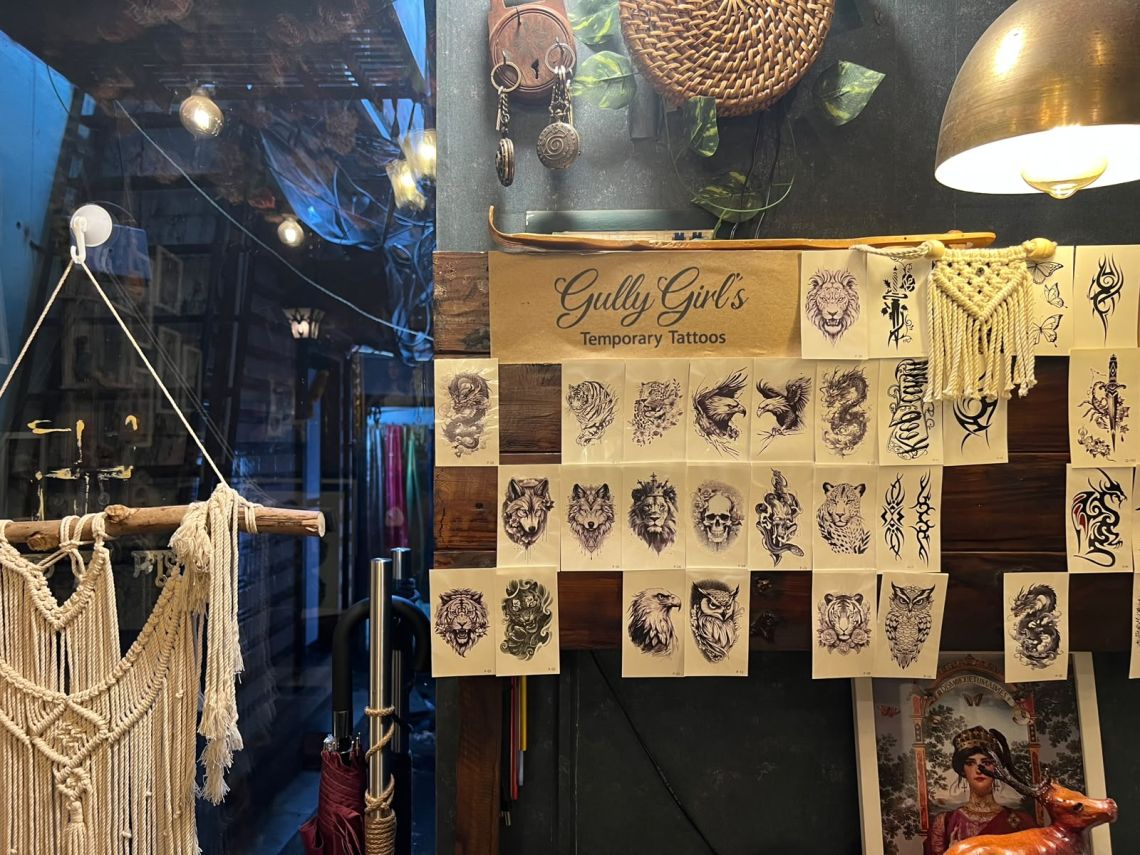
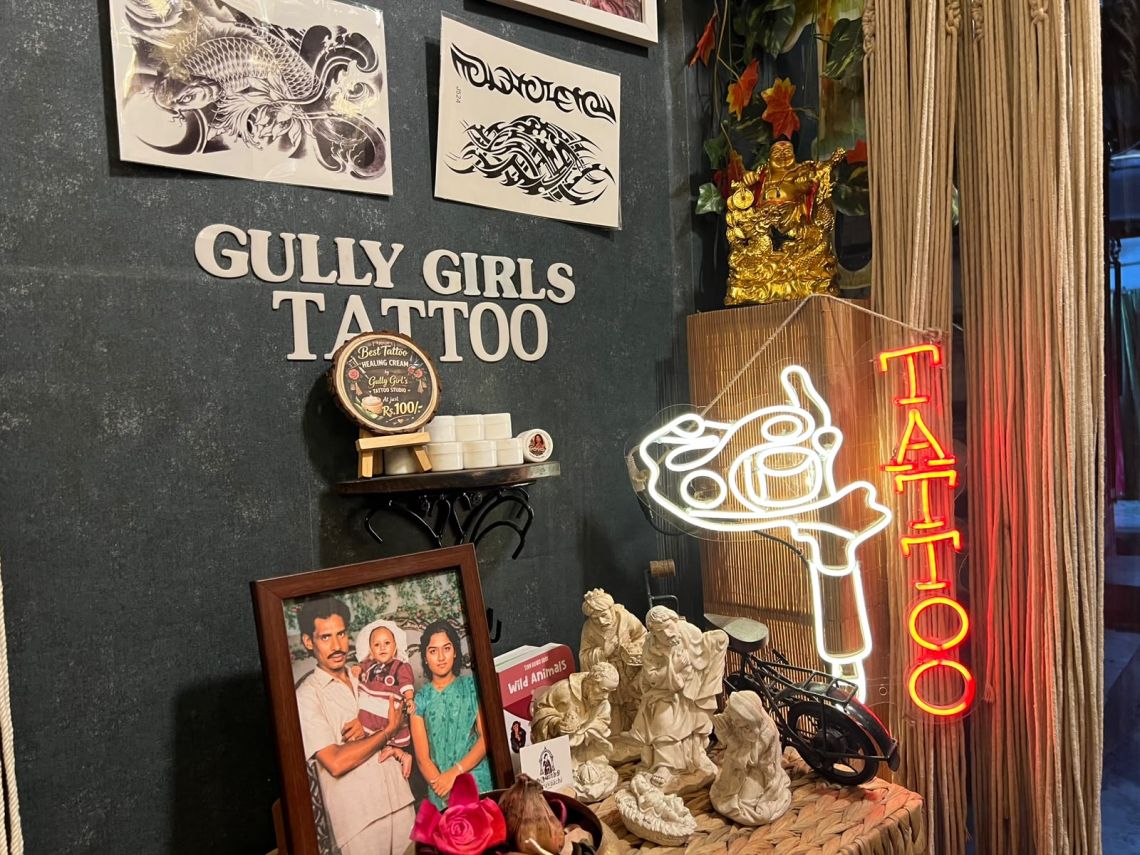
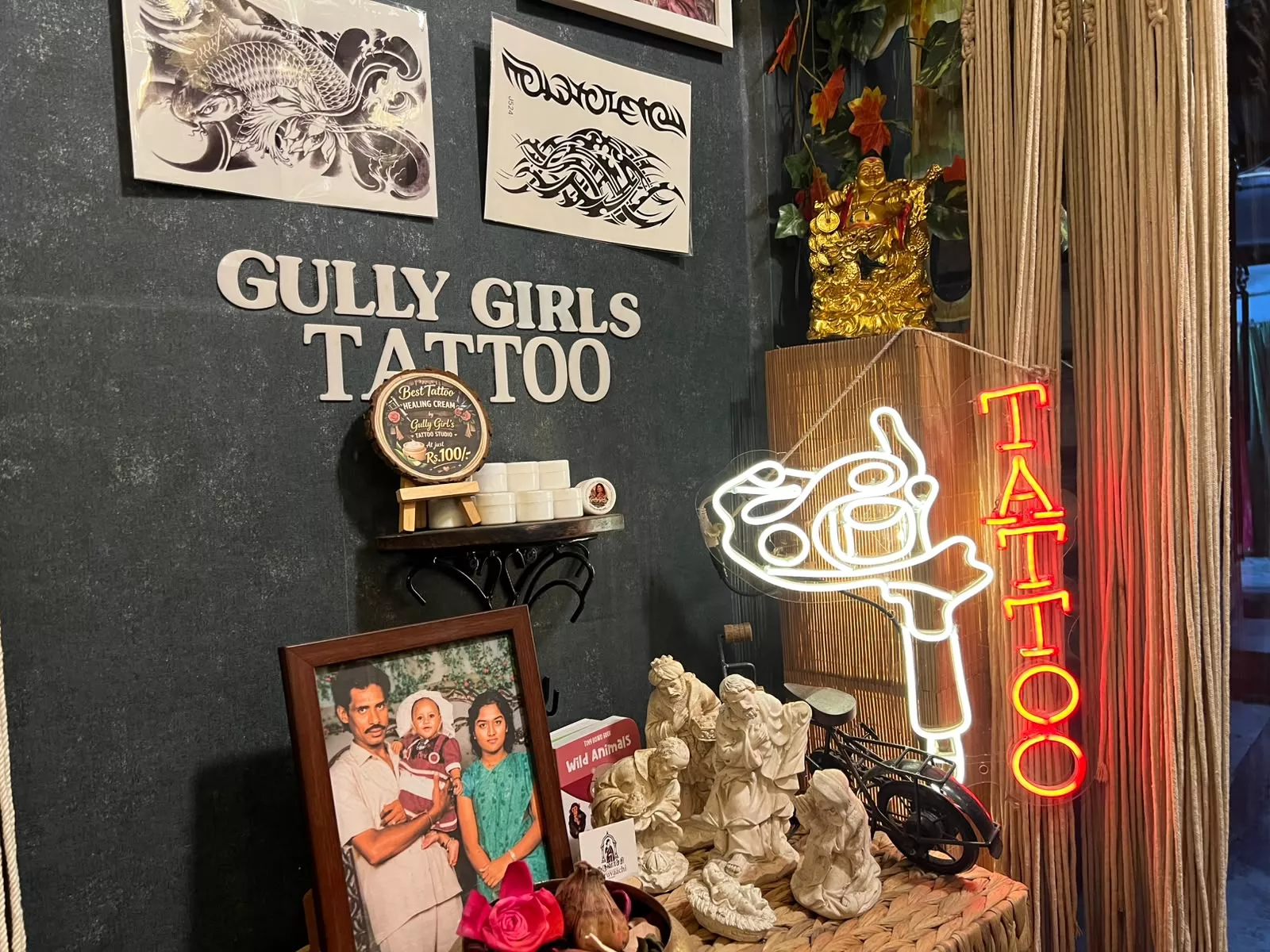
On Sangam Gully in Dharavi, past a saree shop and a vegetable market, a red storefront reads ‘Gully Girls Tattoo Studio’ in hand painted letters. As soon as I step into the studio, the sounds of the city become muffled. The walls are covered with original artwork, trinkets, tattooing equipment and flash art templates. Trissha sits inside, giving me a warm, friendly smile as I enter.
Trissha Vikneshwar is the eldest child in her family and like most eldest children in India, she grew up carrying a certain weight- the instinct to work hard and support her family. Before tattooing, she trained briefly to be a flight attendant before moving into the hospitality sector. She always had a knack for drawing while growing up. Having never been trained formally in art, she honed her skills by watching youtube tutorials in the way an entire generation of self made artists have learned to do. It was during covid, in that strange suspended time that many people used to reckon with what they actually wanted to do with their time (and life), Trissha decided to turn her art into something more. She says that she wasn’t always drawn to tattooing; things changed when she herself considered getting one for her mother’s birthday. That’s when it clicked that this was the right path for her. Once she stepped into the tattooing world, she noticed that there weren’t many women doing this in India. That absence in itself became a reason for her to stay and pursue something out of the norm.
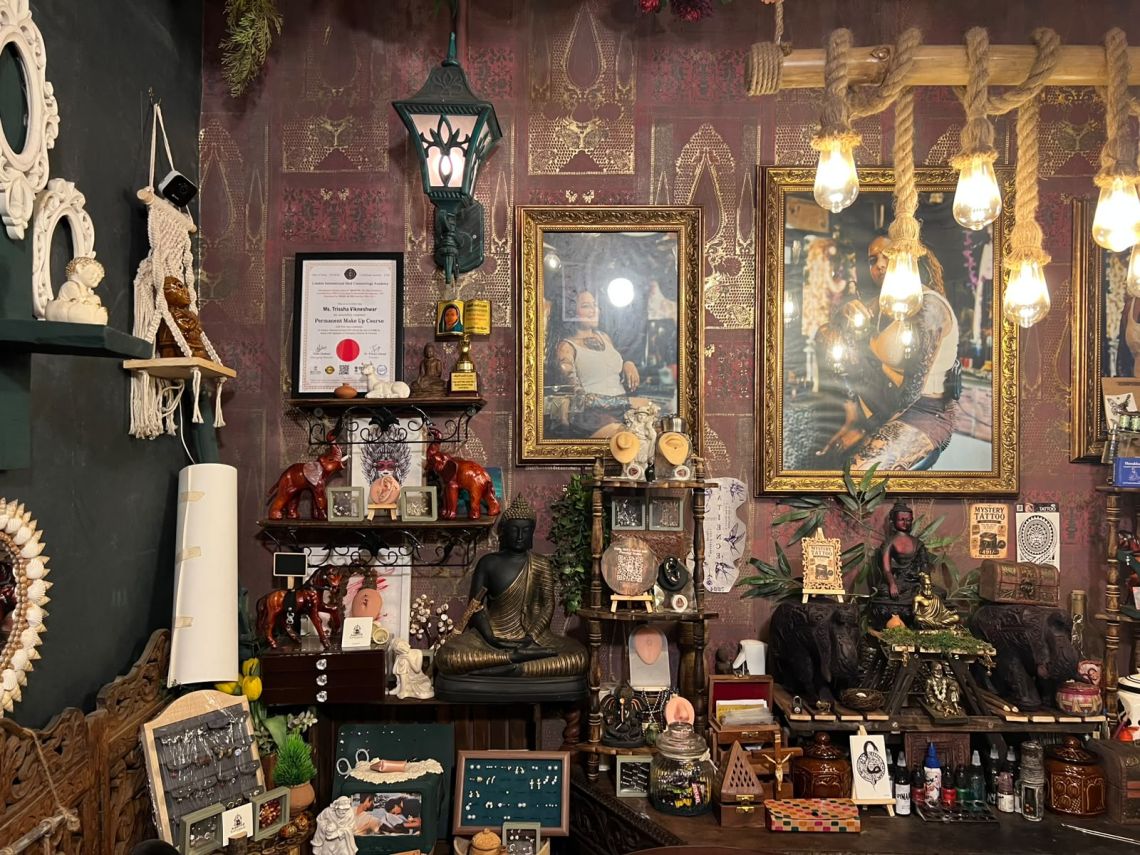
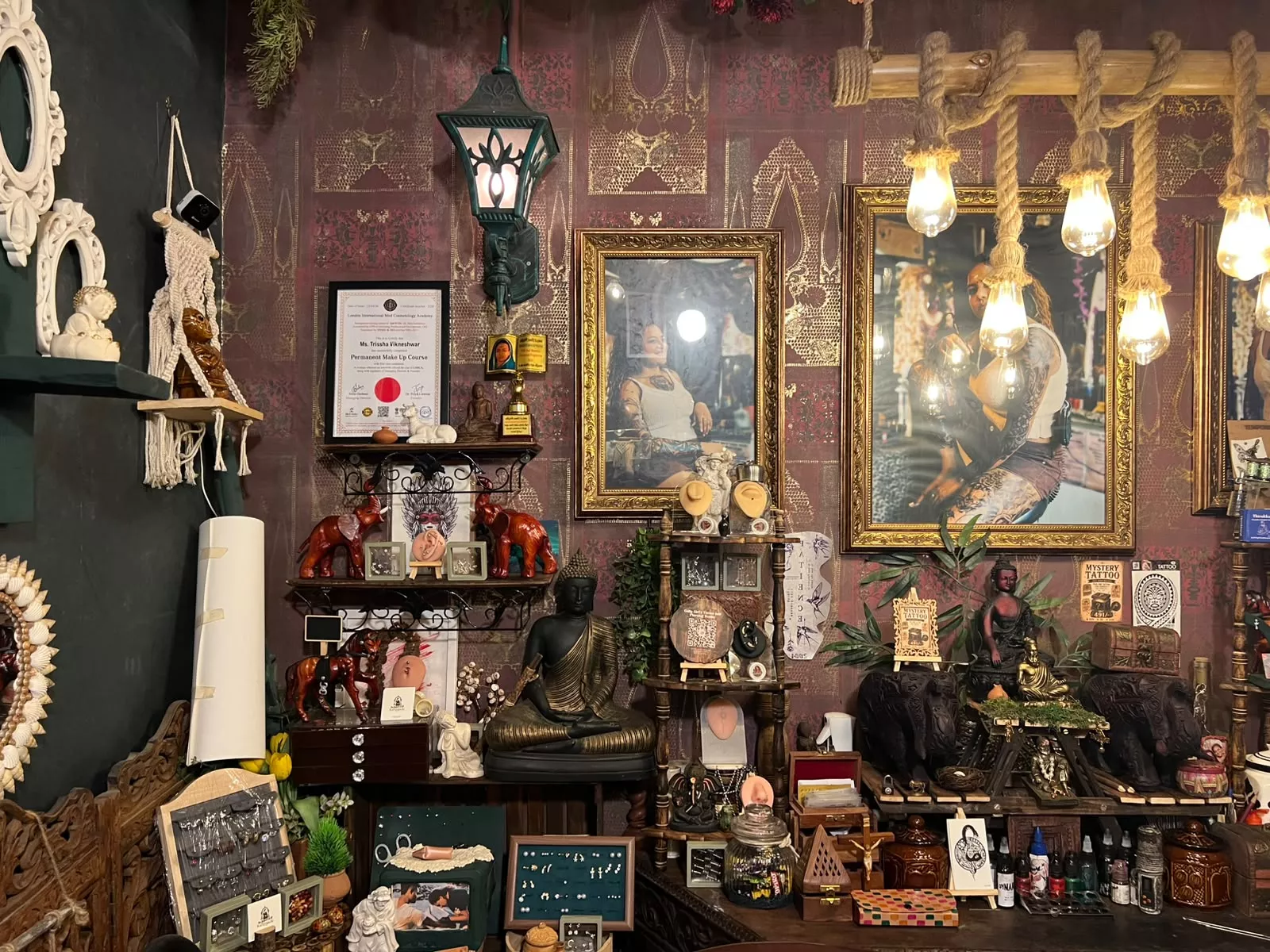
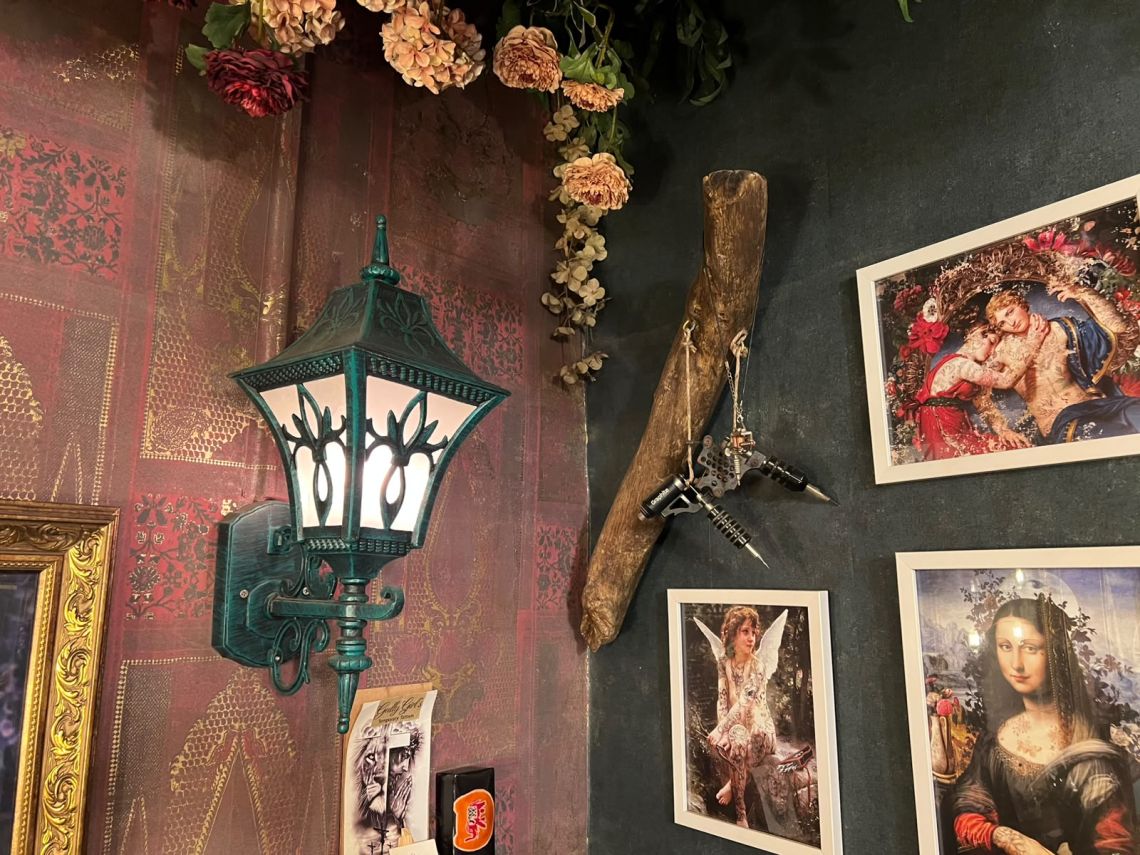
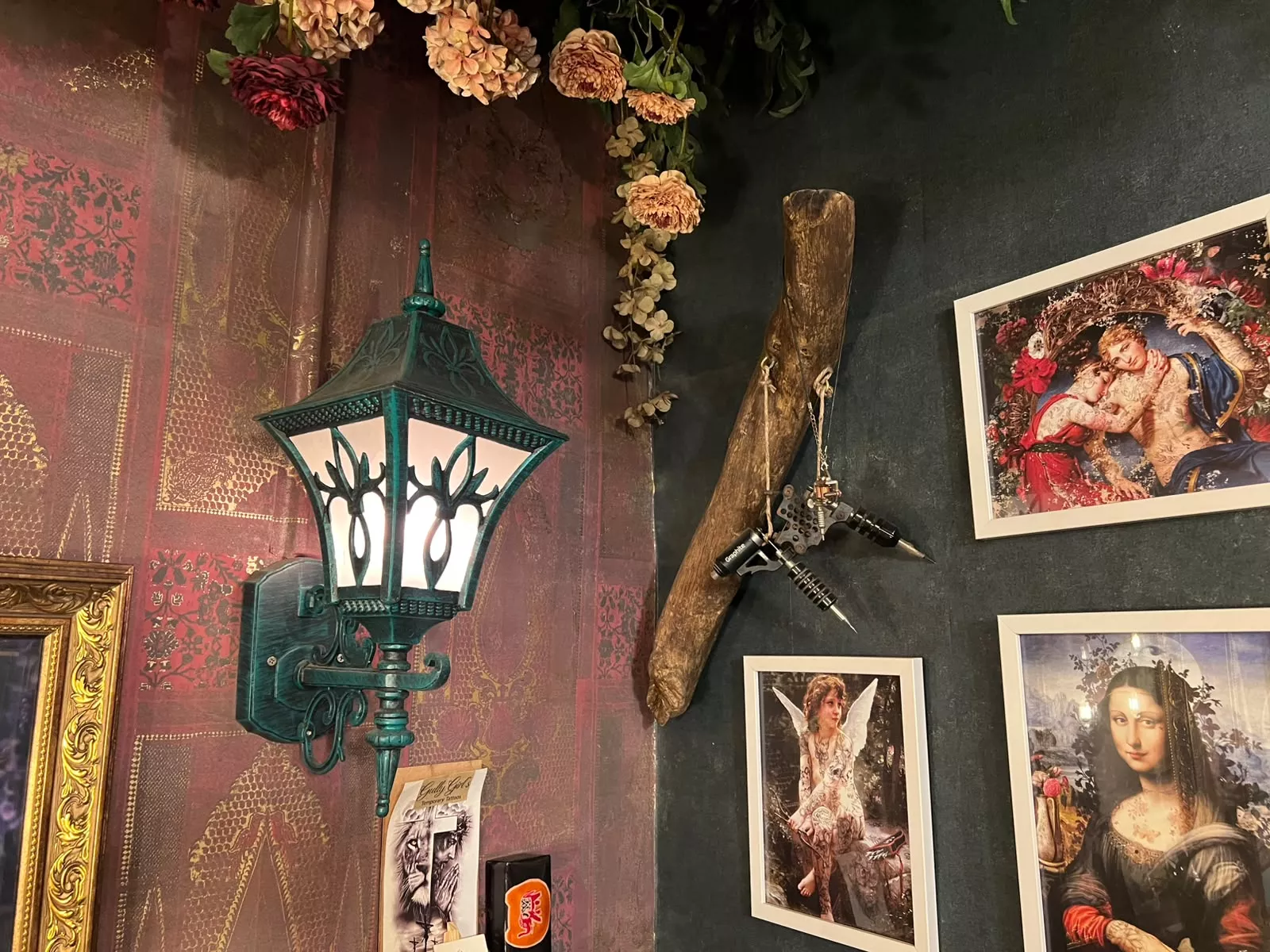
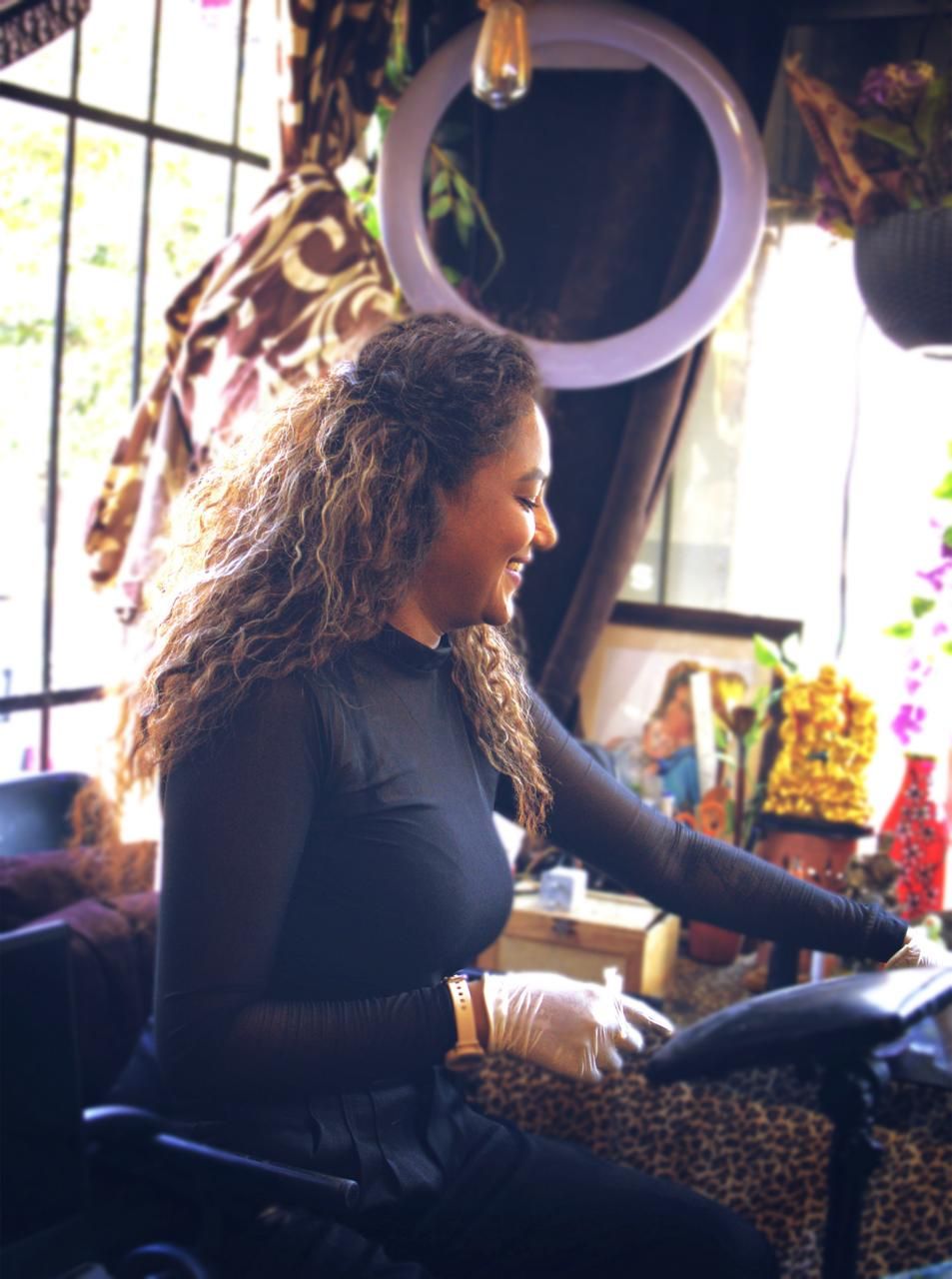
Five and half years later, she’s still here. Still a minority in the tattooing industry, she talks about the kind of scrutiny she has to face, something that male tattoo artists rarely have to think about. In tattooing school, she recalls being compared to her male counterparts and being told to be “less ambitious”, as she outpaced them in learning. She left the academy soon after and taught herself the rest, practicing on a skin pad or on her friends who were willing to lend a limb to her. She also speaks fondly of her other tattoo artist friends who constantly motivate her and whom she can turn to in the process of learning a new technique or style.
Her family has always been supportive of her choice; no one did art or tattooing professionally before her and yet no one questioned her for trying. She initially started her career out of her mother’s beauty salon and slowly built a client base there, one walk-in at a time and then saved enough money to open a studio of her own in Dharavi, first on 90 Feet Road and then in Sangam Gully. She says that despite having to prove herself more than her male counterparts, she trusts her skills and knows that other women feel more at ease with a female tattoo artist.
Her current studio, tucked away in Sangam Gully, is smaller and gets fewer walk-ins than the 90 Feet Road space did. But to Trissha, this is not a compromise in any sense of the word. She points to an uncle who runs a saree shop across the road, someone who keeps an eye out for her.
Yahan agar kuch galat hua toh 10 log meri madad karne aa jayenge.
Here, if something goes wrong, ten people will come to help me.
This kind of unspoken and reliable warmth of the community is the real reason why she hasn’t moved her studio to someplace with a bigger client pool. She believes Dharavi has the potential to grow into a place where her business and others like it, can continue to thrive.
A self proclaimed night owl, her days are characterised by flexible work hours. She usually opens shop at noon and works until 10 or 11pm on most days. Roughly 30% of her clients come from Dharavi and the rest from other parts of the city, either through word of mouth or social media. In order to diversify her income, she taught herself how to do piercings, which she now carries out professionally from her studio. She also does freelance tattooing when visiting family in Bangalore, Goa or Chennai. On days when bookings are slow, she organises art workshops for children and sells custom charcoal portraits on the side. Additionally, tucked beneath her tattooing equipment, is a shelf she pulls open to show me her side venture: Karuvaachi, a cotton saree business, with sarees sourced from Madurai.
The most requested tattoo designs, she tells me, are names of partners. She doesn't discourage people from getting them, though she's seen enough cover-ups to know how these things go. What she won't do is impose her own taste onto a client's skin.
End of the day vo khush rahe aur unhe koi regrets na ho
At the end of the day, they should be happy and have no regrets.
It's a philosophy that seems to guide most of what she does.
Religious symbols come up often too such as a trishul, a crescent or a cross. They sit side by side on her flash sheet without much fuss, the way faiths sit side by side on this street. When asked about a design that she hasn’t done yet but would love to do, she points giddily at a tattoo flash stuck on the wall - she recently had the opportunity to do a piece that she had often seen only foreigners do, an abstract sleeve with motifs. She hopes to do a full back tattoo in the future.
What frustrates her is the word “slum” being used to describe Dharavi, how it almost reduces or flattens all that it is. The word fails to capture the ecosystem it is: a place buzzing with life and activity, with people creating and surviving on their own terms. She feels disheartened when people disregard her or everything she has built here, simply with the excuse that “vo dharavi se hai”. Even people in Chennai, Bangalore or Goa visibly react differently when she mentions that she is from Dharavi.
Iss jagah ko mauka toh do tumhe galat prove karne ki.
Give this place a chance to prove you wrong.
She knows she can't undo anyone's preconceptions single-handedly, but strives to, with honest work, hopefully make people visit despite them.
Atleast ek client ka mann badal jaaye toh shayad vo ghar jaakar apne family ko bhi bata sake.
Even if one client leaves her studio and goes home to tell their family something different about Dharavi, she considers that a small victory worth having.
With redevelopment looming over all of this, the way it looms over most of Dharavi, Trissha is sure about what it might cost her. She is afraid that with the increase in rent she might not be able to afford to live in Dharavi any longer. There is also a cautious hope buried in her uncertainty.
Shayad hume yaha se jaana pade, lekin hopefully Dharavi ke taraf nazariya thoda badal jayega.
Maybe we’ll have to leave, but hopefully the way people see Dharavi will finally change.
If she does get to stay after the redevelopment, she pictures herself with a studio on the main road, charging what her work is actually worth; the kind of price that a tattoo artist in Bandra or Andheri wouldn’t be questioned about charging.
Normal insaan apna personal life chhod ke kya hi bada perspective rakh sakta hai.
What big perspective can an ordinary person really hold, beyond their own personal life.
She acknowledges that we are small players in a much bigger game. A modest thought, for someone who has slowly been creating a small but steady shift in how a handful of people think about this place. She hopes people can come together to build a better future for Dharavi.
People involved
Related articles
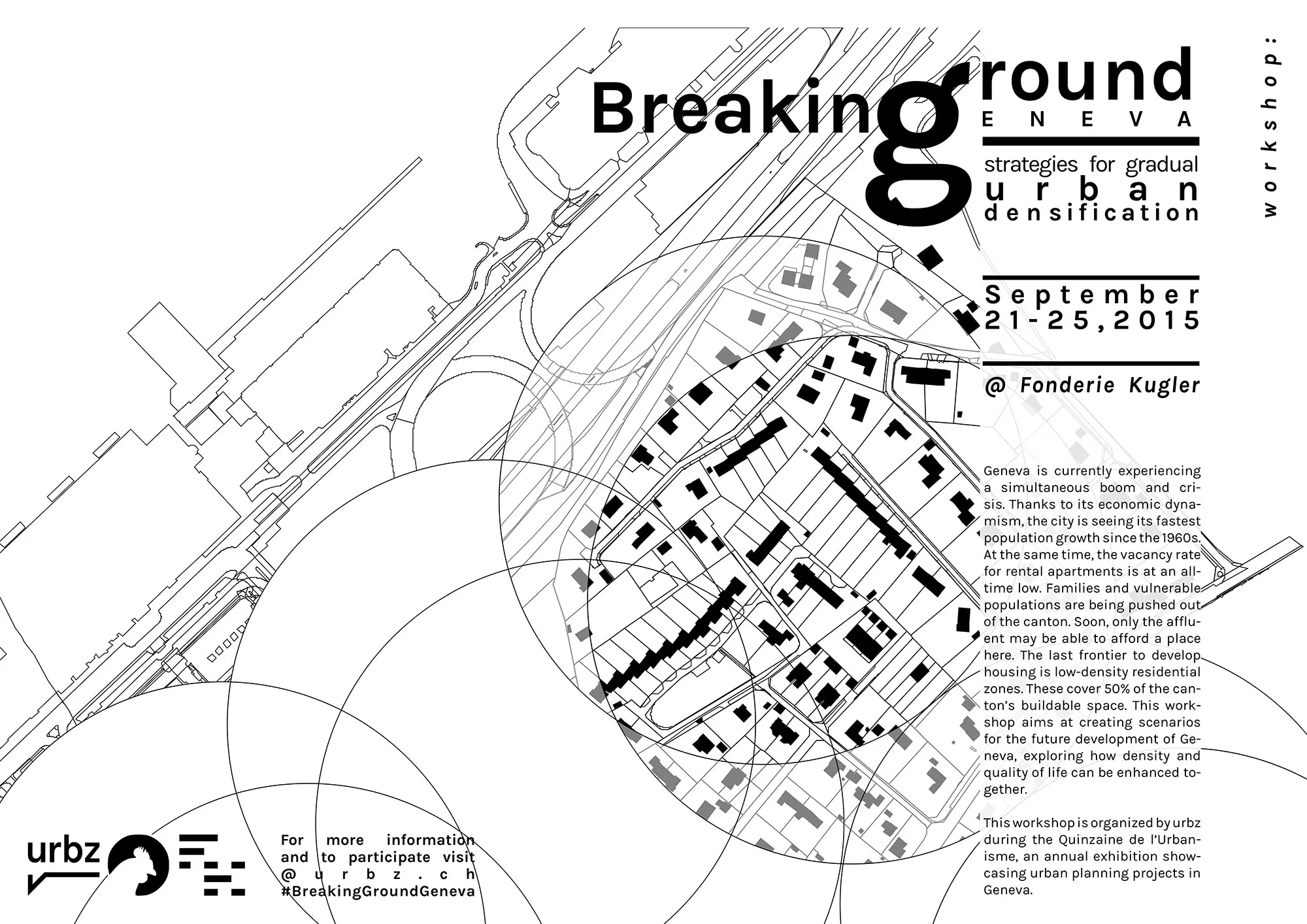
The Breaking Ground Workshop in Geneva involved some interesting comparisons with density levels in Mumbai. Learnings from one space were strong inputs in discussions at another.
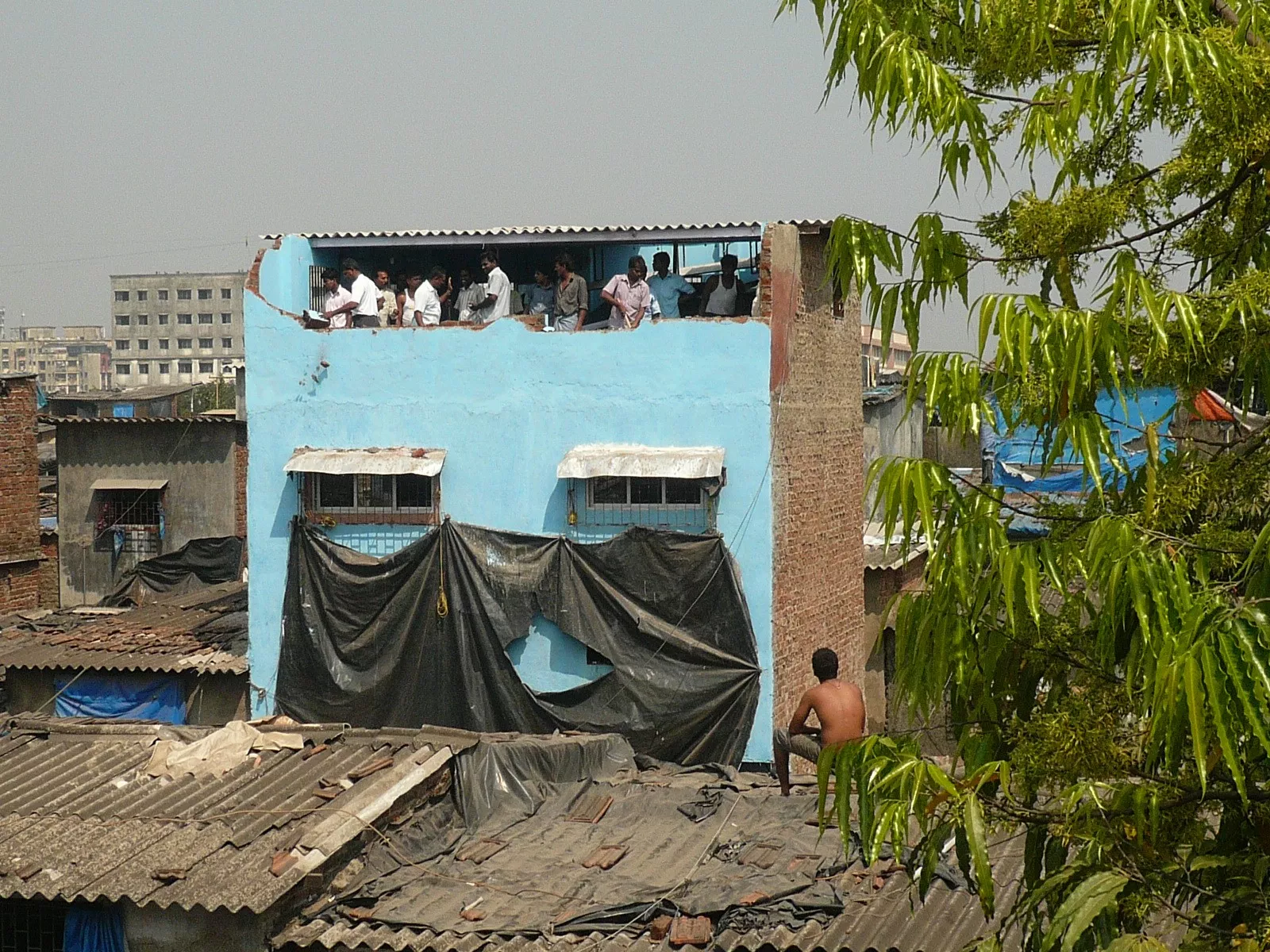
Drooging around the informal economy, exploring the city’s streets that are dedicated to the production of goods and objects
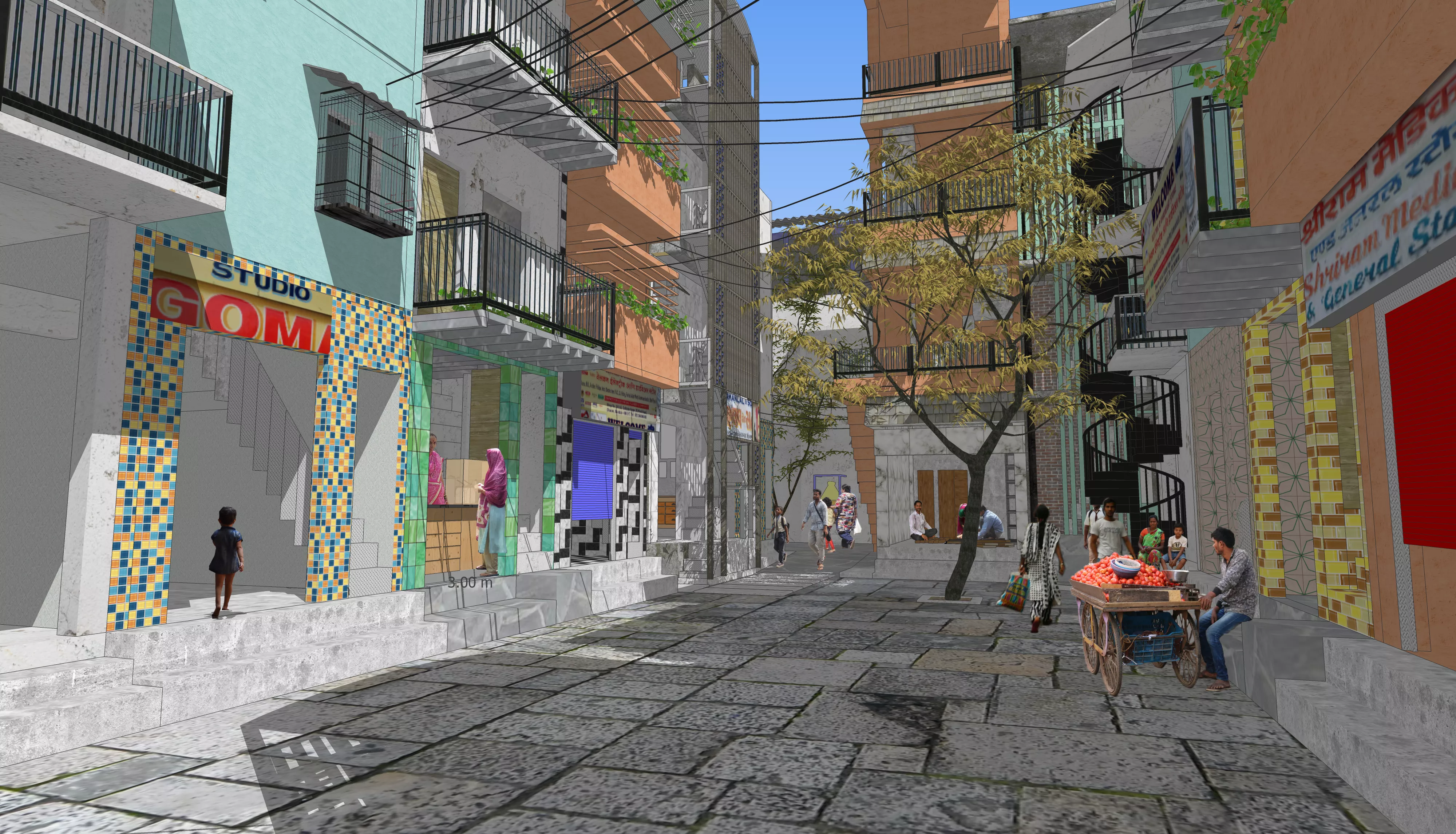
This animation presents what Dharavi could look like if it was allowed to continue develop incrementally. All designs in the video were conceived by contractors living and working in Dharavi, Mumbai, as part of the Design Comes as We Build project.

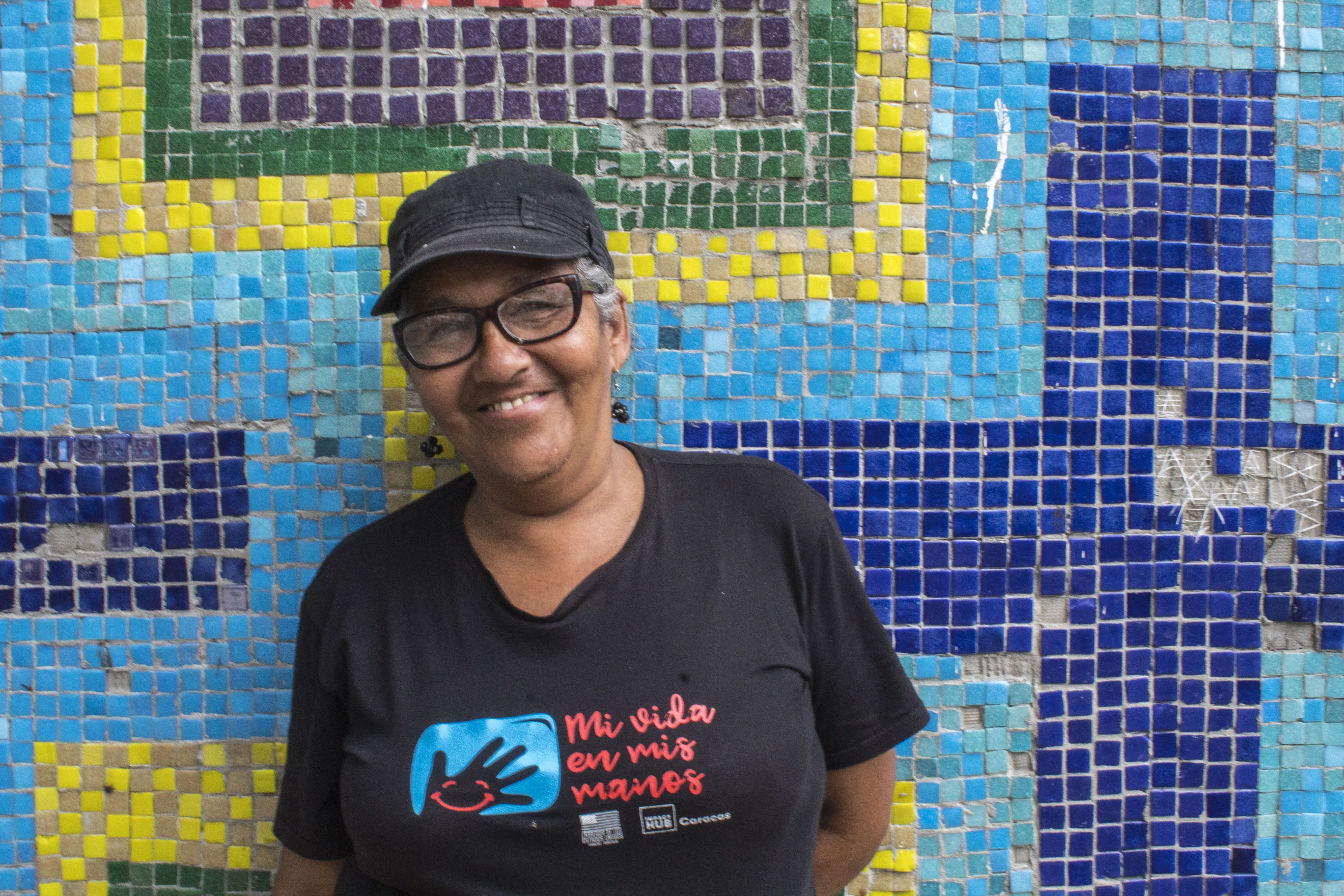
This series of articles seeks to shed light on the origin of the unplanned settlements that are home to more than half of Caracas’s population, but whose stories have never been told. Multiple inhabitants were interviewed and shared their stories of struggles, overcoming hardships, constant improvement and self governance that are the origin of unplanned settlements in Venezuela.

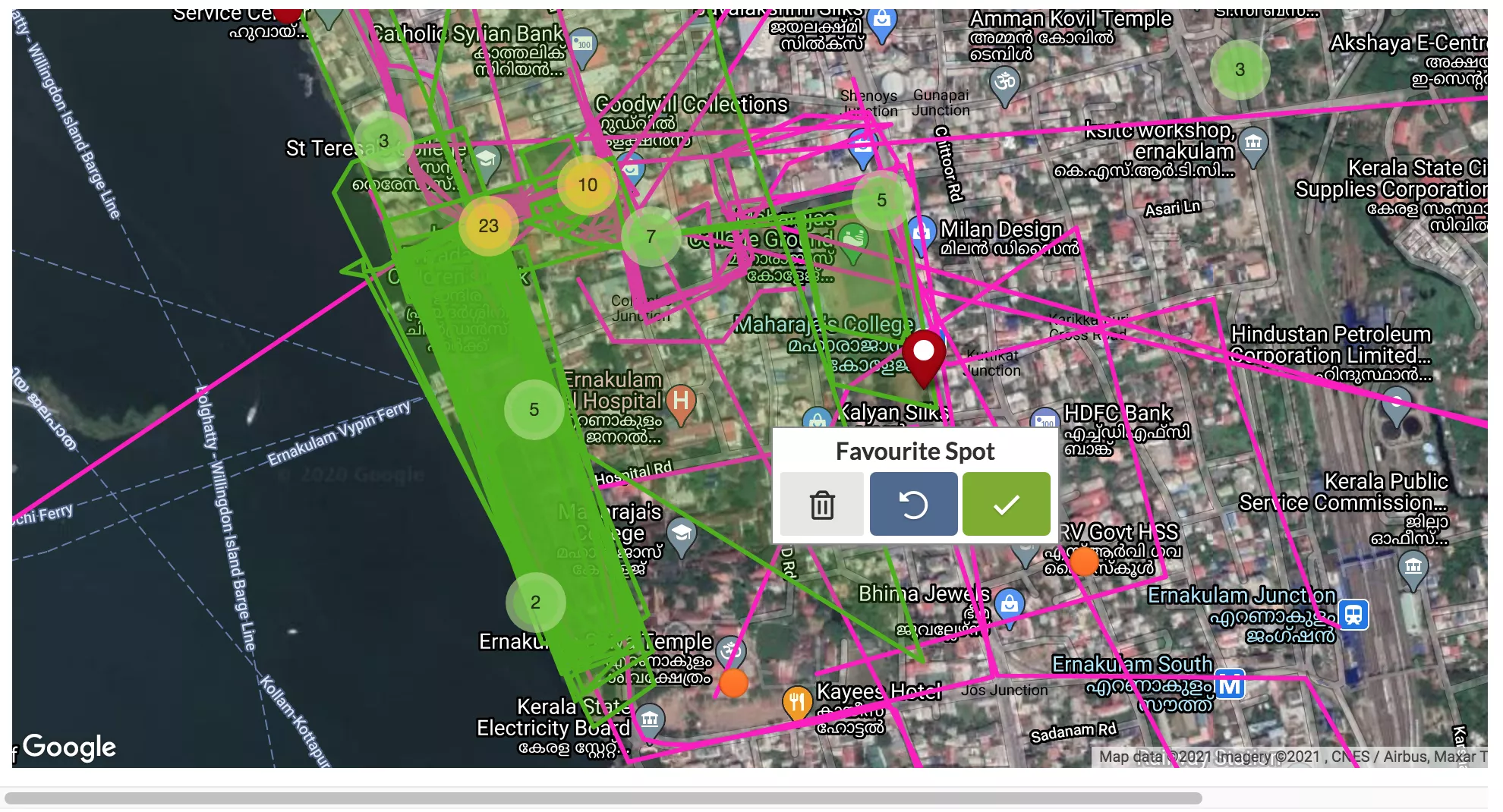
The urban design competition EnteKochi 2020 focused on integrating a participatory approach within the planning process for the city of Kochi. The competition was planned for, announced and conducted during the pandemic induced nation wide lockdown. This article provides a glimpse of the process.

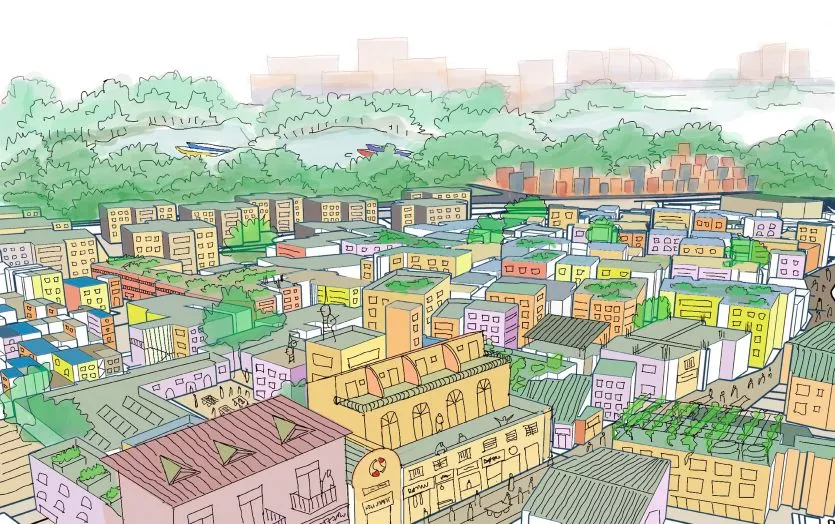
This article presents the Koliwada in Dharavi through the evolution of its built and natural environment, tracing the Koli's fight for their land, how the community is leading the development of their neighbourhood and our role in it.

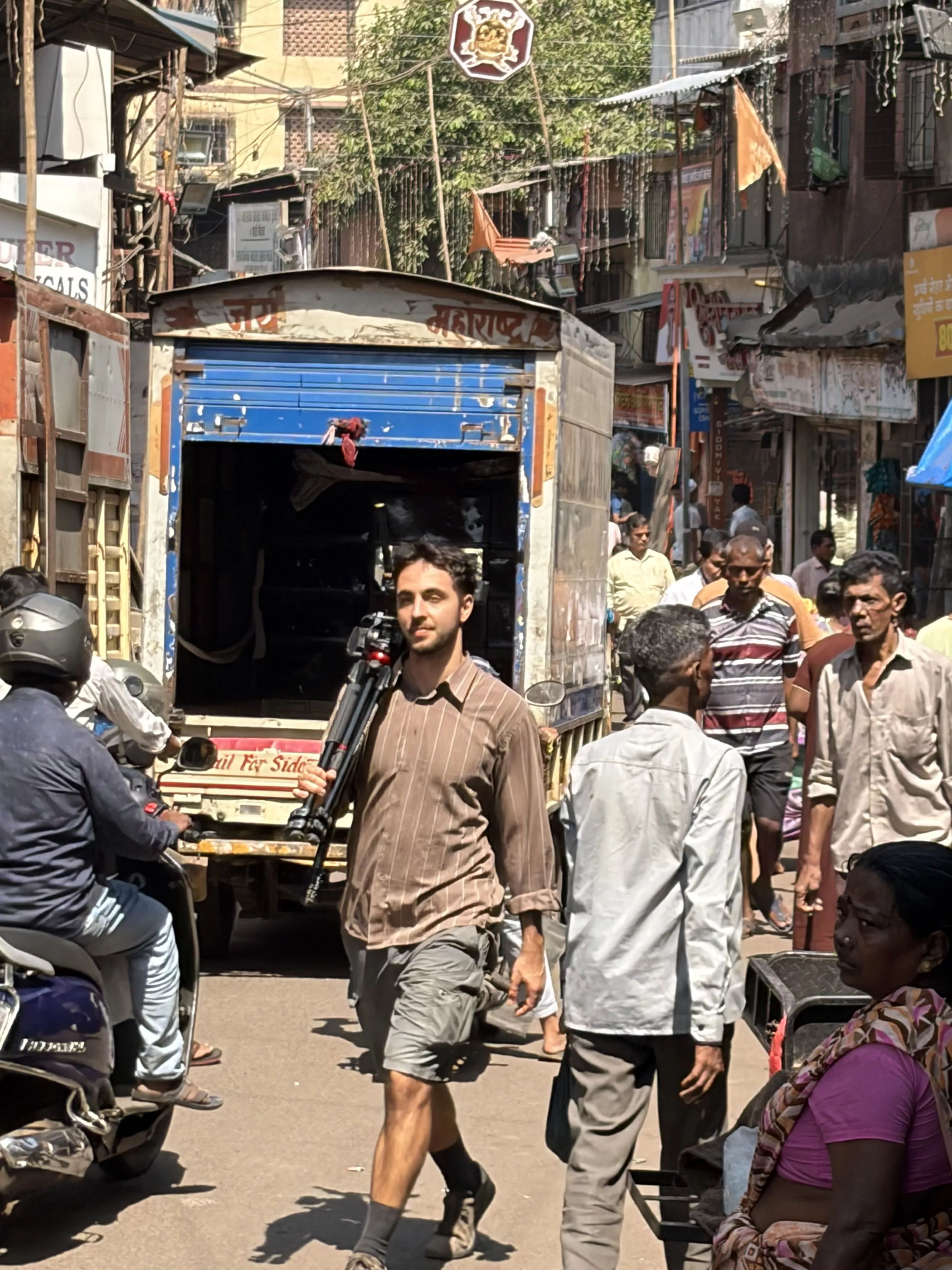
An interview with Liron Shalit, our filmmaker-in-residence. He is an award-winning documentary filmmaker focused on social issues, human rights, and ethical urbanism. Recently, the urbz office hosted a screening of his film Living Euljiro that traces the neglected losses of those living within a centuries-old district of maze-like alleys at the heart of Seoul (Synopsis). We speak to him about his craft, his lessons from Euljiro, and his time here in Dharavi.
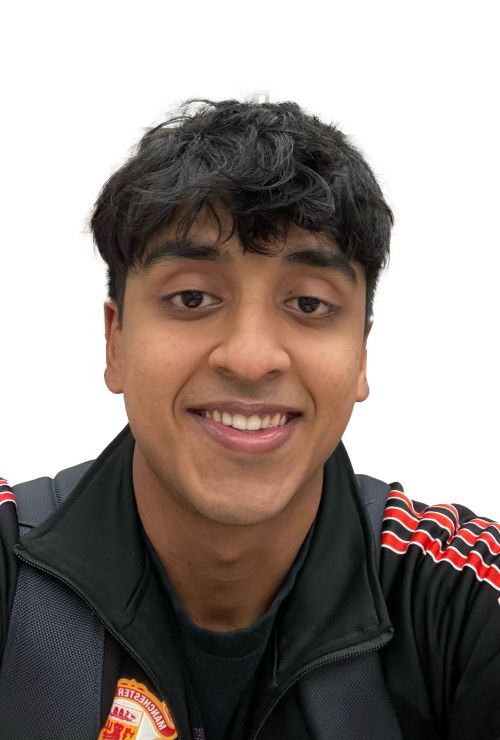
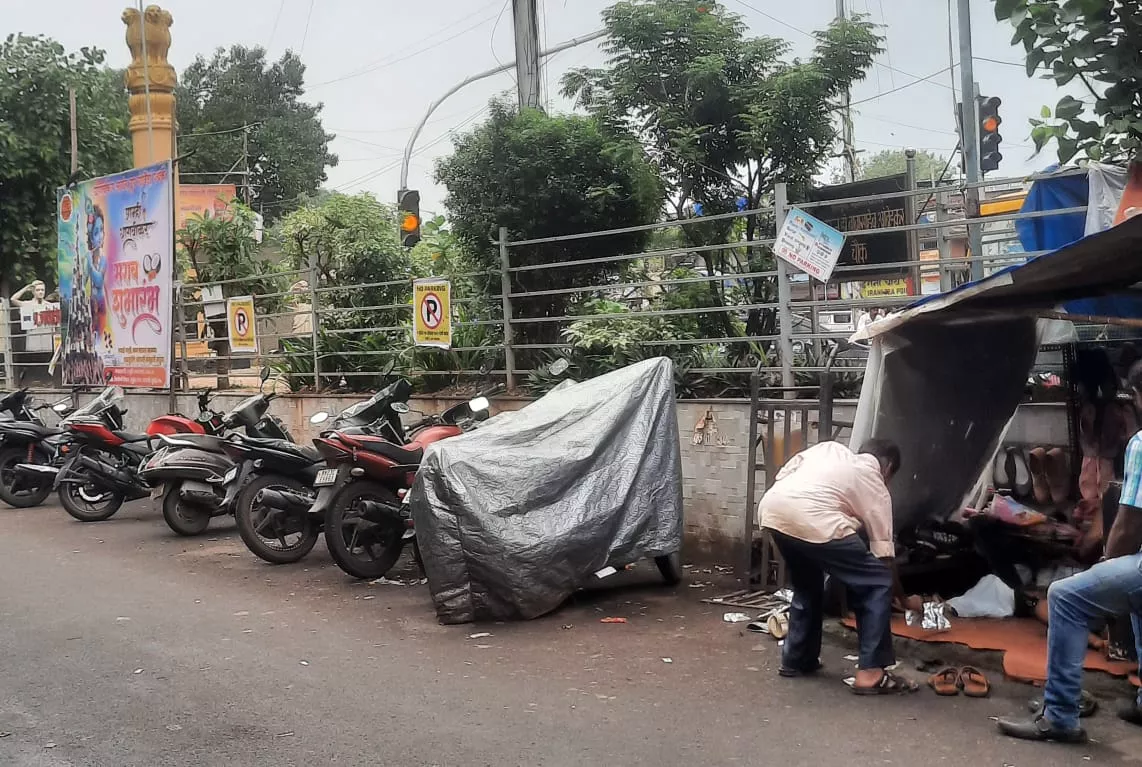
Shankar Jadhav, a 61-year-old cobbler, defies caste boundaries beneath Samvidhan Square. With calloused hands, a love for books, and quiet resilience, he mends shoes, nurtures a square, and challenges the invisibility imposed by society: one stitch, one flower, one act of dignity at a time.
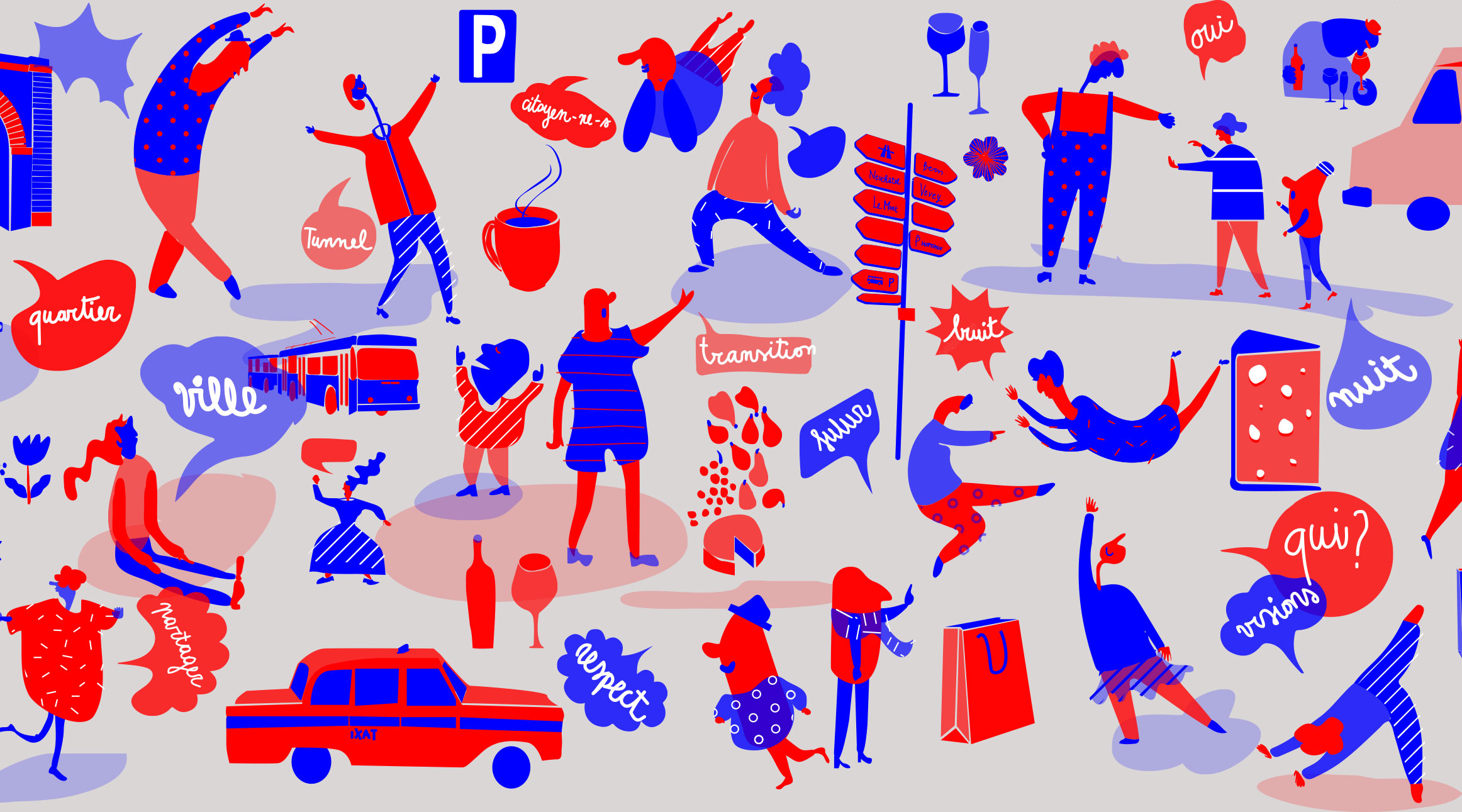
The Hôtel-Dieu in Nantes: a fictional process to a citizen-inspired approach