Living Euljiro: Movie Screening
Authors
Authors

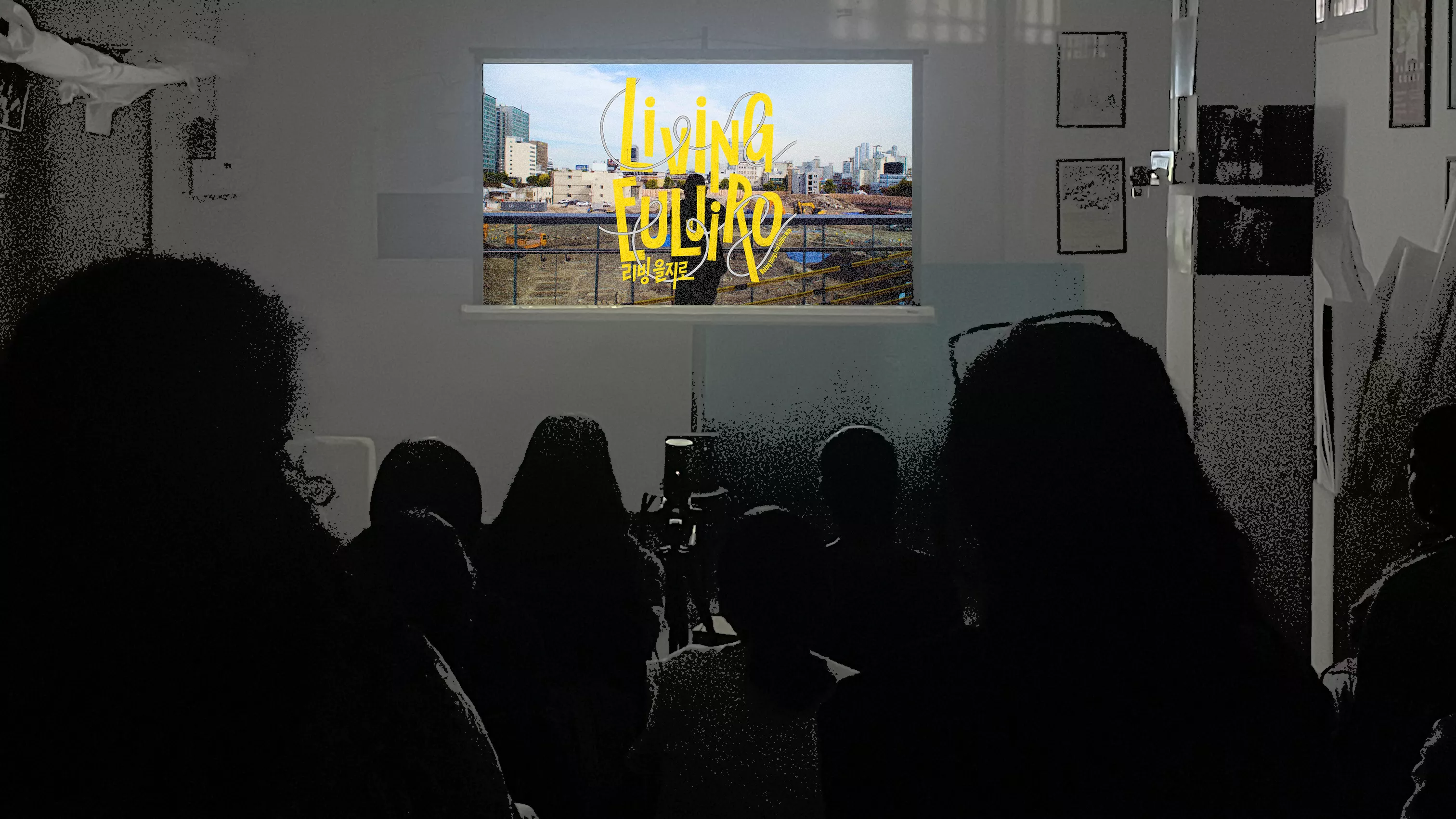
Living Euljiro: Movie Screening
Authors
Authors
A Screening of Living Euljiro by Liron Shalit in the urbz Office
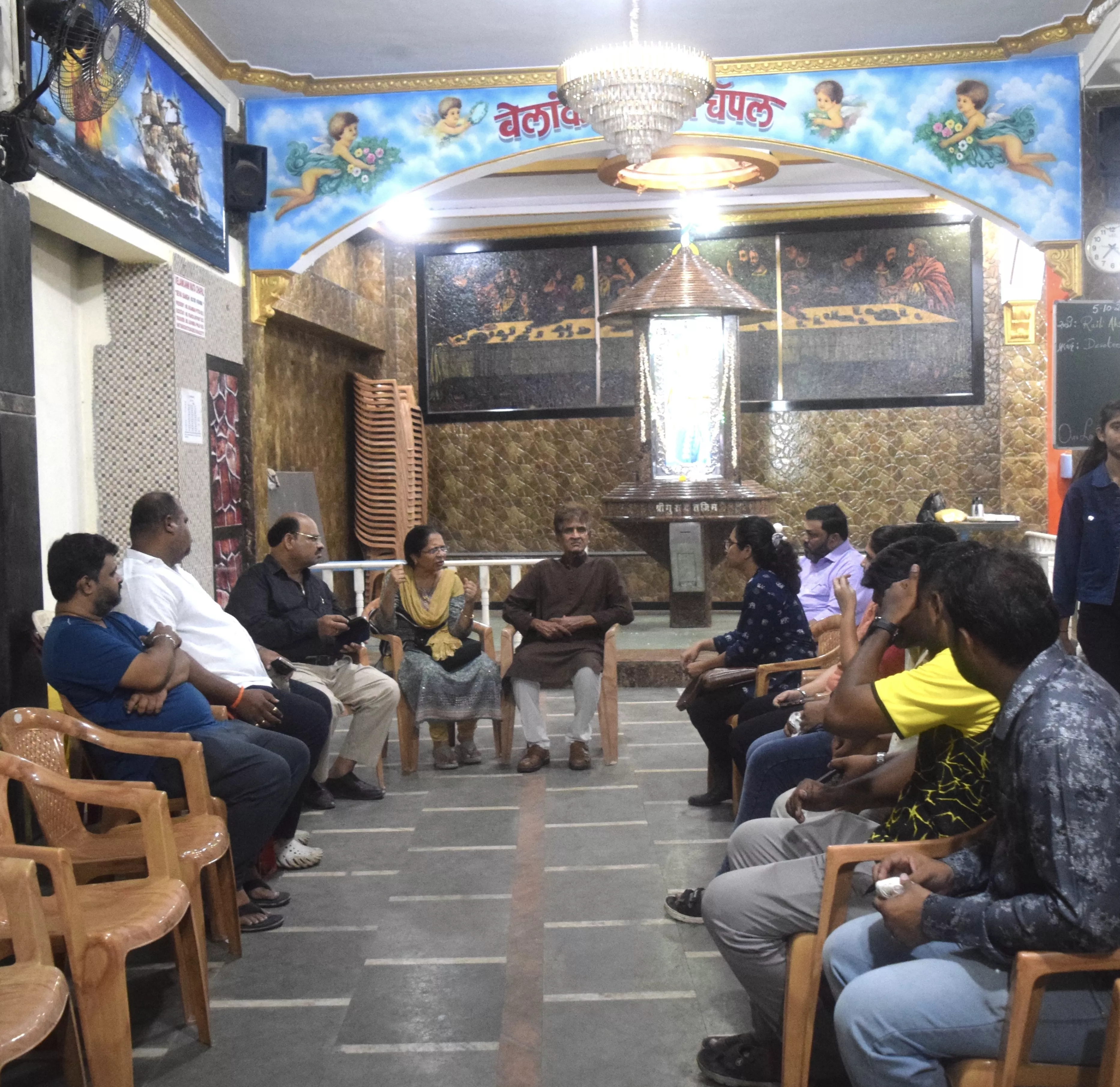
For most of a hot and sticky Friday, the AC-cooled urbz office was turned upside down for a public screening. This was no “massy”, overacted Bollywood flick that characterises films today. Instead, it was a damning diagnosis of prevailing urban tropes mixed in with love, belonging, and melancholy, as the best films do. What’s more? We had the film's director present the film and engage in a Q&A with the audience afterwards.
The film, Living Euljiro, directed by Liron Shalit, explores the hidden losses faced by the people of Euljiro as they undergo massive redevelopment. Located in the heart of Seoul, Euljiro’s alleys have over 600 years of history dating back to the Joseon Dynasty, when it developed near key commercial and administrative quarters of the capital. In the modern era, it became a dense manufacturing hub, home to tightly knit networks of printing presses, metal workshops, tool merchants, and small-scale fabricators that powered Korea’s industrial growth. Over the past decade, its gritty alleyways have gradually attracted artists, café owners, and entrepreneurs who’ve repurposed old buildings into creative venues for new ideas while still coexisting with the factories and shops that remain.
As part of the Seoul master plan, close to 50,000 people in Euljiro are expected to lose their livelihoods, with thousands of people who have already had to relocate since the start of demolition in 2018.
Through the eyes of Liron, an international filmmaker drawn to its charm, the film captures the beauty of the century-old alleys and the deep relationships formed with residents whose lives are being upended. Through a mosaic of voices, the film moves beyond a simple story of gentrification, capturing the tensions between progress and erasure. It becomes a meditation on memory, identity, and the quiet acts of those determined to survive.
So what is Liron doing here? Why here? He has been our filmmaker-in-residence and has spent nearly a month in Dharavi, Koliwada. During his time here, he has been documenting the participatory urbanism process that urbz specializes in. And through this, he has captured the making process of a variety of artisans - welders, leatherworkers, metalworkers, blockprinters, etc. Furthermore, he has followed the livelihoods of Koli fishermen in Worli. I asked Liron a little more about why he came to Dharavi, and this is what he had to say -
So what brought me to Dharavi, to urbz in particular, is that after the film, I was very sad because most of the original [Euljiro Neighbourhood] was demolished. And so I wanted to search for maybe a group of people who are doing things differently from how things were done in Seoul. And to learn from them. What it means to work within the community, what it means to build within the community. And that's how I found urbz, and I decided to come here for a month to do this exchange. My skills are documenting, being a filmmaker, and telling stories. And at the same time, I'm very interested in the subject. So it was a very natural way of coming together, and for everyone to gain some value in the process.
Together, we can start sharing new stories about this incredible area as well. Of course, here is like 10 times bigger than what Euljiro ever was, and people live here, which is also slightly different because people don't live in Euljiro that much anymore.
The film, in many ways, felt like a mirror held up to Dharavi. The demolitions, the displaced livelihoods, the planner's cold arithmetic applied to living, breathing neighbourhoods, these were not uniquely Korean stories. They were uncomfortably familiar. Foreshadowing the soon-to-be upheavel of Dharavi, even. And yet, the film quietly insists that these places do not simply wait to be planned. They evolve. The "live, work, play" framework, so neatly packaged in some consultant's presentation, already exists here, not as a design prescription, but as something that has been arrived at organically. It happened over generations, through necessity and ingenuity. The architect who parachutes in with a master plan risks erasing what took a century to grow. Liron's methodology offers a different posture: surrender to the neighbourhood first. Document. Listen. Let the place speak before you presume to reshape it.
The film ended with contemplative silence, but soon Liron brought the group back to life by initiating a round of questions. What followed was a fascinating discourse bringing together the two worlds of Euljiro and Dharavi. The audience was a mix of architects, urban planners, fashion designers, students, and school-goers.
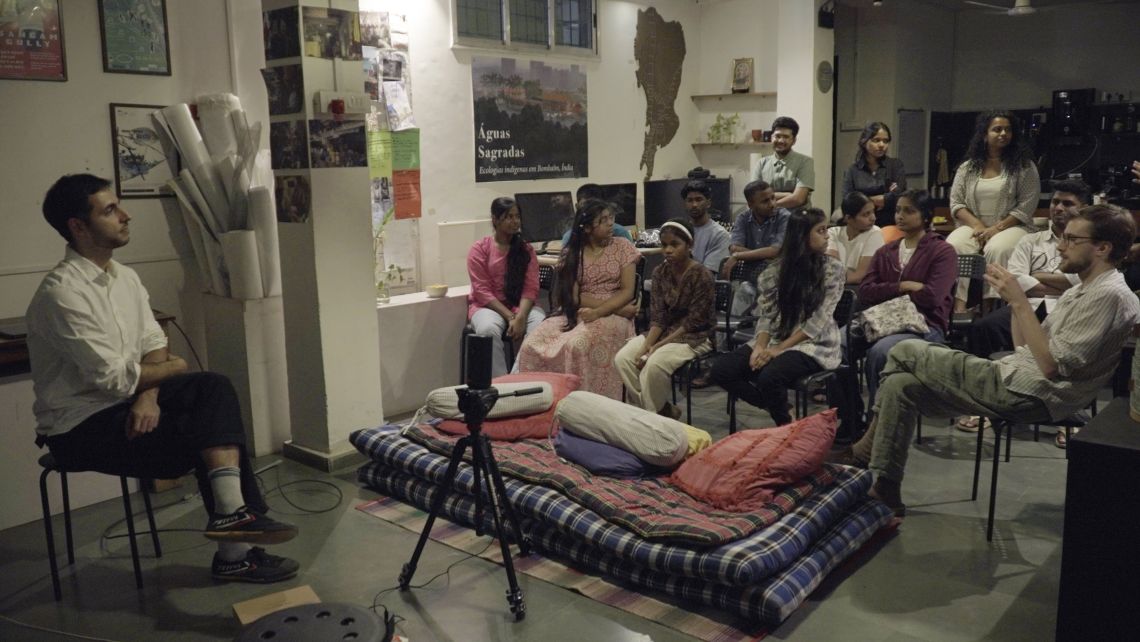
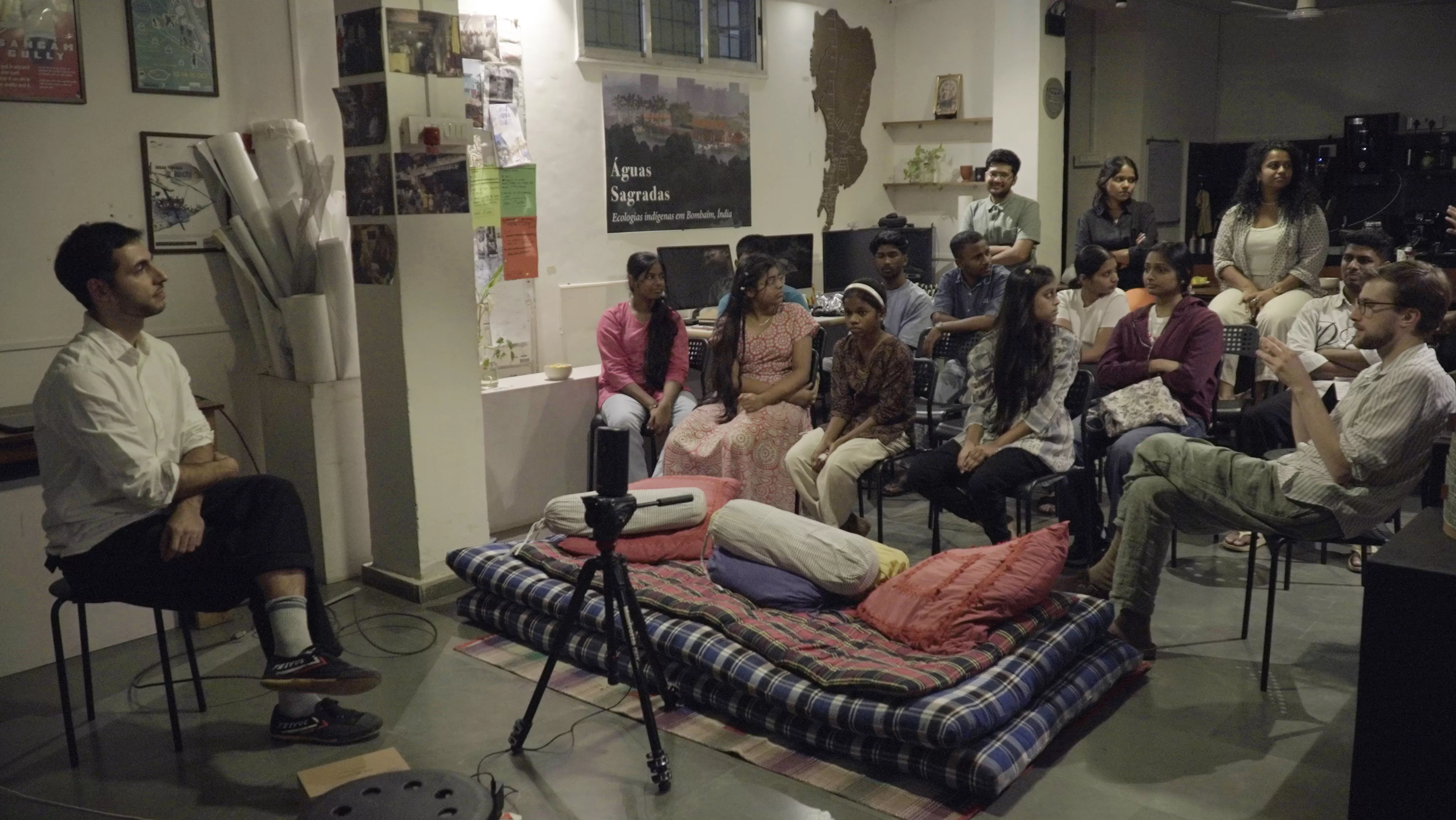
Henry Skupniewicz, head of the design lab at Godrej, noticed that the stakeholders [workers] were well organised and connected among themselves, but there was no apparent connection with the planners and city administrators. And questioned whether the people themselves were unaware of what was going on? Liron told us that it was anything but. That the people understood the role of Euljiro within the city's workings. The workers weren't particularly opposed to development, but they were opposed to the redevelopment process. They were not given proper prior notification, and the centuries' worth of troves of knowledge weren’t being accommodated in the future.
Kareena, of urbz, added, jokingly, that, from knowing him for the past few weeks, Liron was otherwise funnily camera-shy, and questioned his choice to insert himself into the documentary. Liron told us that he felt like he needed something to “tie it all together”, a stakeholder whose observations joined to create a continuous narrative. I found this to be an interesting potential framework, as someone pursuing architecture. I wondered if there was a way for architects and urban planners to situate themselves within projects, in a way similar to Liron's methodology, which focuses on surrendering and then collecting and documenting stories. That may be that the “designed” was only a different medium to express those same stories.
Kareena urged Rohan, the founder of Dharavi’s homegrown designer brand, DFC, to consider whether he could relate to the stories shown in the documentary. Rohan emphasised that “people on the outside don’t usually value neighbourhoods like Dharavi” and that before attempting to form solutions right off the bat, they should come and see, try to understand.
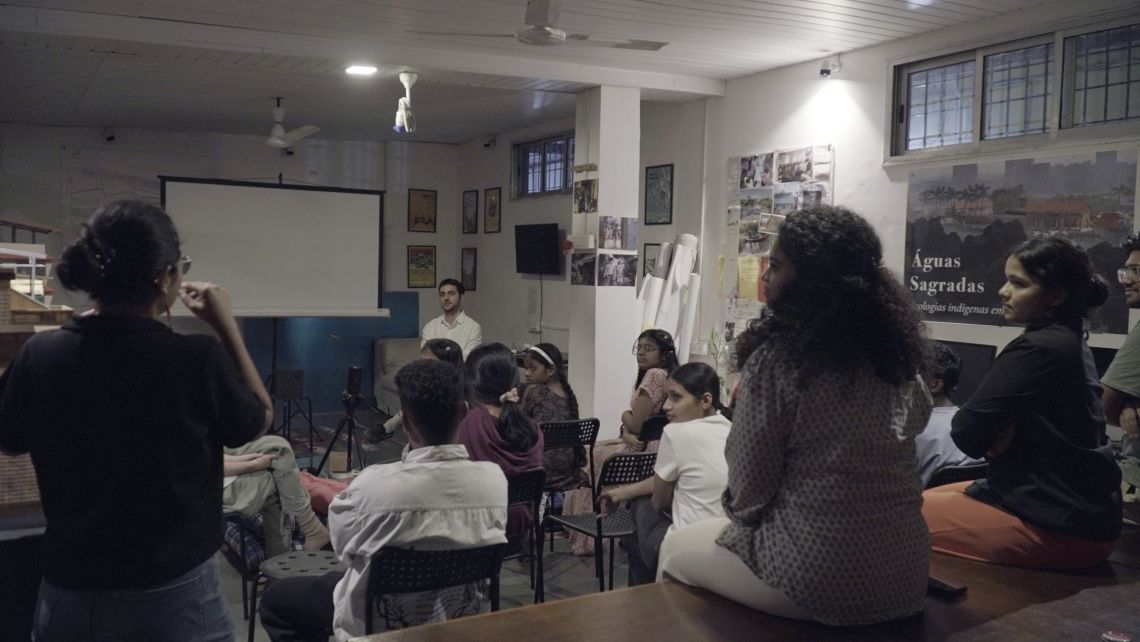
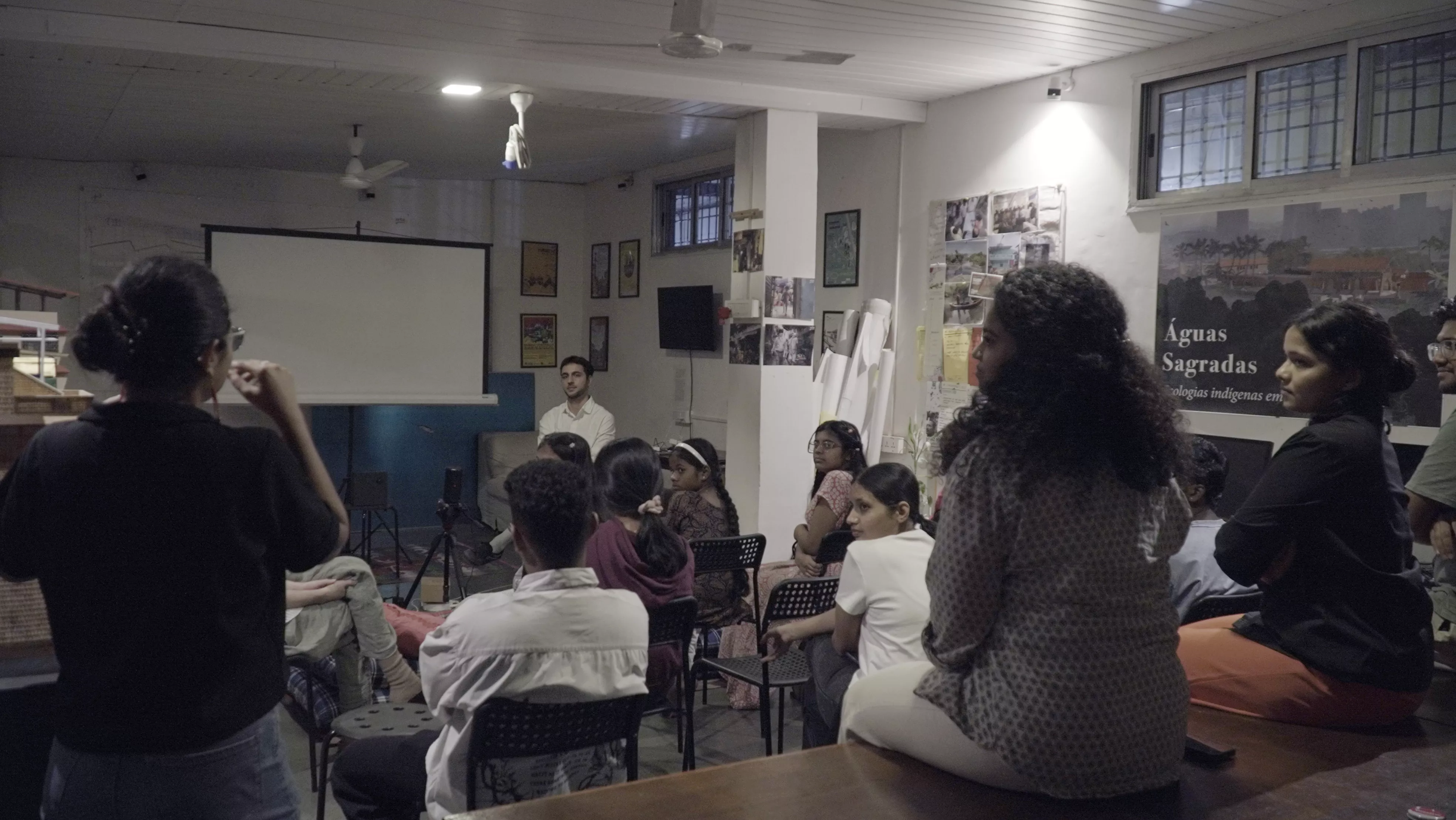
Samidha, of urbz, asked: What did Liron feel when the planner imposed a vision on the people he was starting to become friends with? His role was to be objective. But on the inside, he told us he was upset. His expressions in the film even changed. They morphed into some sort of anger, and the planner, in response, was only superficially apologetic. Some of us were confused by this expression: that someone responsible for so much destruction was saying sorry so meekly and didn't seem to feel anything. How casually was this planner referring to the destruction on such a large scale? He was making plans for 2040 and 2050, but with no consideration for the people of today and the next.
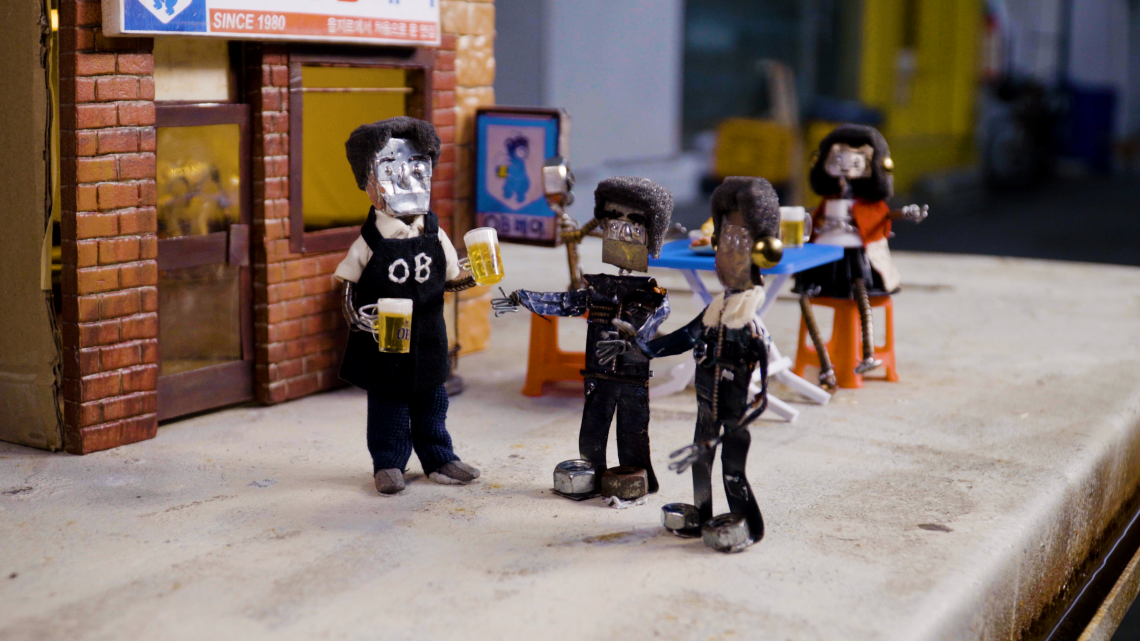
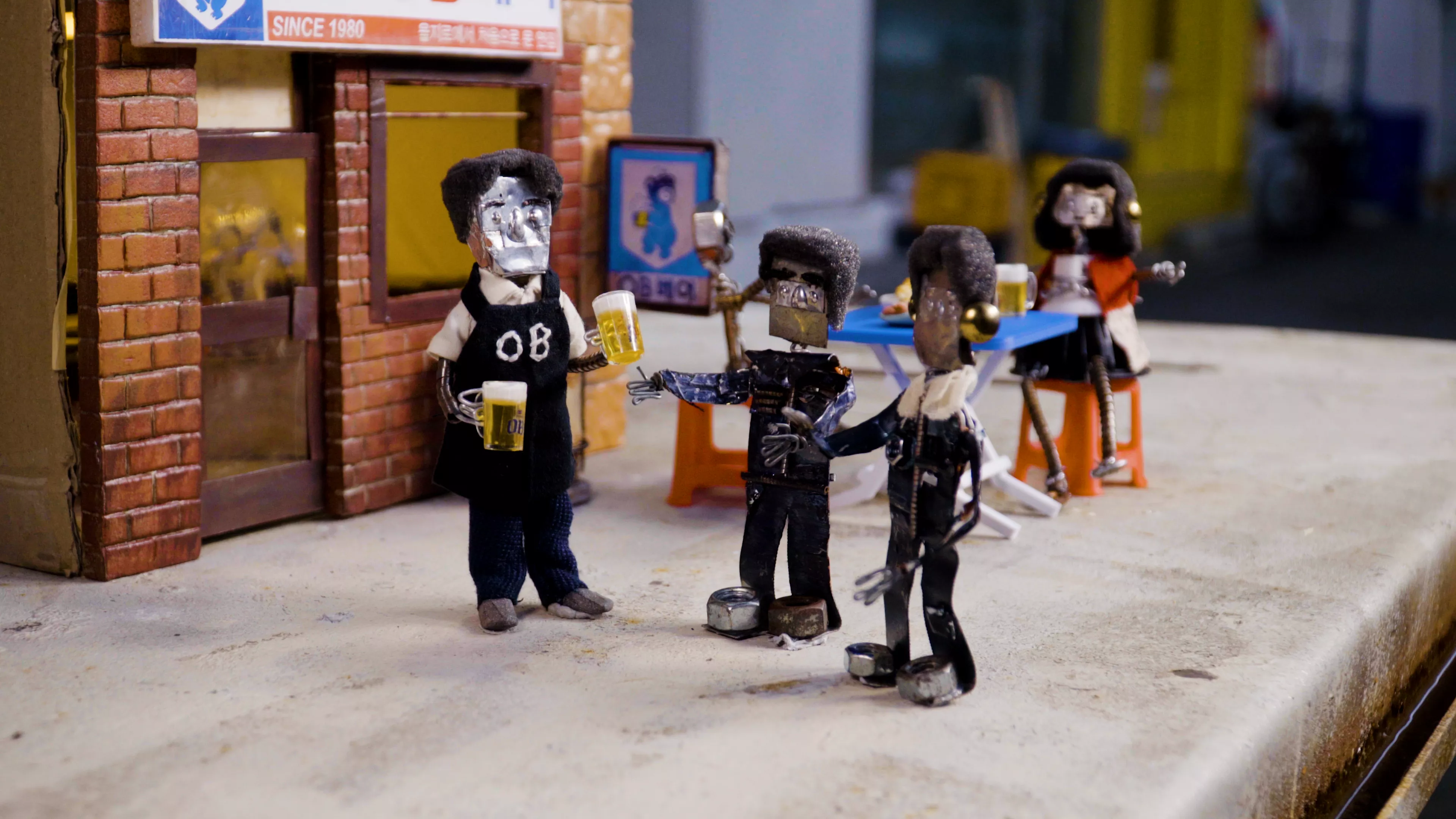
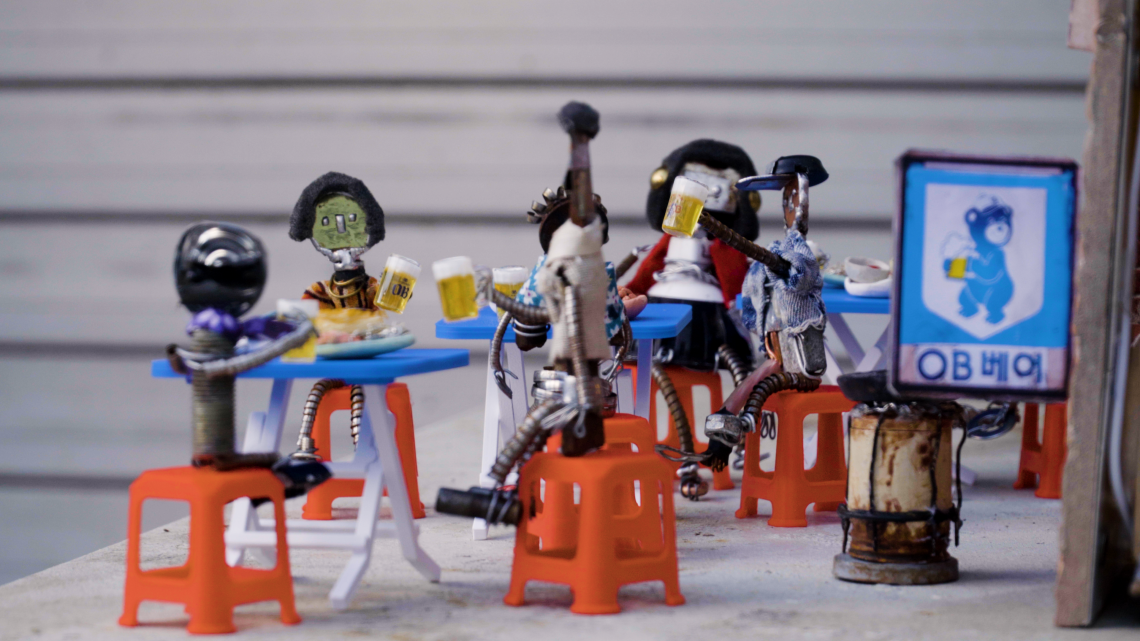
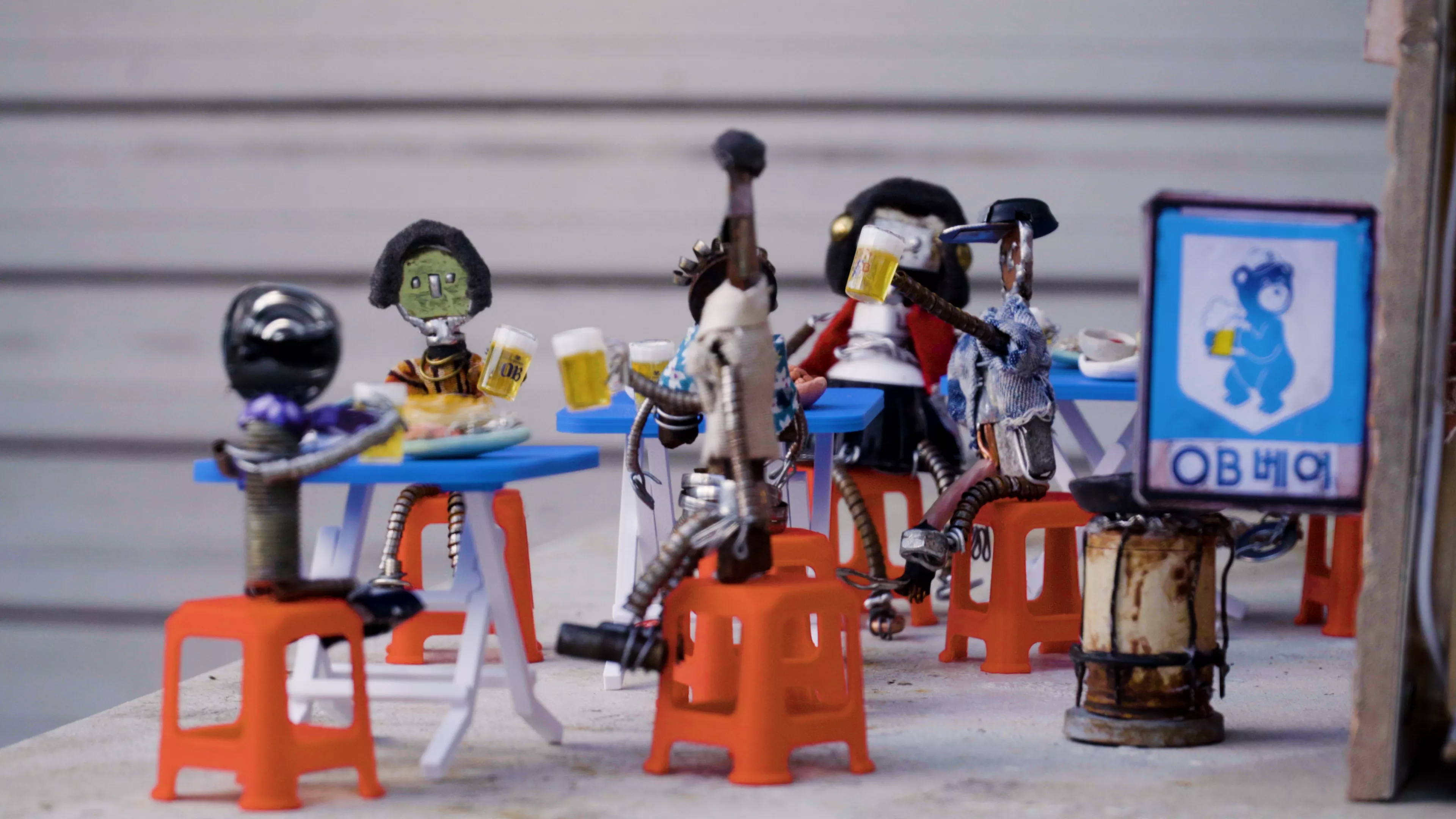
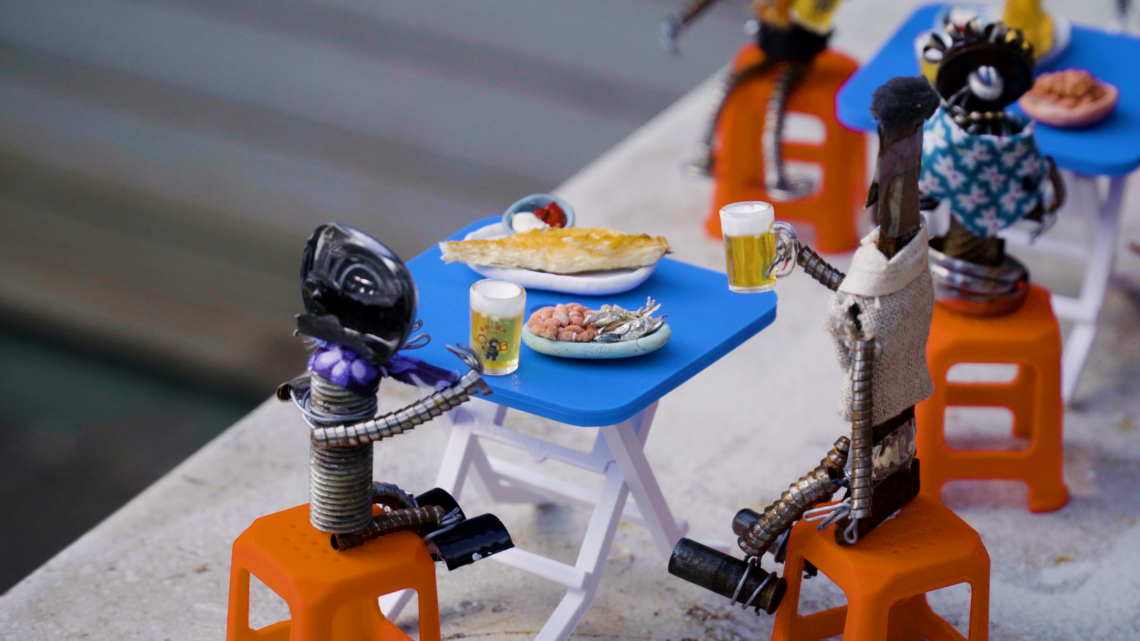
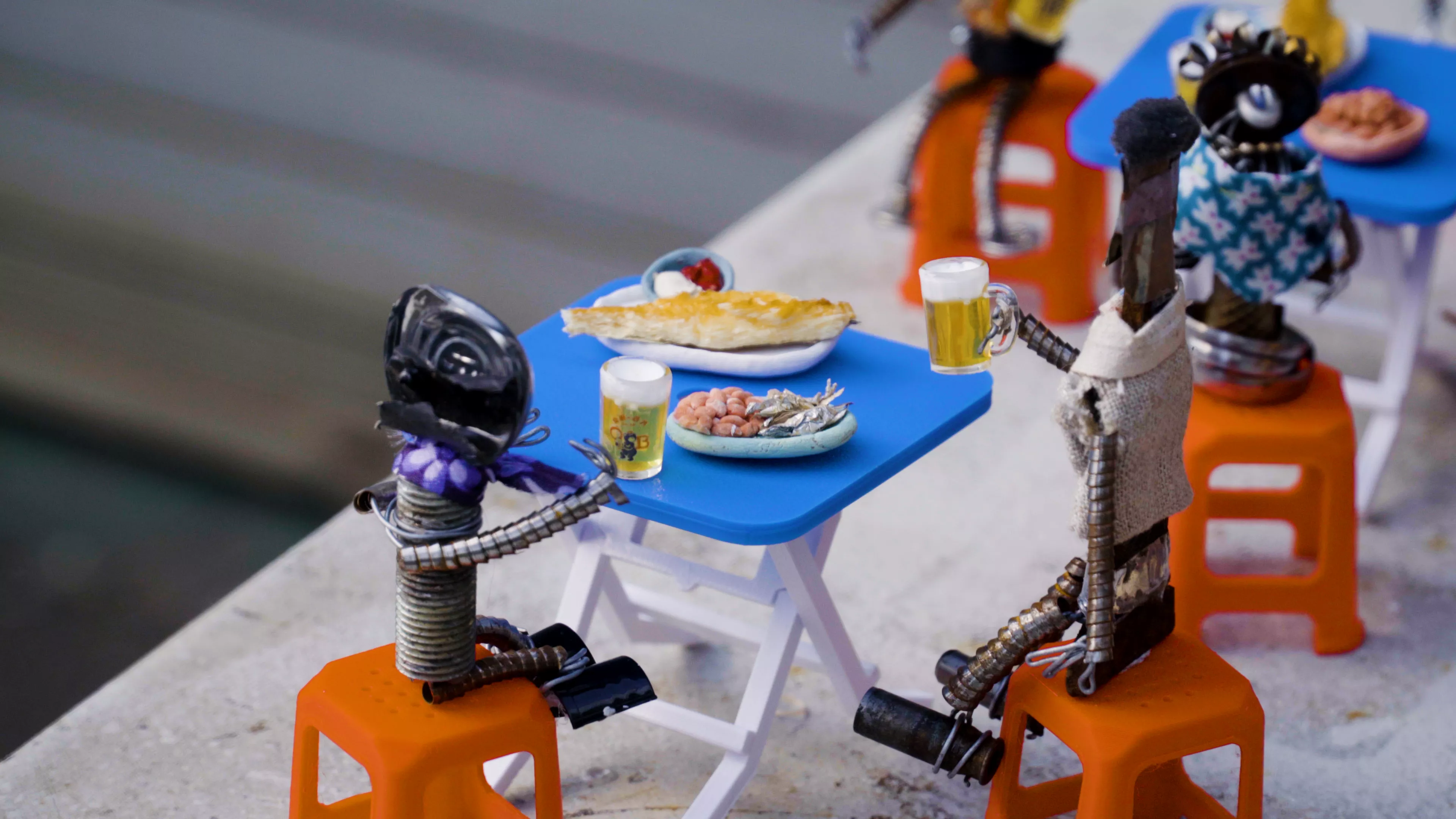
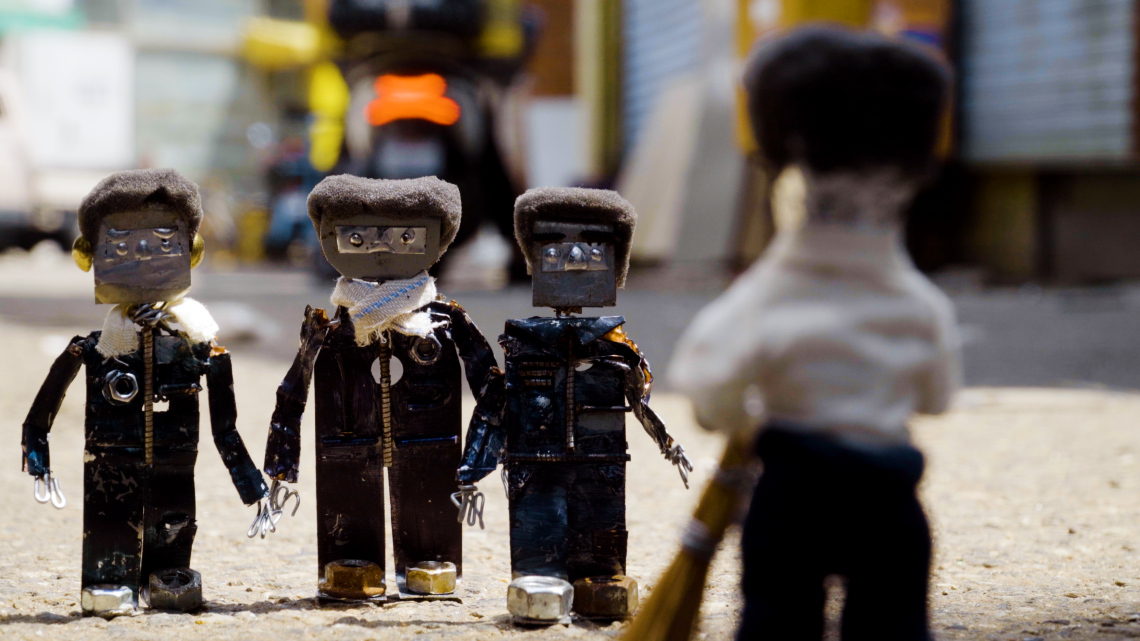
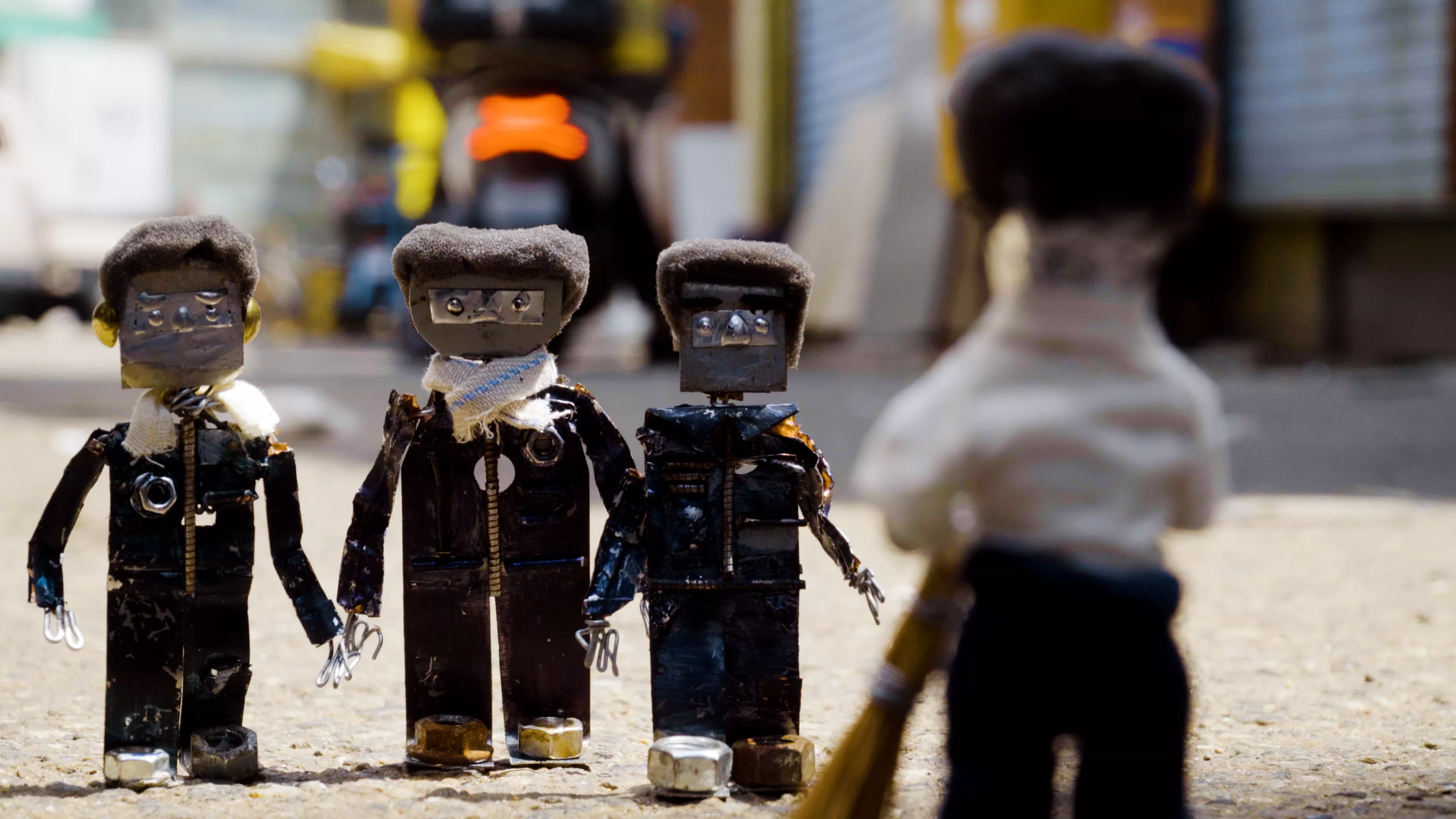
Paarth, an intern at urbz, was curious about a sequence in the film that makes use of toys, custom-made action figures of some sort, to tell the story of a space that was an important part of this documentary. “The realization and treatment of the idea feels very different, tonally, to the rest of the documentary, and it tells the story beautifully. I just wanted to know what sparked the idea to use that specific approach, and why it felt like the right way to capture that space and its stories.”
Liron shared that the figures were made from scrap and discarded metals found in nearby alleys, and that they were created by an artist based in Euljiro. This helped tell the story of a bar, Eulji Ob Beer, which was difficult to film due to limited space. The space, however, was significant to the story, and some magic was required to make the storytelling's impact felt. This led Liron to collaborate with local Euljiro workshops to craft custom figures, recreating the bar in miniature. “This approach allowed us to weave a touch of 'documentary magic' into the film, using a fantastical lens to reclaim and tell the story of a space that no longer exists in the physical world."
People involved



Related articles
The Dharavi Koli Jamaat Trust has been entrusted the responsibility to address socio-economic and spatial challenges in Dharavi for the Koliwada community. The Dharavi Koli Jamaat Trust is a functional example of urban local bodies promoting grass-root level governance with a community centric approach.

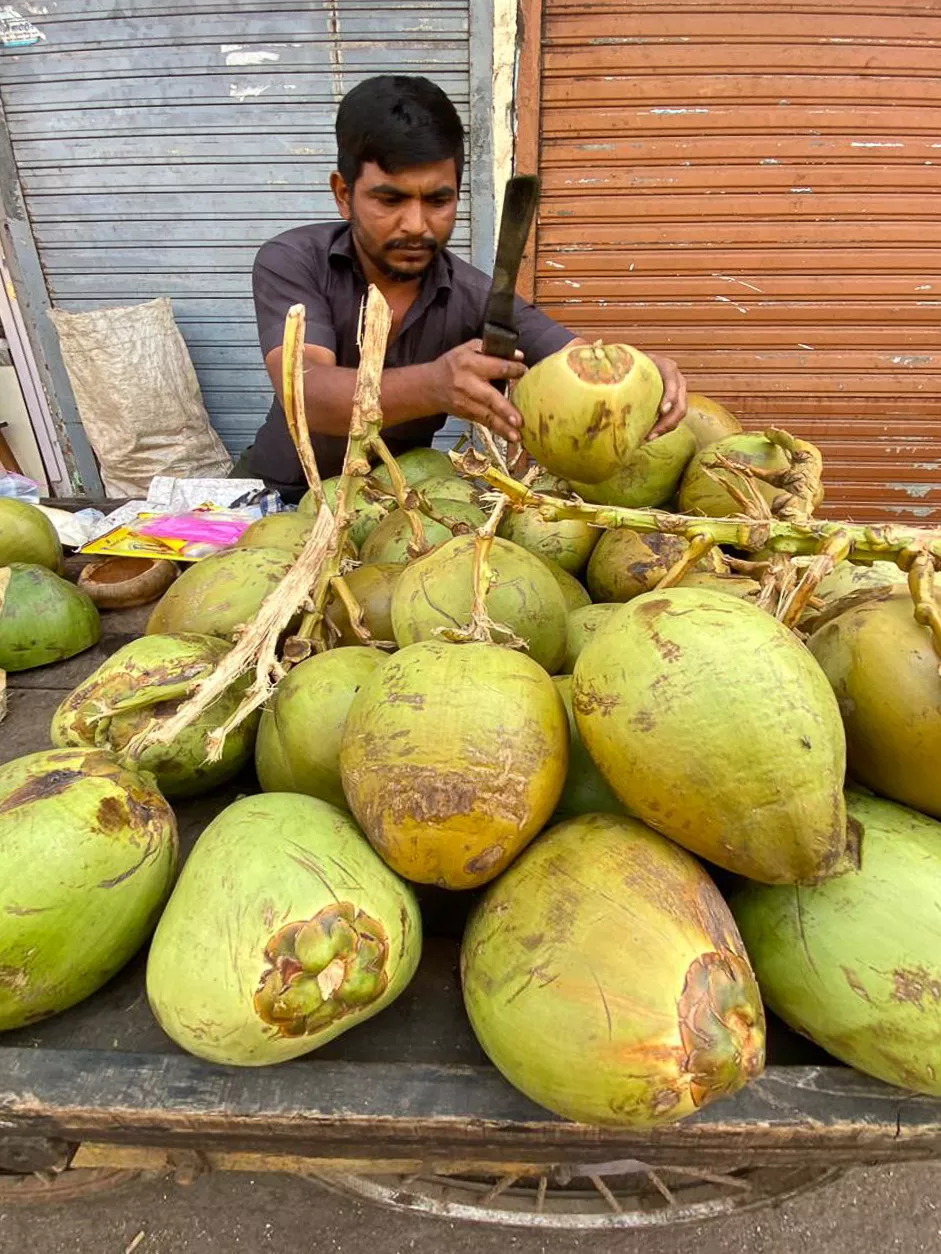
As the title suggests, Life Got Better with Coconuts for Kausar Shaikh. He came to Mumbai 15 years ago, leaving his family farm in Jharkhand, because he was not keen on agriculture and was seeking a different path. Seeing other migrants from his region successfully start small businesses gave him the confidence to leave years of unstable work in Mumbai behind and become a thriving coconut vendor in Dharavi.



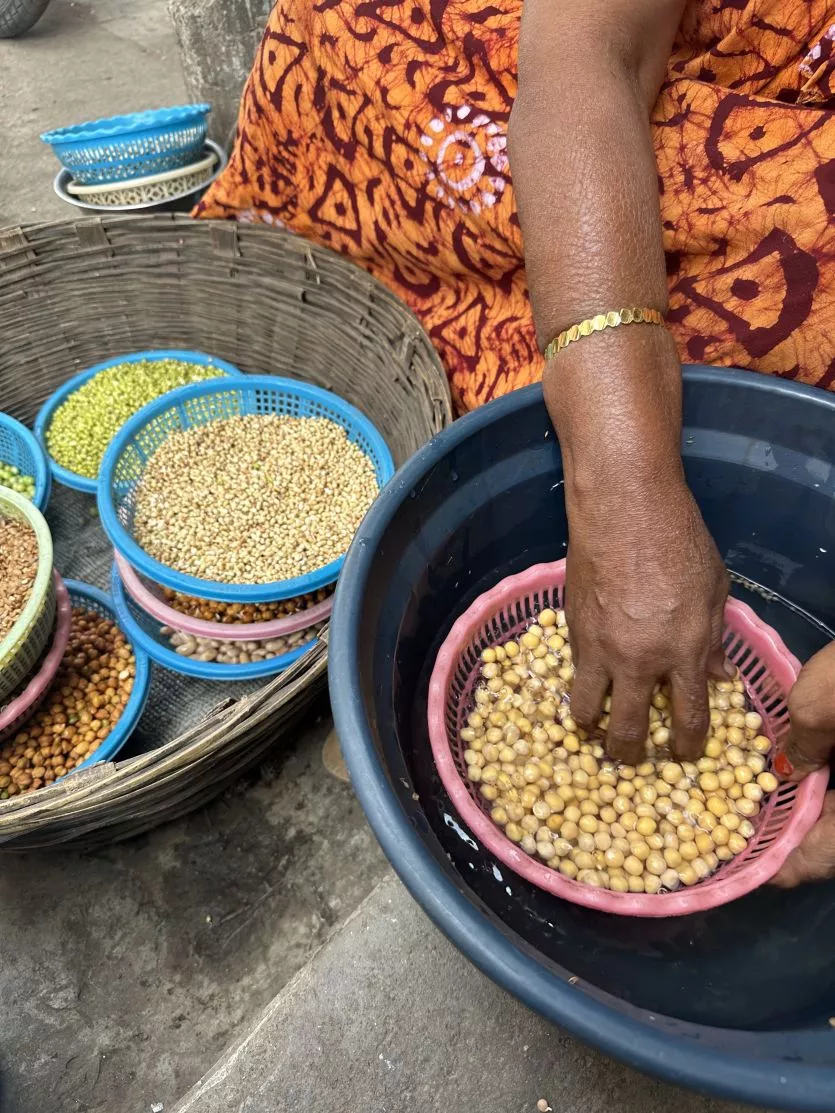
Pushpa has been living in Dharavi since she was born. Our day starts with her bright smile as she sells pulses right outside the urbz office. We recently had a little chat with her.

As the title suggests, Life Got Better with Coconuts for Kausar Shaikh. He came to Mumbai 15 years ago, leaving his family farm in Jharkhand, because he was not keen on agriculture and was seeking a different path. Seeing other migrants from his region successfully start small businesses gave him the confidence to leave years of unstable work in Mumbai behind and become a thriving coconut vendor in Dharavi.
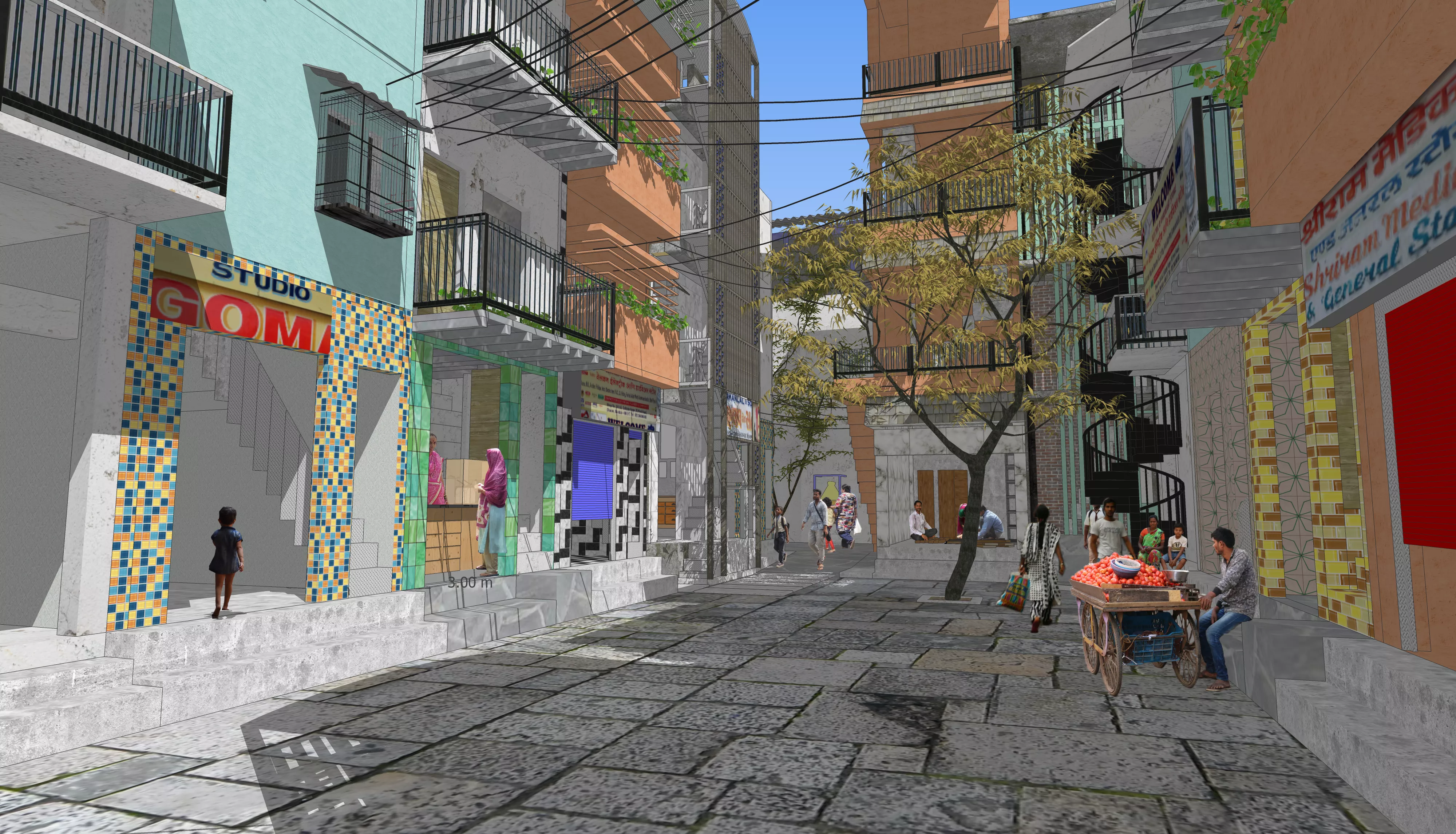
This animation presents what Dharavi could look like if it was allowed to continue develop incrementally. All designs in the video were conceived by contractors living and working in Dharavi, Mumbai, as part of the Design Comes as We Build project.

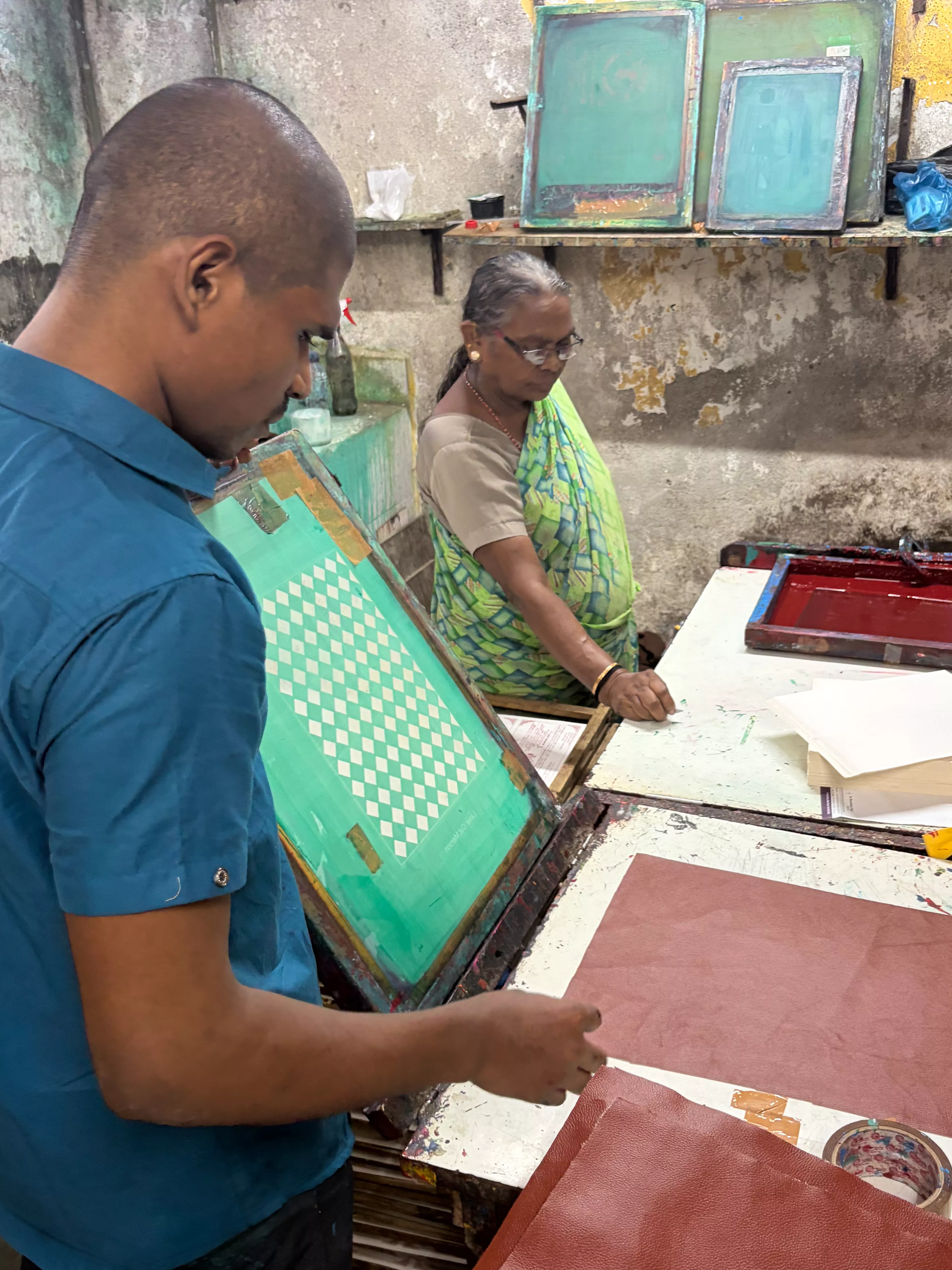
In a lane off the bustling 90 Feet Road in Dharavi, there is a tiny studio dedicated to all types of screen printing. Laxmi and Mani are an unlikely duo that expertly handle the screenprinting needs of customers across the city. They talk to us about a lifetime spent in the industry.

Residents keep intervening and changing their homes in the process of living, and this contributes to conservation
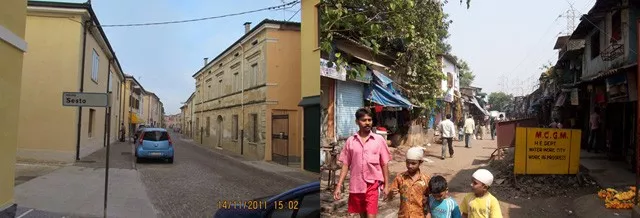
Similarities between urban villages in Mumbai and Italy.
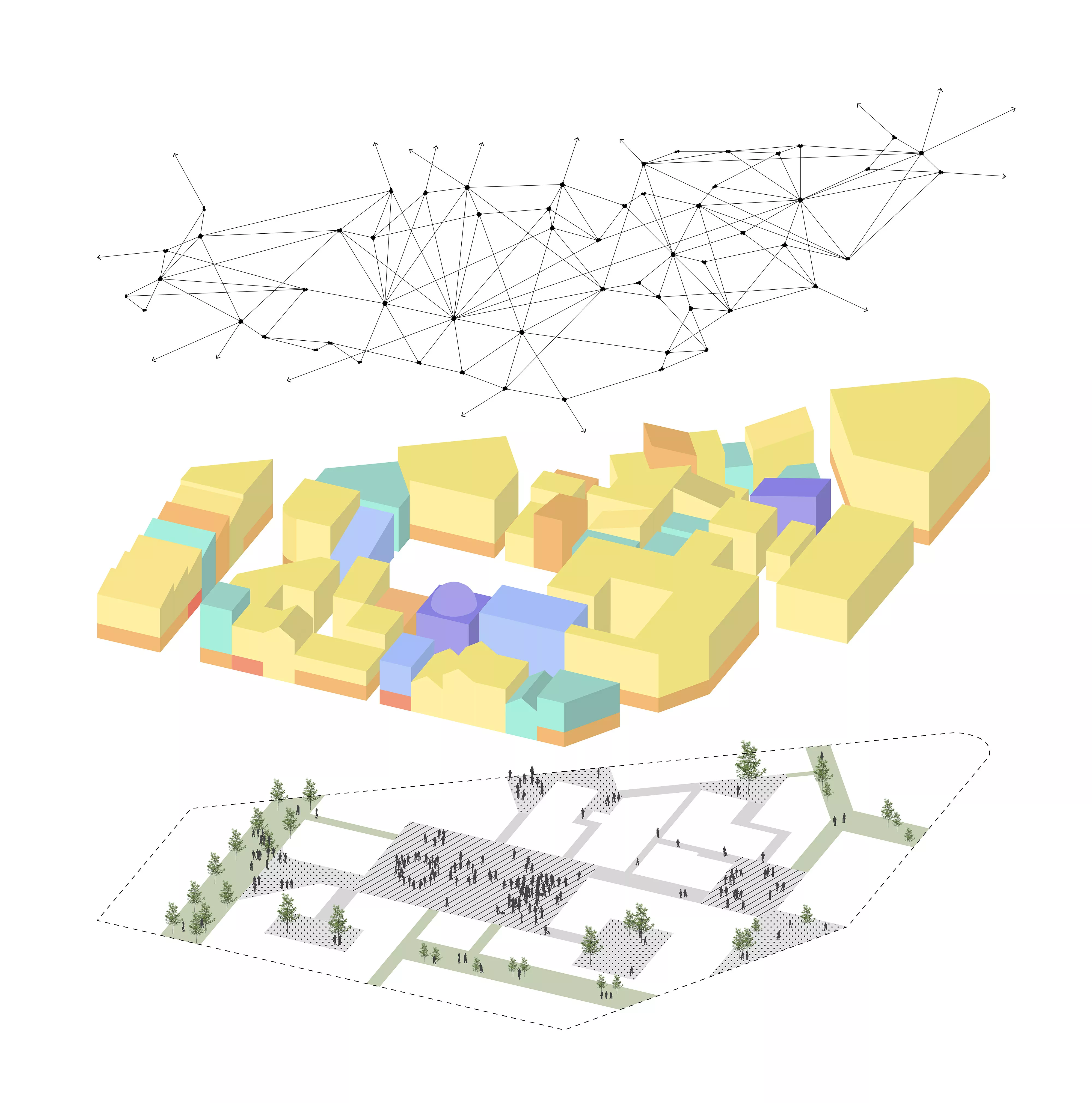
A global trend may be more fantasy than substance. (The Hindu 17/02/2018)