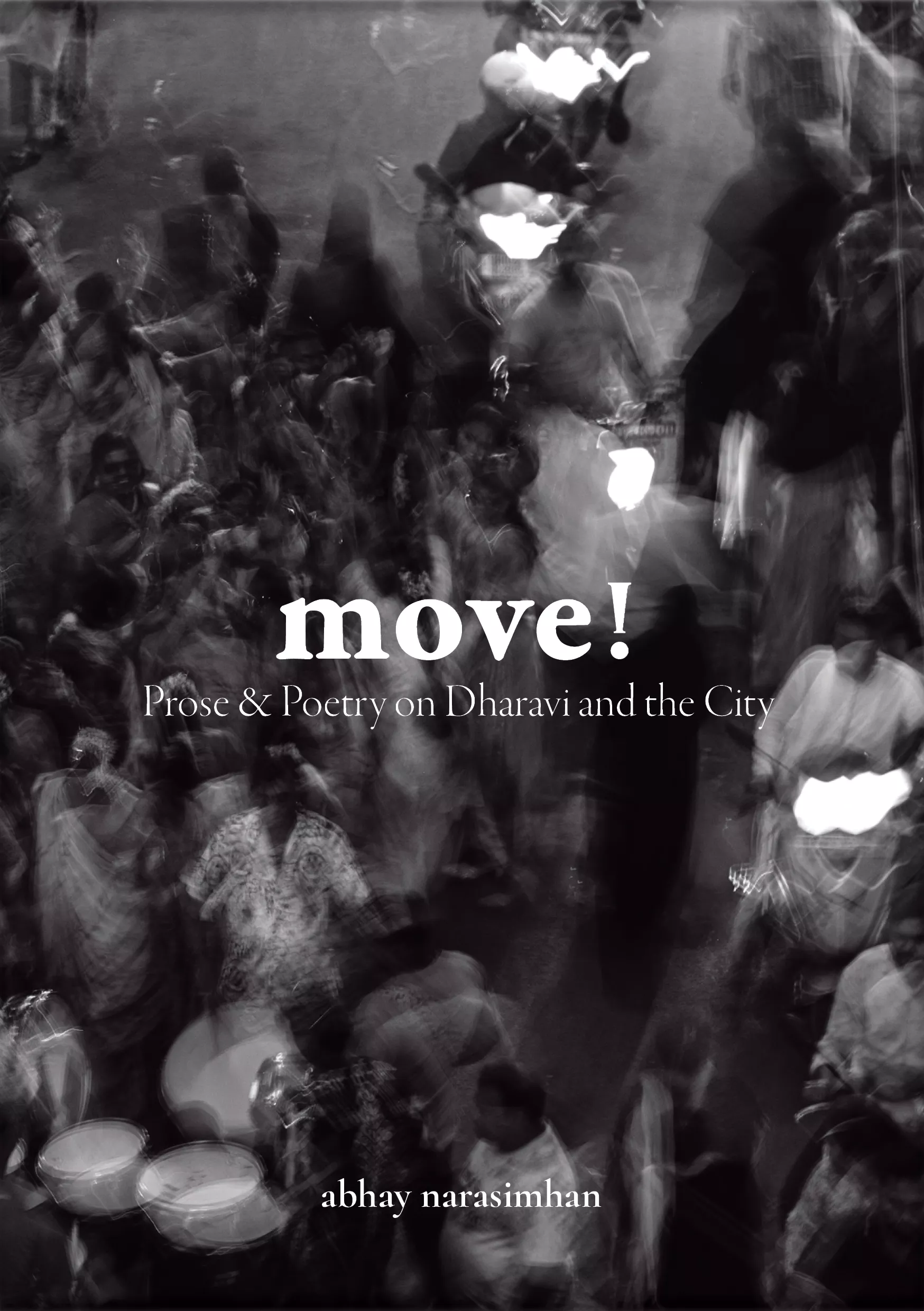
Move! Prose and Poetry on Dharavi and the City
Authors
Authors
Move! Prose and Poetry on Dharavi and the City
Authors
Authors
Click here for the full PDF. Best viewed in Adobe Acrobat.
Visit the urbz Mumbai office in Dharavi to browse through the physical copy. Strongly recommended!
Excerpt from the Pamphlet:
INTRODUCTION
My first experiences of Dharavi were characterised by observations of chaos. There were things I couldn’t give order to, couldn’t classify, and place within contexts. I came to urbz because it was in Dharavi, and I could come here and learn from it. It struck me as a real place, formed by creative practices that were responding to “real” needs, on essential things. Entirely toward social and physical well-being. But to even form a concise description such as this fails Dharavi, exactly as my preconceptions did. To simplify things, I have found, does no good in the city. Dharavi and the city represent a multitudinous world more than “basic” longings. I was reminded then by the words of James Scott, who did quite well to describe my behaviour.
Society must be remade before it can be the object of quantification. Categories of people and things must be defined, measures must be interchangeable; land and commodities must be conceived as represented by an equivalent in money. There is much of what Weber called rationalization in this. And a good deal of centralization.
Same way, the natural world is too hard to put into schemes and numbers, so is the world of social relations. No administrative system is capable of representing any existing social community except through a heroic and greatly schematized process of abstraction and simplification. (Seeing like a state, James C Scott)
Rahul Srivastava and Matias Echanove argue that the “coming together of administrative control and financial power leaves little scope for local populations to plan and manage their habitats.” Within this framework, in which the state pursues ideals of efficiency and order to facilitate private capital, Dharavi embodies a divergence from this technocratic paradigm. In a system that desperately seeks to rationalise, with square corners and straight lines, I have found that Dharavi instead breaks many of these socio-spatial conventions. It is swirling with magic, not the Aladdin’s genie kind but other local types that one encounters only when they spend time here. Square rooms with curving walls. Trees that grow on doorways and lay their roots indoors. Stairways, entrances and arcades, made decisively inert by architectural discourse, are as Rahul and Matias say, “full of unanticipated activity.” What I would otherwise treat as “objects”, or “spaces” came alive, dealing in confusions and illusions.
The unexplainable, the magical and the supernatural arose from an instinctive reaction to make sense of the sheer overwhelming of the senses. I found that modern scientific thought, in its totalizing incarnations, fails in addressing many of the body's and mind’s needs and desires. Here, I have encountered countless instances of local beliefs, habits, and customs that elude modernist, scientific epistemologies.
So far, I have hinted at the few resistant behaviours of Dharavi. A reading of Homegrown Cities by Rahul Srivastava and Matias Echanove explained so much to me and helped me immensely. For now, I have built a vocabulary, enough to ask questions at the very least.
Is it really “resistance”, or rather “enablement”? Or is it both? and which of these framings allow for the dismantling of historical forms of discrimination, on the basis of caste, religion, and class? urbz, having worked on the subject for nearly two decades now, emphasises the incrementality that is central to the enablement that Dharavi creates. In opposition to the language of instantaneous growth and rapid development that neoliberalism expects and engenders, incremental growth begins to shift the terms and return agency to Dharavi’s residents. Rahul and Mathias emphasise that “use value of space cannot simply be equated to its exchange value. Use value derives from the way people inhabit space, generate relationships within it, develop it to serve their needs, and beautify it as they make their own.” We can infer that through collective ownership, use value exceeds speculative-exchange value. Perhaps, then, the abstractions that James Scott refers to, of land as money, are rendered far weaker and far less simplified than in other sections of the city.
Moreover, the ideology of capitalism brings with it, like a dog on a leash, the capitalist projection of socialism, which places collective identities and growth in opposition to each other. That, in a socialist framework, the individual is made anonymous. Here again, Dharavi resists these notions. In every festive dance, in everyday conversations, in every meal and in every artisan’s craft, it shows us that individualism is simply inherent to interdependence.
I have a set of working eyes, one good ear and another half-decent one, a semi-blocked nose, and a mouth that is entirely a slave to my stomach. That said, I was possessed, even as a child, by a terrible restlessness. Harnessing this energetic affliction, I walked the gullies of Dharavi and documented the ways in which it returns agency to the “walker”. When I was not walking, my mind would race in response to the imbalance. My various movements in Mumbai and in Dharavi have stimulated copious amounts of fantasy and magic, and churned out, in response to the pervading dust, spitballs of philosophical drivel. I invite you to live in the dream with me. To live in the adlygcskbfzgs city.
People involved




Related articles
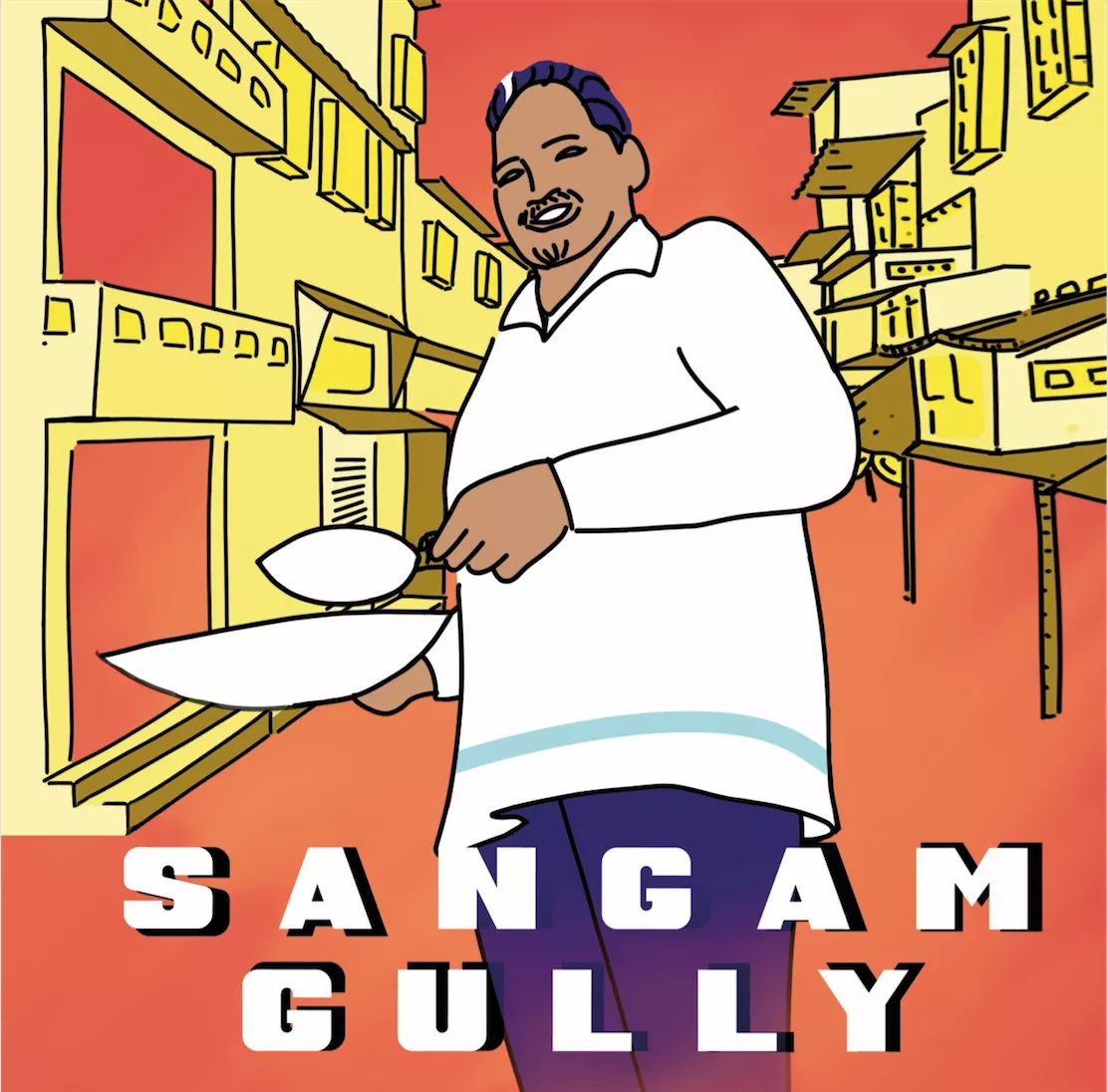
Inviting contractors from all over Mumbai to collaborate on designs for homes in Dharavi with residents, architects, and artisans.




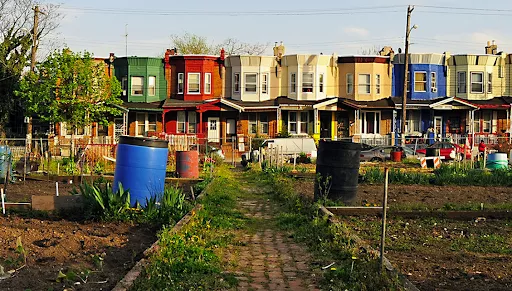
In a global context, populations marginalized because of race, class, gender, creed, etc. are those most incessantly stripped of this right to design the city in their own image within formalized constraints. In this way, the “informal” urban process of self-construction is inherently a product of this same marginality that excludes these groups from “formalized” city-making.

Dharavi’s massive redevelopment project aims to turn it into a ‘world-class’ neighborhood, but this vision risks erasing its unique identity and thriving homegrown economy. Instead of replacing it with glass towers and luxury spaces, Dharavi could be a model for a ‘world-grown city’—one that values its community-driven development while staying connected to the global economy.

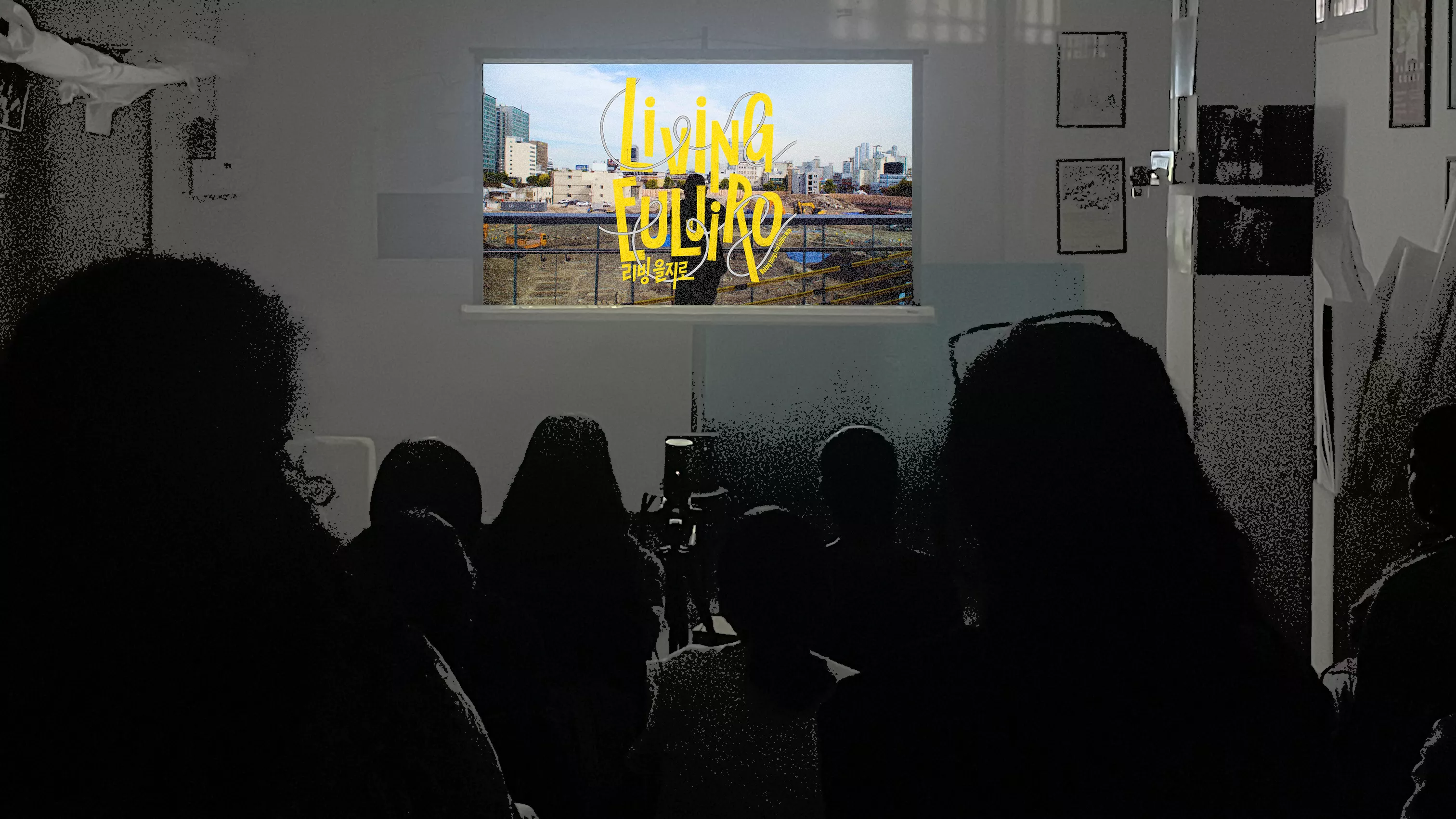
Living Euljiro is a film directed by Liron Shalit. Liron has been creating award-winning short documentaries since 2017, exploring themes such as social issues, human rights, disability, natural disasters, and urban life. Since relocating to Seoul in 2022, he has focused on documenting disappearing spaces and communities, capturing the distinctive culture of Euljiro and the stories of the people who live and work there.
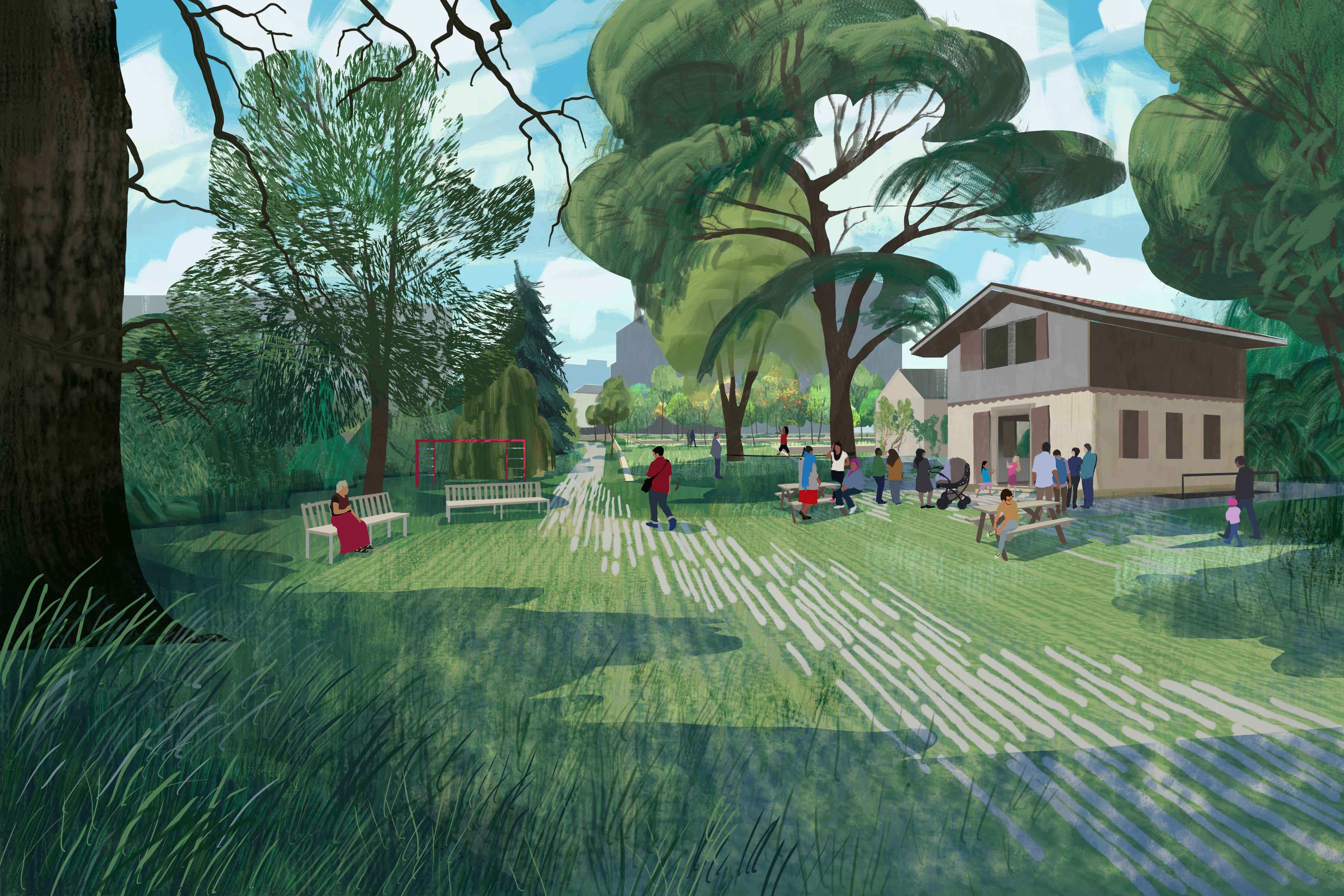
urbz is leading a participatory landscaping process for the International Federation of the Red Cross and Red Crescent Societies (IFRC) through a series of workshops, walks, talks and exhibition. The end result will be a publicly accessible IFRC Park in the center of Geneva.


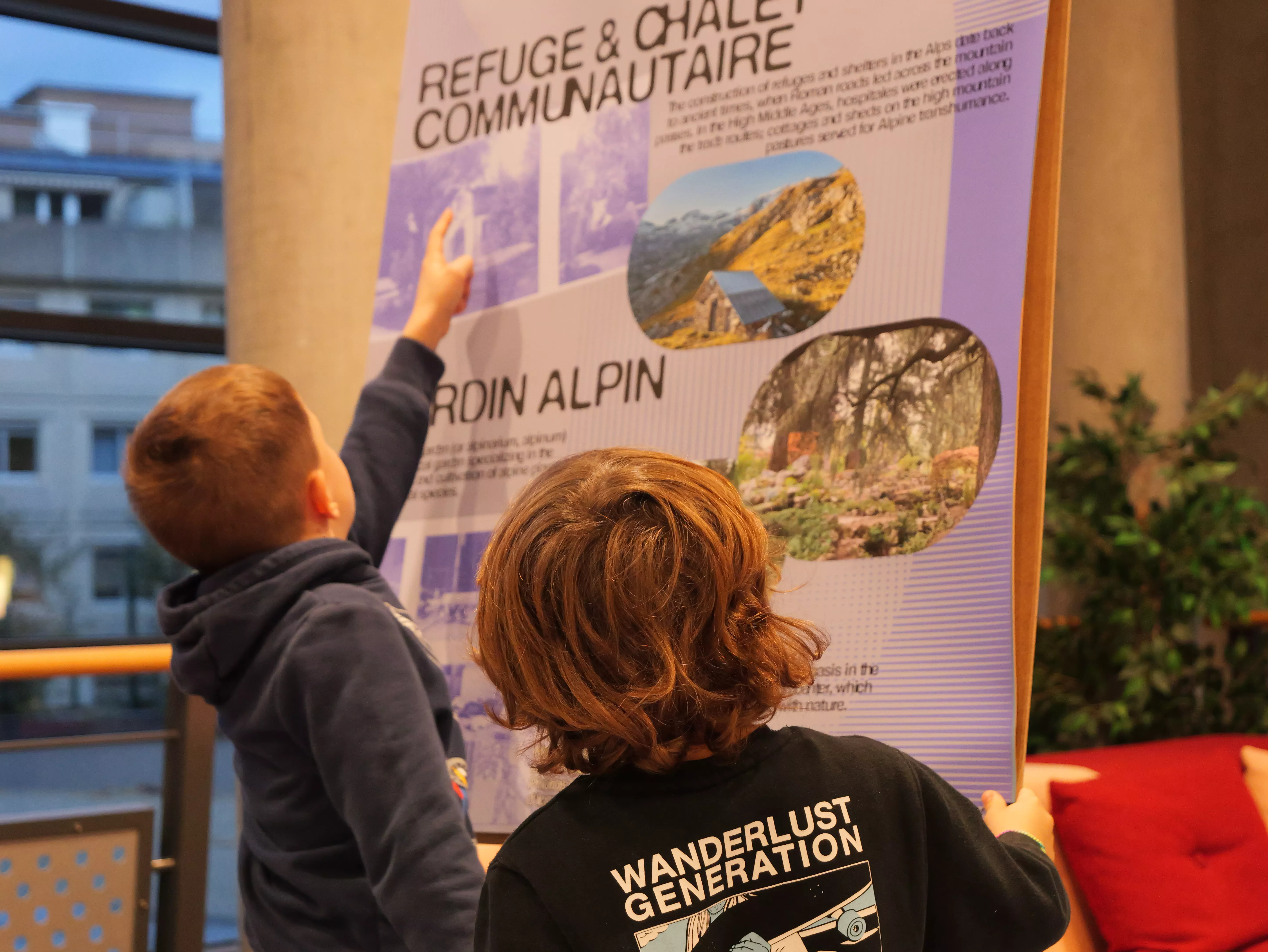
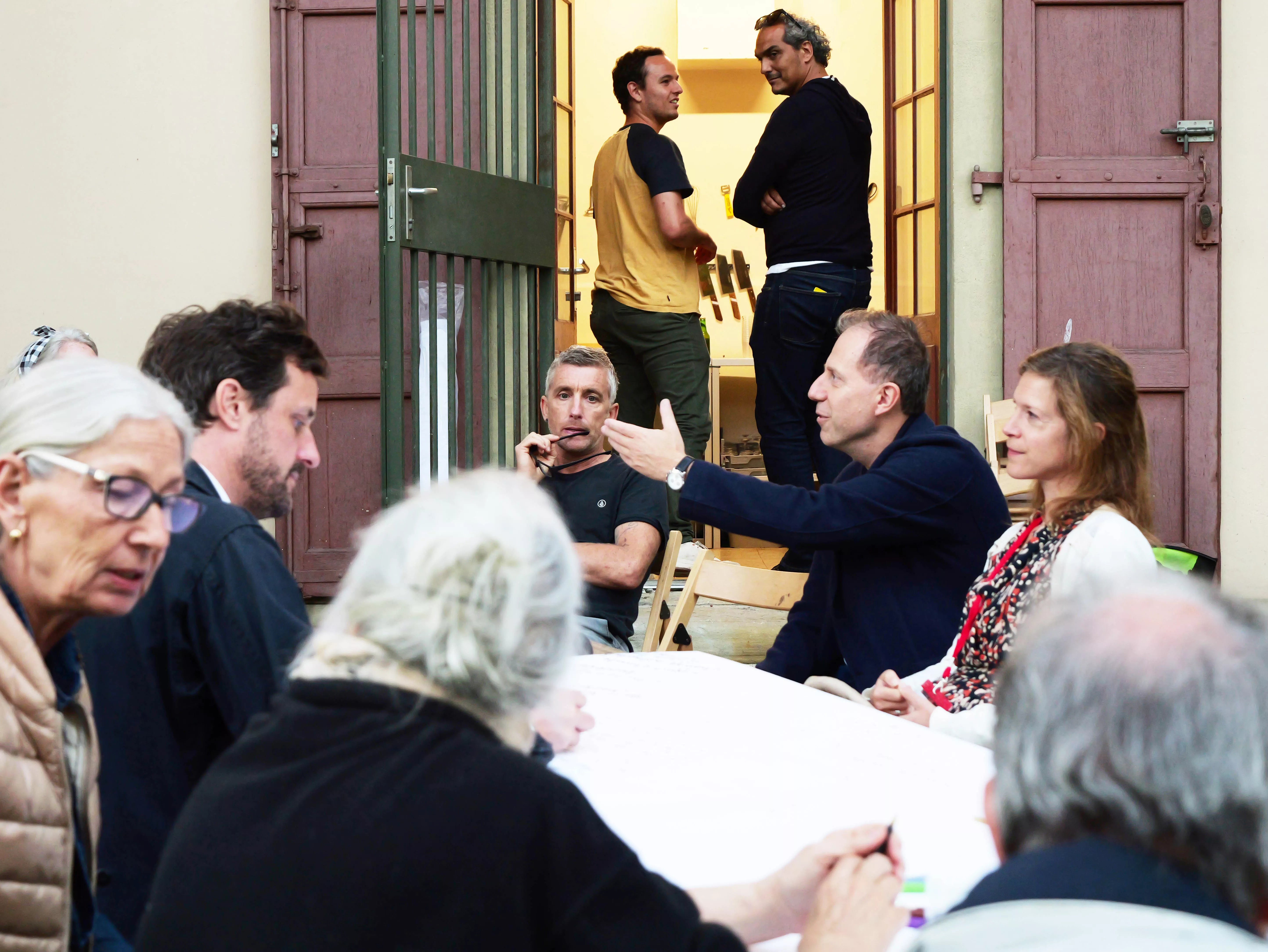
Over six months, several events were planned for the International Federation of the Red Cross and Red Crescent Societies (IFRC), Geneva. The process promotes discussion, brainstorming, ideas and aspirations of the IFRC staff members, and their neighbours for the future park.
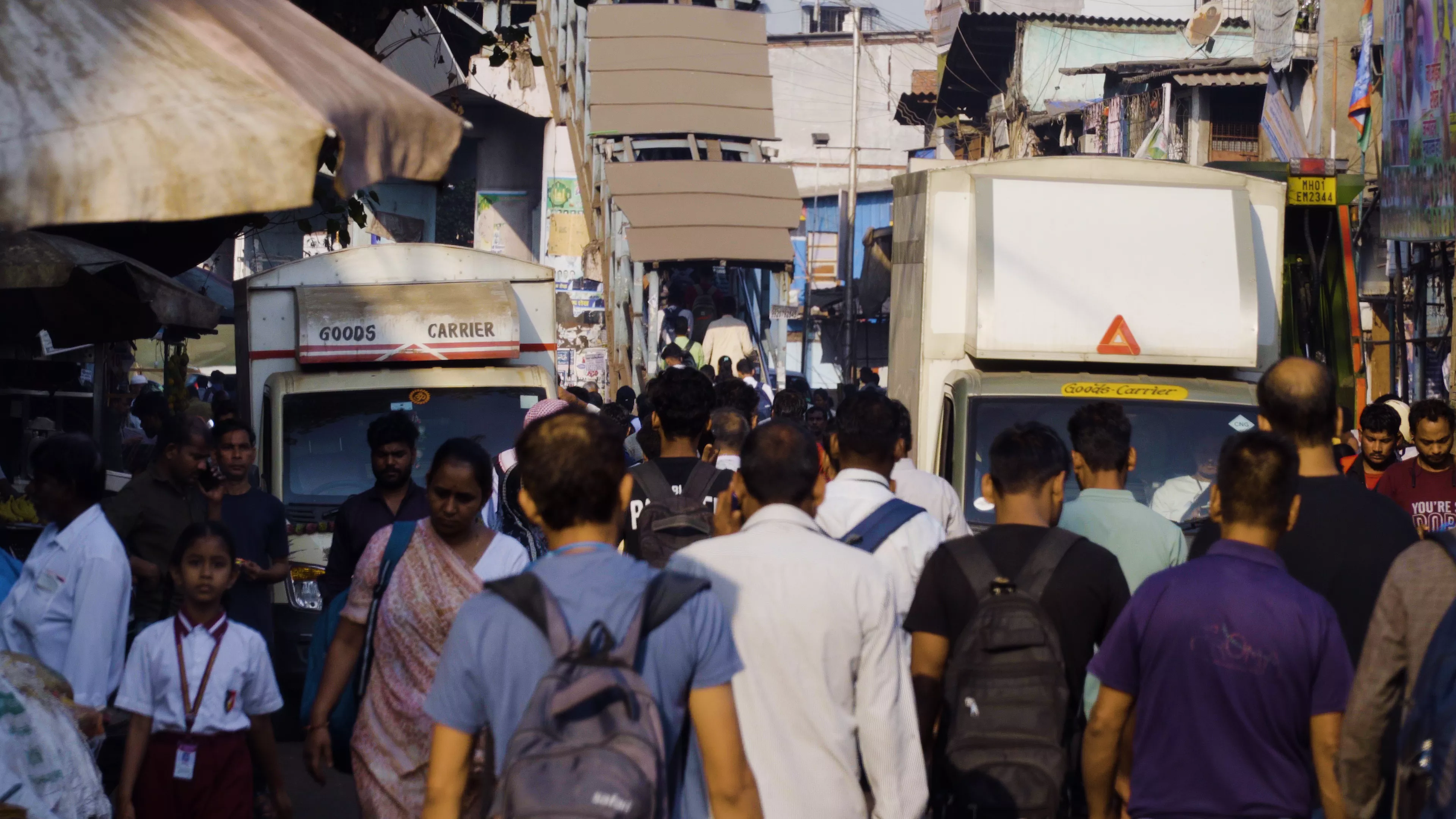
How Dharavi exposes the Limits of Professionalism with each frame...

Bimla Aunty’s home sits like a gentle pause in a constantly moving world. Bustling with children and books, she attempts to make the most of her community-driven lifestyle in Koliwada.