Ramping up! An amphibious device for reconnection and resistance
Authors
Authors
Ramping up! An amphibious device for reconnection and resistance
Authors
Authors
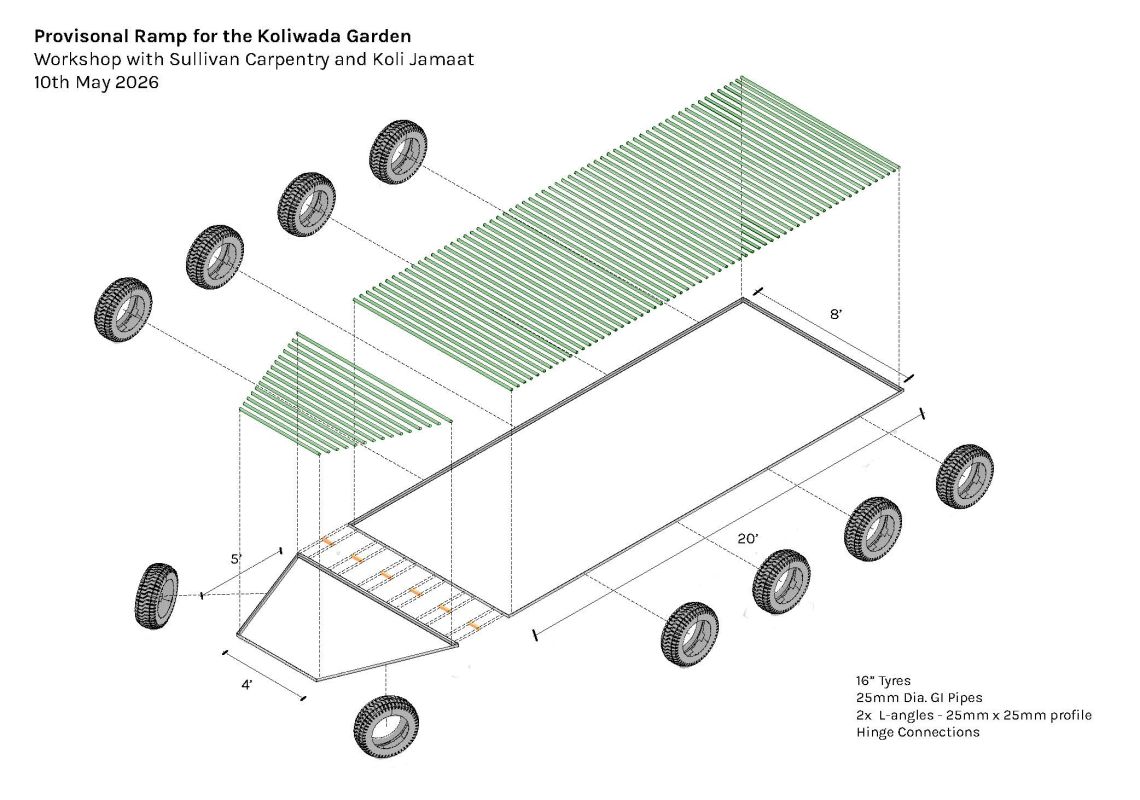
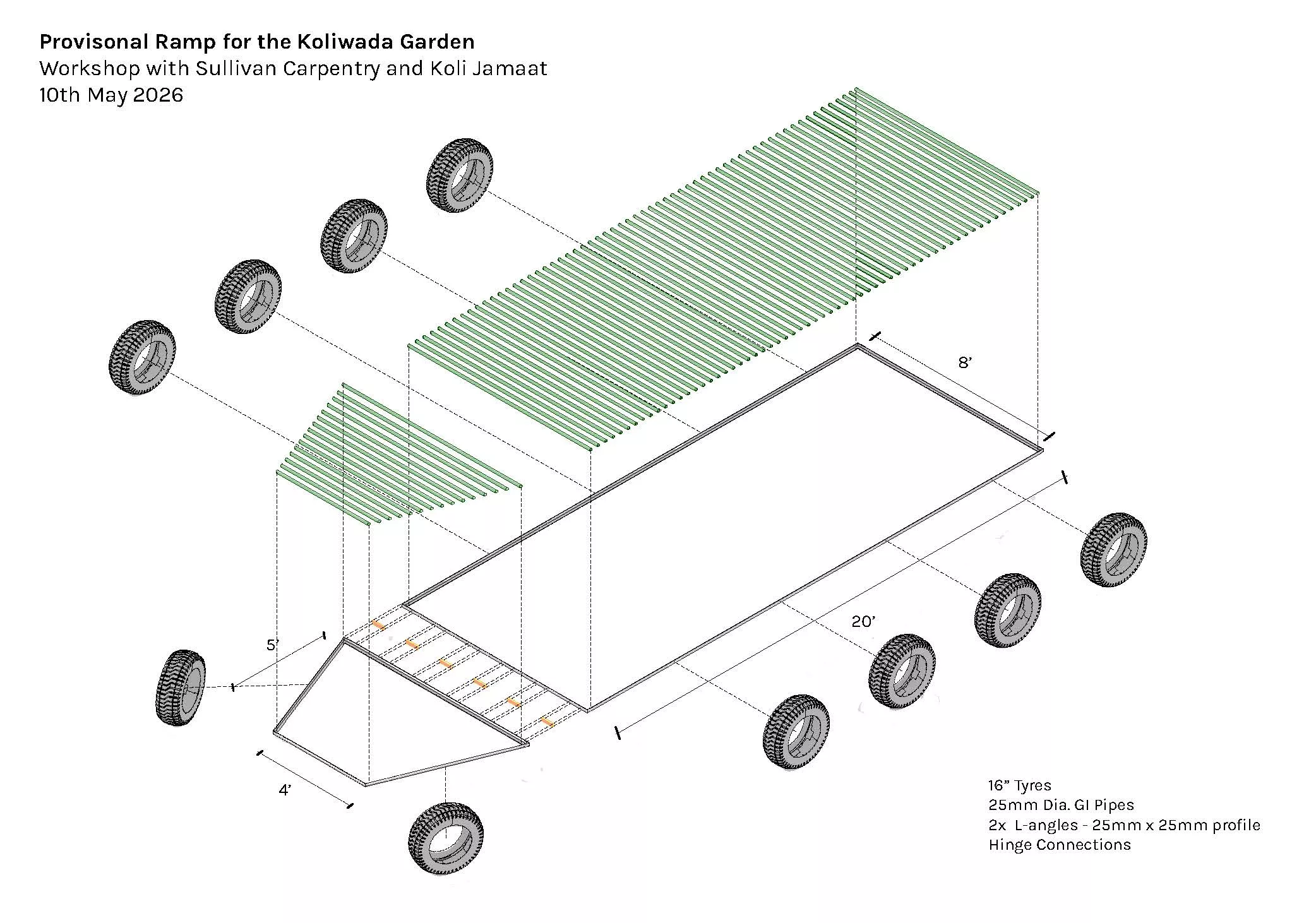
The blazing summer heat is inexorable even on the banks of the Mithi estuary. The waters adapt by surrendering to altered states – contamination, vapour, condensation, and finally descending as rain. But before the monsoons arrive, Dharavi Koliwada is on a mission to re-establish a dwindling connection to its fishing ponds. Along with the crew from Sullivan Carpentry and urbz, they are actively designing and building an amphibious device that helps fishing boats get into the water. The coming together of carpenters from Sydney and the Kolis from Dharavi, Mumbai, is an example of what Doreen Massey would call a ‘Global sense of place’ - a local community actively shaping its trajectory by drawing the outside world in, on its own terms.
The capacity to draw people in coexists with ecological and spatial severance. Decades ago, the ‘Khadi’ or marshes sustained Dharavi Koliwada, with an abundance of field crabs, prawns, clams and other creatures that inhabited the watery terrain. The construction of the Dharavi Sion Link Road in the 1980’s and Dharavi Metro station, which spanned nearly a decade, has proved devastating for the fishers' long-evolved relationship to the khadi. Built 3 mts higher than the surrounding settlement, the road partitioned the Koliwada from its fishing habitat, forming an embankment that also effectively cut off any visual connection with the khadis. Decades later, the tunnelling for the underground metro reverberated through the wet soil and waters of the khadi. Relentless tremors disrupted the sensitive breeding cycles of its more-than-human inhabitants.
The Kolis' profound relationship with the khadis, encompassing the spiritual to the material, has inspired them to respond ingeniously to their rapidly urbanising habitat. About 50 handmade fishing ponds are connected to the river by manually operated sluice gates, which keep out the detritus of urban life while maintaining a living connection to the river. Against all odds, they continue practices of sustenance, care and repair.
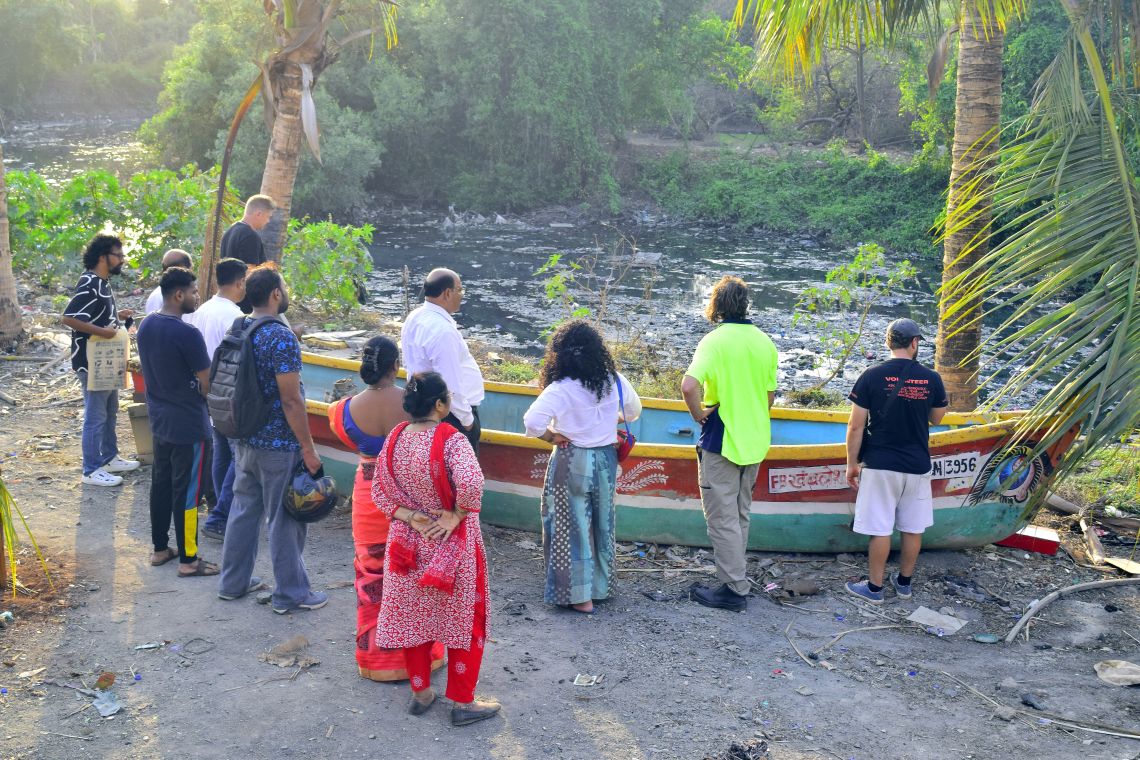
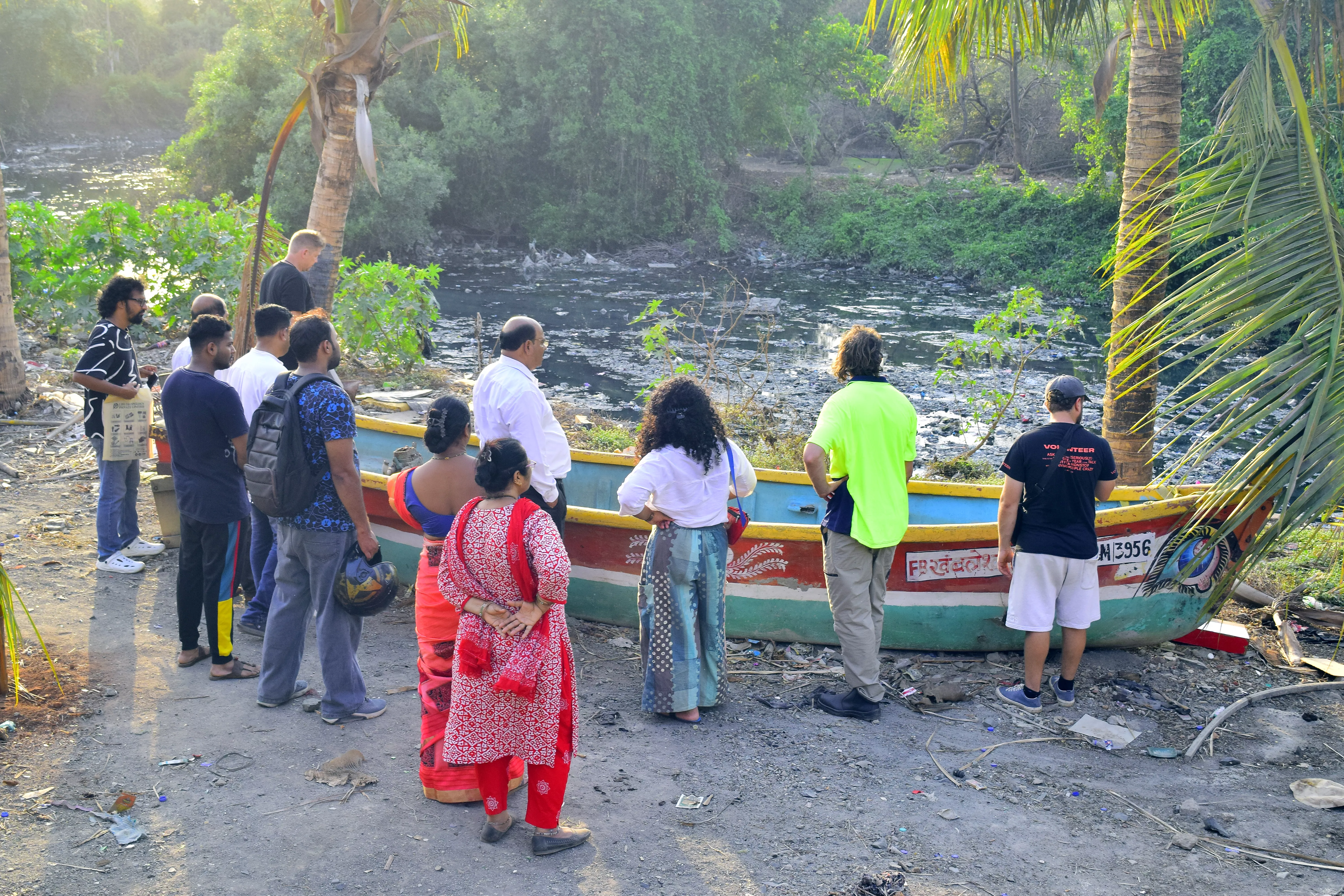
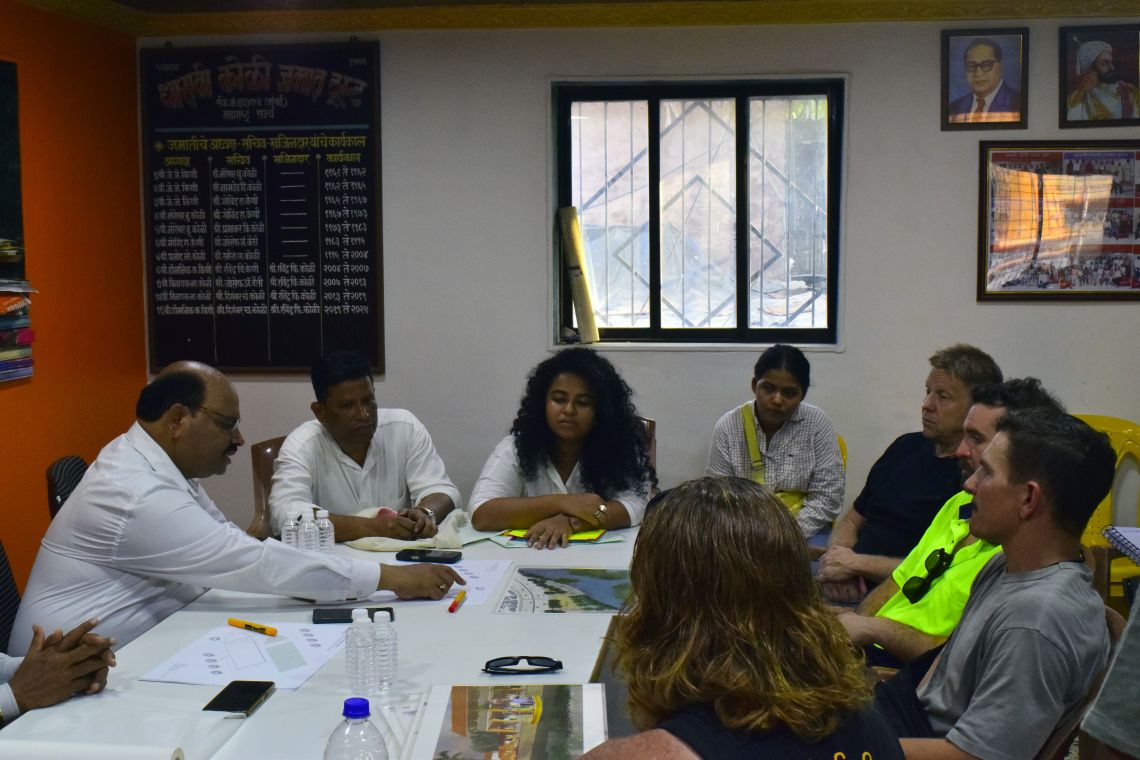
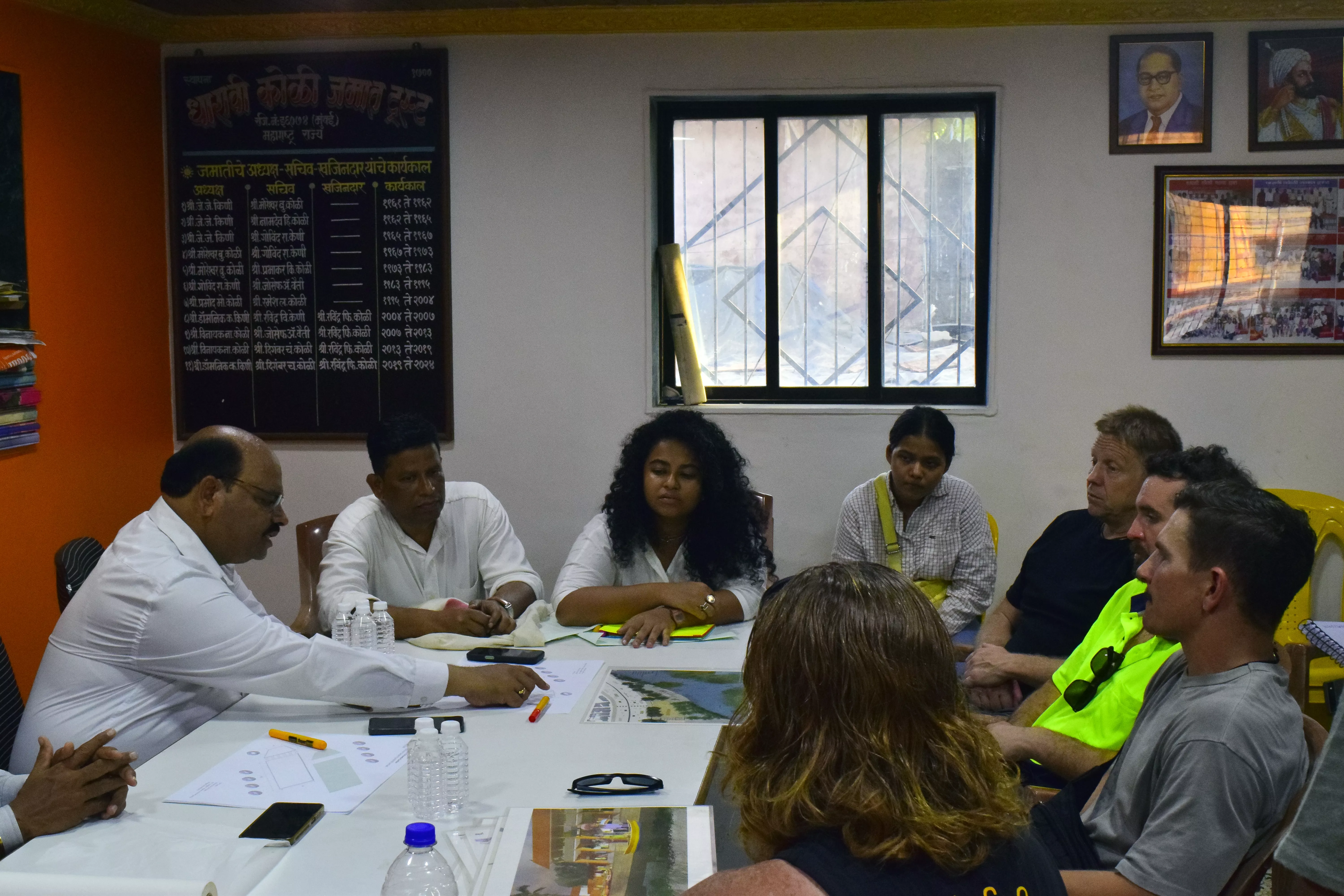
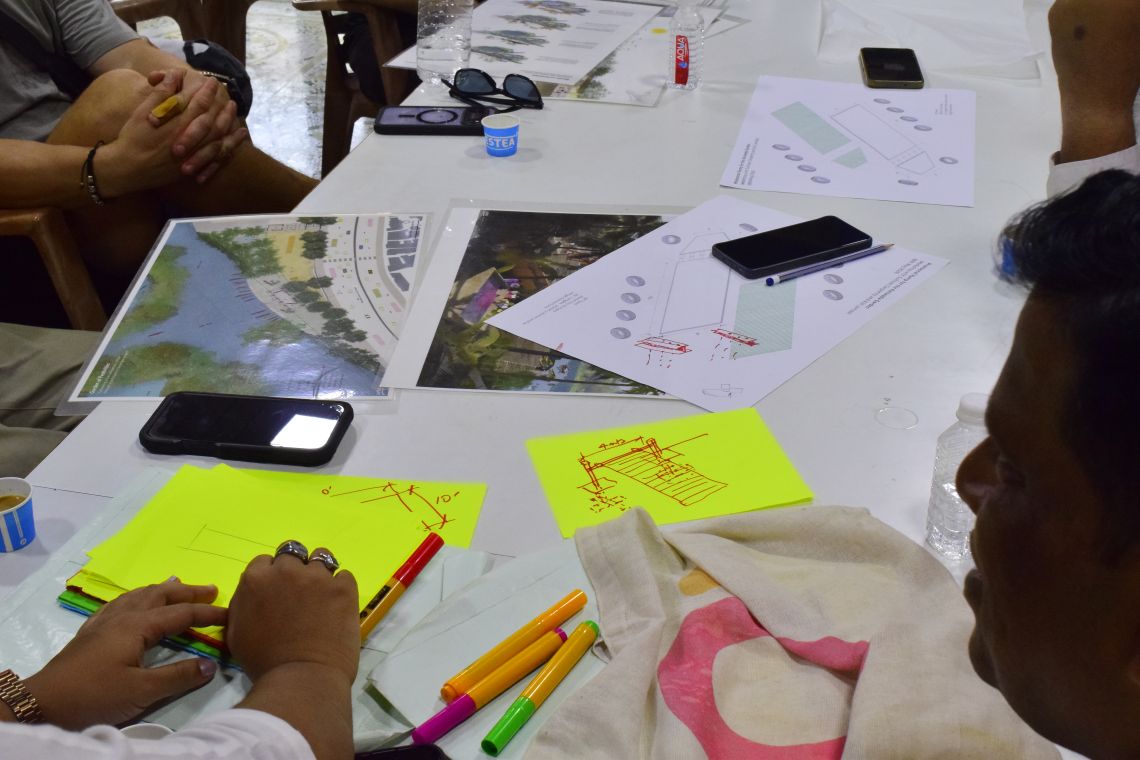
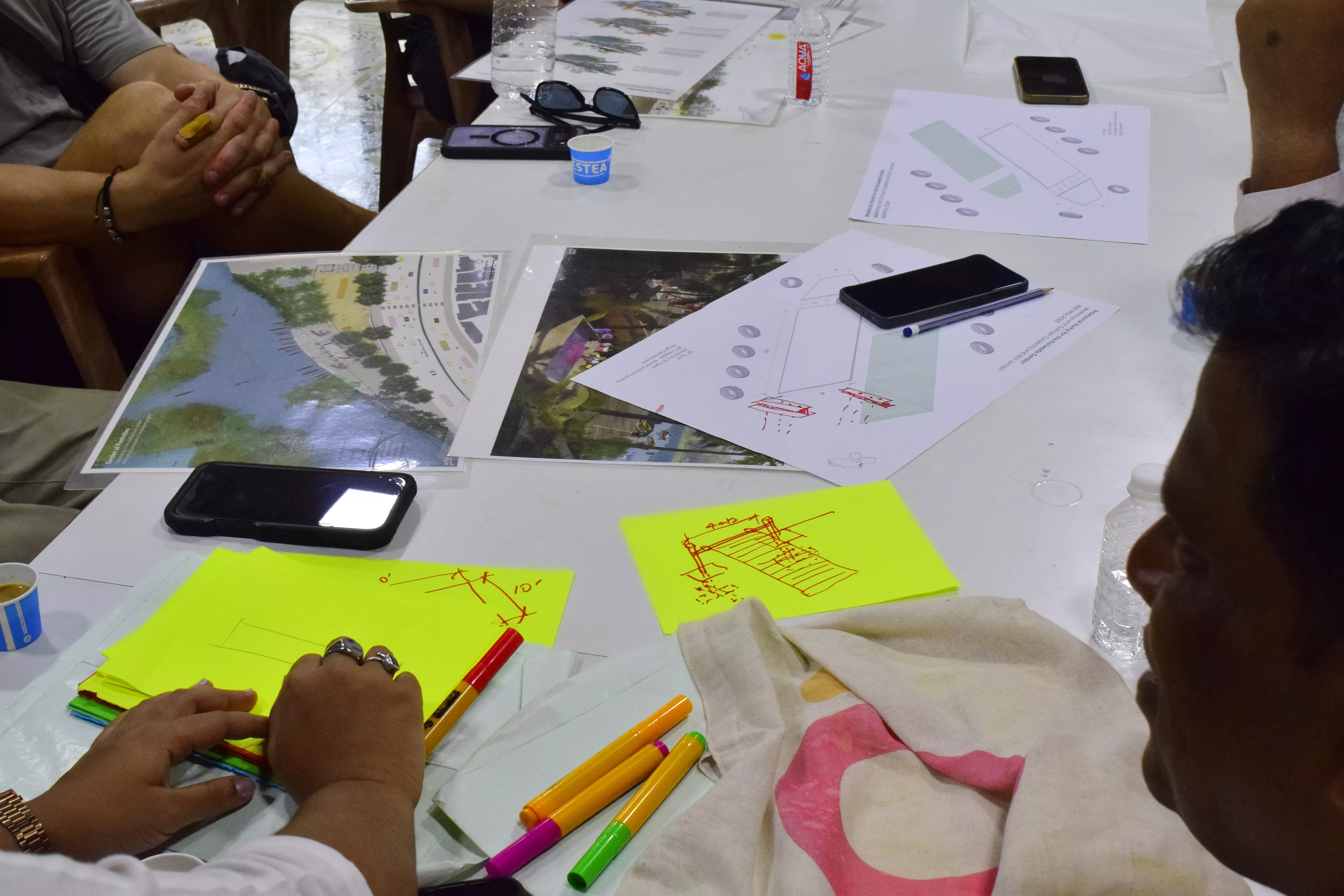
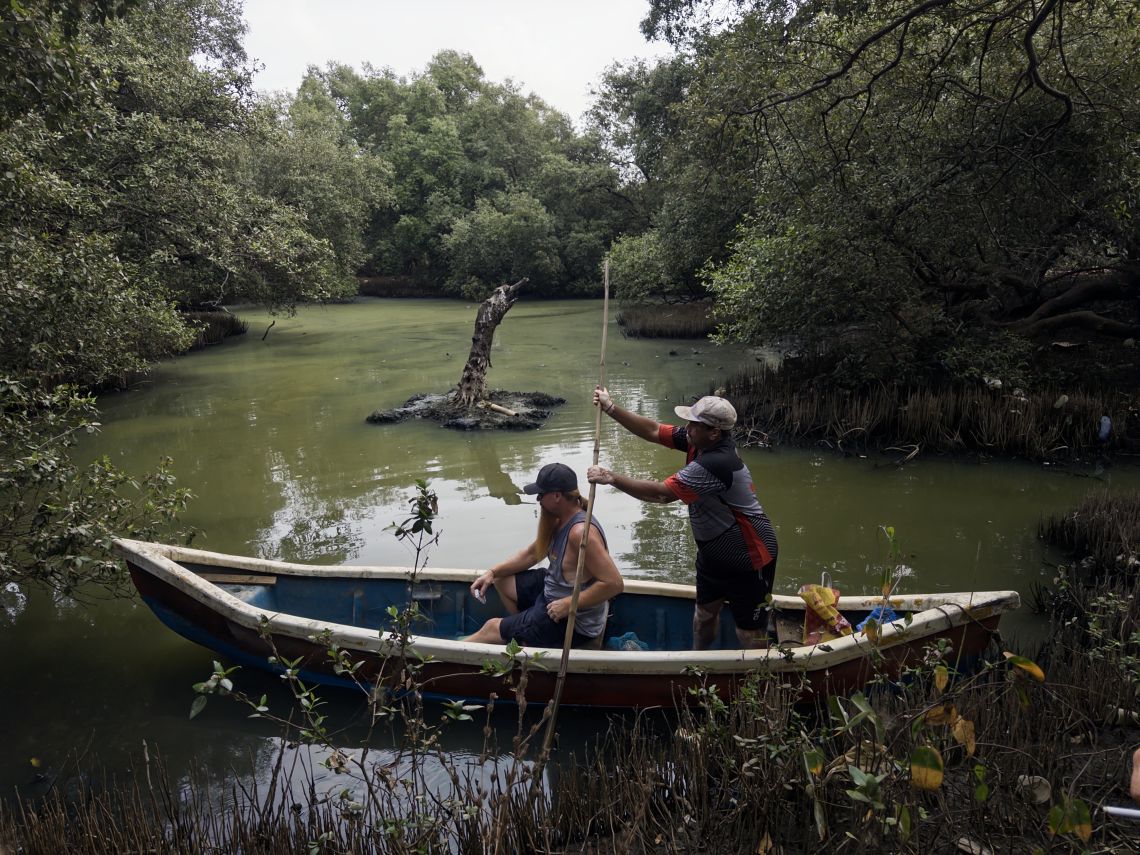
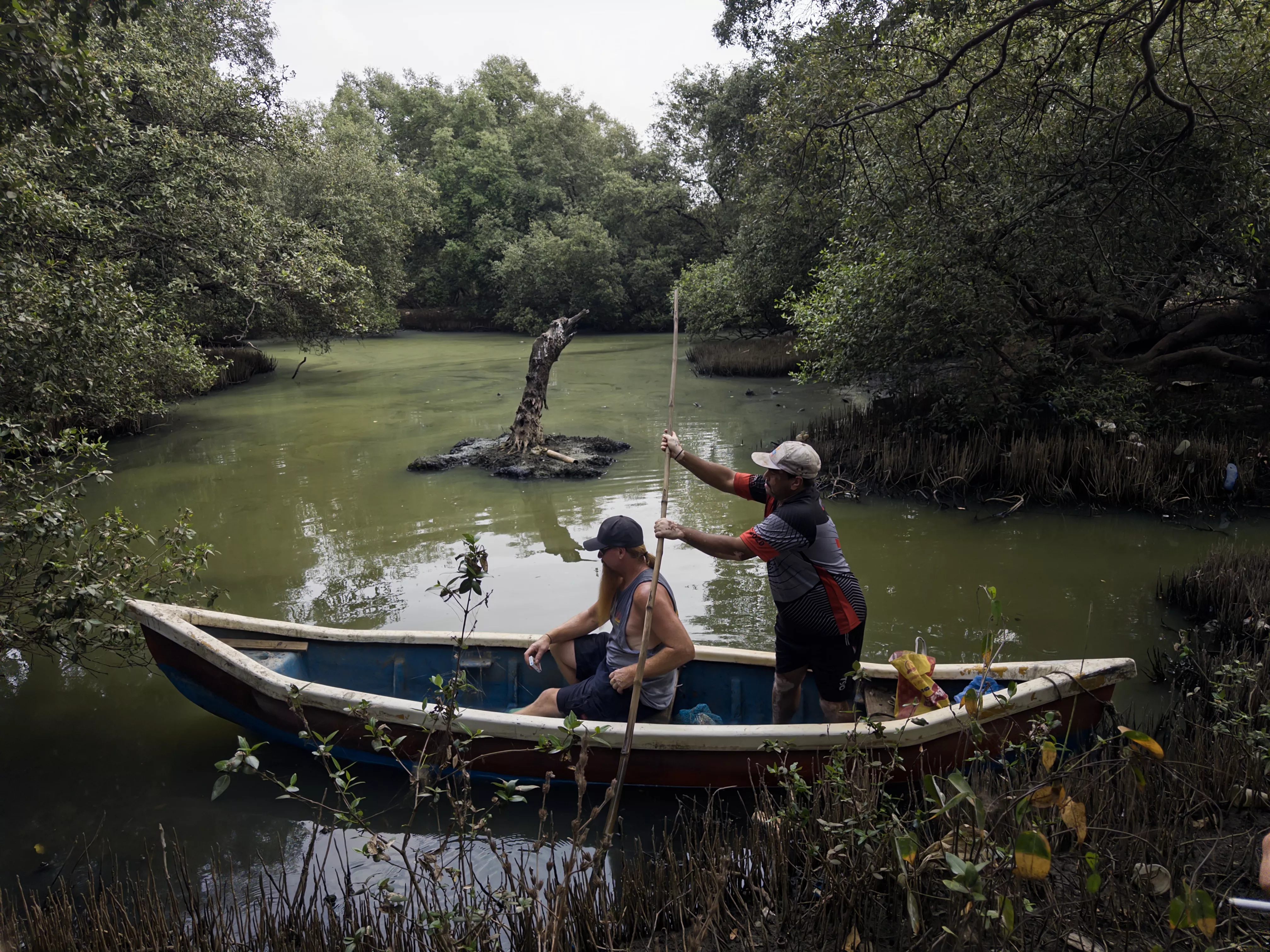
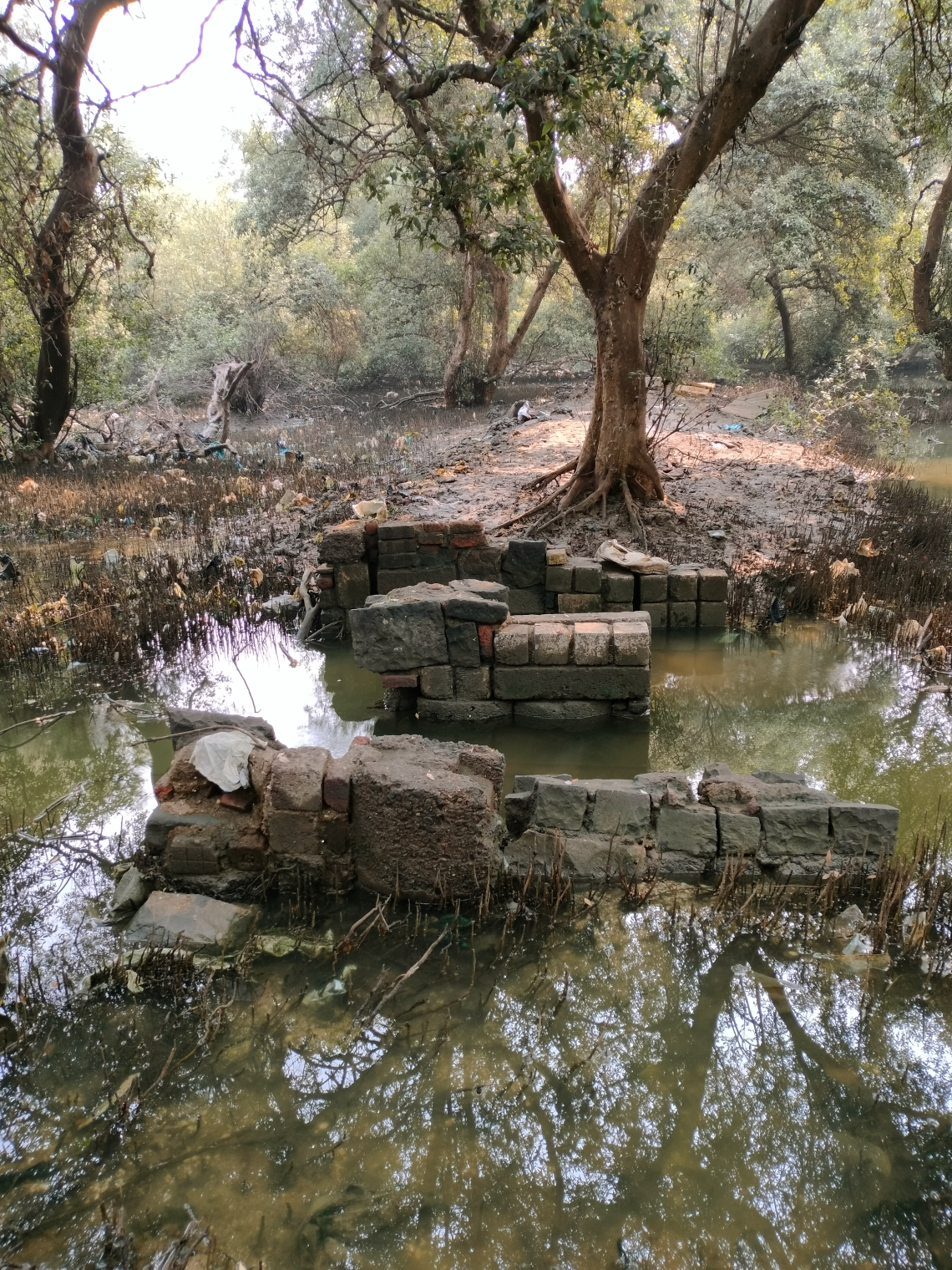
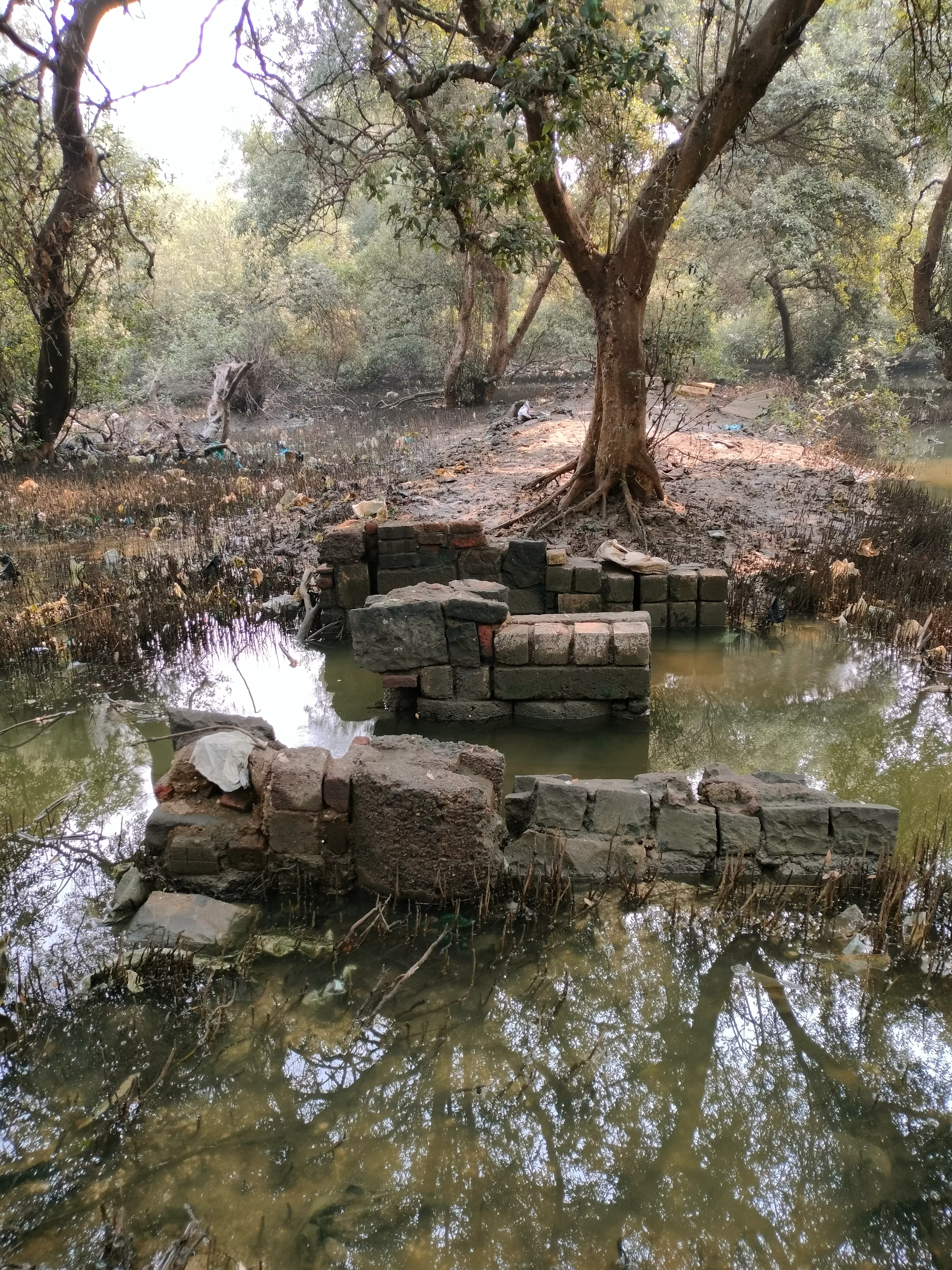
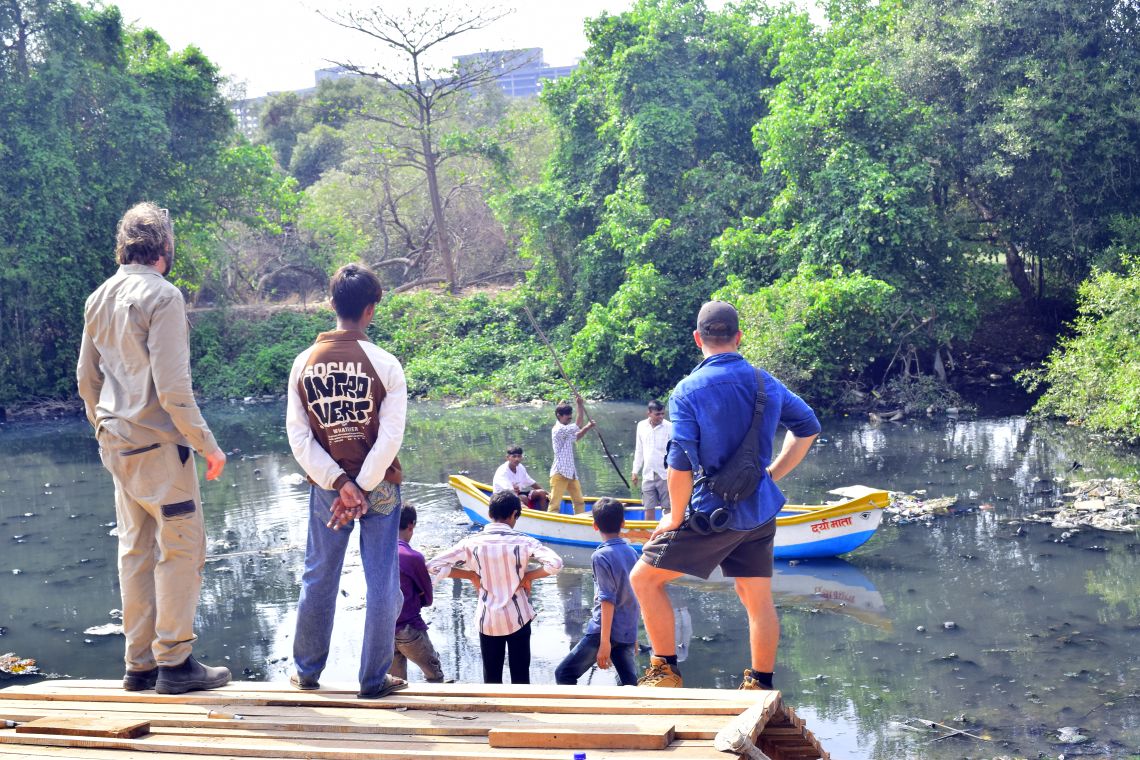
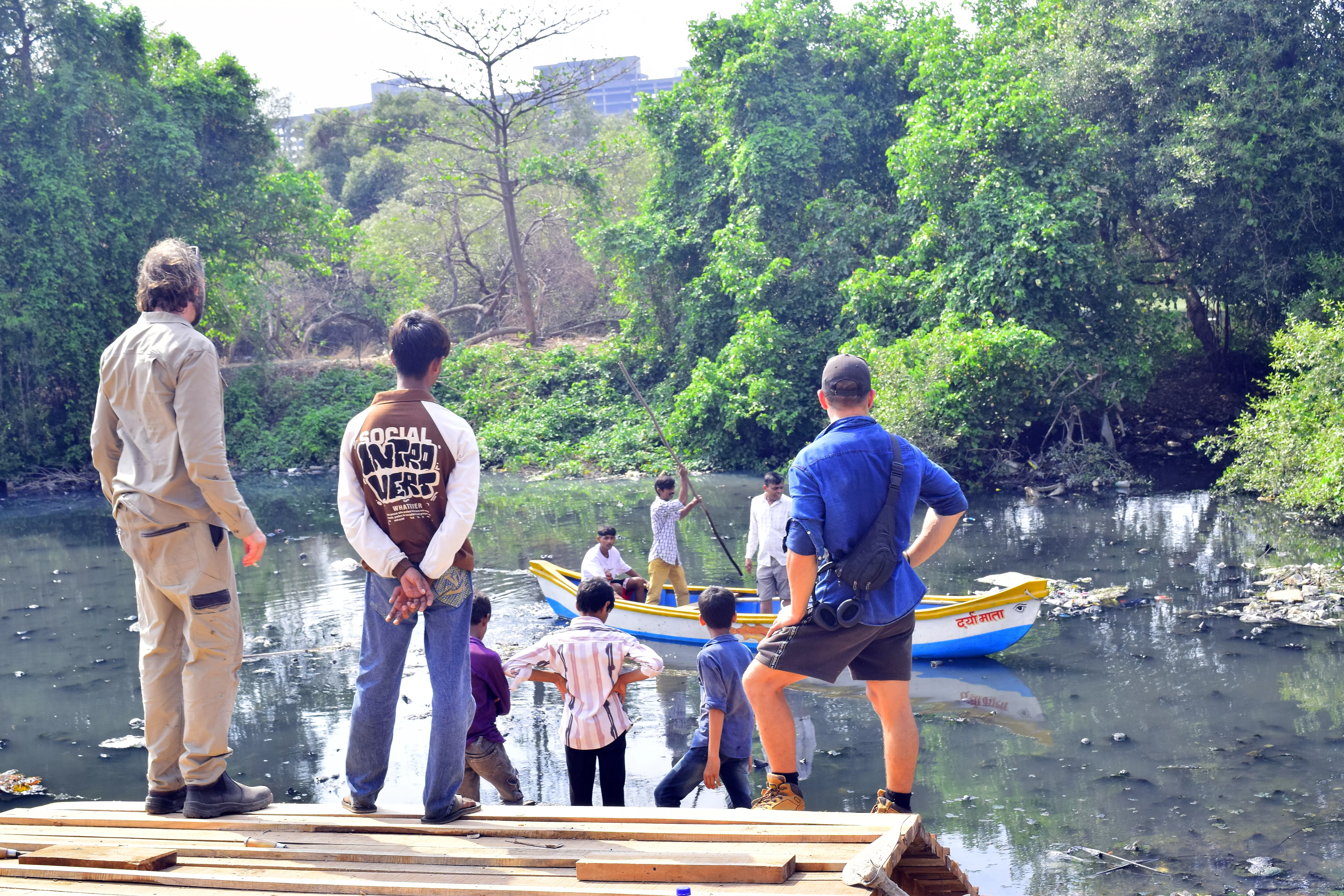
Where once the land gradually merged into the water, there is now a looming edge of construction debris, medical waste and other junk that spills into the river. The fishermen navigate this toxic terrain to carry their boats into the water. Alternatively, they traverse bunds built through dense mangroves leading to their ponds. In this case, their boats are hidden in adjacent nooks to protect them from being stolen or damaged.
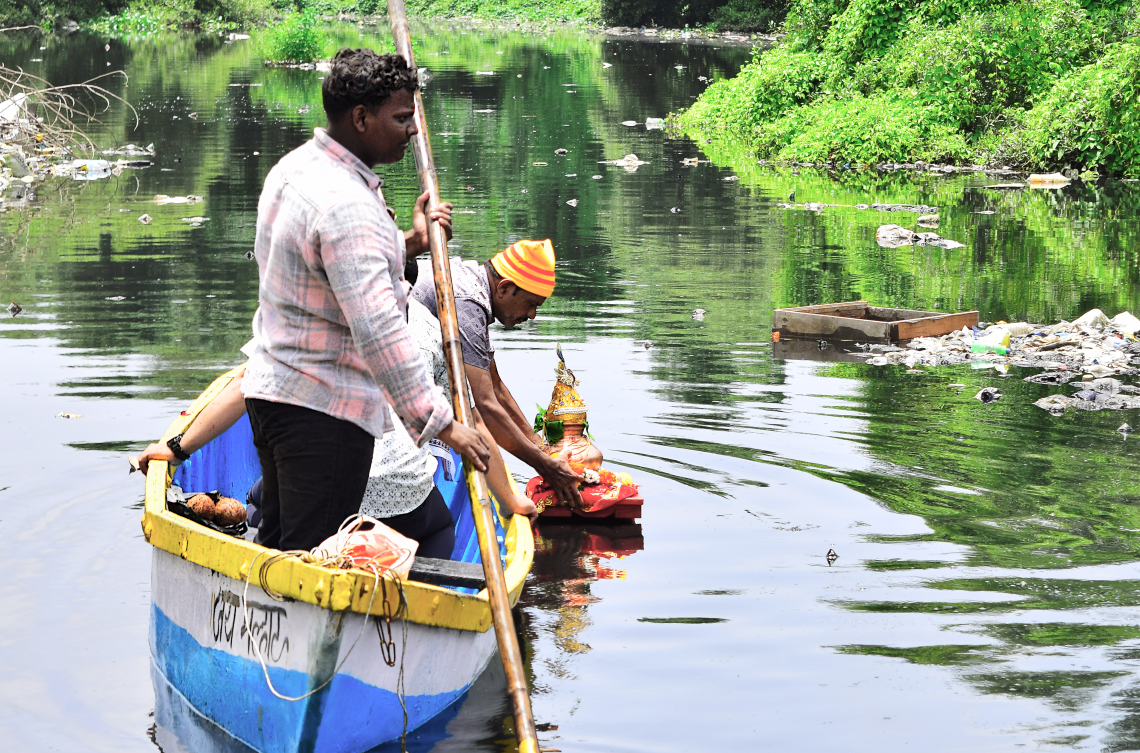
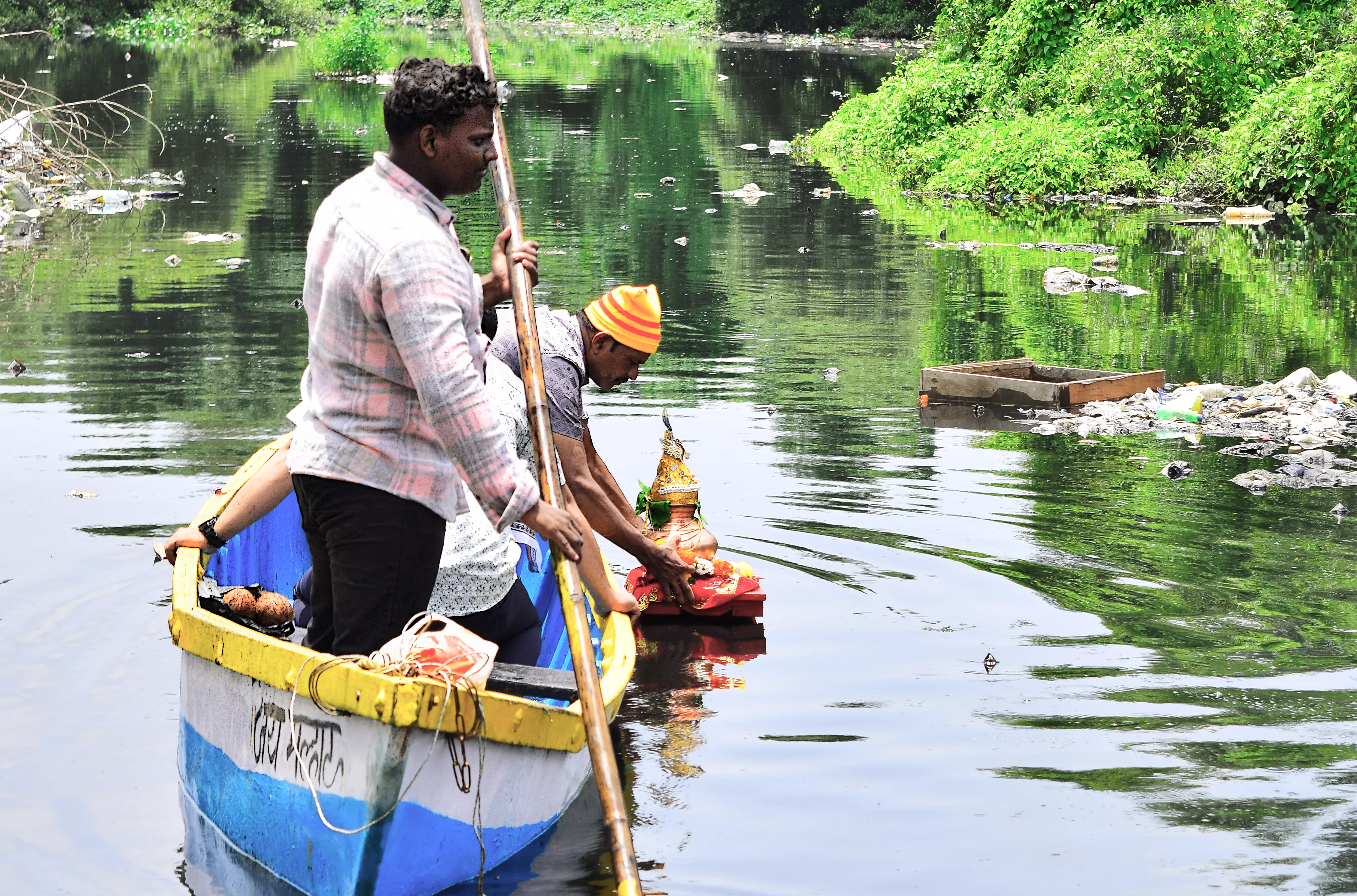
Chandrakant Koli, secretary of the fishermen’s association, is keen on improving access to the ponds - for the Koli community at large, the fishermen and other interested cityfolk. The community celebrates Naralli Purnima on a full moon in August every year. The ritual celebration evokes their spiritual connection to the natural world with the offering of coconuts to the Sacred Waters. It is primarily this ritual connection that the amphibious device facilitates - it is the soul of the project. The fishermen are keen to offer boat tours that spotlight the urban aquaculture system developed over generations. They believe that a trip to the ponds will allow for an experience of the Natural world rooted in sacred relationships - expressed through songs, rituals and festivities.
The ponds offer an expanded sensorial dimension of the city, curated by its Waters. Slowly gliding along in a Hodi (traditional fishing boat), staying perfectly still, trying not to make any sudden movements that could capsize it, the sound of oars skimming the water's surface, birds circling an open sky framed by mangroves – every element converges into an oasis amidst its hyper-urban surroundings. The amphibious device - part jetty, part floating ramp - is a key that unlocks possibilities for reconnection and resistance to a homogenous vision of urbanity.
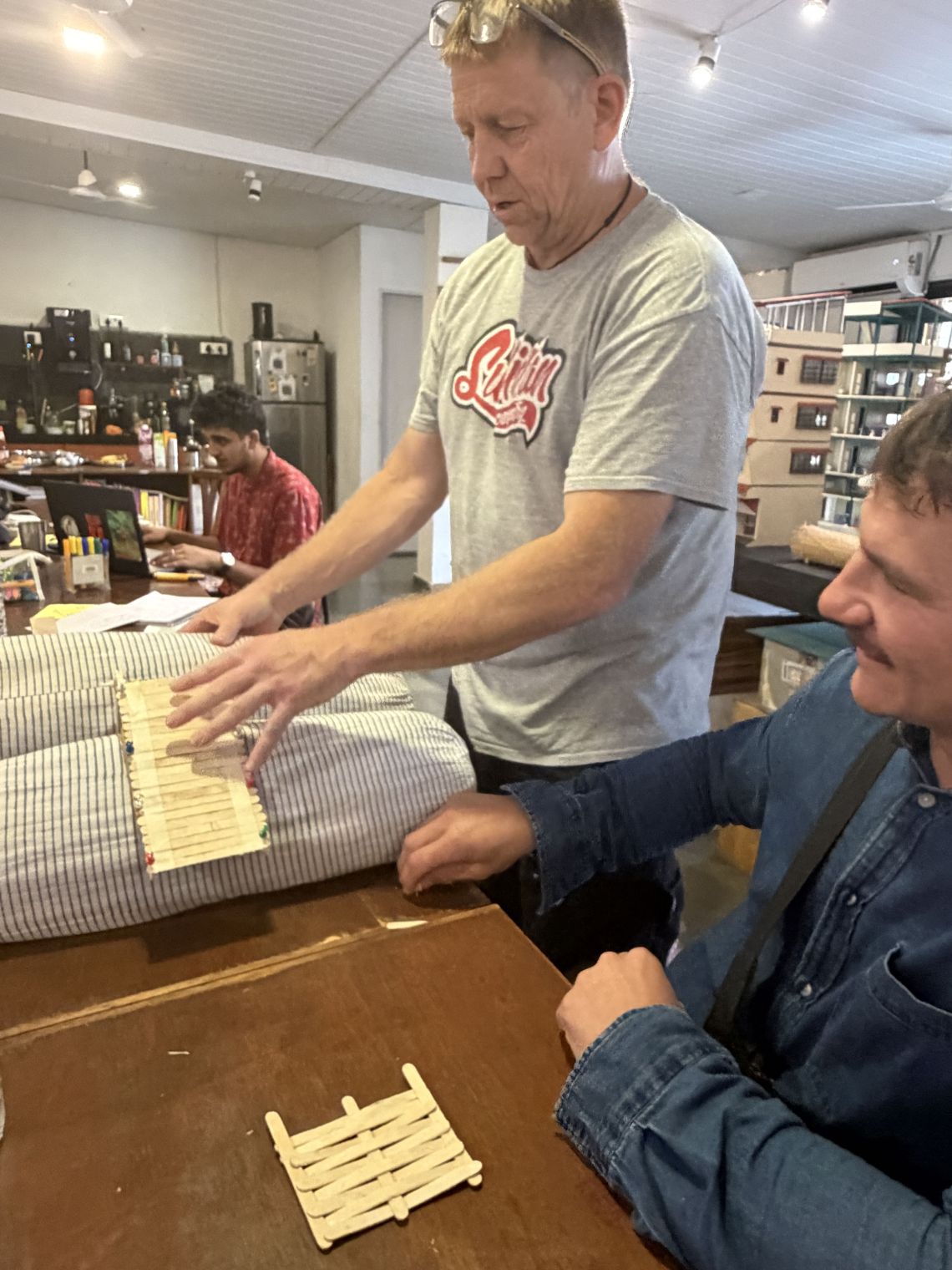
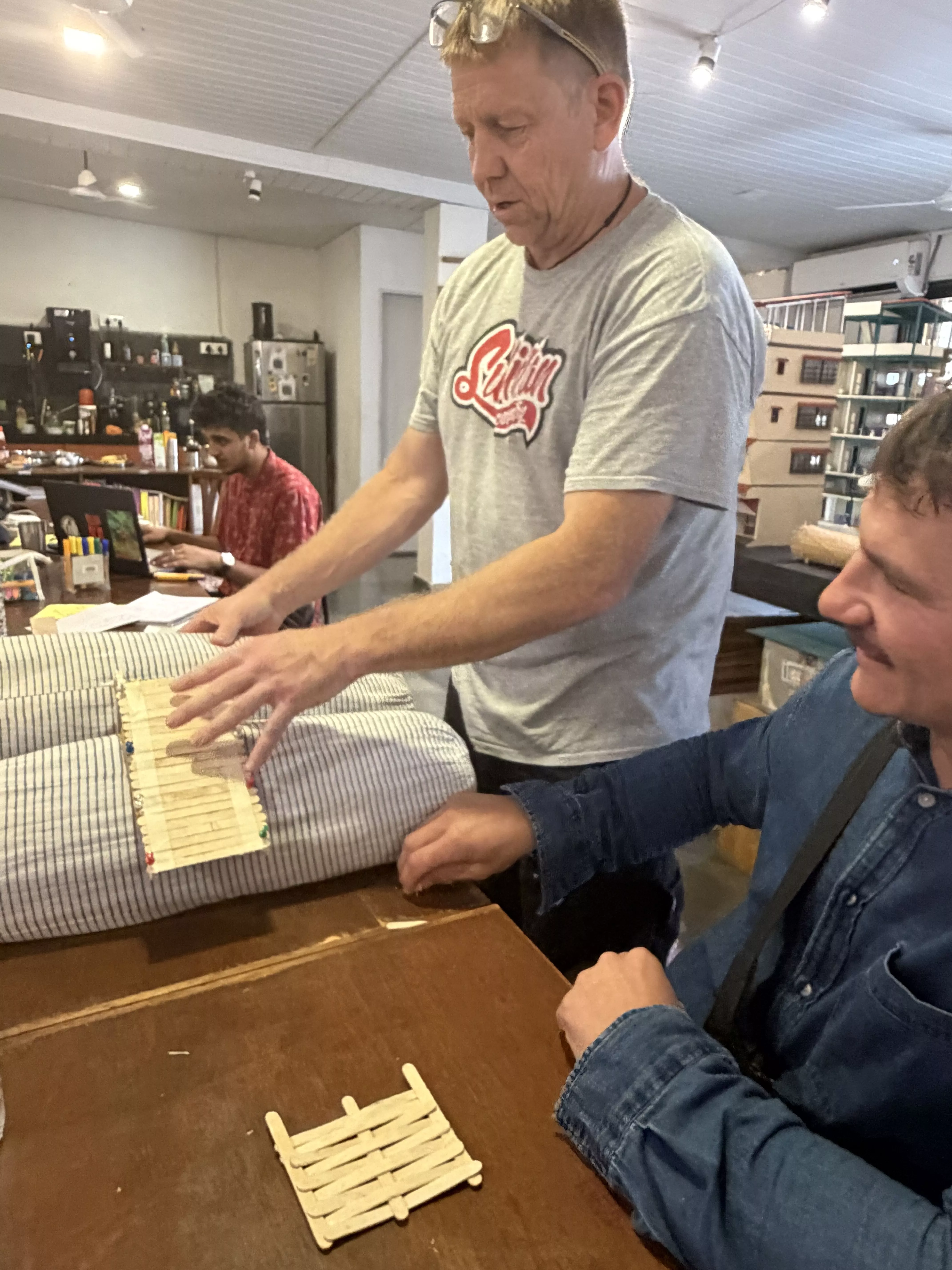
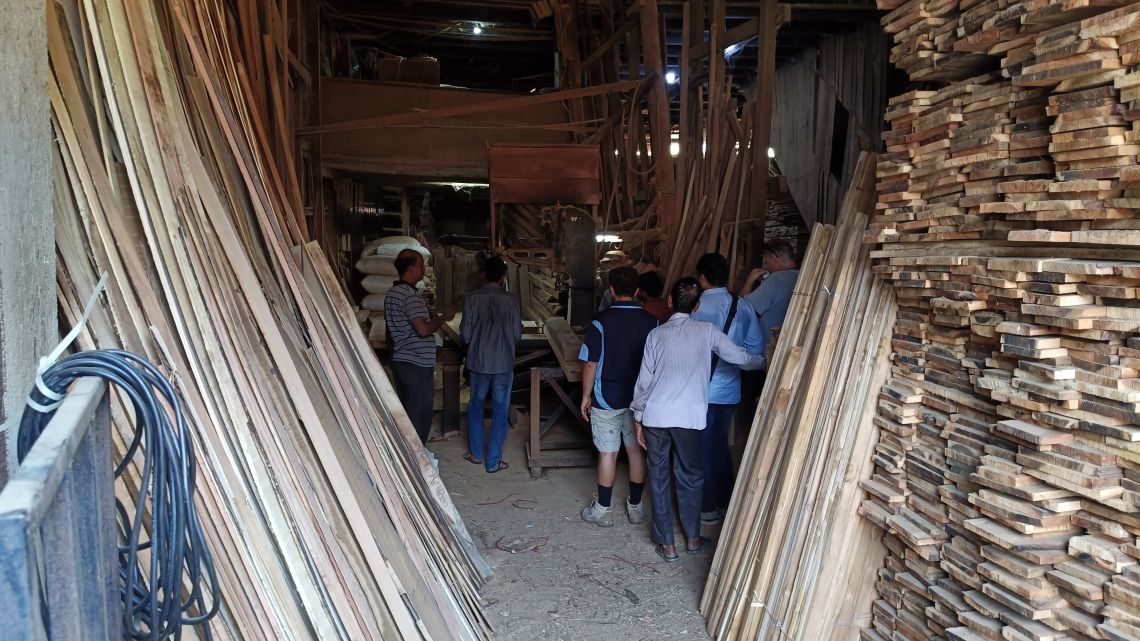
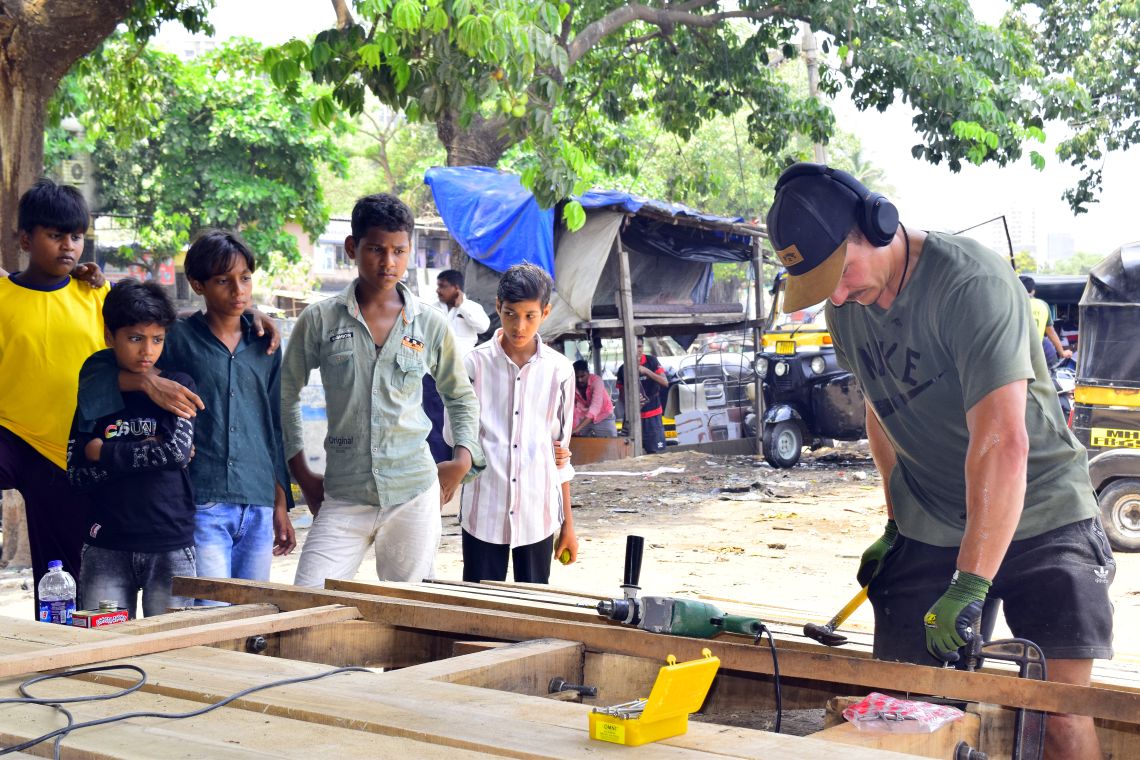
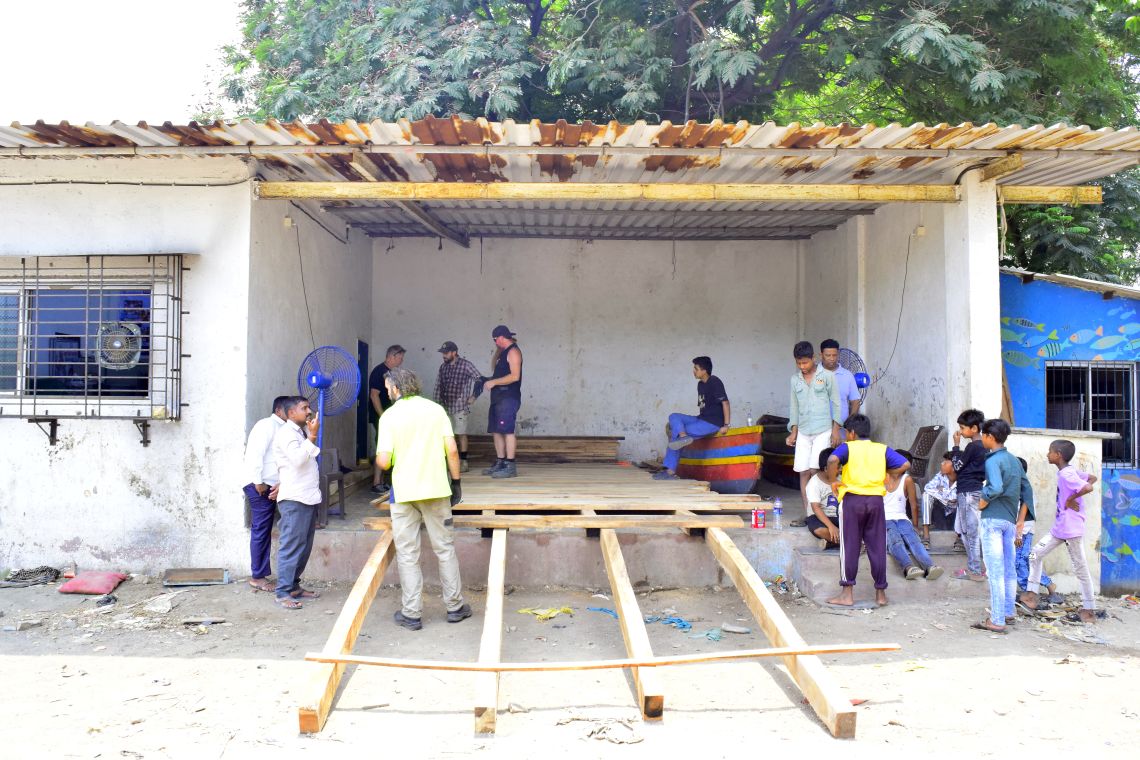
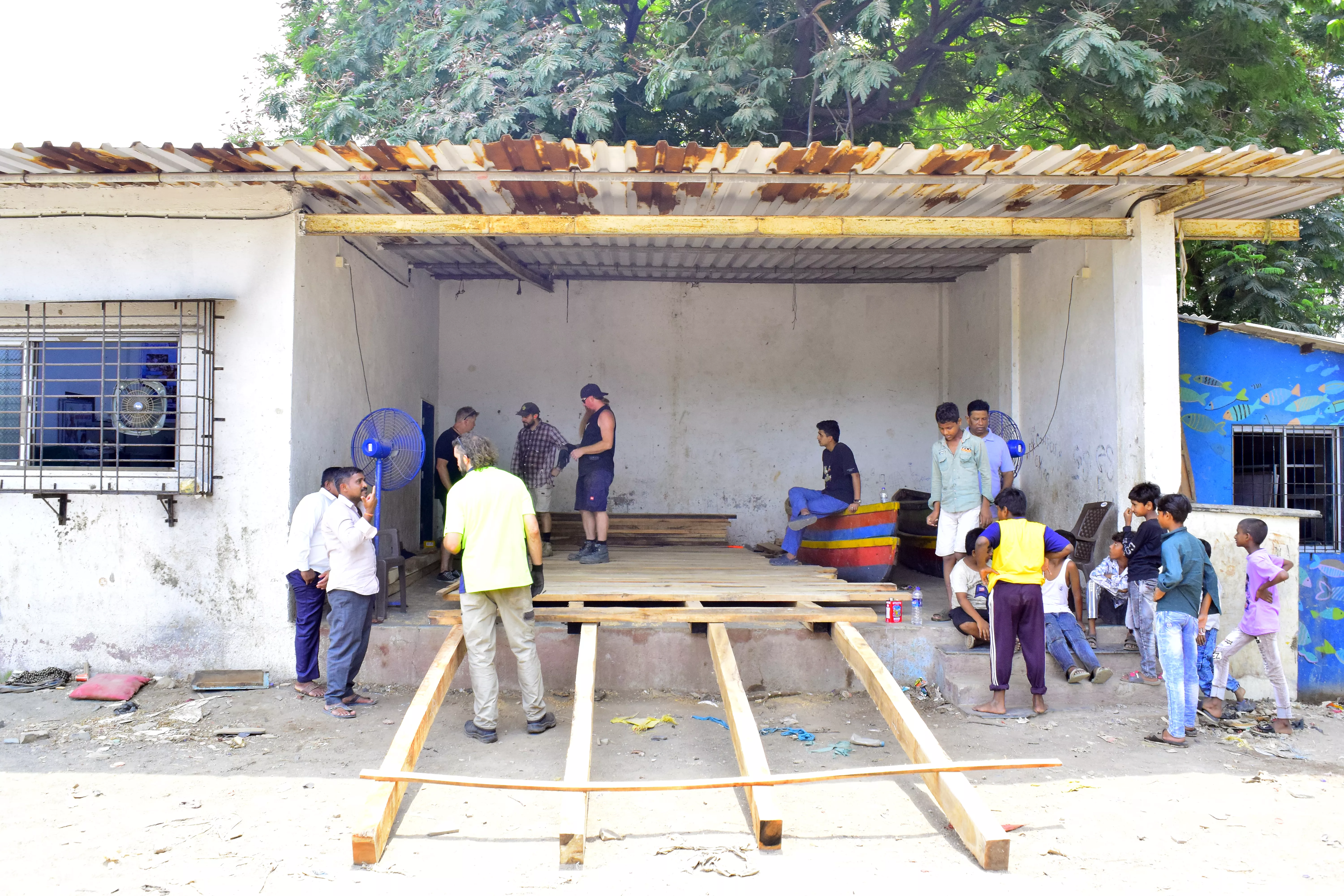
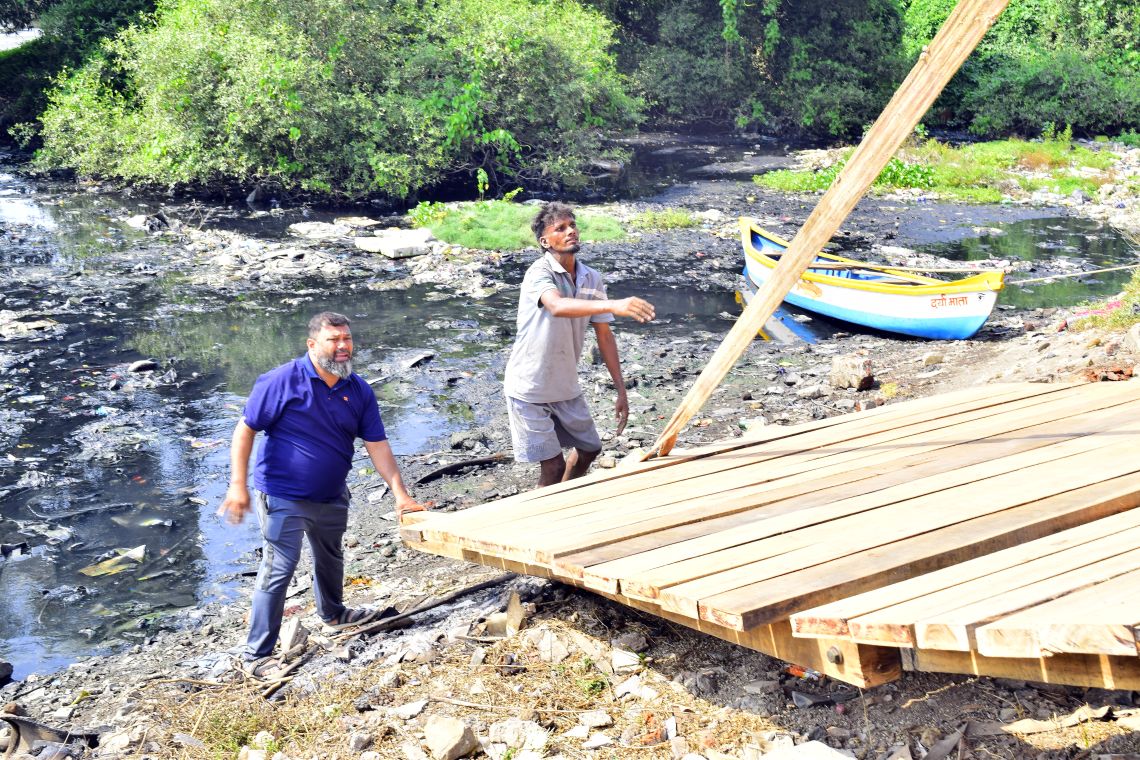
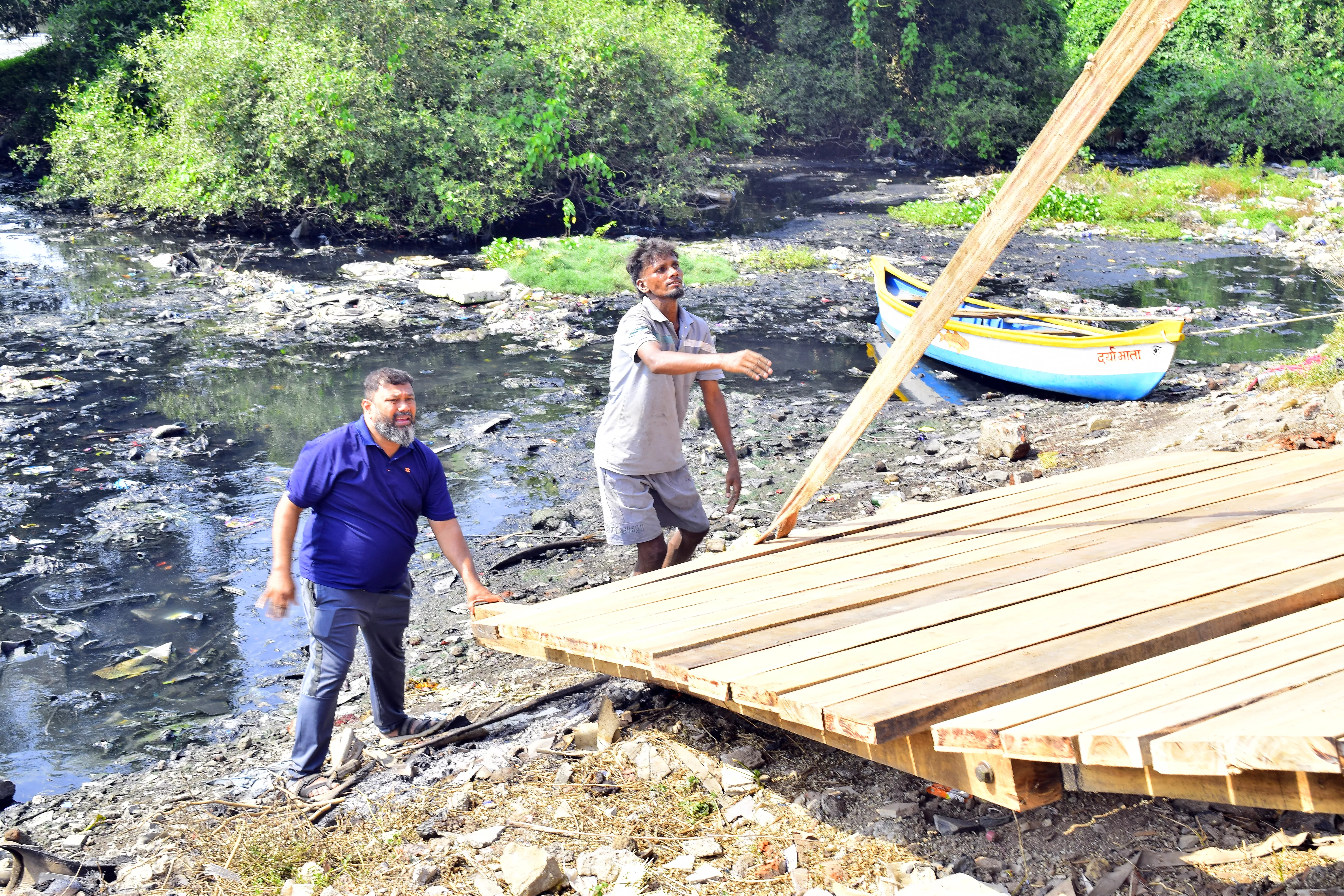
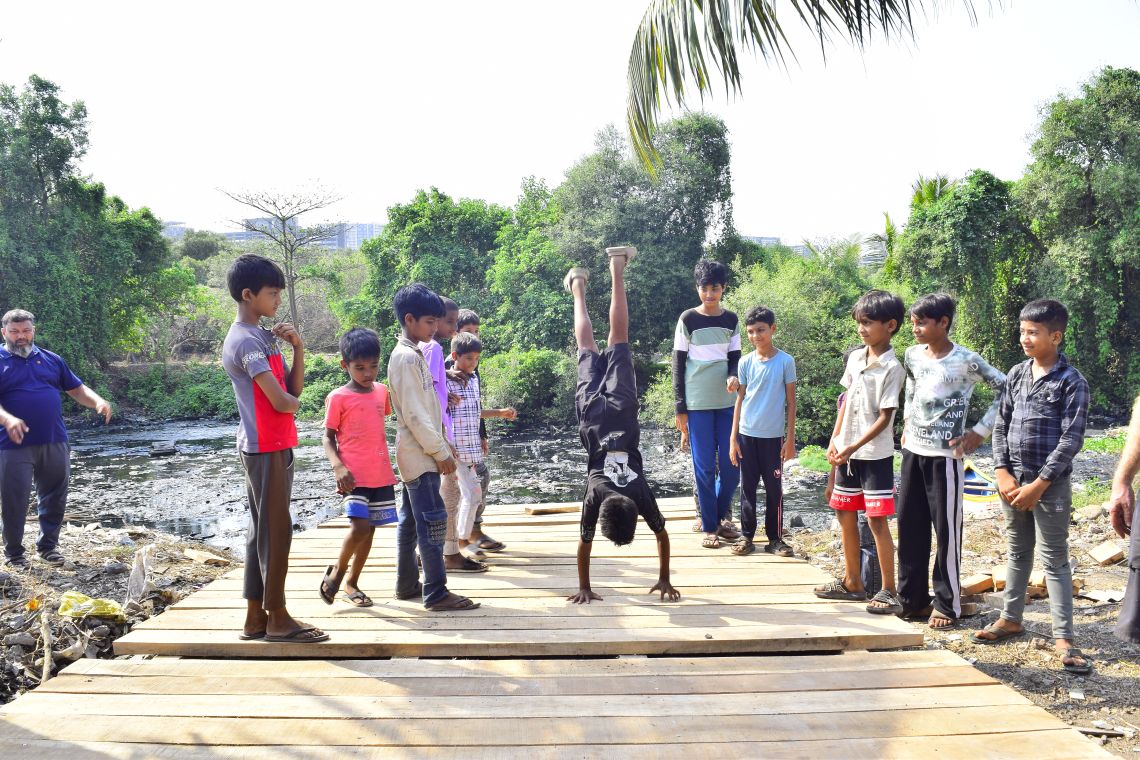
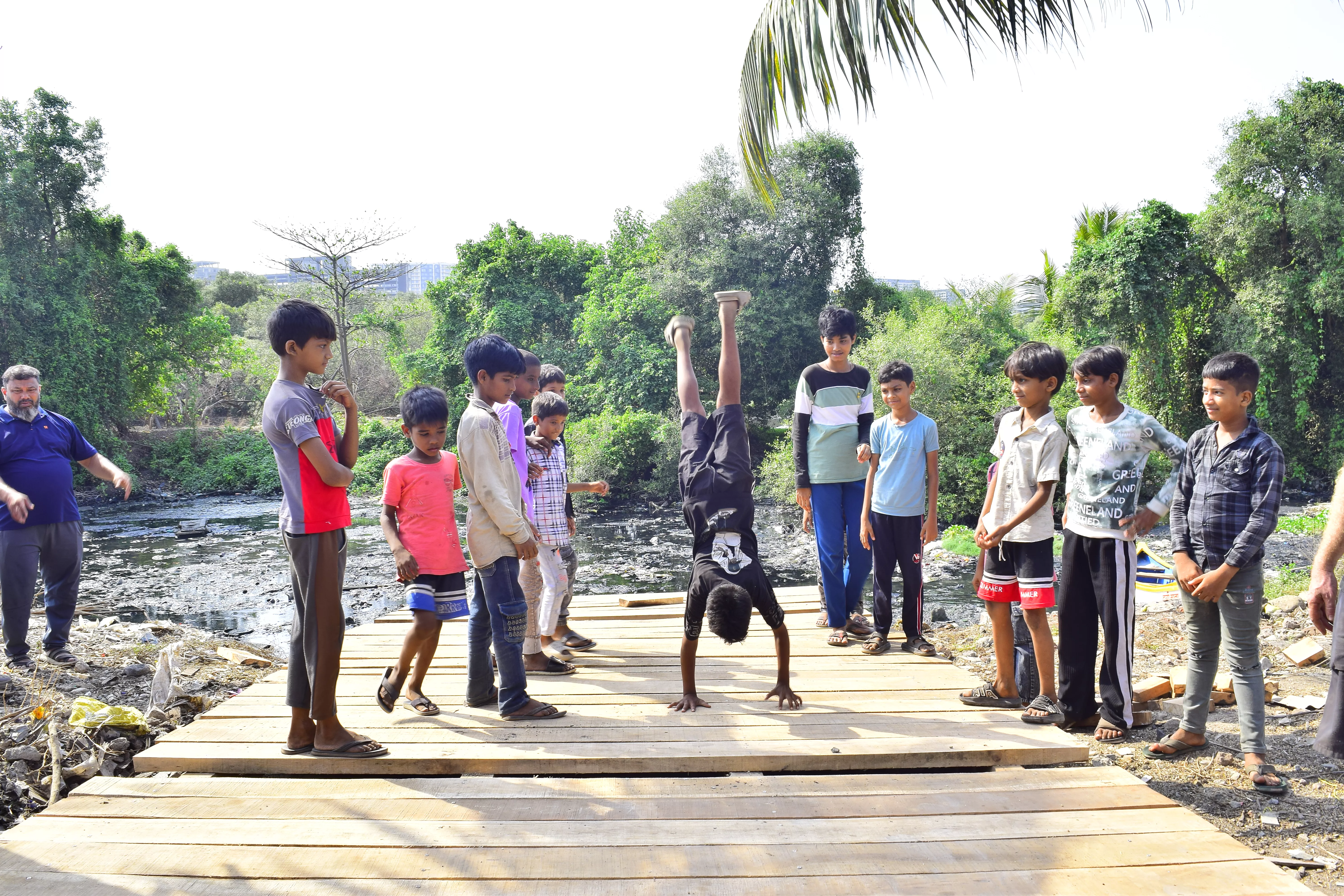
On a covered stage, a few metres away from the watery landscape, five carpenters are busy transforming logs of Babool - a timber most suitable to withstand the brackish waters of the Khadi. They work in a rhythm of quiet efficiency, established over years of experience and camaraderie. As the amphibious device came together, so did people. Some watched, some actively participated. Curious kids from the surrounding settlements expertly hammered nails and offered to run to the hardware store to restock supplies of screws that were rapidly consumed.
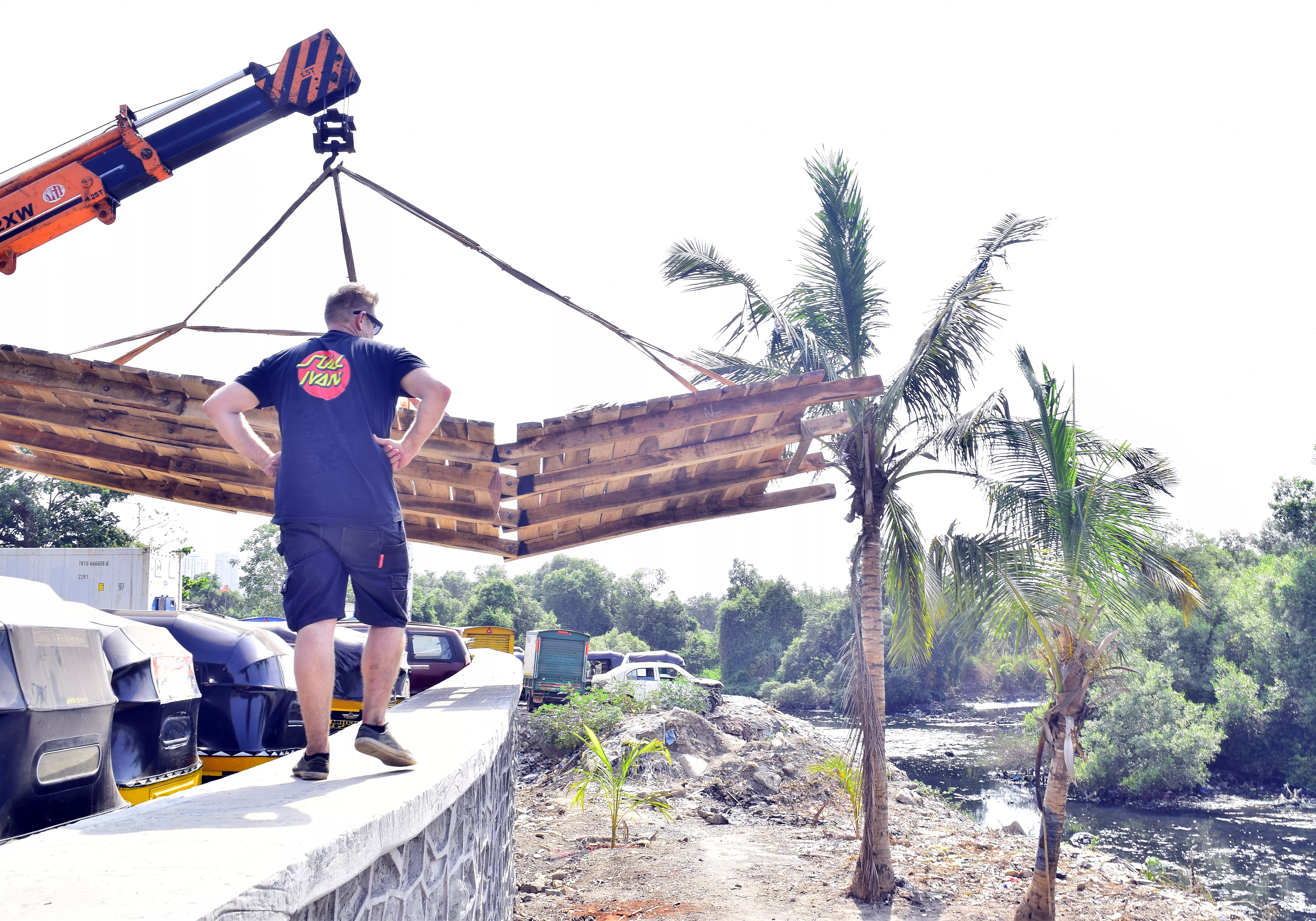
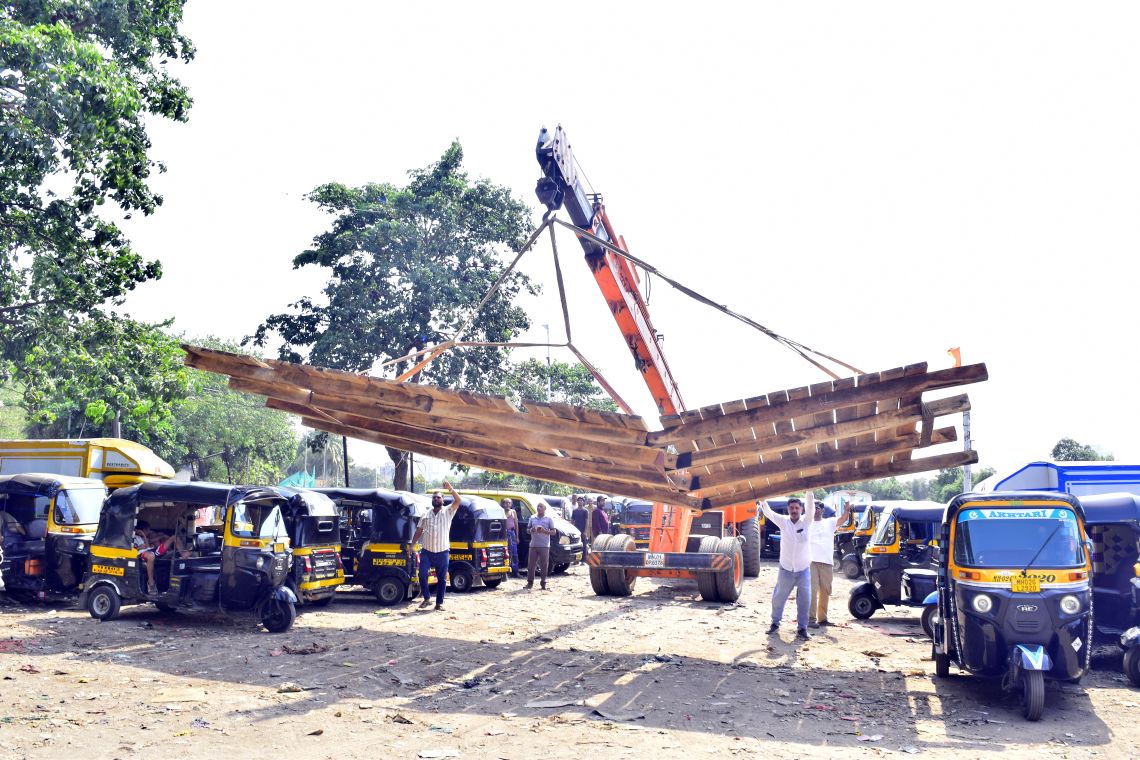
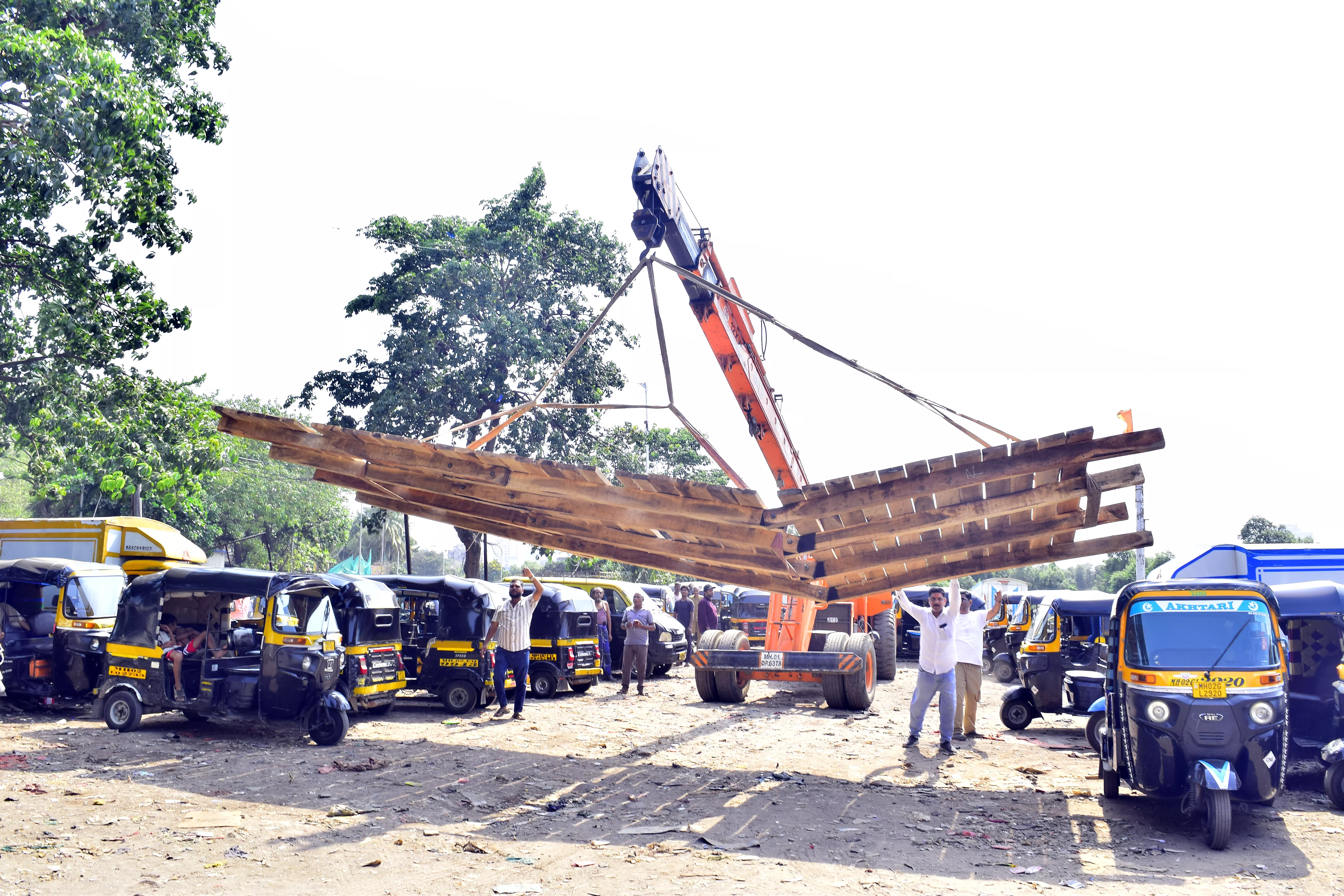
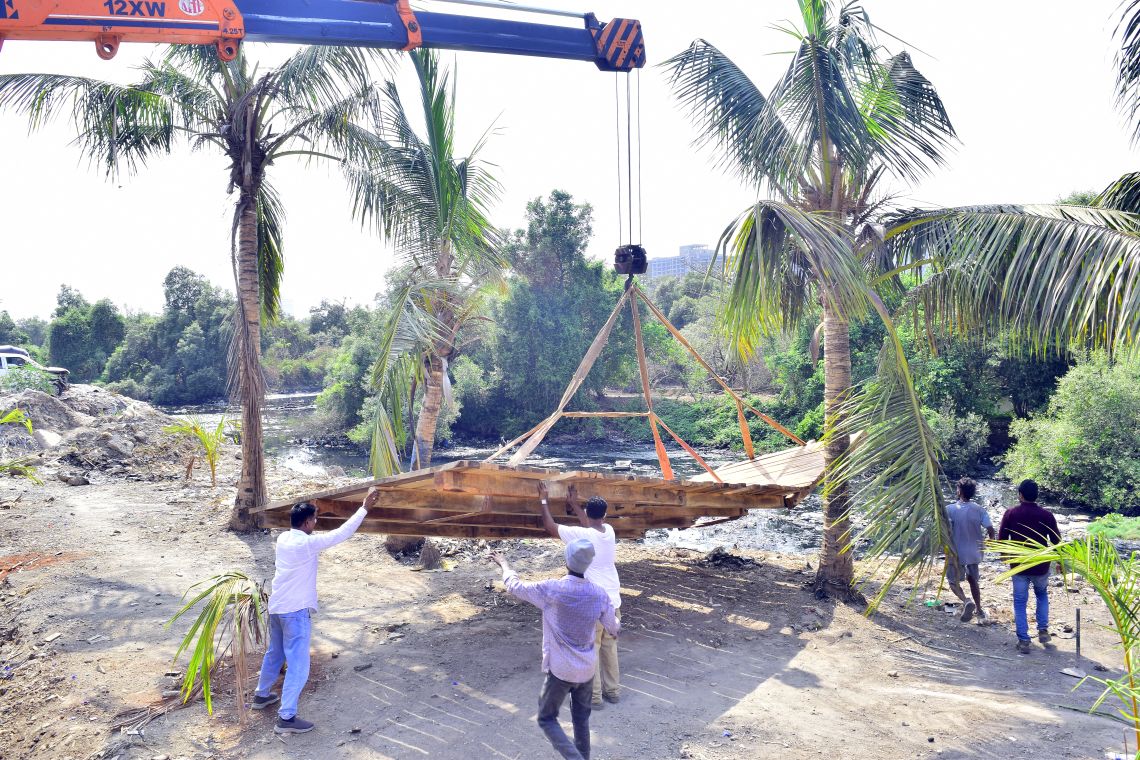
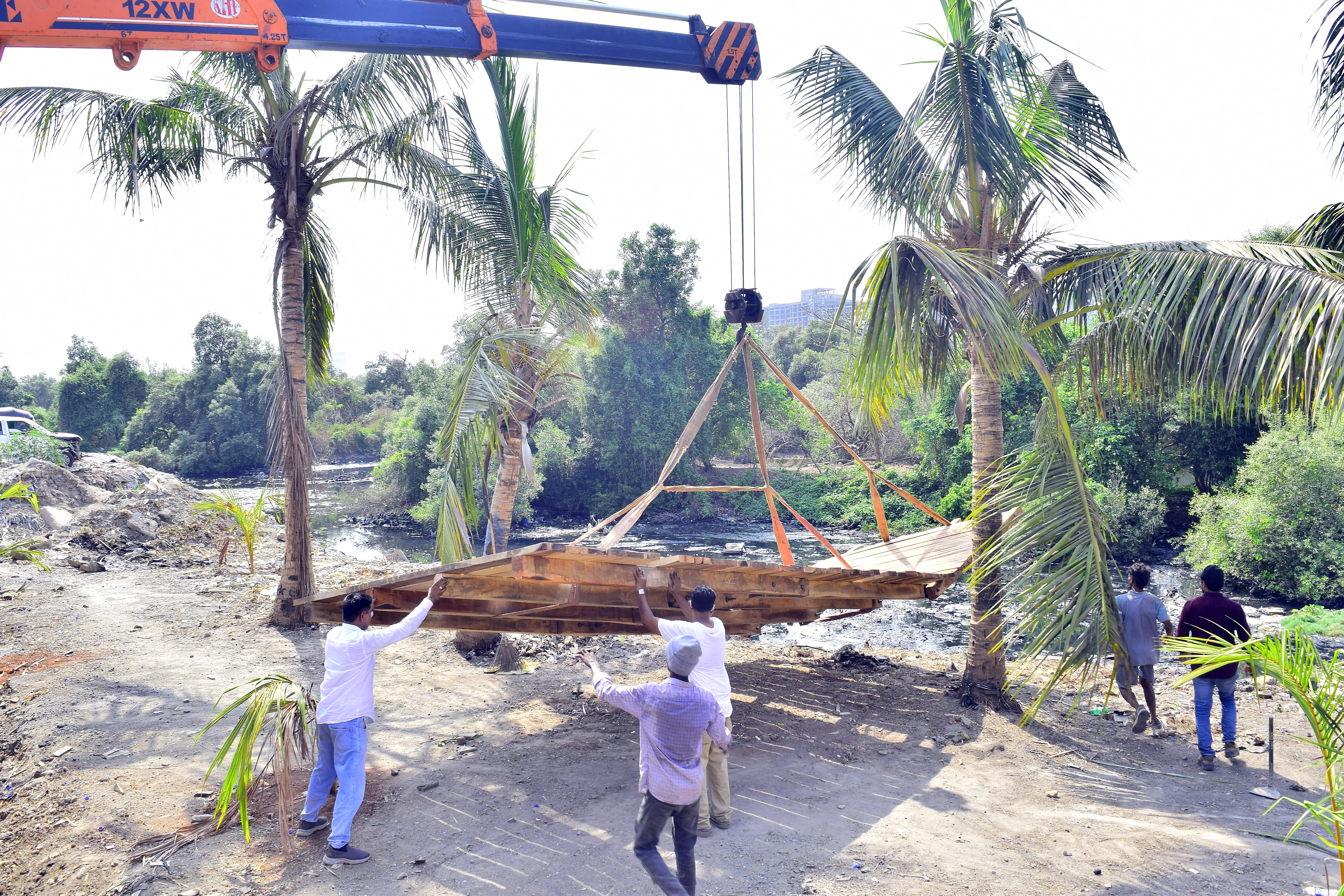
Five days of relentless cutting, sawing and sweating later. The structure, birthed on land, was ready to inhabit the shifting edge between land and water. It was a heavy beast, weighing nearly 2 tonnes. A crane, guided by a cacophonous choir of competing voices, miraculously achieved a synchronised coda and transferred it to its amphibious habitat. Dozens of eyes watched with bated breath as the structure was carefully hoisted. Suspended mid-air, it became a flying spectacle of possibility in the face of the impossible. A symbol of levity, a hope that transcends present realities.
People involved


Related articles
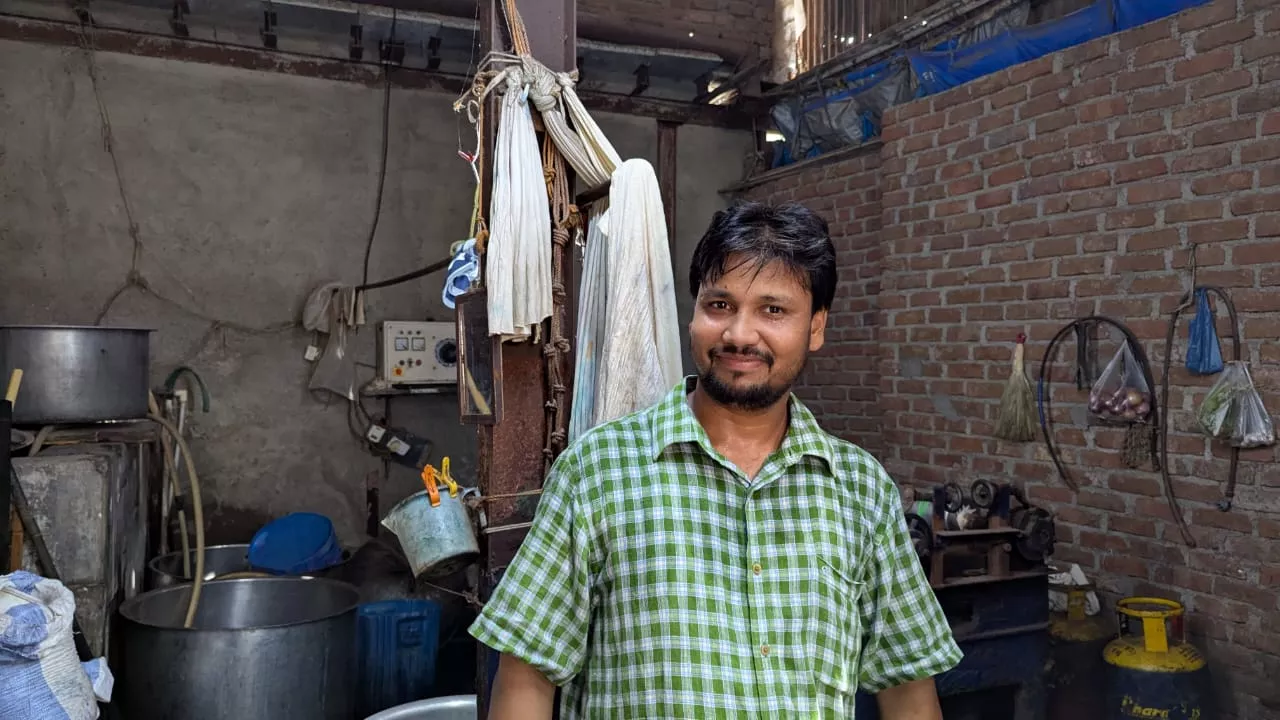
Shahid Sheikh’s dyeing unit in Dharavi may be small, but it’s full of colour, care, and quiet skill. His story is one of patience, pride, and the kind of work that speaks for itself.


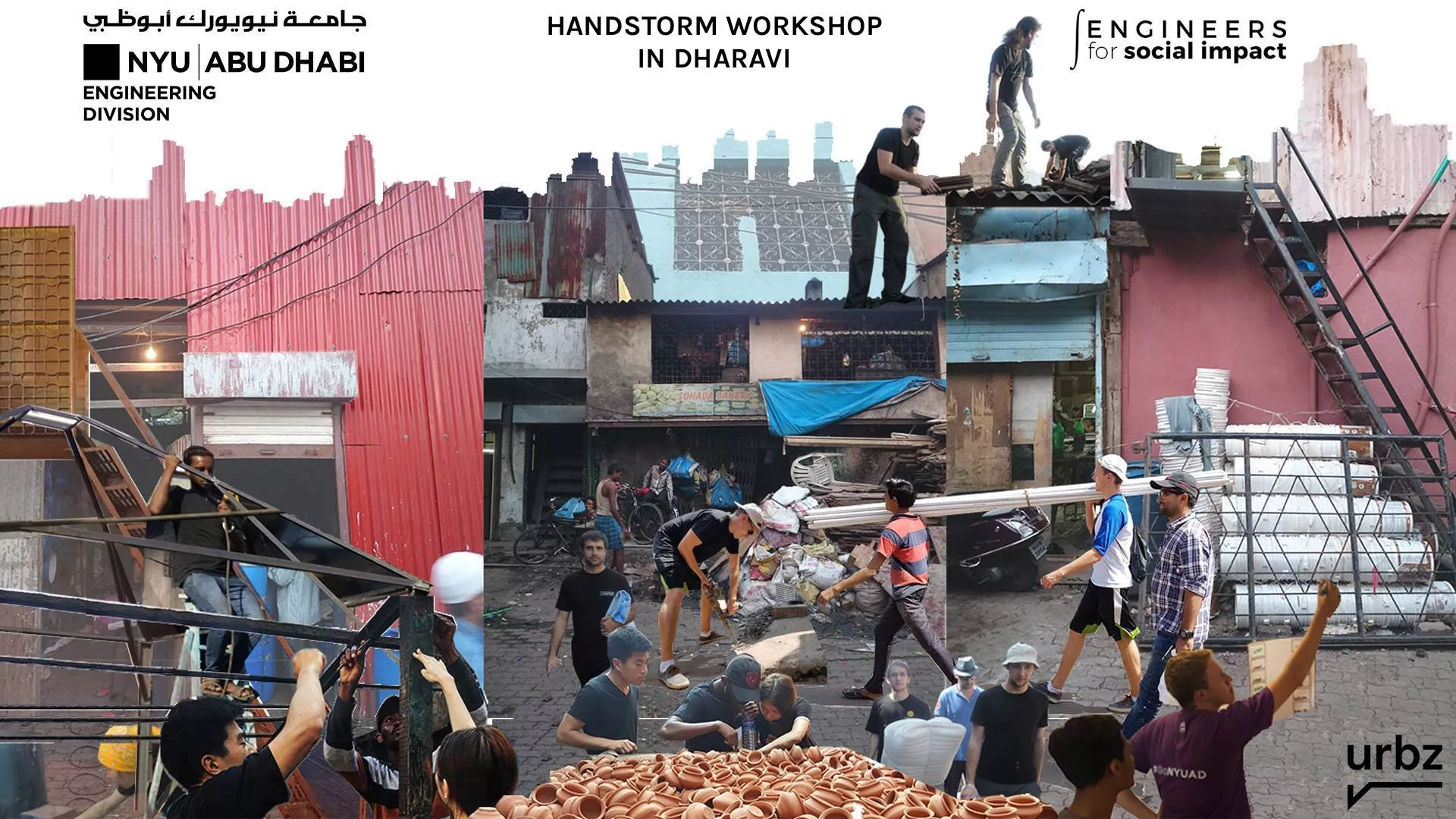
Since 2016, students of the Engineers for Social Impact studio at NYU AD (New York University's campus in Abu Dhabi) have spent one week handstorming in Dharavi, Mumbai. The idea is to research, observe, ideate and handstorm during the week-long workshop, the learning of which are further researched and developed in the studio upon their return to Abu Dhabi. These annual Handstorm workshops in Dharavi generate incremental innovations that improve the quality of life in this massive settlement.


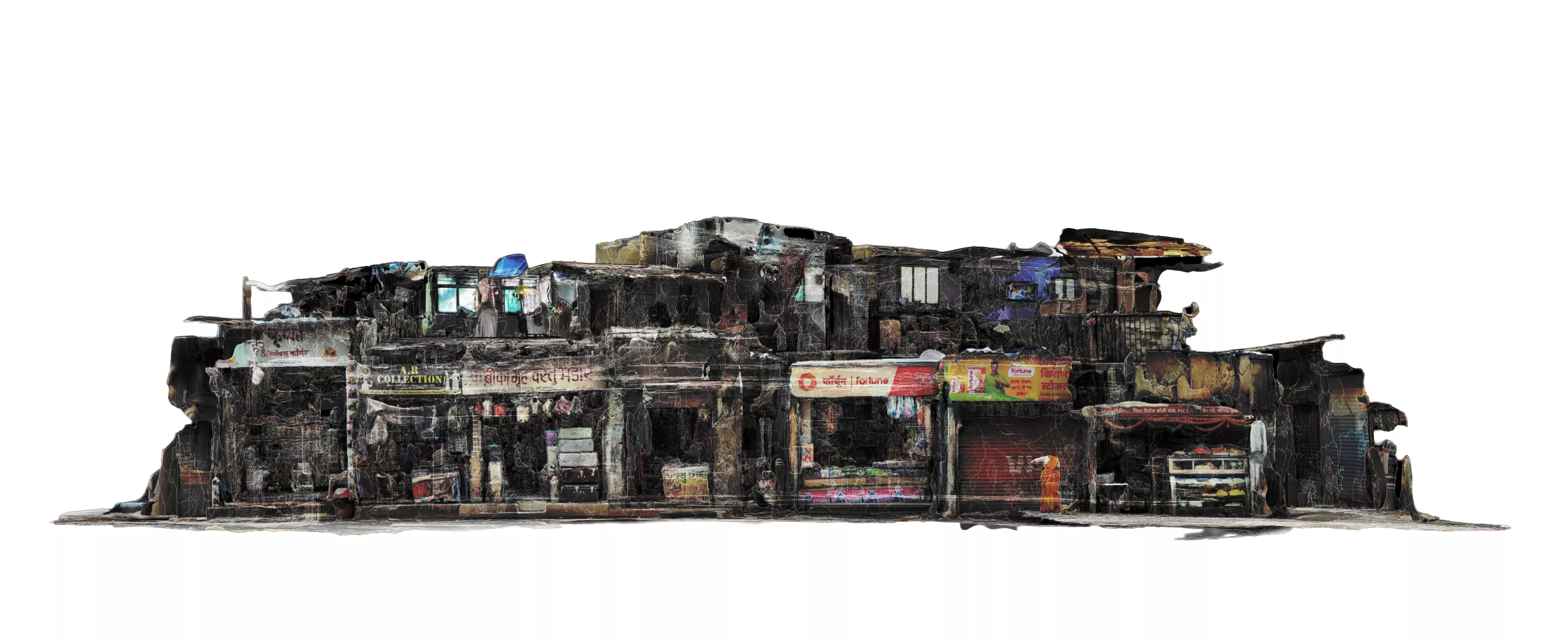
The following text recounts Paarth and Abhay’s experience measuring a plot of land owned by Ramesh Koli and his family. The plot includes a house and 7 shops that face the street. The family hopes to redevelop the plot with urbz.
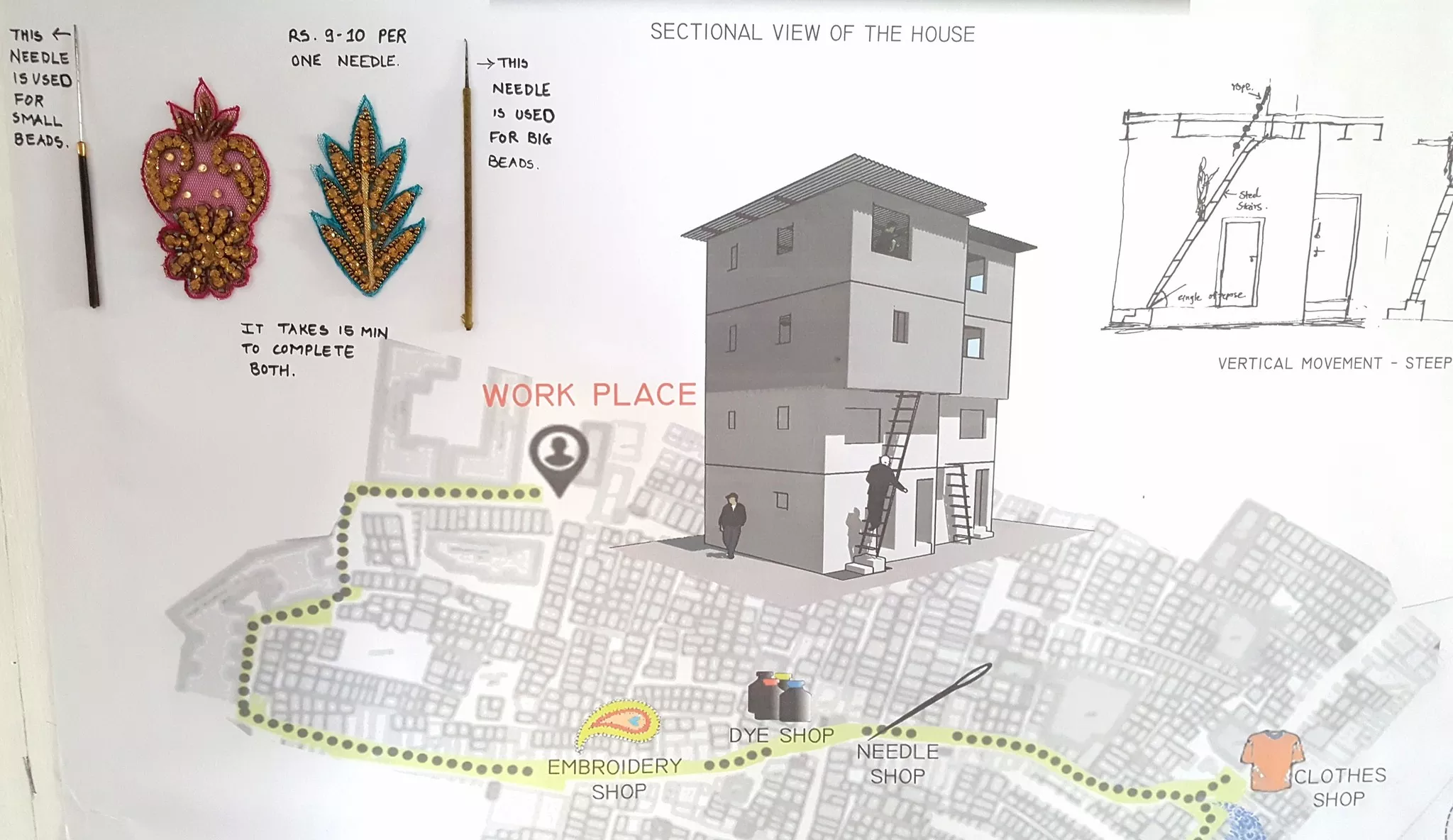
Students from SAL worked with urbz and Dharavi residents to understand the connections and interconnections that make up the neighbourhood and its relationship the city.
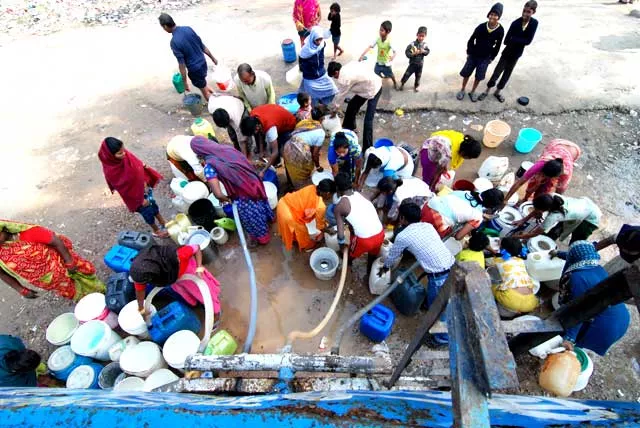
How local, community owned and managed housing co-operatives, can be a vital step towards improving the neighbourhoods, bringing good quality civic infrastructure and making the city genuinely ’slum-free’.
Micro homes which integrate spaces of work and are well connected to the street economy seem to be far more viable on the longer run at all levels.
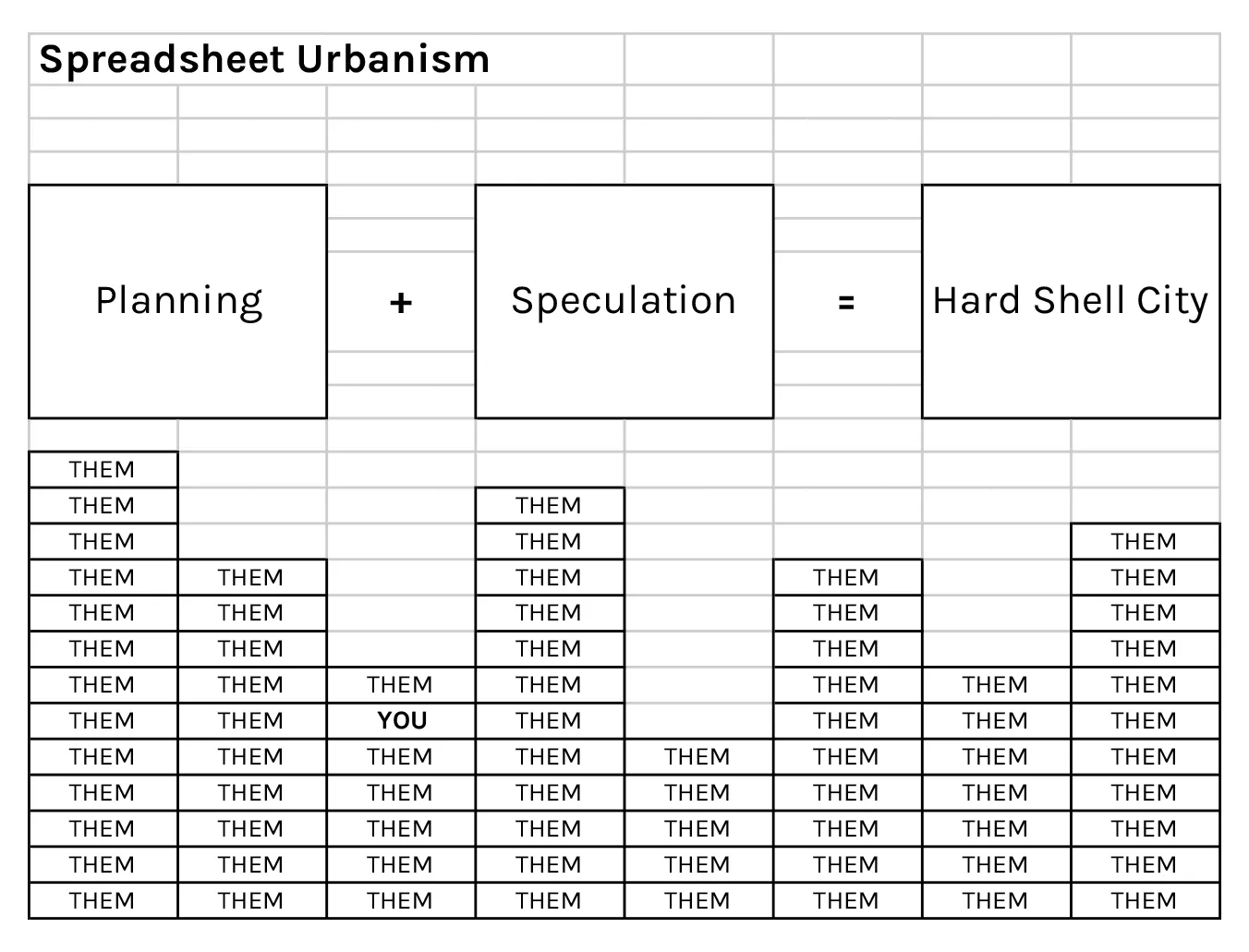
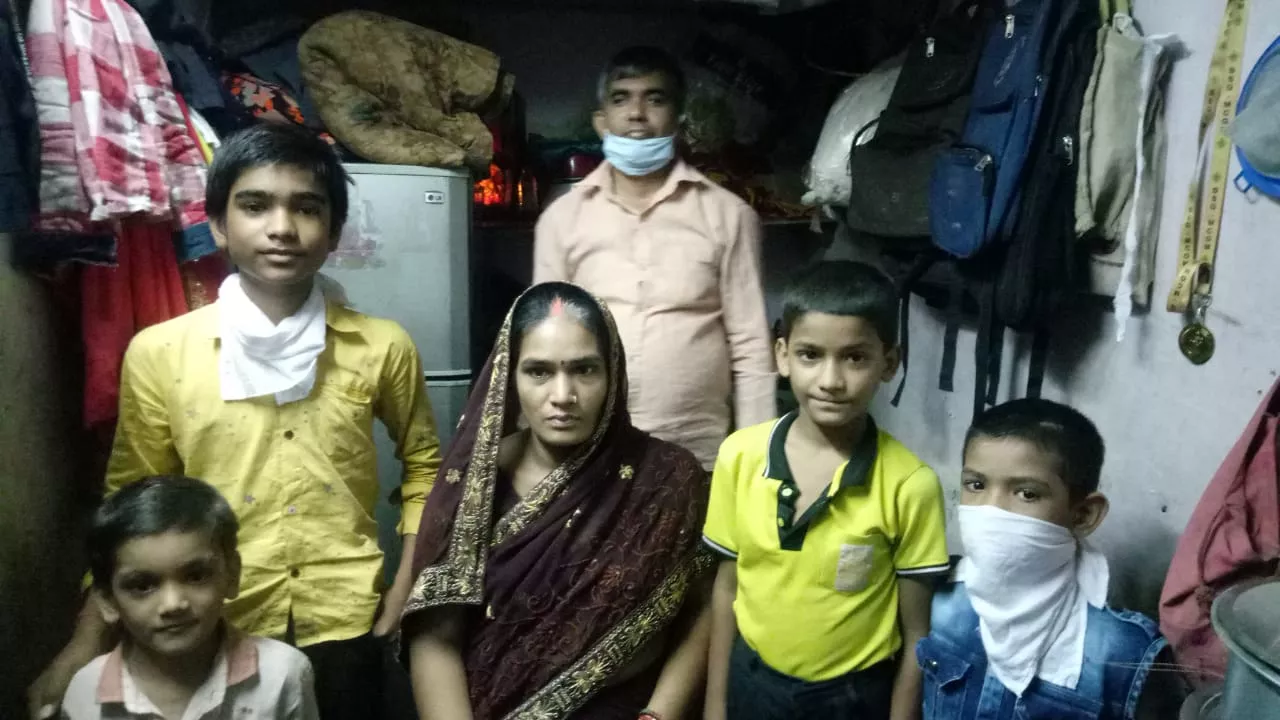
March 24th, India went into a 21 day lock down to maintain social distancing. People were asked to work from home, only step out for essentials and wash their hands frequently. Prior to this announcement, the inter and intra state transportation was restricted. These were part of ‘crucial’ efforts to curb the spread of the novel Covid-19.

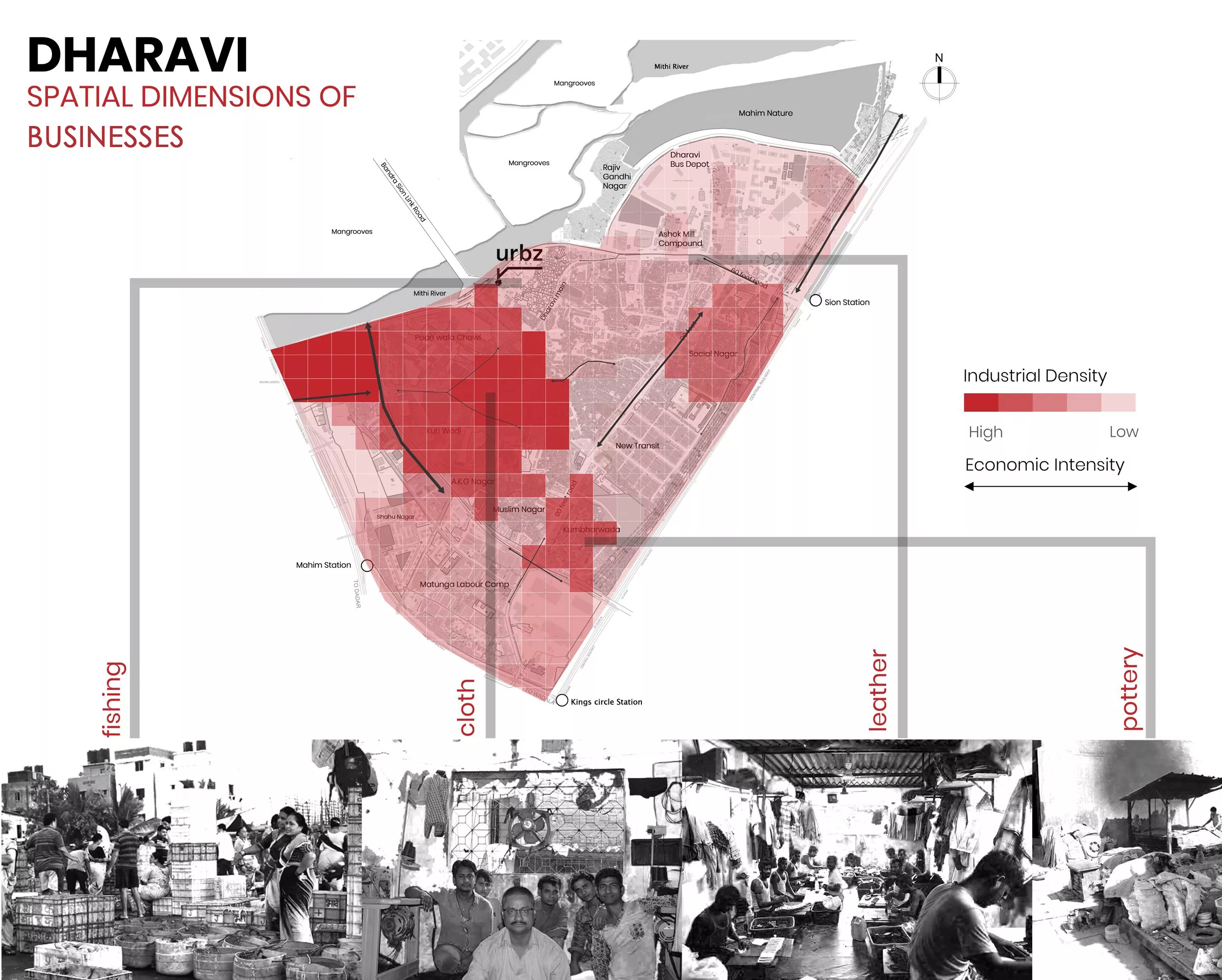
Dharavi is a prime real estate location due to its closeness to public transport systems, business districts, as well as ecological hotspots. The proximity of living quarters to where individuals work, often from within households, brings both benefits and challenges to households and businesses.


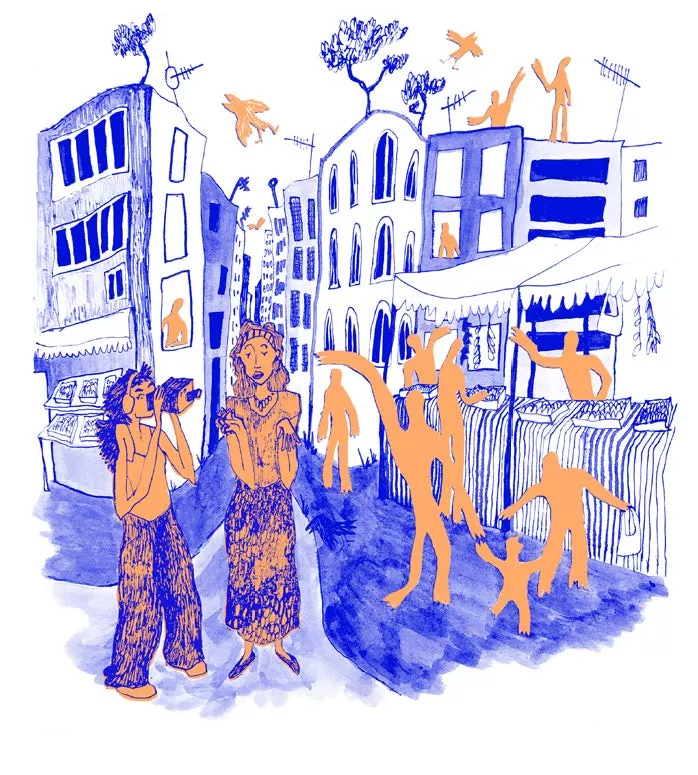
urbz animated a session with filmmakers that foregrounded the idea of locality in storytelling, specifically in the making of fiction films.