The tale of Mary maushi and the steel dabbas.
Authors
Authors

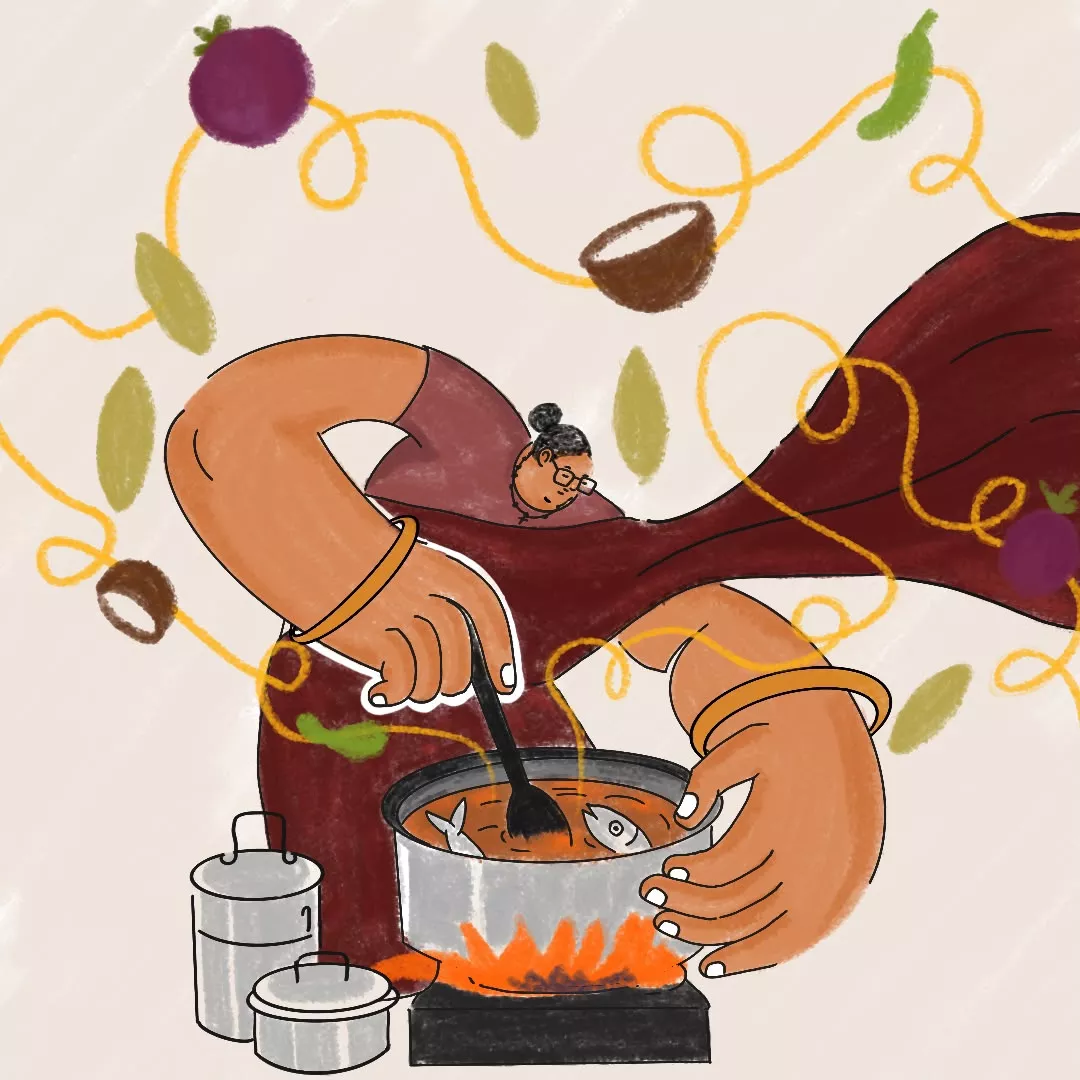
The tale of Mary maushi and the steel dabbas.
Authors
Authors
On my first day at Urbz, on one of Mumbai’s reliably hot and humid afternoons, I saw a figure zoom across the office carrying a theli (read: a large cotton tote bag) filled with towering steel dabbas. Food, I assumed, following the dependable logic of steel containers arriving around lunchtime. My stomach had begun growling around one, despite my attempts to reason with it. By half past one, however, I think my hunger had become audible enough to reach Kareena and Samidha. The office slowly gathered around the brown wooden table, and the unboxing began. Four shiny steel dabbas emerged from the theli. Everyone quickly laid out the steel plates, bowls and spoons. Parth began opening the dabbas, dismantling the steel structure one container at a time.
Realising that lunch was a collective operation, I picked up the sabji dabba and began serving it. Dal was poured into bowls, papads were placed on plates, and two sabjis were passed around. The spread resembled the North Indian thaalis we used to order from our favourite Gujju restaurant back home. The rice remained untouched. It appeared that rice was reserved for the second round, after the chapathi, a custom I observed with some suspicion. I am not very good at saying no, so I watched helplessly as a chapathi was placed on my plate. I remembered the many times I had waved away waiters offering rotis and insisted on rice instead. Wherever I went, I maintained a strict loyalty to rice, dutifully preserving the Kerala stereotype. It is only lunch, I told myself. I can eat chapathi. Adults eat chapathi. I am an adult.
We sat around the table, now crowded with curries and dishes. Kareena reminded me that there was achaar, which, in my opinion, remains one of India’s greatest inventions. Then came the curd, occupying the final available patch of wood, and my first lunch at Urbz officially began. With the first bite, I realised that perhaps chapathis deserved another chance. It was buttery soft, lightly polished with ghee, and seemed to melt into the sabji. The dal, sabji and curd soon disappeared from my plate. The first luncheon had been a success. Curious about the person responsible, I asked, “Who cooked this? Where does the lunch come from?”
The answer was Mary Koli, known to everyone as Mary Maushi (aunt - Often used respectfully for any close female family friend or neighbor of your mother's age). She handled the housekeeping at Urbz after office hours and had been working there for nearly fifteen years. Since the previous year, she had also begun preparing lunch for the team, adding another source of income to her work. The office had tried lunches from a few local cooks, but Mary Maushi’s food had remained the favourite for some time in this informal roster of chefs. Mary Maxi Koli was born and raised in Dharavi Koliwada and belongs to the Christian Koli community. She is a small, lean woman with her hair gathered into a neat bun and a rosary hanging around her neck. Near her wrist is a small cross tattoo, now slowly fading. When you smile at her, you receive a smile in return.
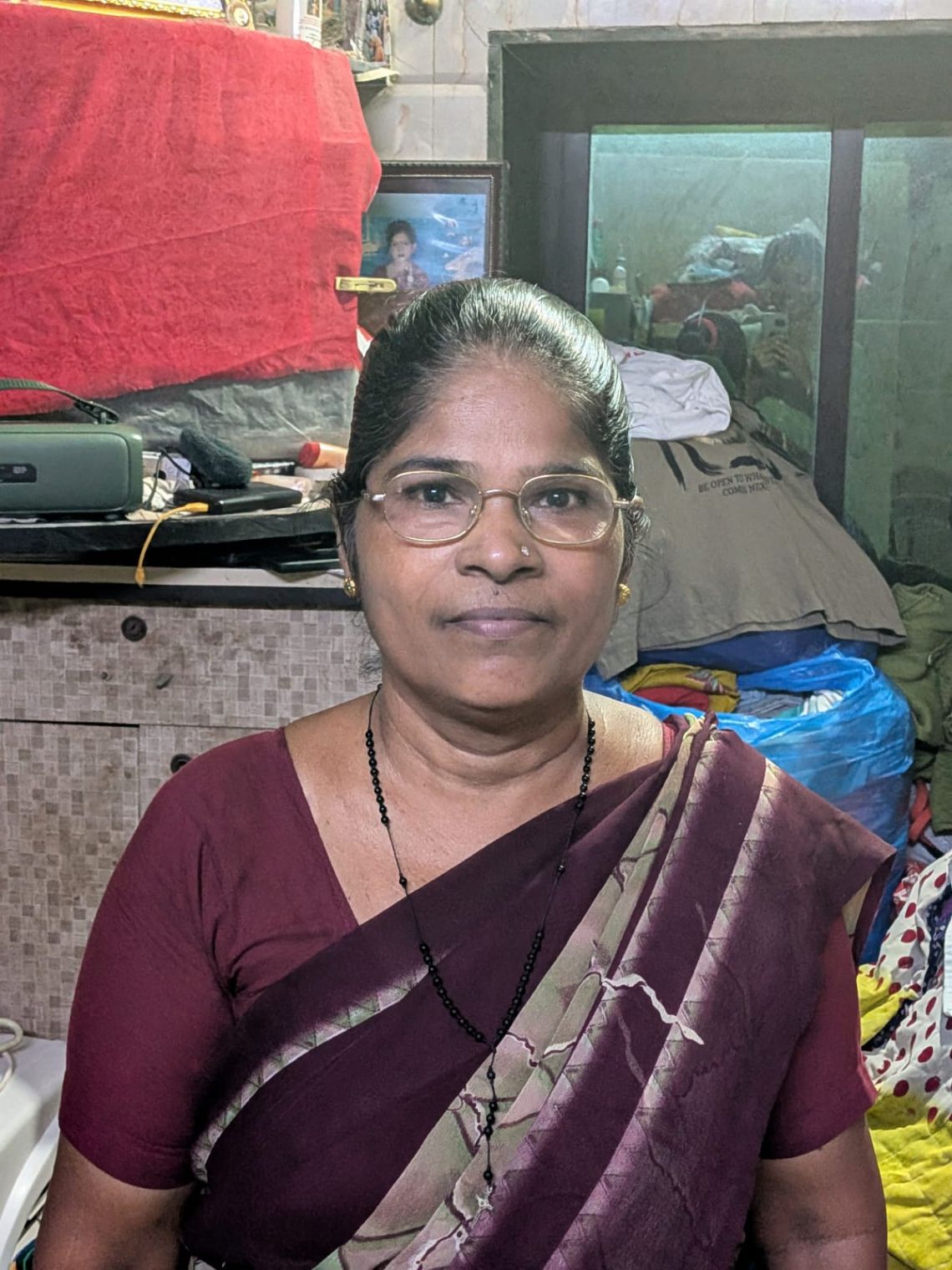
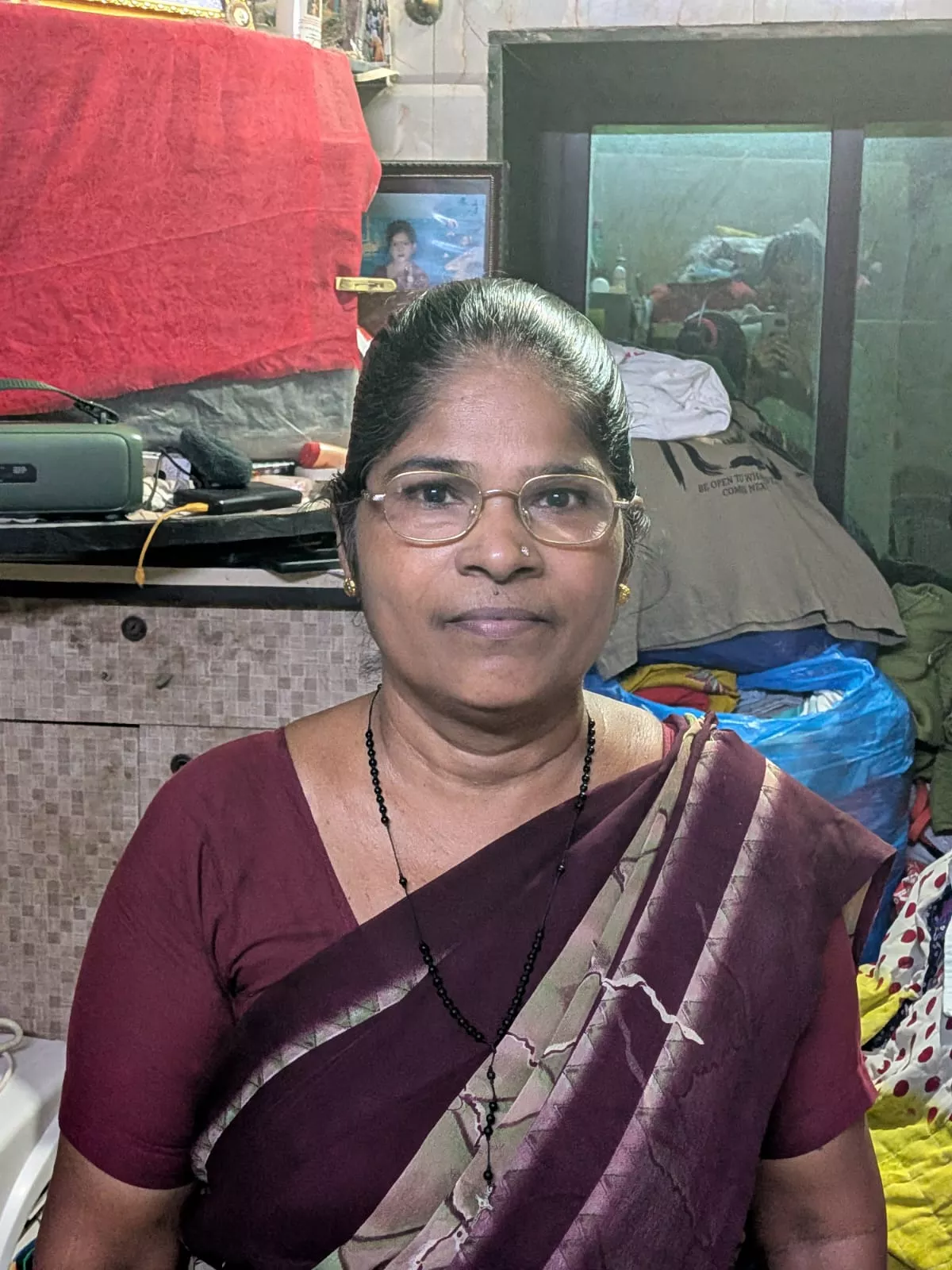
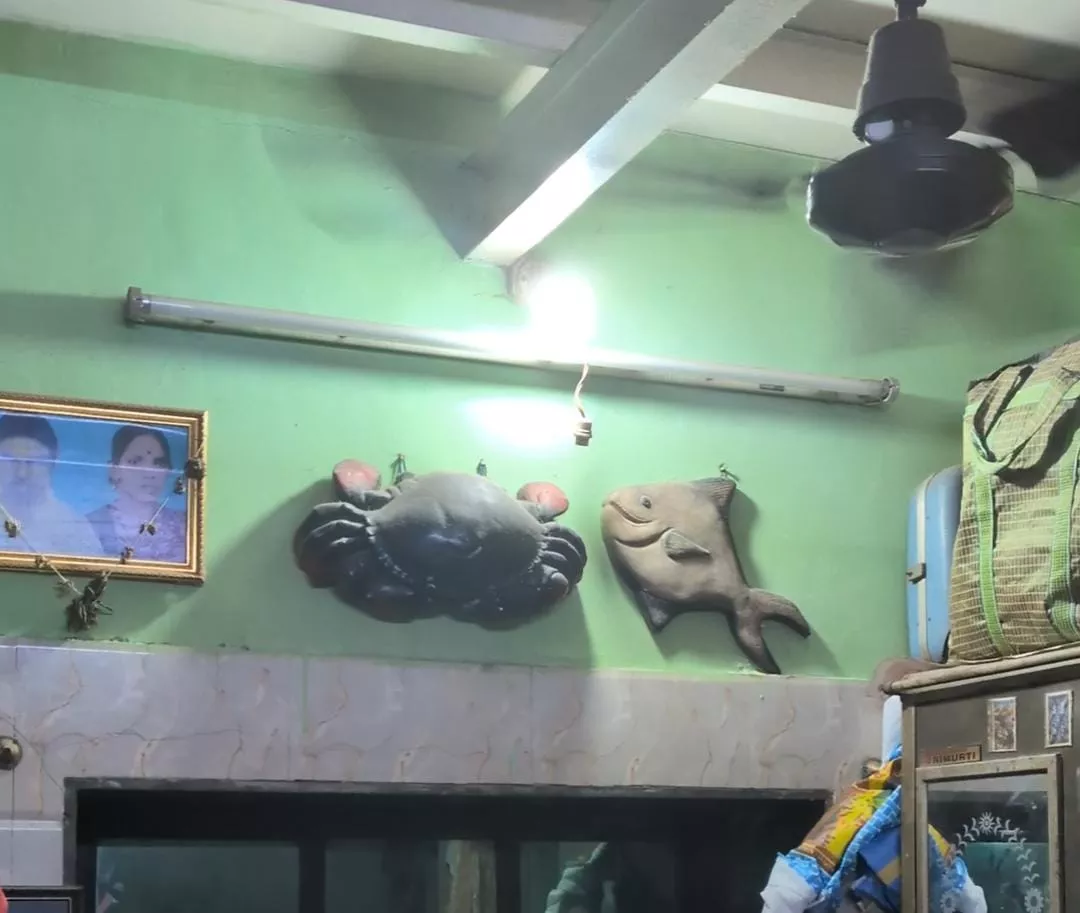
She studied until the third standard before leaving school to support her family through piecework in a garment factory. Like many women in the community, she began balancing paid work with household responsibilities at a young age. She learnt to cook from her mother, a fisherwoman from Malad, and those memories continue to shape her understanding of food, work and community. Mary Maushi plans the menu for Urbz every day. For her, the taste of sea fish is distinct and irreplaceable. She prefers it even to fish caught from the Mithi River. “Taste different,” she explained as a matter of fact. I accepted that my understanding of fish still had some catching up to do.
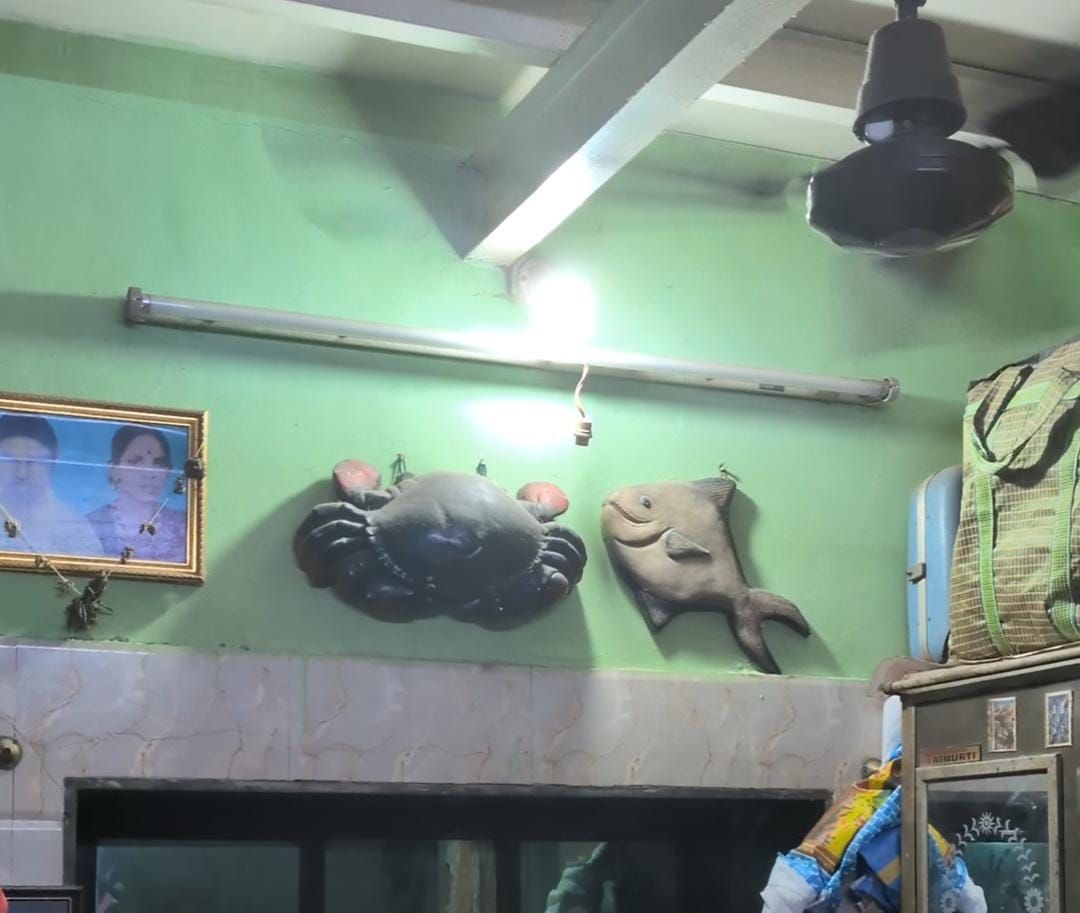
One afternoon, I became a fly on the wall in her kitchen as she prepared chavlachi roti (flatbread made from rice flour) and lal surmai curry (tuna). After a recent eye surgery, she now had to put on her glasses while cooking. Between one task and the next, she kept feeding me halwa that she had brought back from a trip to Velankanni (A famous Christian pilgrimage town in Tamil Nadu, India). The kitchen was small, but everything required for lunch had its place. The fish had been cleaned using water stored in large buckets, necessary because water reaches Dharavi homes only at fixed intervals. Coriander, coconut, chillies and other spices had been ground beforehand and stored for the curry. Mary showed me the different kinds of imli and kokum in her kitchen. She was also very clear about what did not belong there: Coorgi kodampuli, she told me, was used more widely in southern parts of the country, unlike the imli and kokum she used. Her movements carried the certainty of repetition. The tawa stayed on for precisely as long as it needed to, while one rice roti followed another. Yet the work was not effortless. Making the rotis hurt her elbows, she said, but she continued because her children, Loretta and Lucas, still liked them. Mary Maushi lives on the upper floors of a house tucked inside one of Dharavi’s many narrow lanes, with her husband, three children and two rescued dogs. The colourful home, its walls covered with pictures, was typical of Dharavi’s incremental construction. Her husband passed away last year, and her eldest daughter, Rebecca, has since married and moved out of the small home.
Once the rotis and curry were ready, Maushi served me a plate. Leo, one of her rescued dogs, settled near my feet and waited as I ate. Lal surmai, apparently, was one of his favourites too.
“Matthi pasand hain?” she asked.
It took me a moment to realise that she was talking about sardines, also called matthi in Malayalam. She had heard customers use the word at fish markets and worked out which fish they meant. It was a small reminder of how knowledge travels through markets: across languages, customers and repeated conversations over fish. After every few bites, she asked whether I liked the food. I nodded enthusiastically, assuring her that Koli fish curry could stand proudly beside Kerala-style fish curry, a declaration I do not make lightly. Meanwhile, Leo continued to wait near my feet, perhaps hoping that the comparison would conclude with a practical demonstration of generosity.
By 12:45 p.m., the food had been packed into the large steel dabbas, ready to make its daily journey from Mary Maushi’s kitchen to the brown wooden table at Urbz. The figure I had seen zooming into the office every afternoon, I later learnt, was her daughter Loretta, delivering her mother’s food promptly.
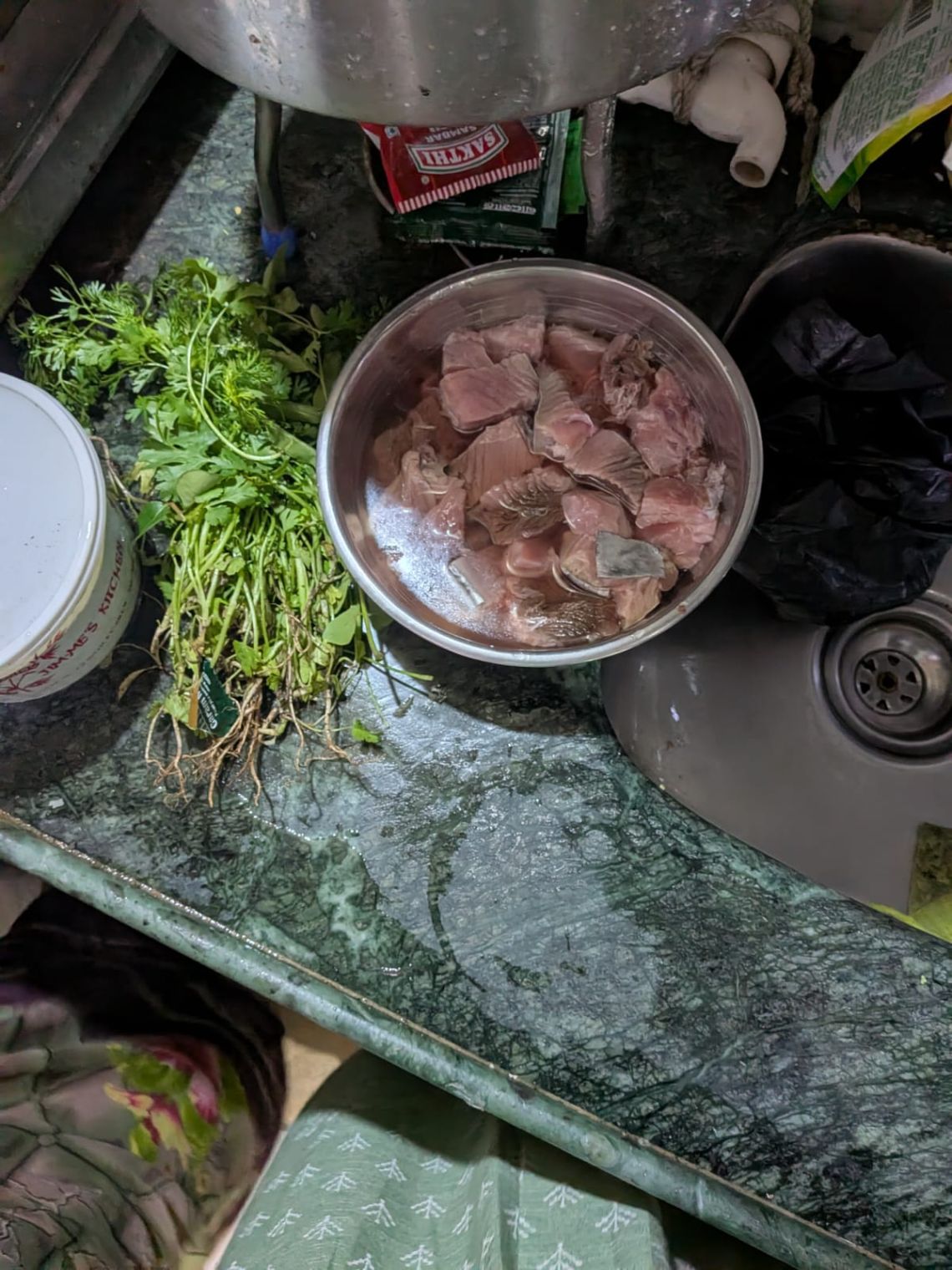
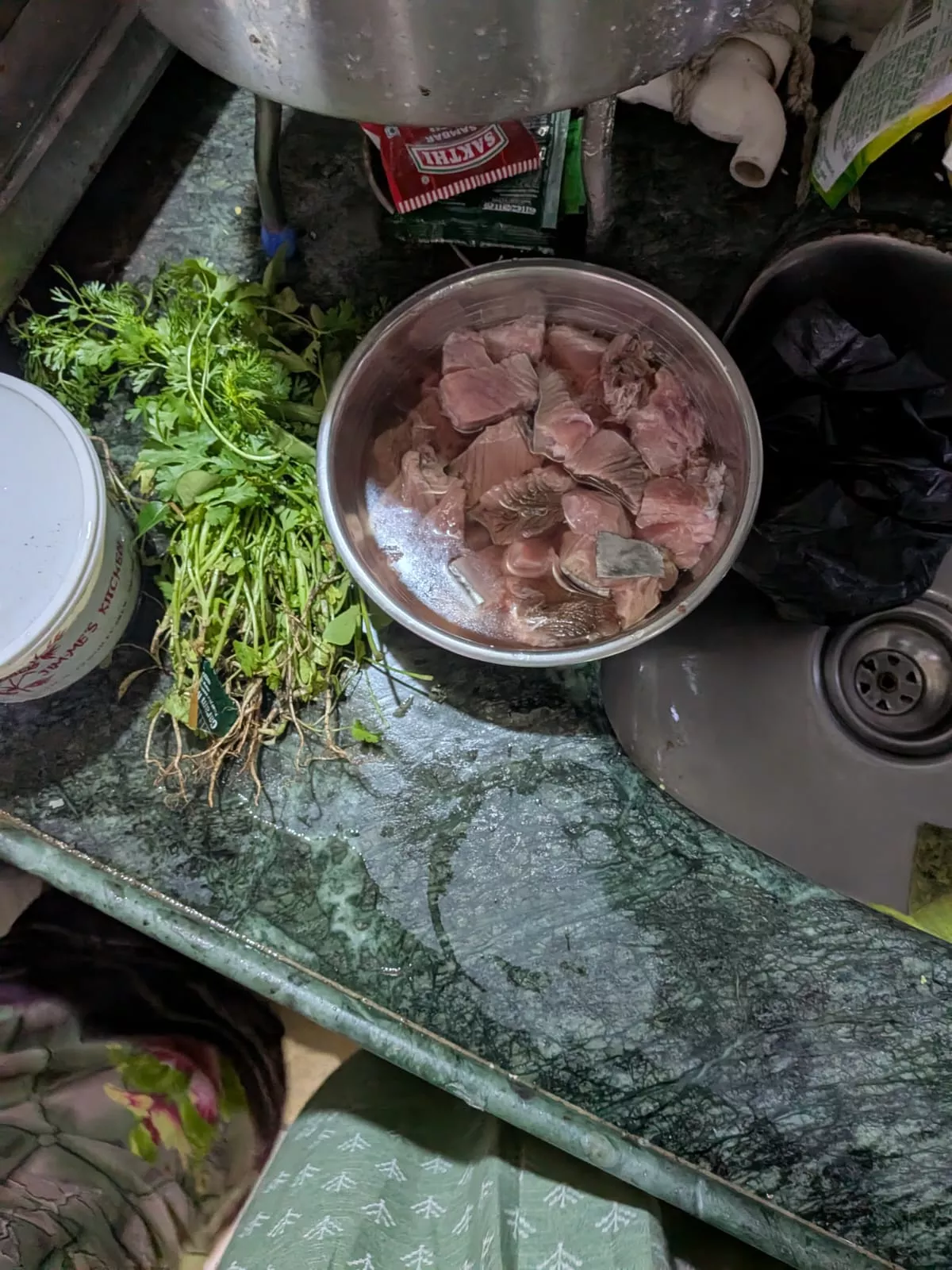
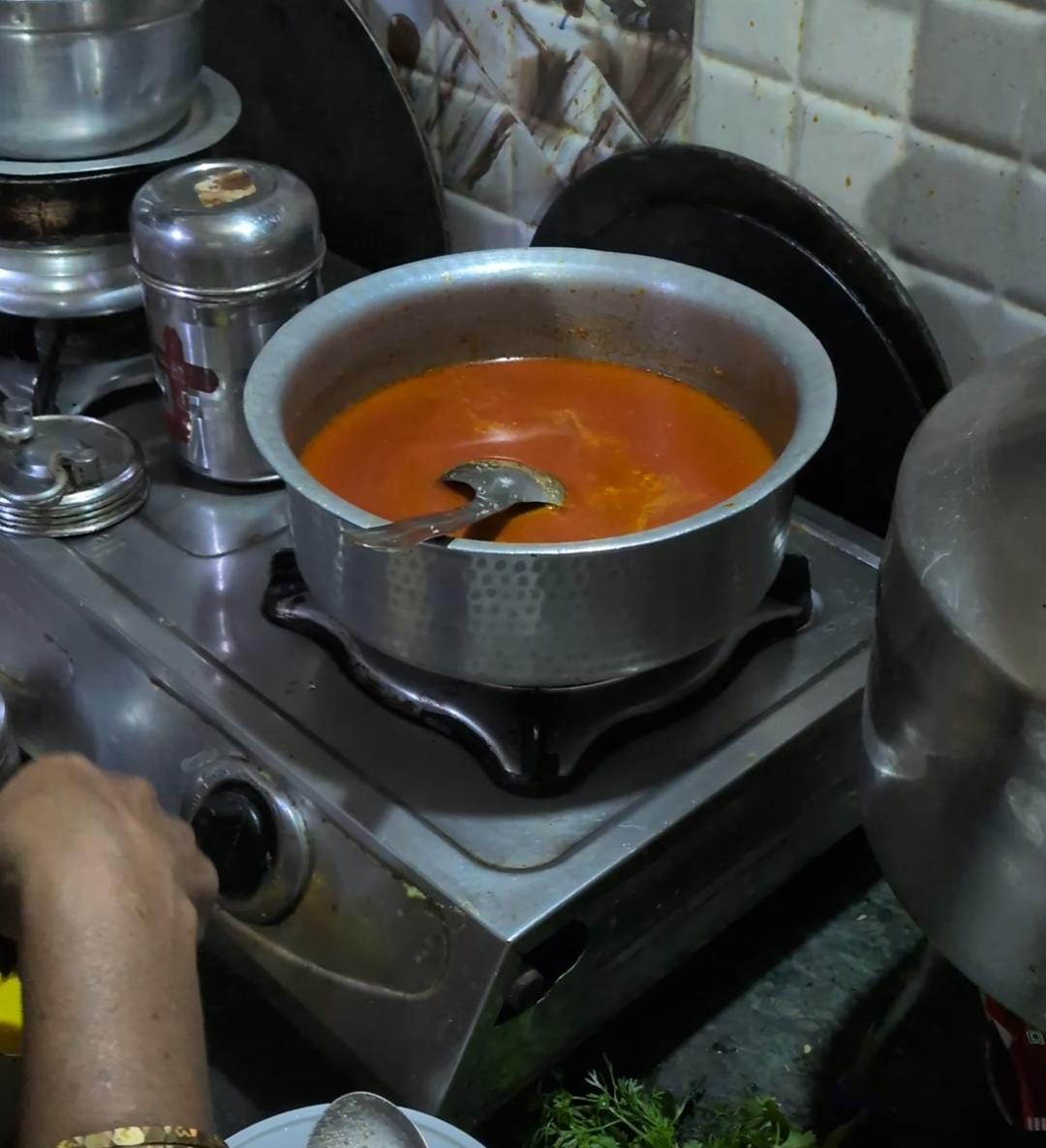
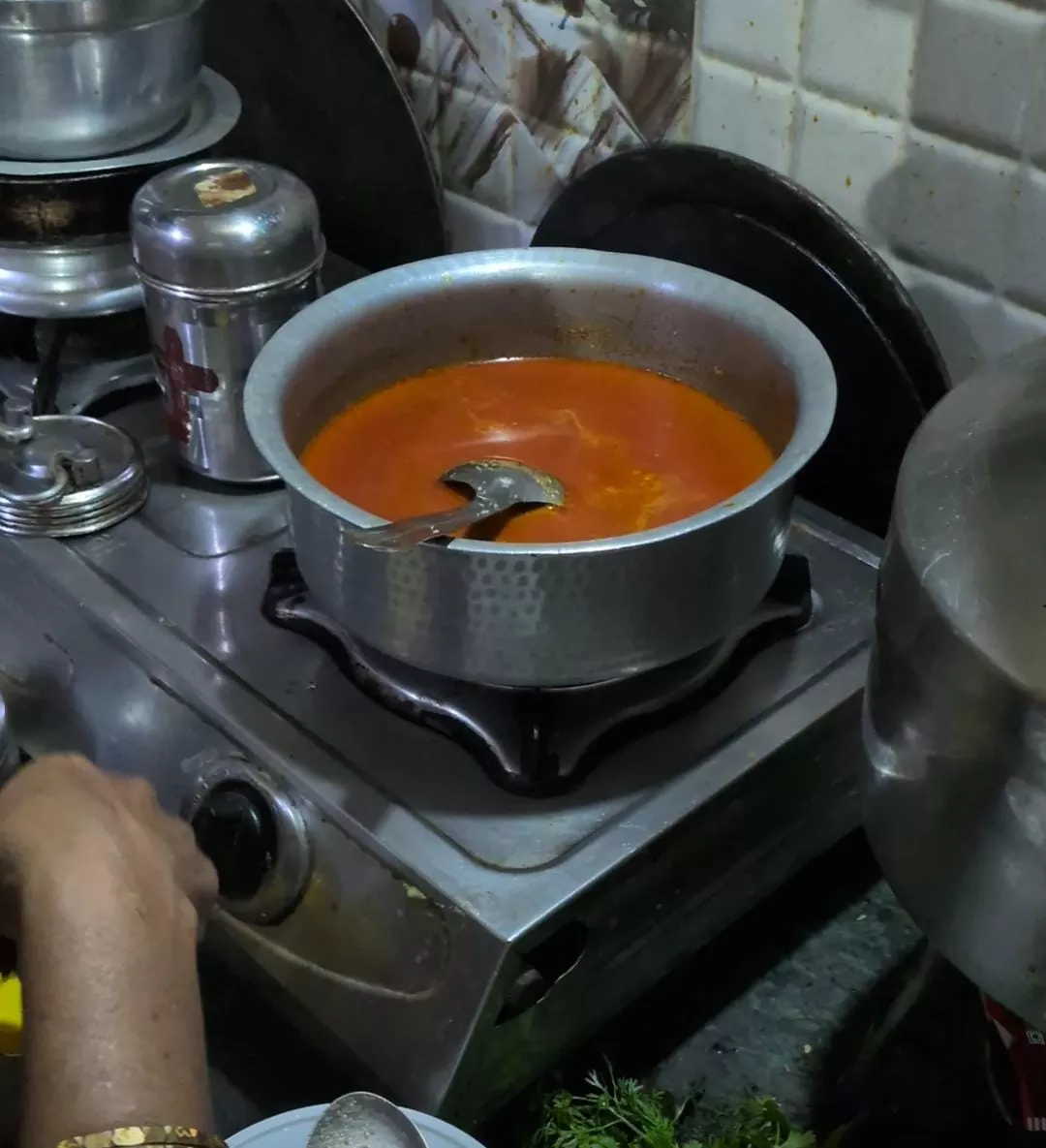
With time, lunch became more than the arrival and dismantling of steel dabbas. On her last day at the office, Aruvi, another co-intern, said that lunchtime was her favourite part of the day. I realised that it was mine too. Around that wooden table, we discussed Dharavi, politics, the state of the country, movies, women and protests. Growing up, like many other women, in an environment where discussing politics over food was frowned upon, this felt refreshing. At Urbz, it came naturally. Of course politics could be discussed over good food, food deeply connected to the identity of one of Maharashtra’s oldest Indigenous communities. Where could it be more fitting than this? We made plans between mouthfuls of dal and sabji. I never felt the need to reach for my phone or play another series to keep me occupied while eating. We talked, shared and enjoyed Mary Maushi’s Koli thaali. On request, she would send chicken or fish. Once, she sent shrimps so tiny that I held one close to my eyes to inspect it properly. The food had witnessed two months of my learning and unlearning, about alternative ways of thinking about cities, community identity and, somehow along the way, the names of many different fish.
Before joining Urbz, people had offered me cautionary tales about Dharavi. My own assumptions had joined in, warning me that the food might not be safe and that I should avoid eating anything. Sitting around the table day after day, waiting for Mary Maushi’s dabbas to be opened, I understood how misplaced those assumptions had been.
When Shikha joined, she told me that a friend had already informed her that lunch at Urbz was superb. And I find myself qualified to confirm this. It is indeed.
People involved
Related articles
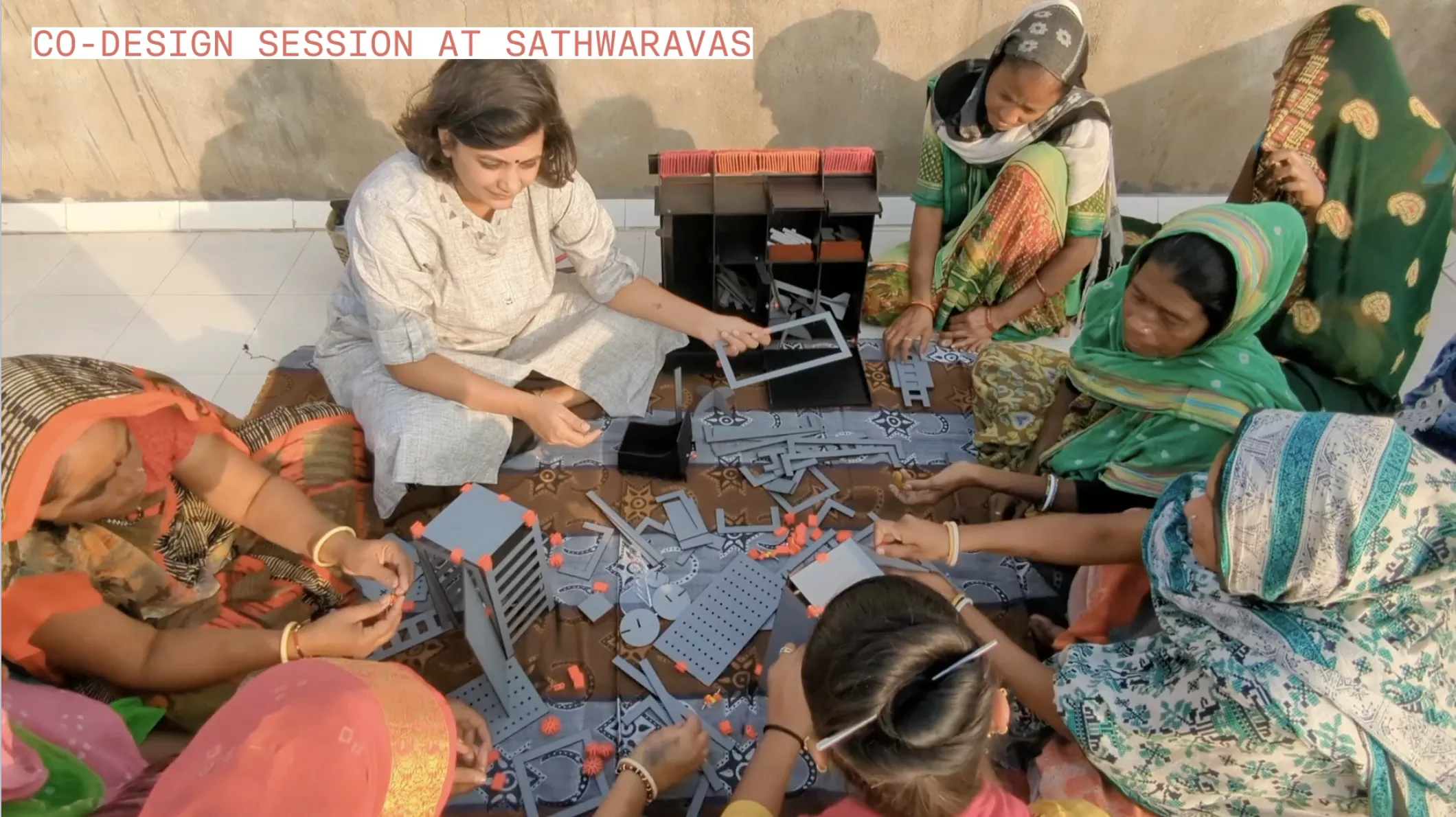
Policies can be supportive or prohibitive, depending on who they serve. A public policy student tries to understand how marginalised communities navigate urban realities from the lens of the architects and urban planners who work with them.

Giving a voice to the kids is urgent and inevitable. In this series, the kids speak about their neighbourhood and lives.

From his humble beginnings and early struggles to becoming a respected contractor and political voice, Arunlal’s journey reflects the strength, grit, and deep-rooted commitment to his neighbourhood. Known for his signature white attire and heartfelt leadership, he stands as a symbol of hope and perseverance in challenging times for Dharavi.


Anil Chawda, owner of Khushi Tailor, is a friendly, multilingual man, who enjoys his work-life balance, cricket, and the occasional beer!
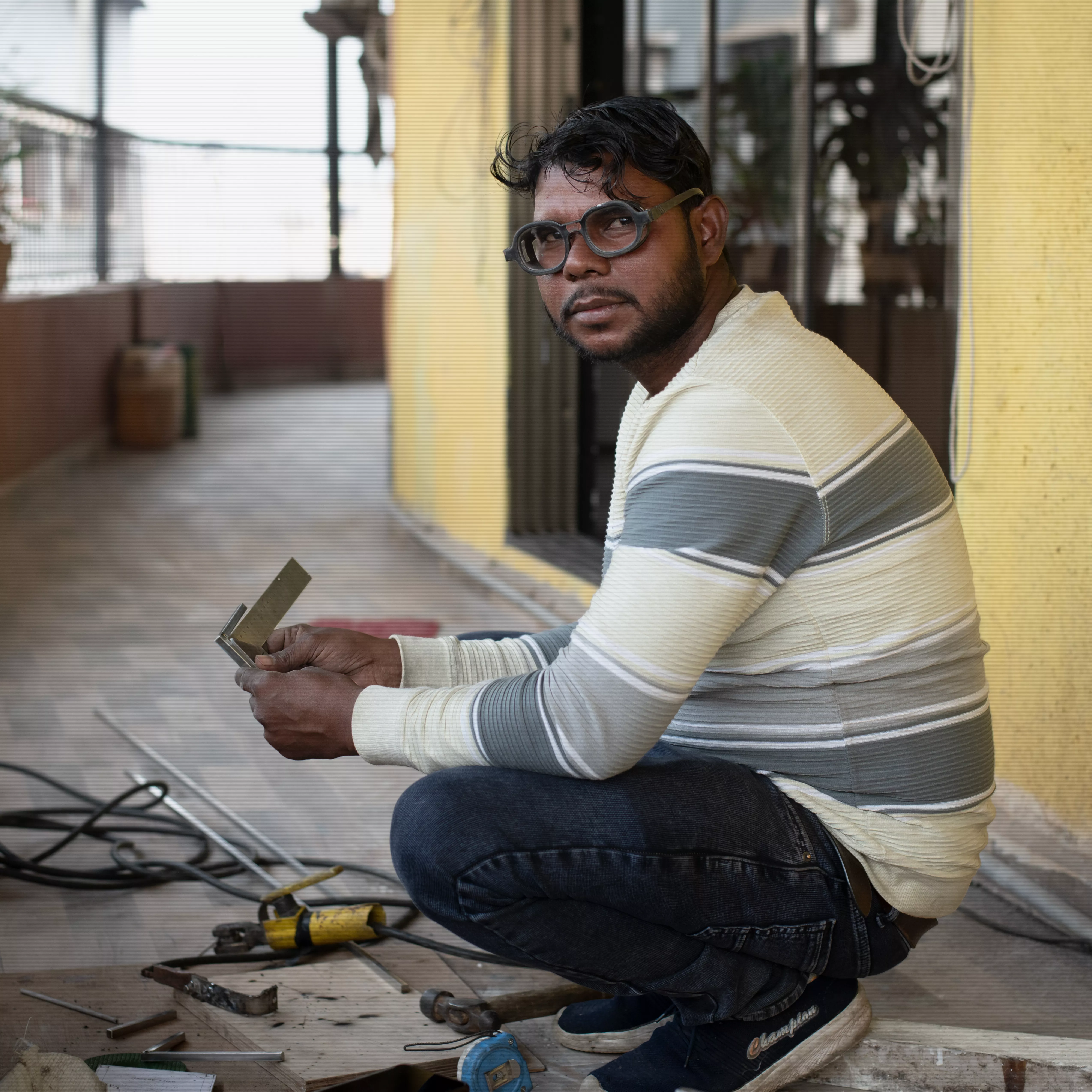
Kamlesh is an itinerant welder who has lived and worked in different parts of the country. Kamlesh represents the skilled workforce that quietly underpins the city’s built environment. This is his story...
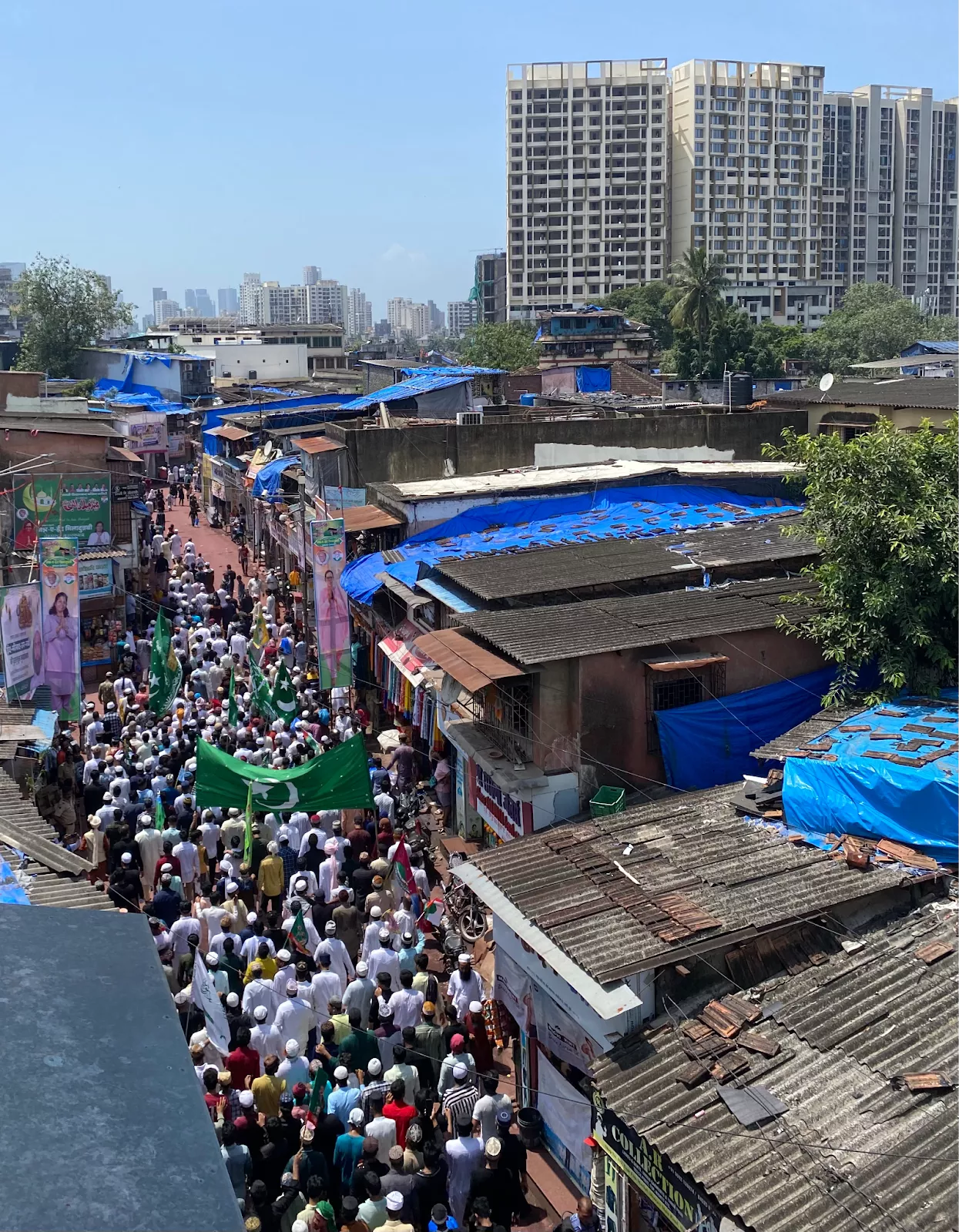
Streets, typically seen as the arteries of daily hustle, transform into a public stage during ceremonial processions where tradition and resistance are celebrated in unison. For communities of Dharavi, these processions denote a larger familial solidarity highlighting the struggles of urban life against the erasure of culture during calls for redevelopment. A declaration of presence that co-opts the neighbourhood, these processions also signify moments of resistance towards urbanisation-induced alienation in urban spaces.
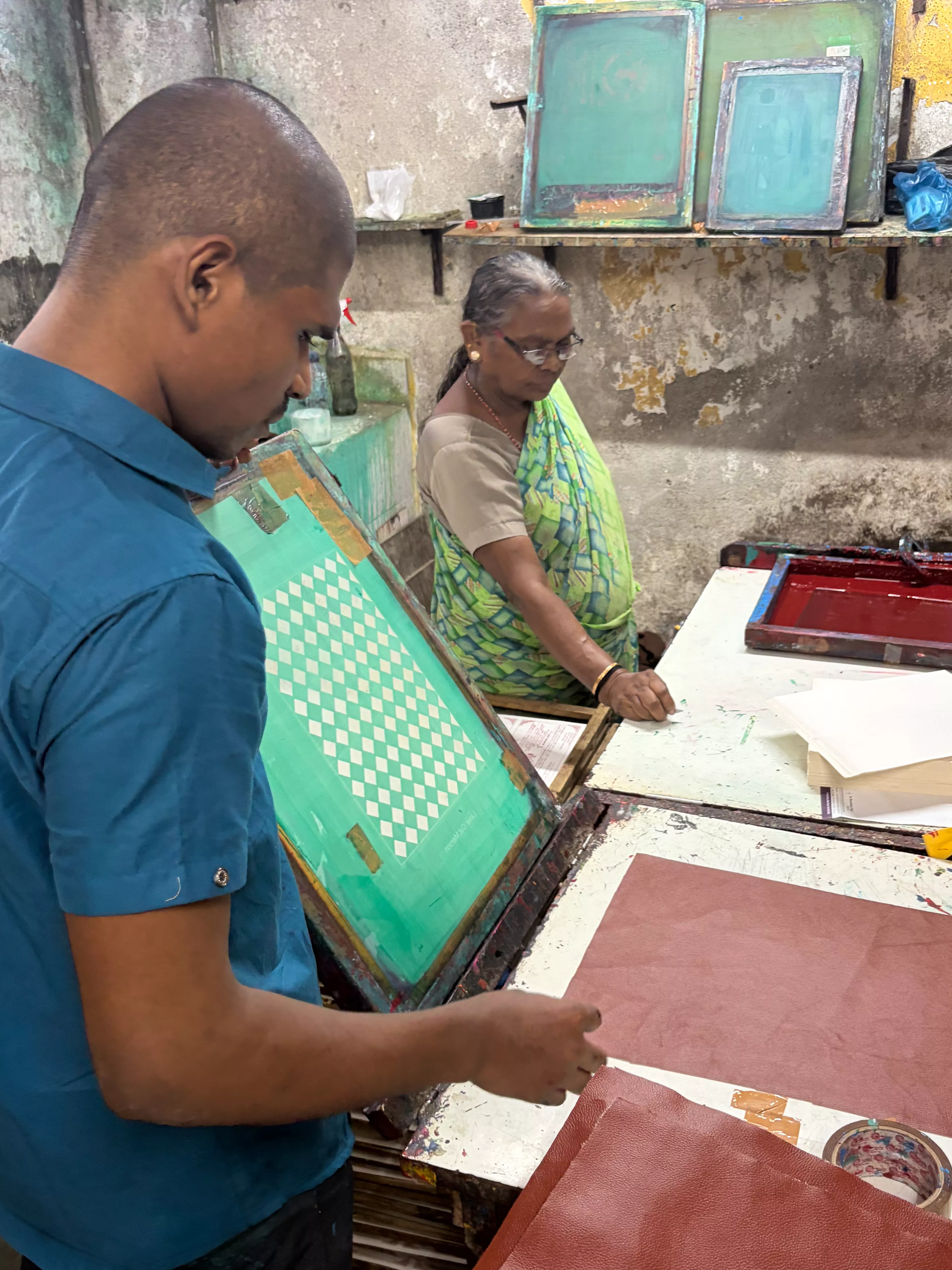
In a lane off the bustling 90 Feet Road in Dharavi, there is a tiny studio dedicated to all types of screen printing. Laxmi and Mani are an unlikely duo that expertly handle the screenprinting needs of customers across the city. They talk to us about a lifetime spent in the industry.


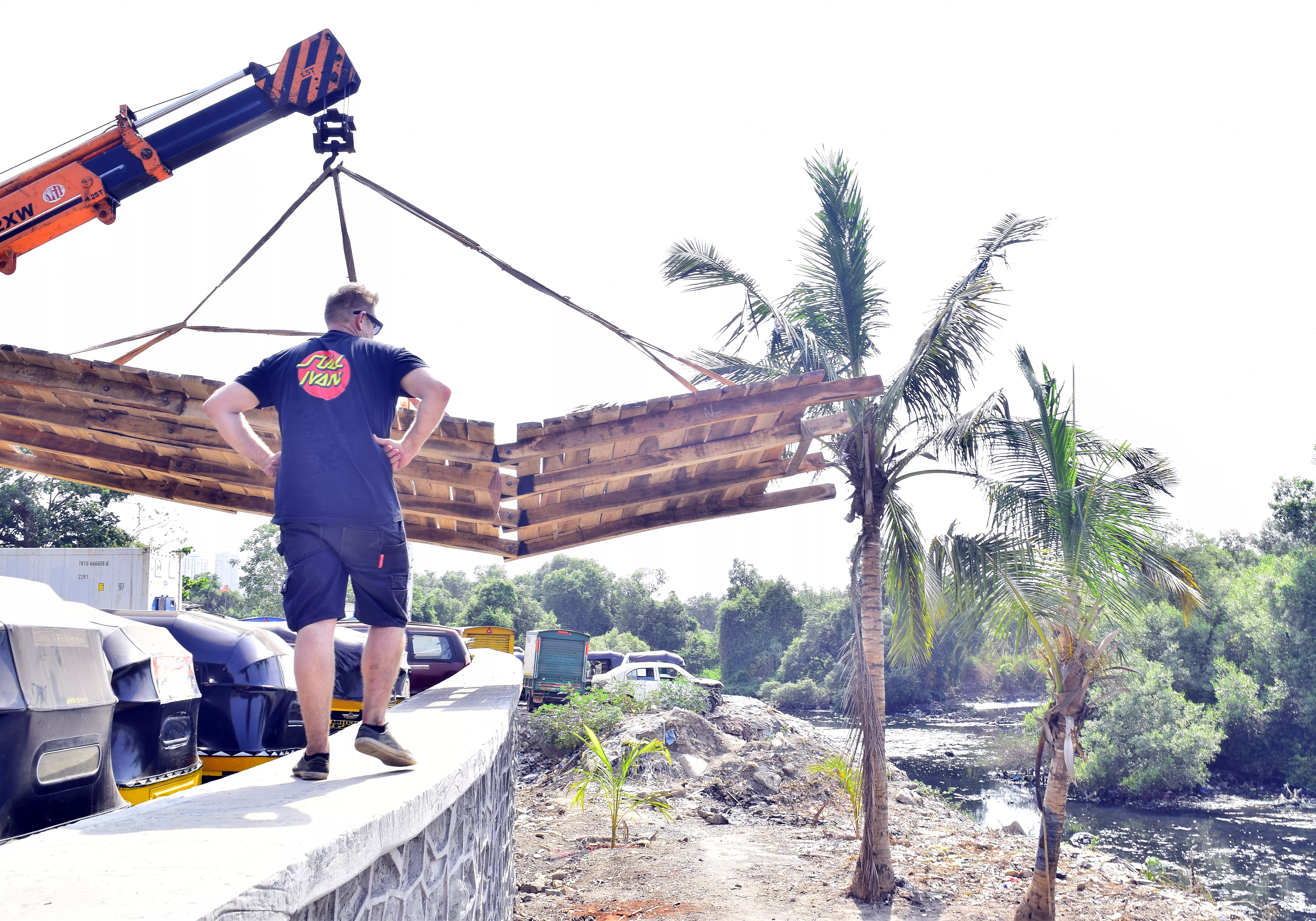
Dharavi Koliwada is on a mission to re-establish a dwindling connection to its fishing ponds. Along with the crew from Sullivan Carpentry and urbz, they are actively designing and building an amphibious device that helps fishing boats get into the water.
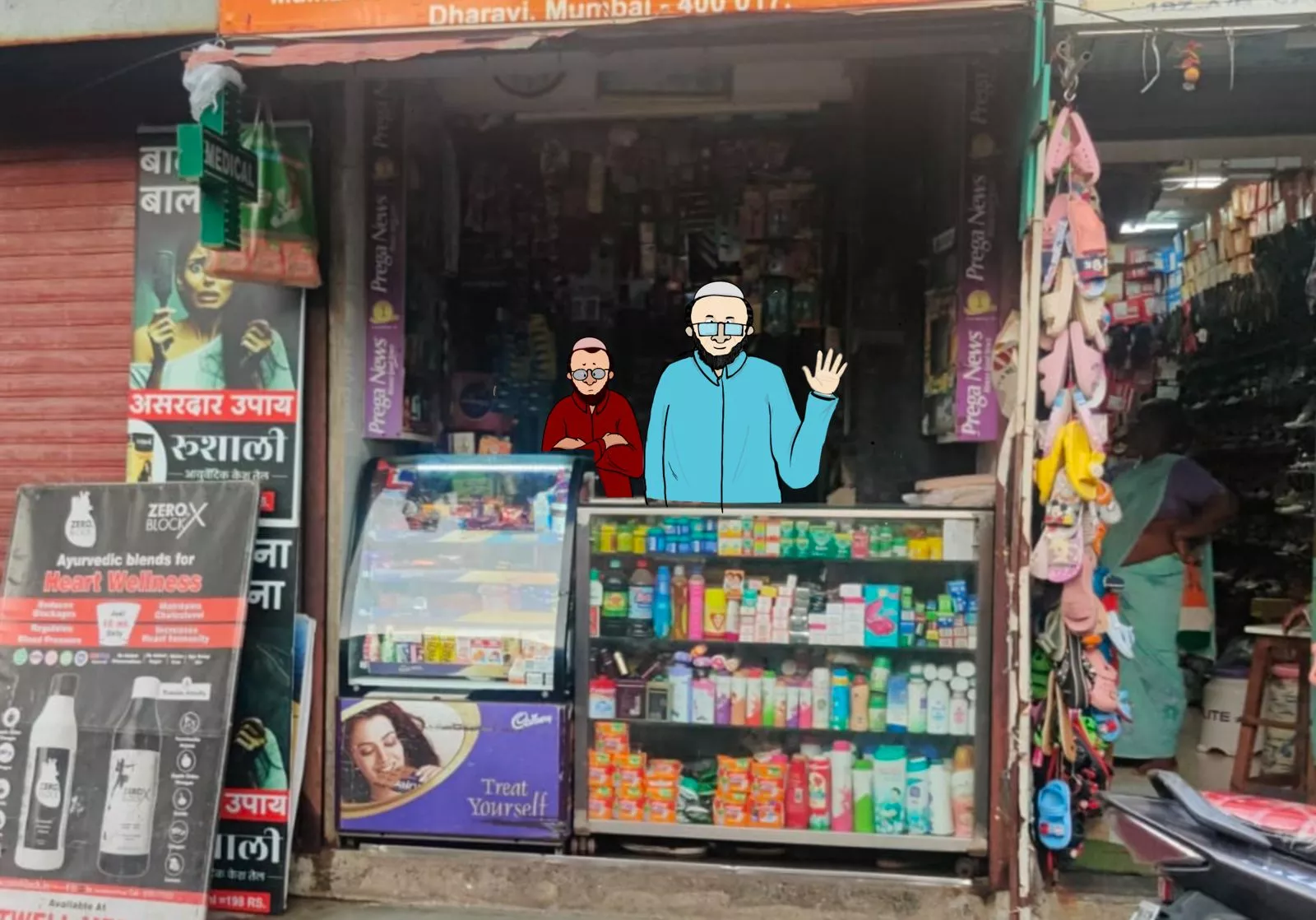
Two brothers behind a pharmacy counter tell us a story of resilience and adaptability, ranging from spreading wares in Bandra to spinning rakhis on an umbrella in the rains.