Thinking 'Inside' The Box
Authors
Authors
Thinking 'Inside' The Box
Authors
Authors
Bashir Ahmed did not come to Mumbai looking for Dharavi.
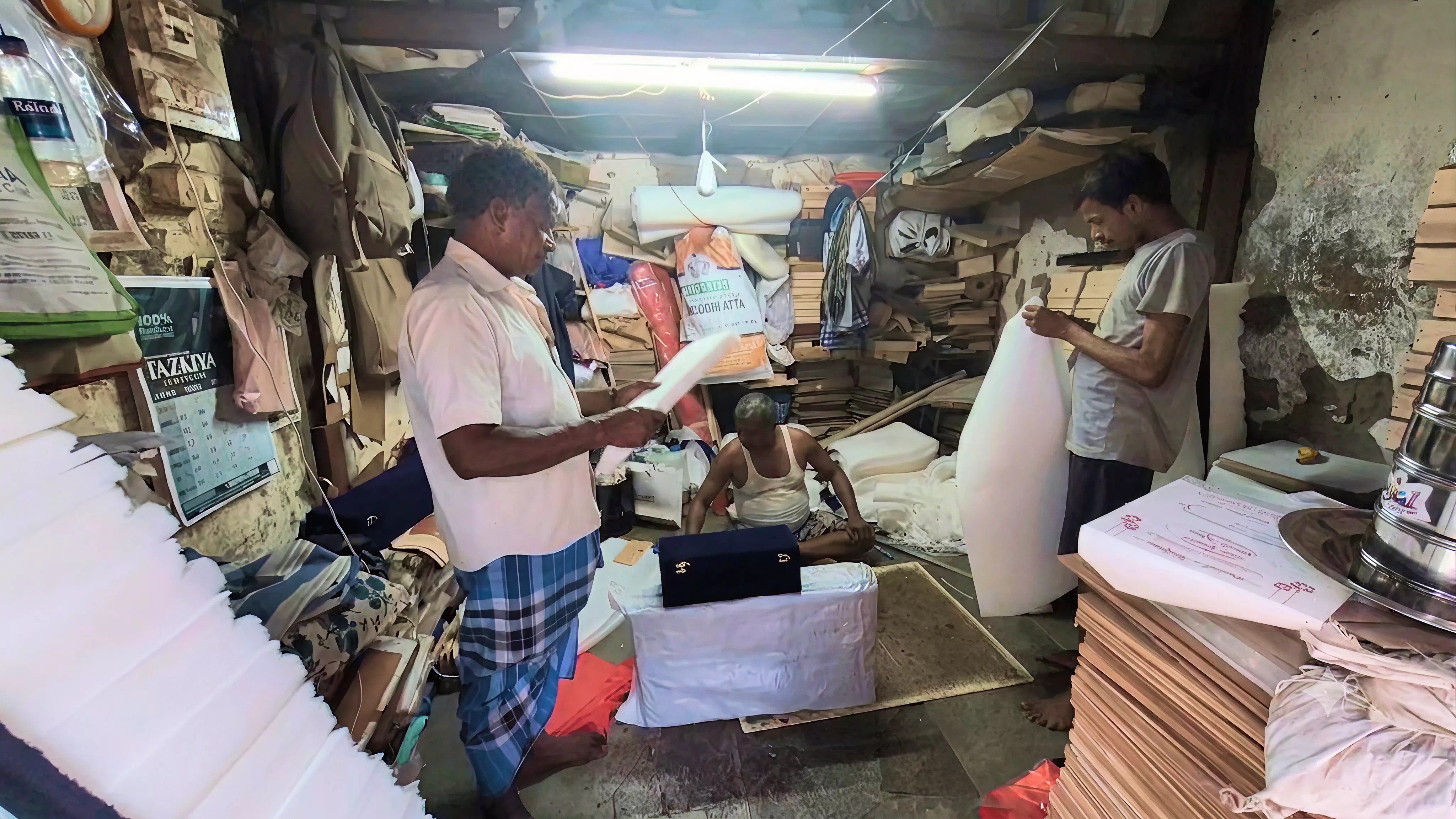
When he arrived from Tamil Nadu in 1983, he hoped to eventually work abroad. His passport was already prepared, and Mumbai was simply one stop along the way. Today, he runs a jewellery-box workshop in Dharavi, where he spends most of his day overseeing production alongside his employees.
Bashir first learnt the trade while working under an employer after arriving in Dharavi. For nearly eight years, he worked in the industry, learning the process and gaining experience before eventually starting his own business in 1991. More than three decades later, the workshop is still running. Four employees now work alongside him, helping produce the boxes that leave the workshop each day.
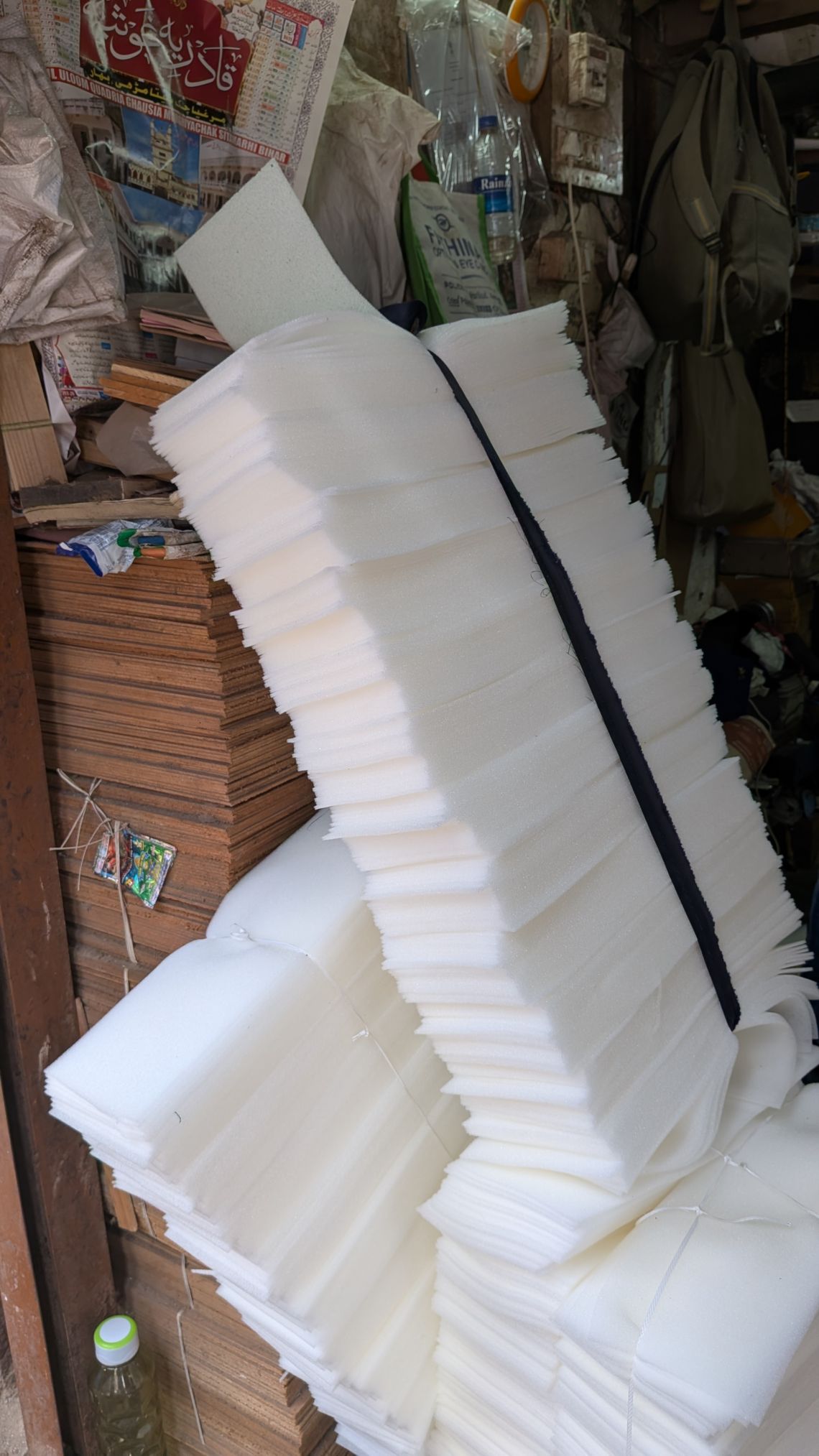
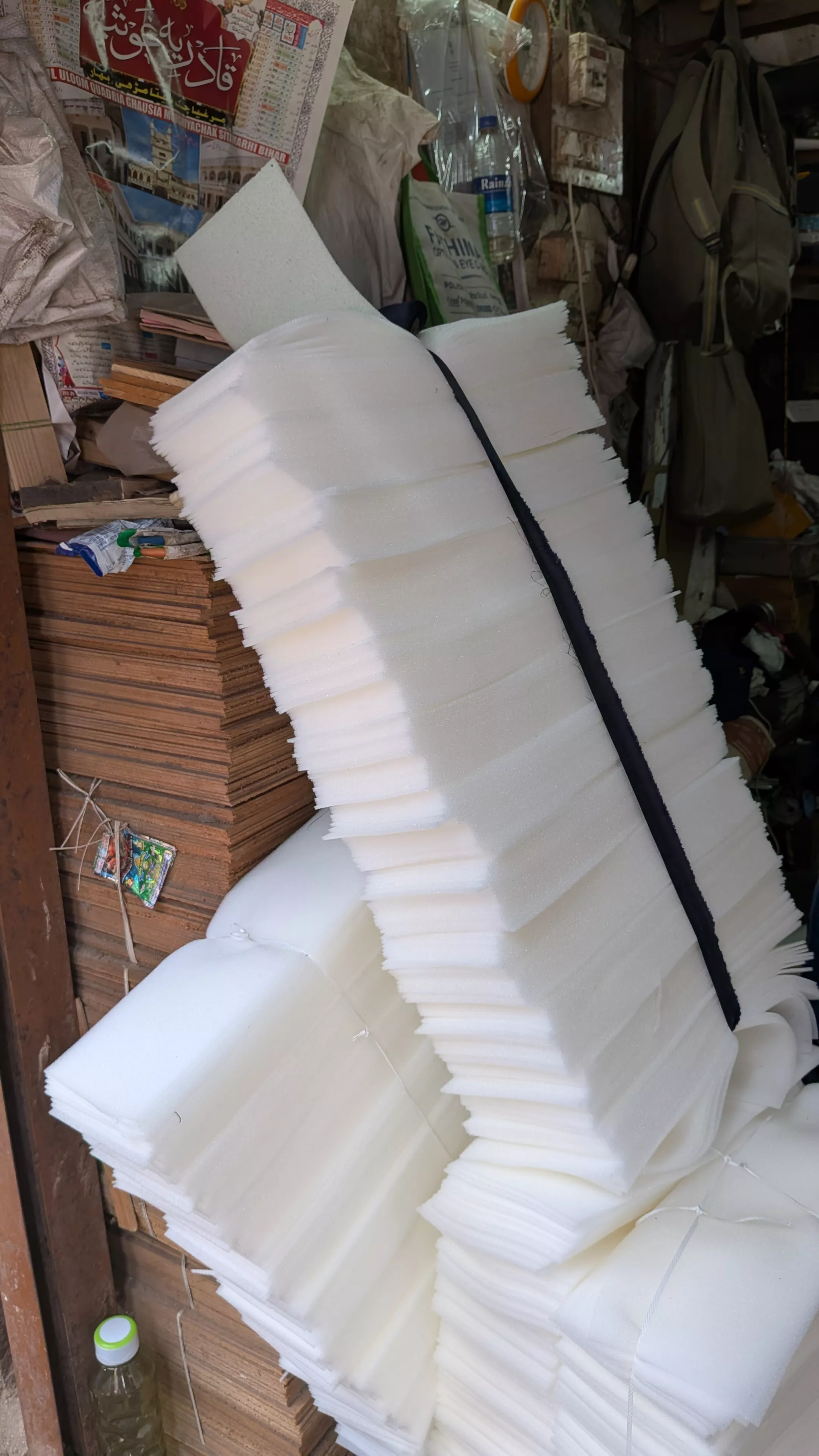
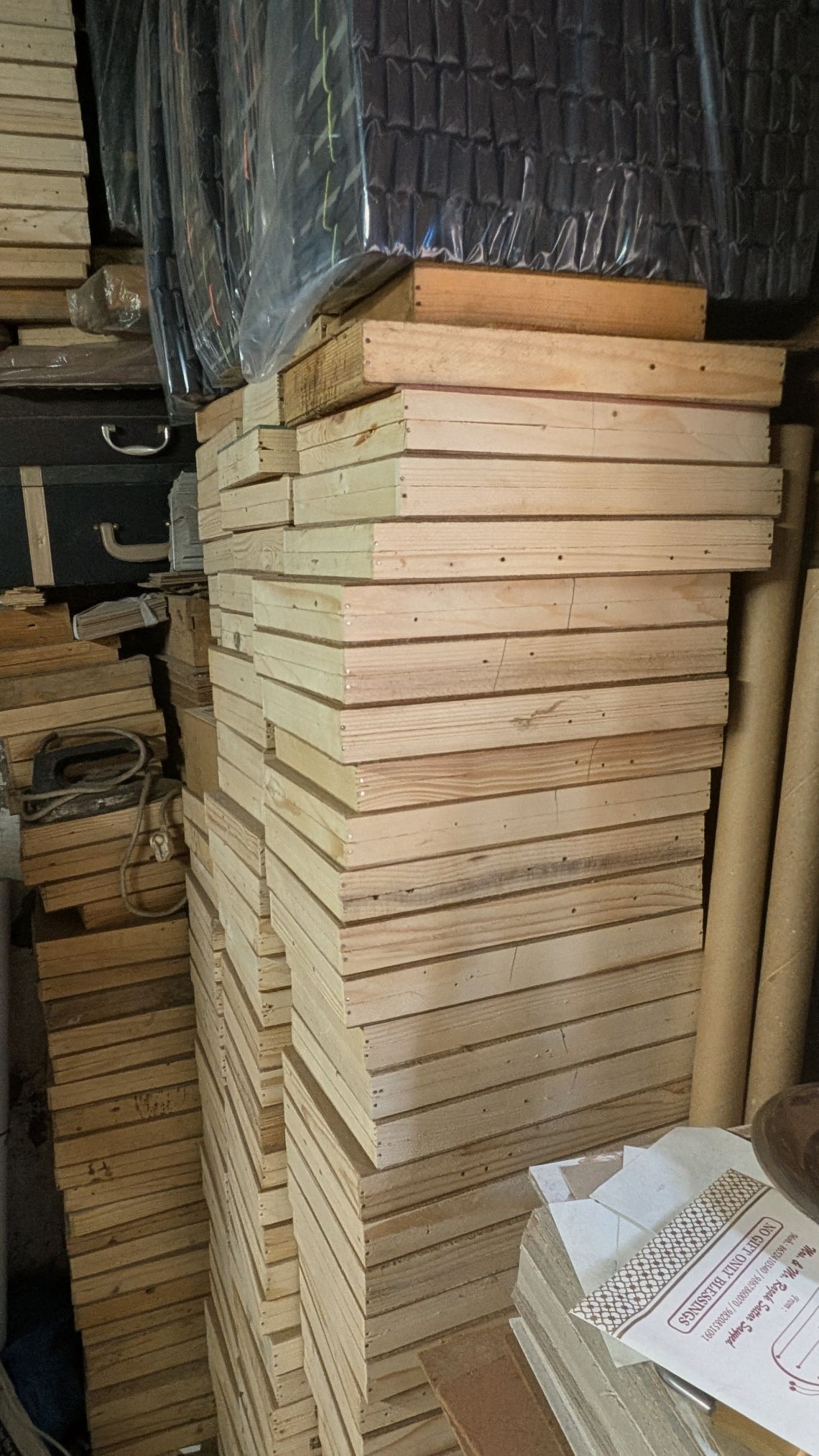
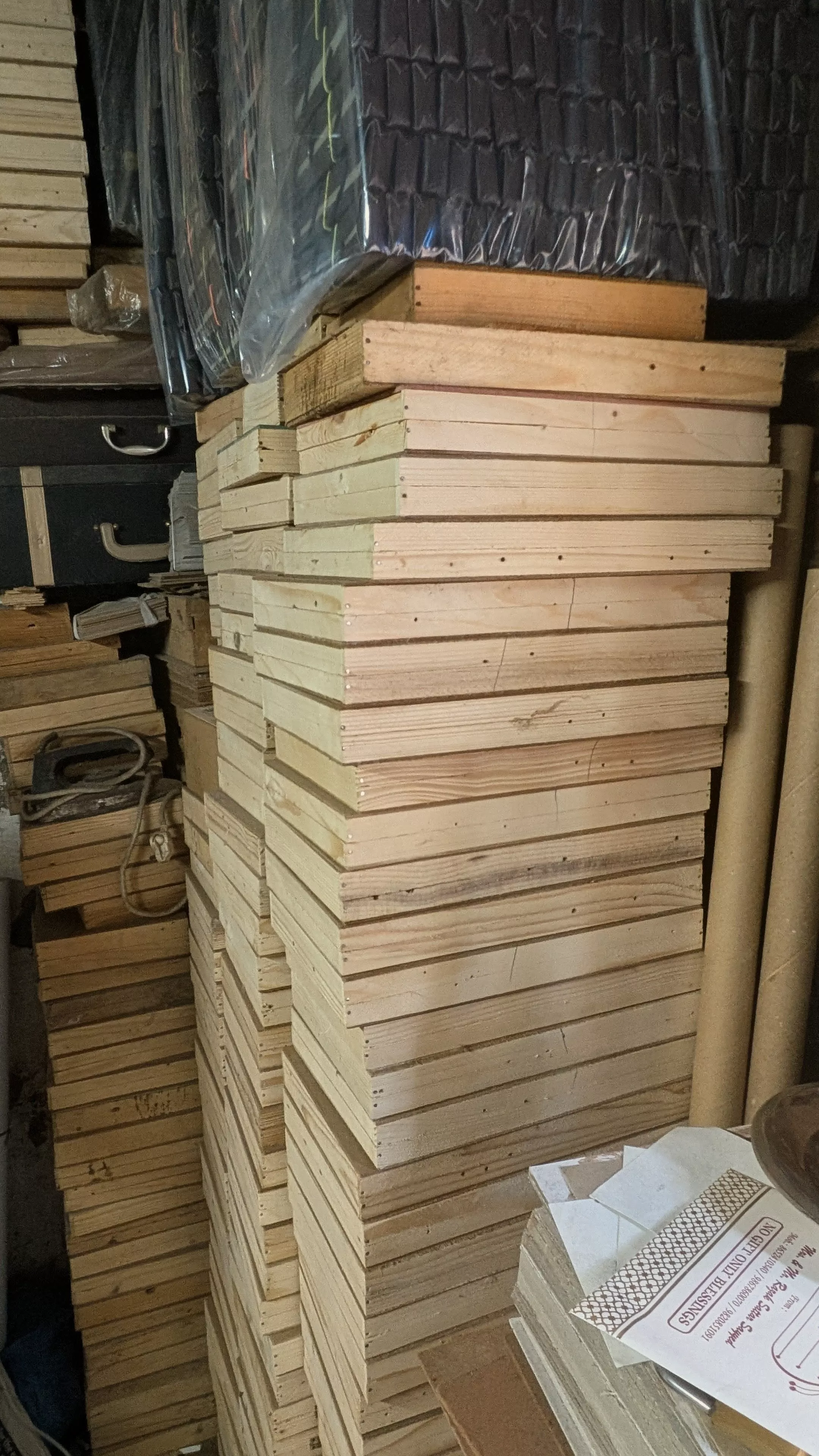
The workshop was packed with materials. MDF boards, wood, velvet, foam sheets, tools, unfinished boxes, and scraps occupied almost every available corner. Looking around, it sometimes felt as though the materials had become part of the walls. Bashir showed us some of the boxes they produce: jewellery boxes, trophy boxes, presentation cases, and customised storage boxes. Some were neatly finished and stacked away, while others were still taking shape.
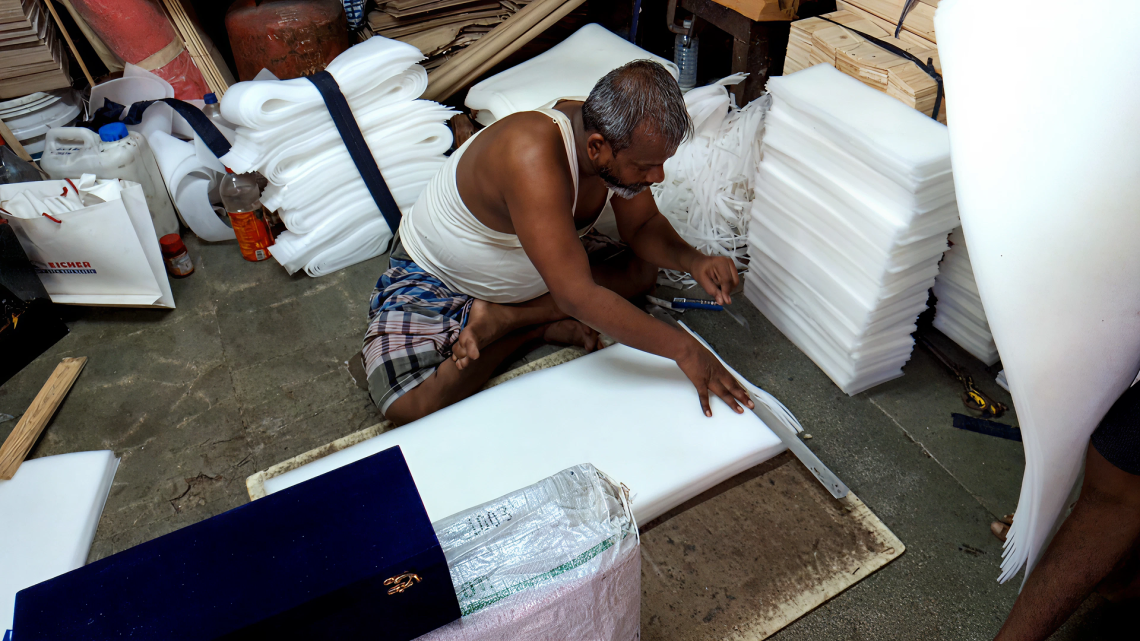
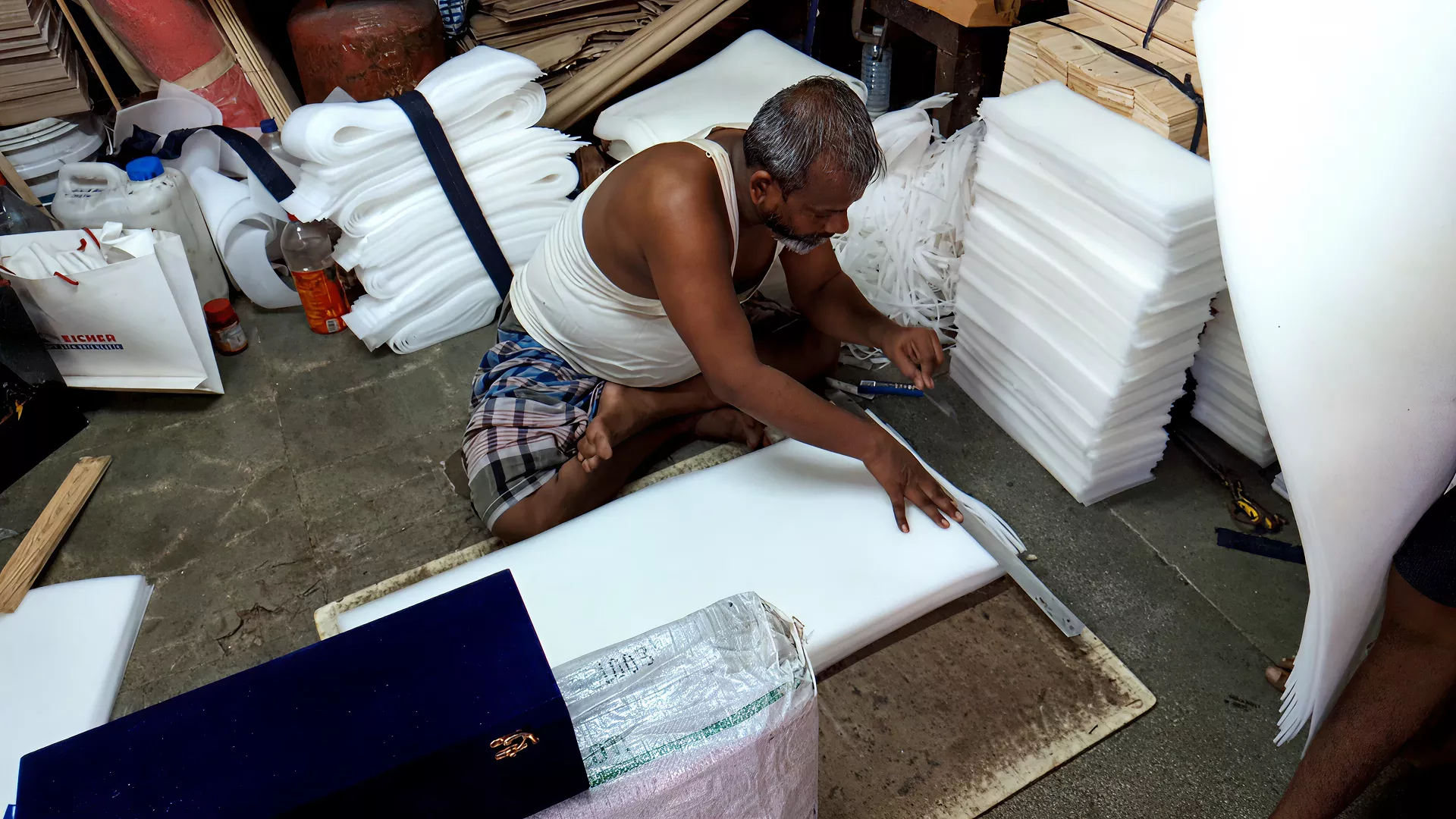
As he explained the process, it became clear that making the boxes required much more than simply covering a frame with velvet. A box first had to be designed. The work began with planning and measurements, ensuring that every component matched the client's requirements before production could begin. Then a frame was made. Foam interiors were fitted. Only then could the final covering be added. More than once, Bashir returned to the same point. The work requires clean hands. Small mistakes show immediately. It did not take long to realise that Bashir knew the workshop inside out. Questions about materials were answered immediately. Questions about production were often followed by a demonstration. Every now and then, he would pause to guide a worker, inspect a piece being worked on, or pull out an example from a stack of finished products nearby. There was a quiet pride in the way he spoke about the craft, the kind that comes from spending decades doing the same thing and understanding it well.
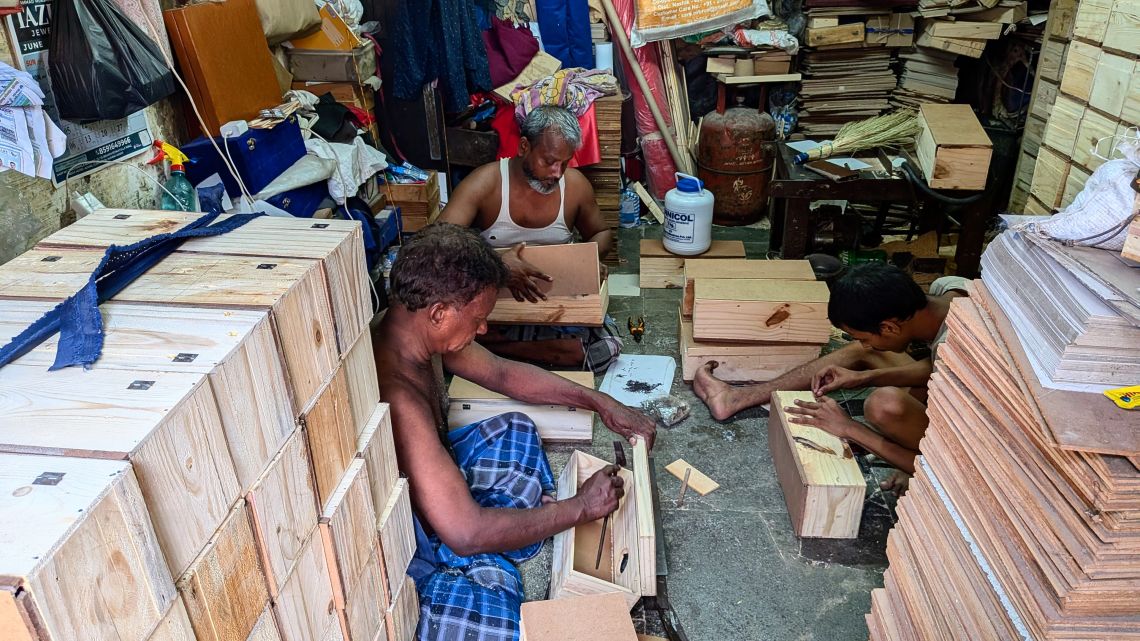
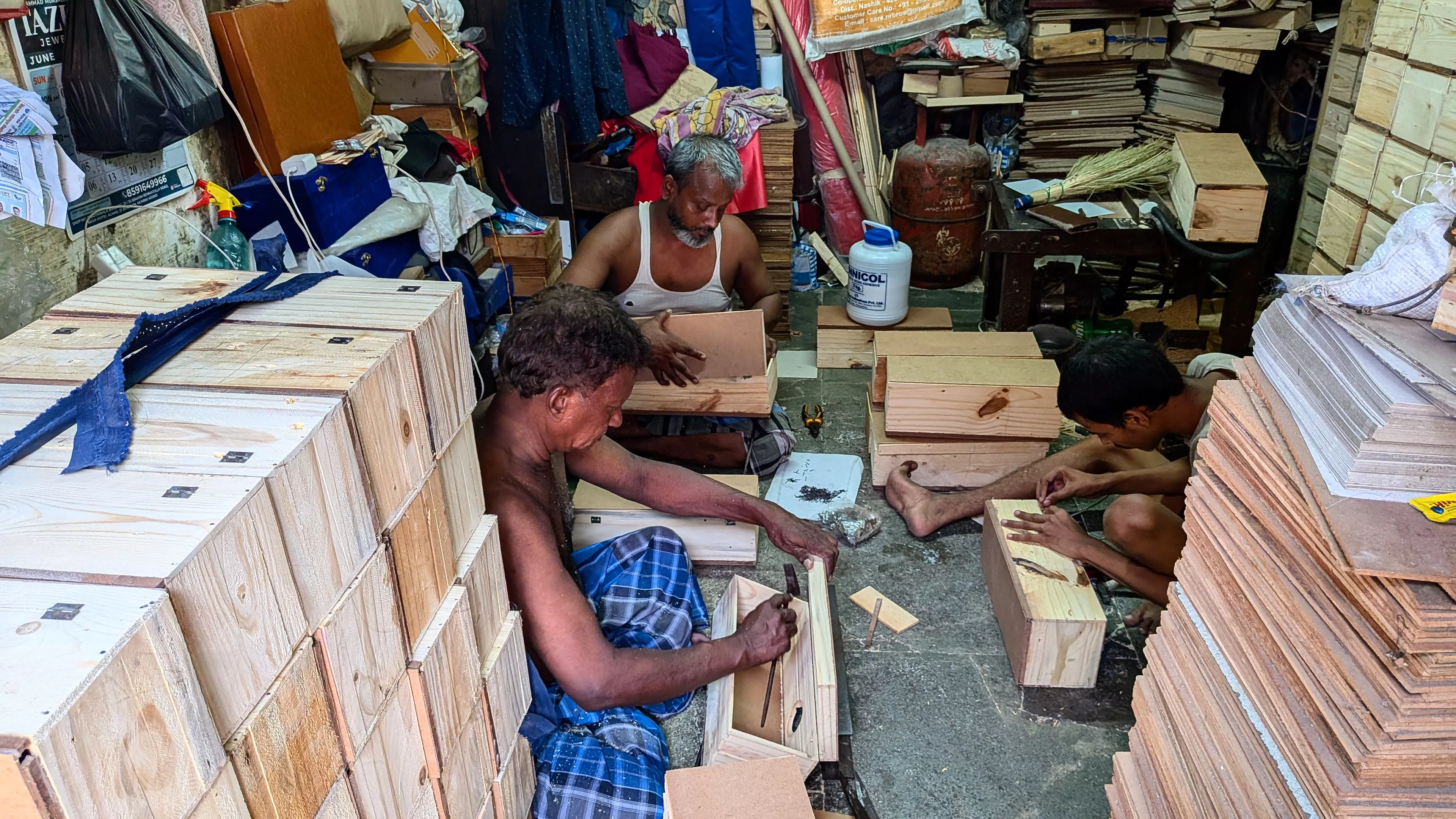
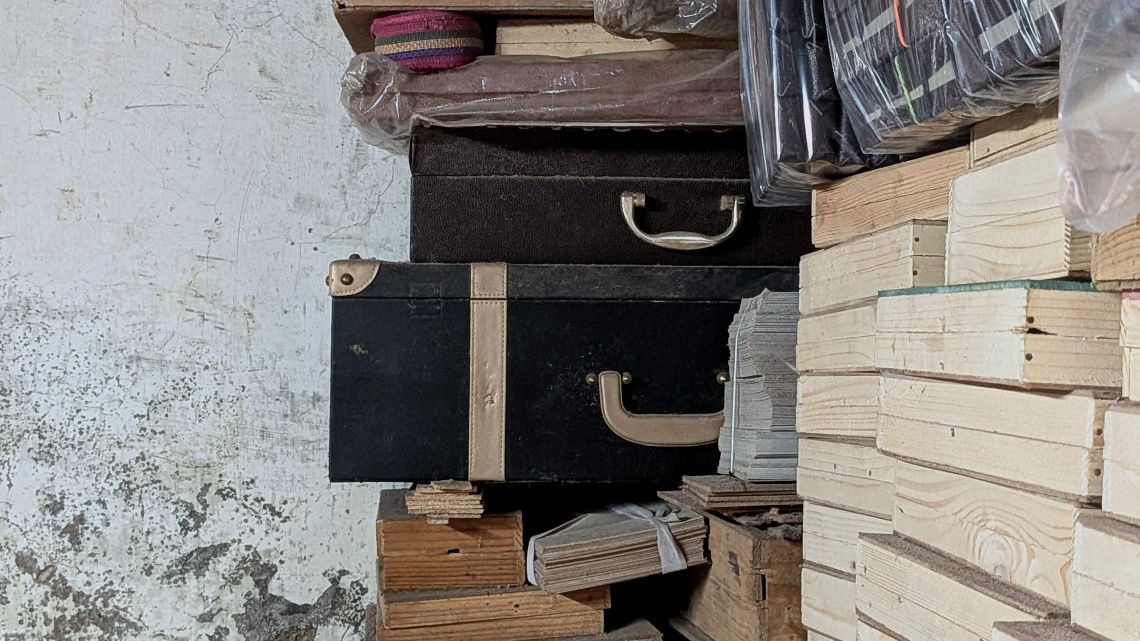
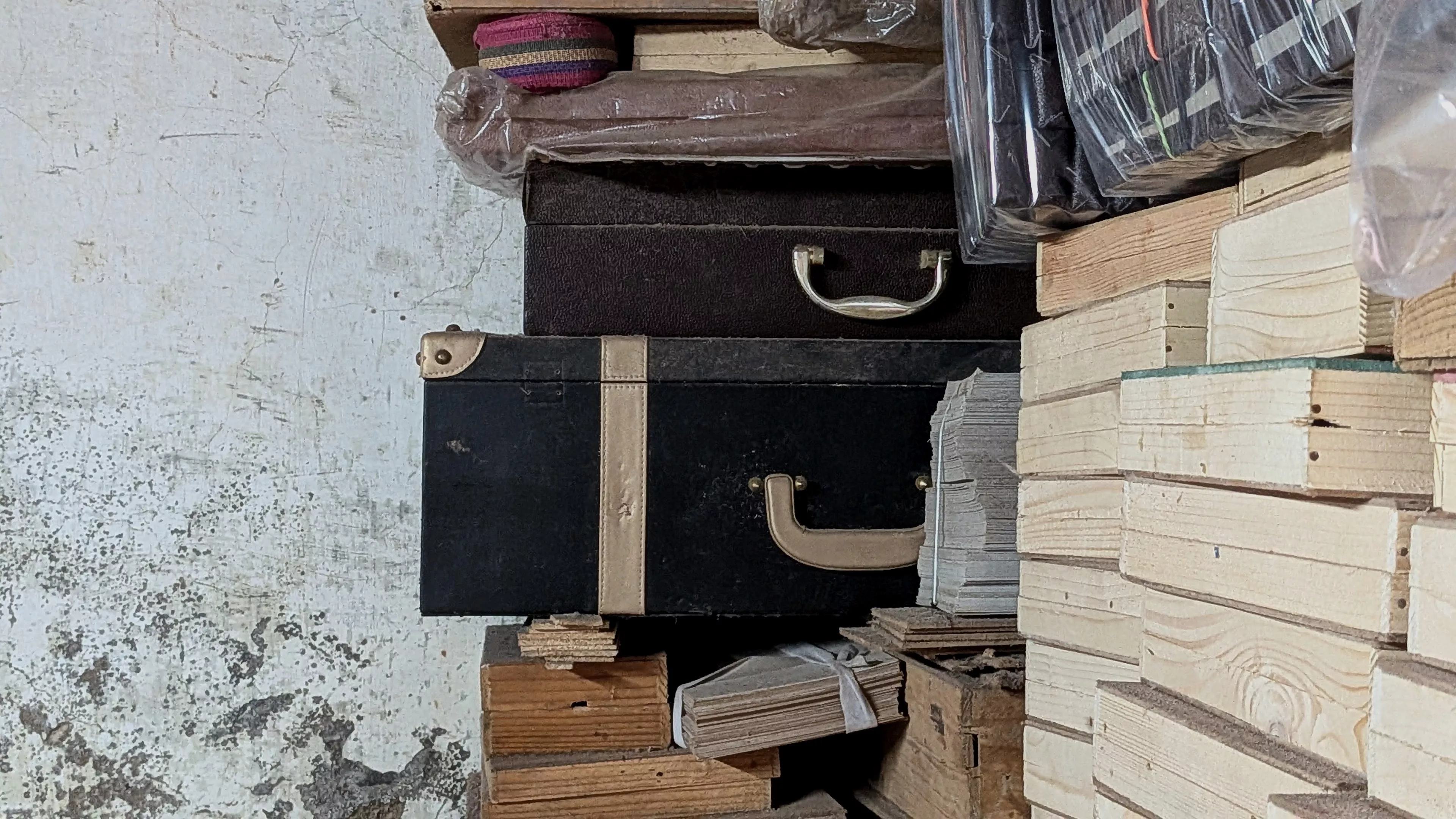
At one point, Bashir explained how the building was organised. The workshop occupied the ground floor. The floor above stored materials and stock. On the top floor, he lived with his family. Together, the three floors formed what urbz describes as a tool-house, a live-work arrangement where the house itself becomes part of the production process. The building was not simply a place to live or a place to work. Materials were stored there, products were made there, and when flooding disrupted work below, operations could shift upstairs. Home, storage, and production all existed within the same structure, each floor supporting the others.
When asked about Dharavi, Bashir's thoughts often drifted towards the years when he first arrived. The road outside, he recalled, was once made of laal maati (red mud). Basic facilities like toilets were limited. During the monsoon, floodwater regularly entered the workshop. At its worst, the water rose as high as his chest. Work often had to stop, and at times he shifted operations upstairs simply to keep orders moving. When asked how he feels about Dharavi today, Bashir spoke positively about the improvements he has witnessed over the years. The roads, services, and overall conditions have changed significantly since he first arrived, making daily life and work far easier than before.
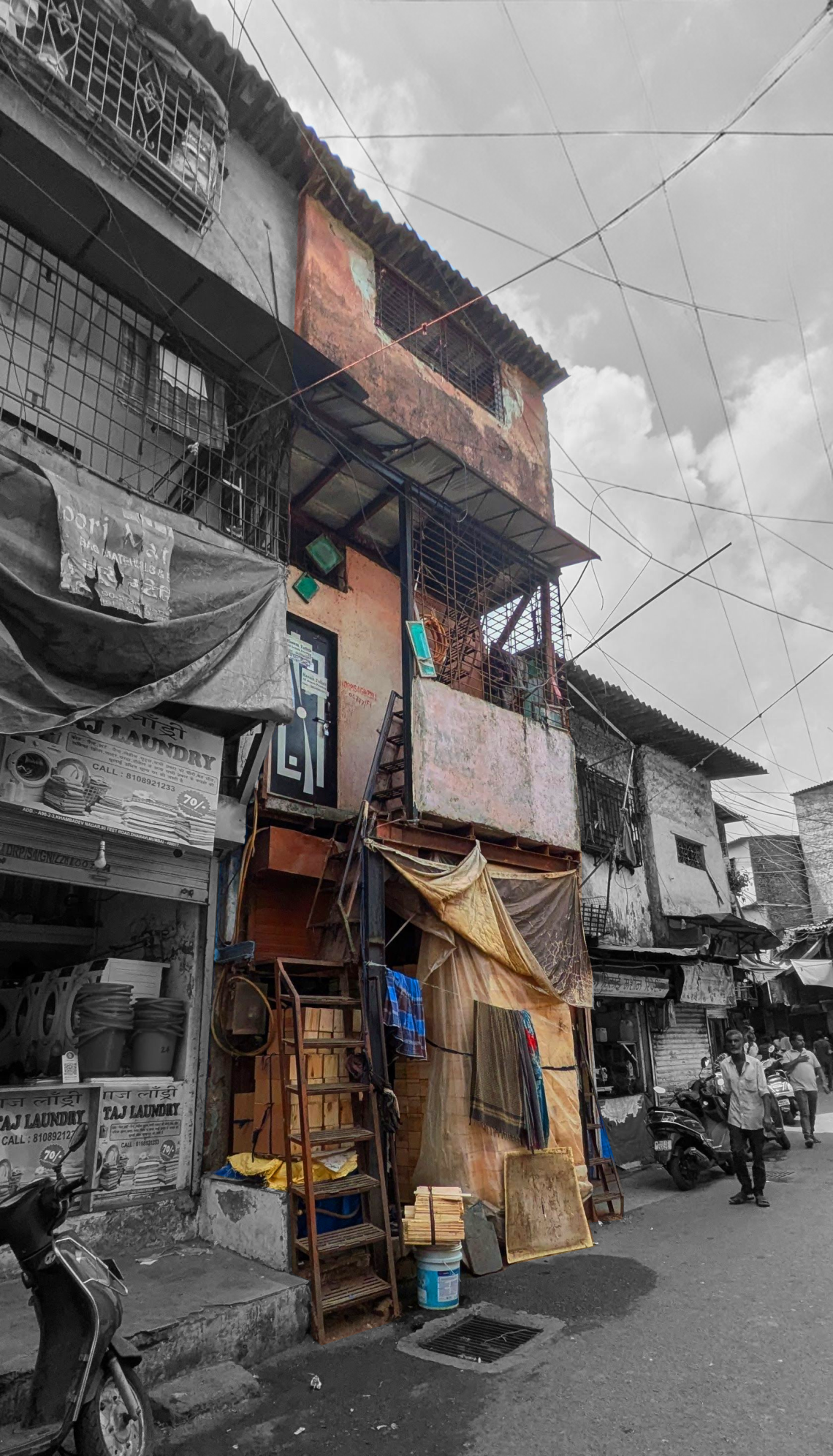
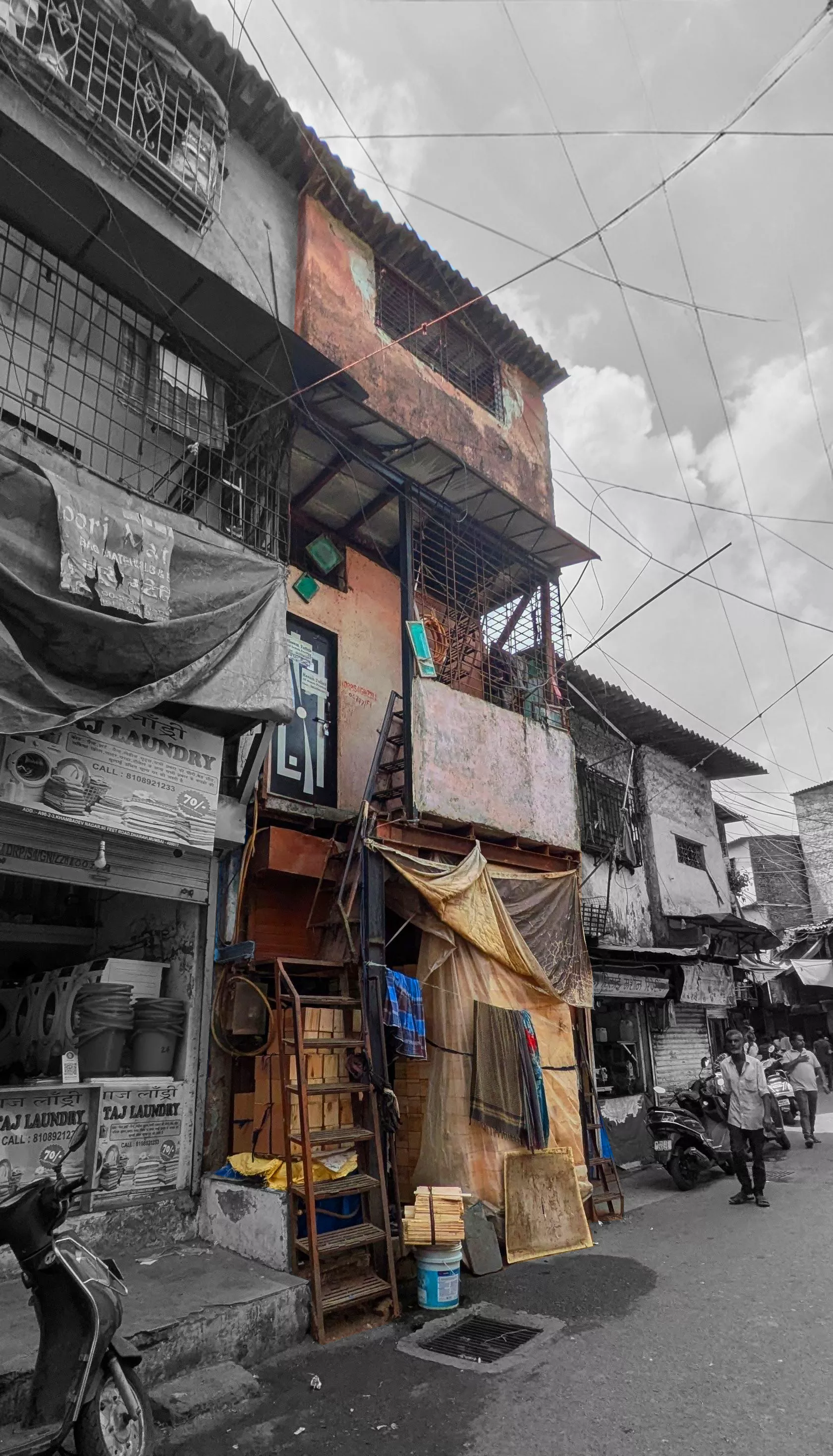
When the conversation eventually turned to redevelopment, Bashir's concerns centred less on the building itself and more on what surrounded it. For him, the question depends largely on where people are relocated. Much of his work is tied to Dharavi. Materials come through suppliers and workshops he has known for years, while orders arrive through connections built over decades. His workshop is here, but so is his family. If redevelopment allows residents and businesses to remain connected to the area, he believes things can continue smoothly. But if people are moved far away, the process of sourcing materials, completing orders, and running the business becomes more difficult.
After decades of living and working in the same place, Dharavi has become much more than the location of his workshop. It is where he built a business, raised a family, and developed the relationships that continue to support his work today.
People involved
Related articles
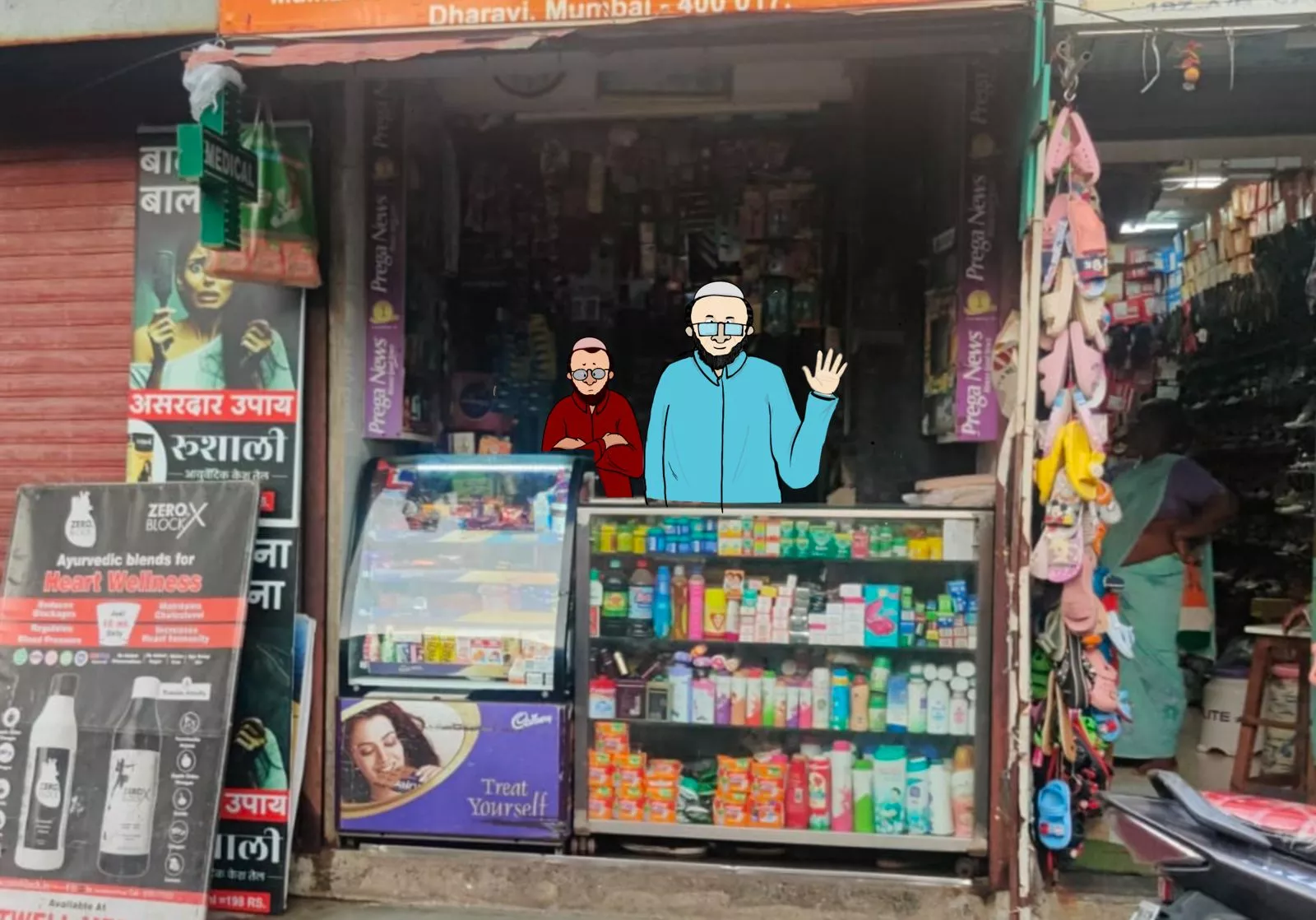
Two brothers behind a pharmacy counter tell us a story of resilience and adaptability, ranging from spreading wares in Bandra to spinning rakhis on an umbrella in the rains.


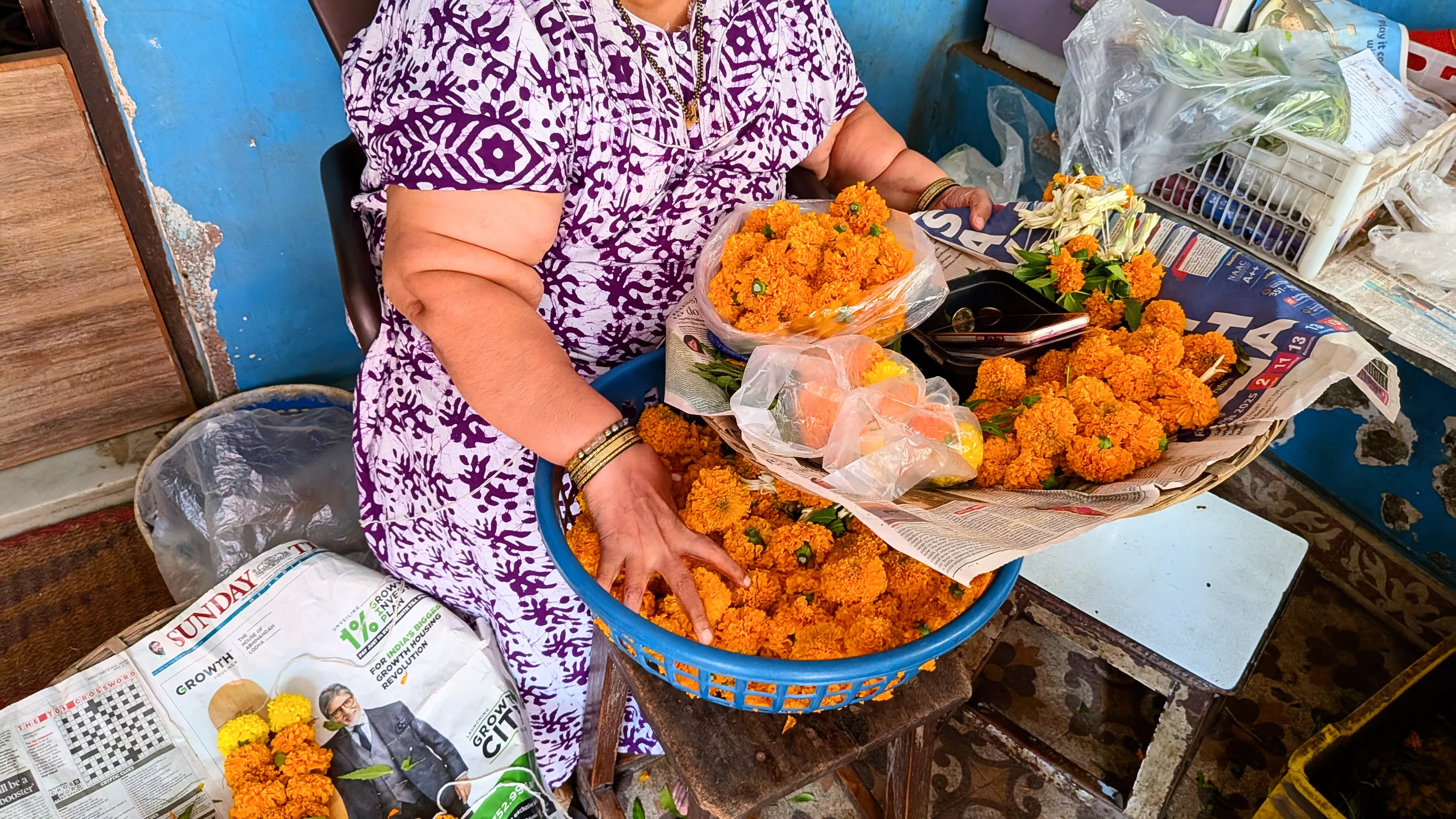
From a small porch in Koliwada, Laxmi Vaity strings flowers, shares conversations, and nurtures the relationships that shape her everyday life. A glimpse into a community where home extends far beyond four walls.
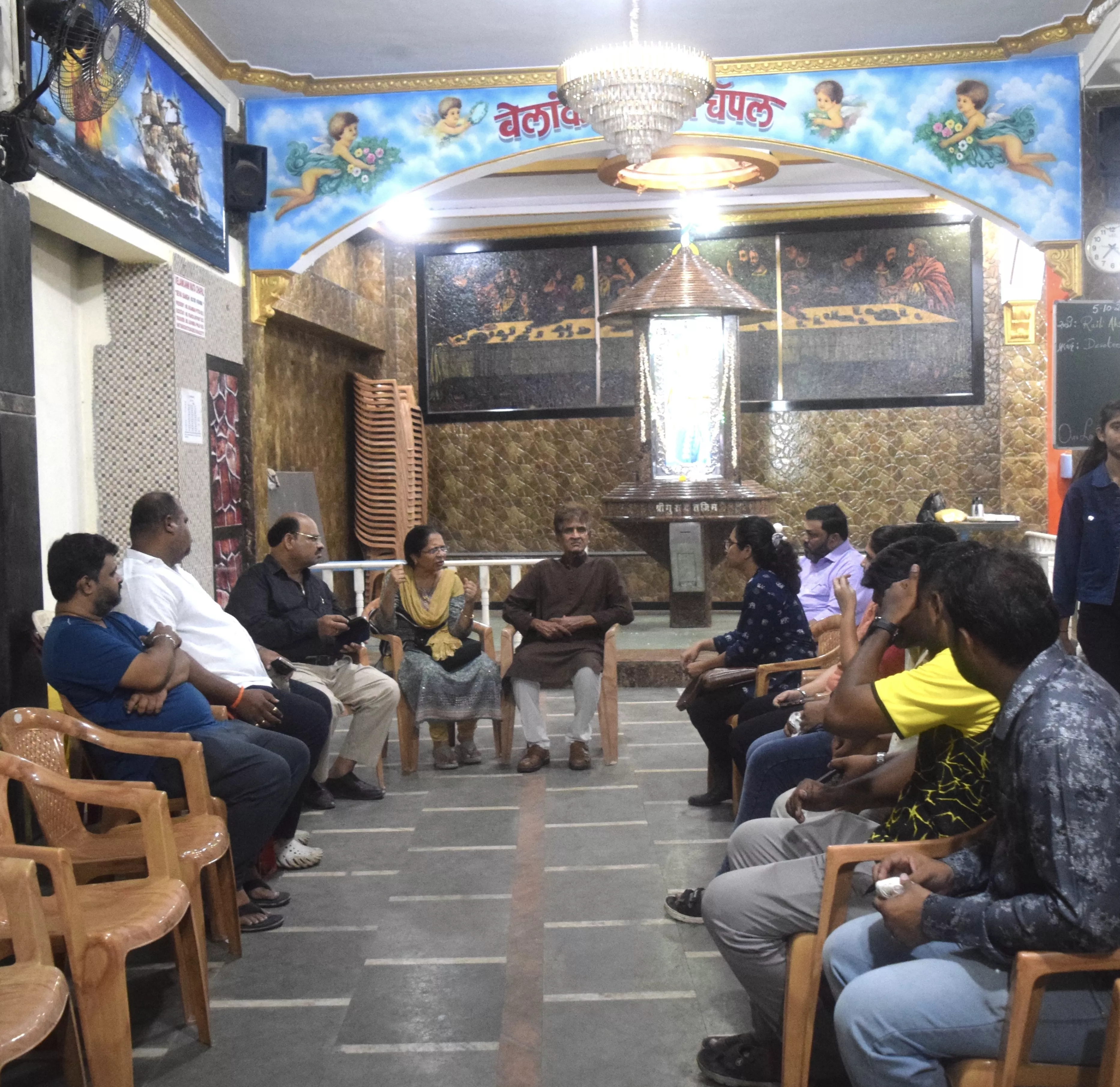
The Dharavi Koli Jamaat Trust has been entrusted the responsibility to address socio-economic and spatial challenges in Dharavi for the Koliwada community. The Dharavi Koli Jamaat Trust is a functional example of urban local bodies promoting grass-root level governance with a community centric approach.

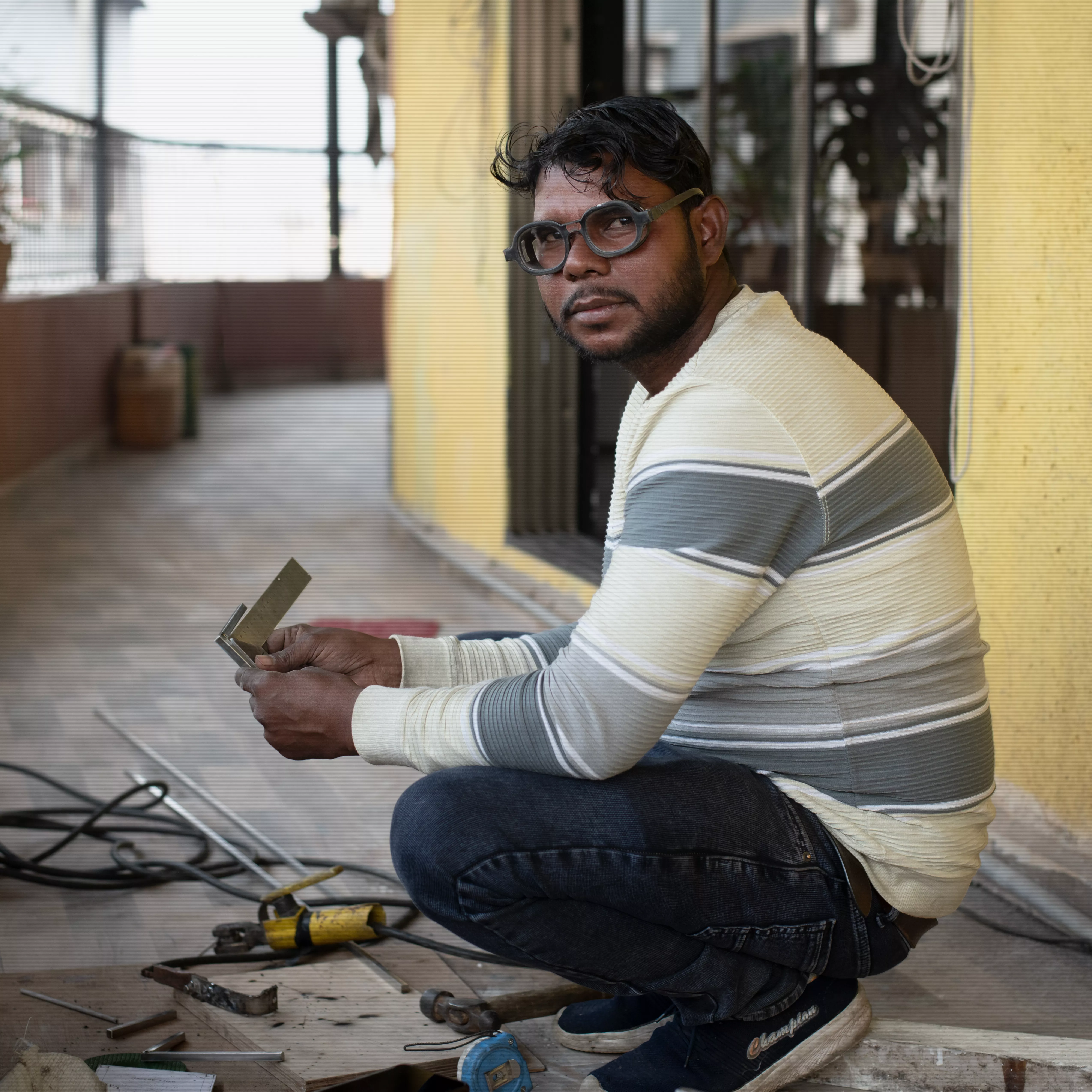
Kamlesh is an itinerant welder who has lived and worked in different parts of the country. Kamlesh represents the skilled workforce that quietly underpins the city’s built environment. This is his story...
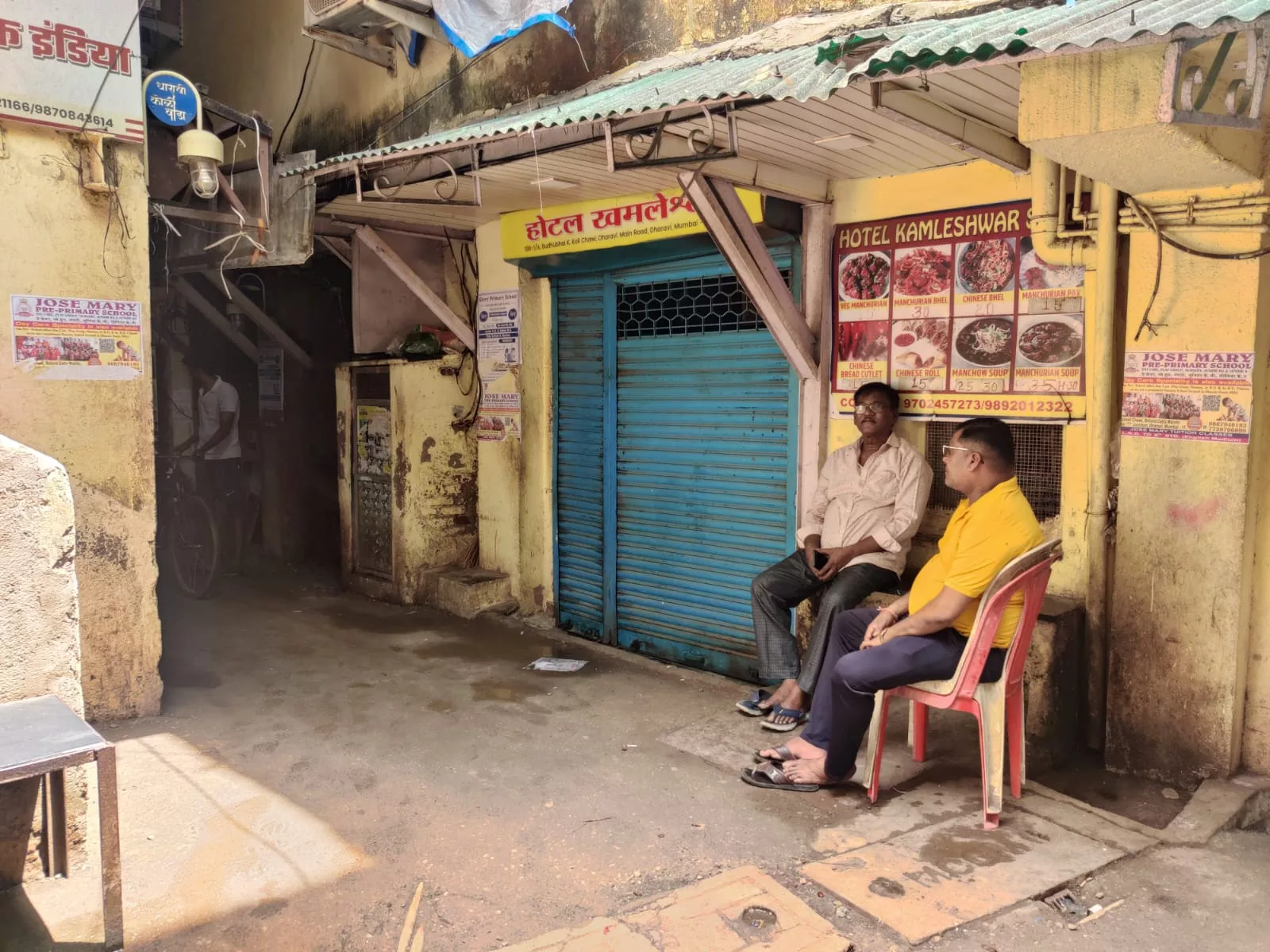
Joseph Koli is a man with 68 years behind him and innumerable kilometres of roads beneath his name, having worked in the Public Service Department of Mumbai for four decades.
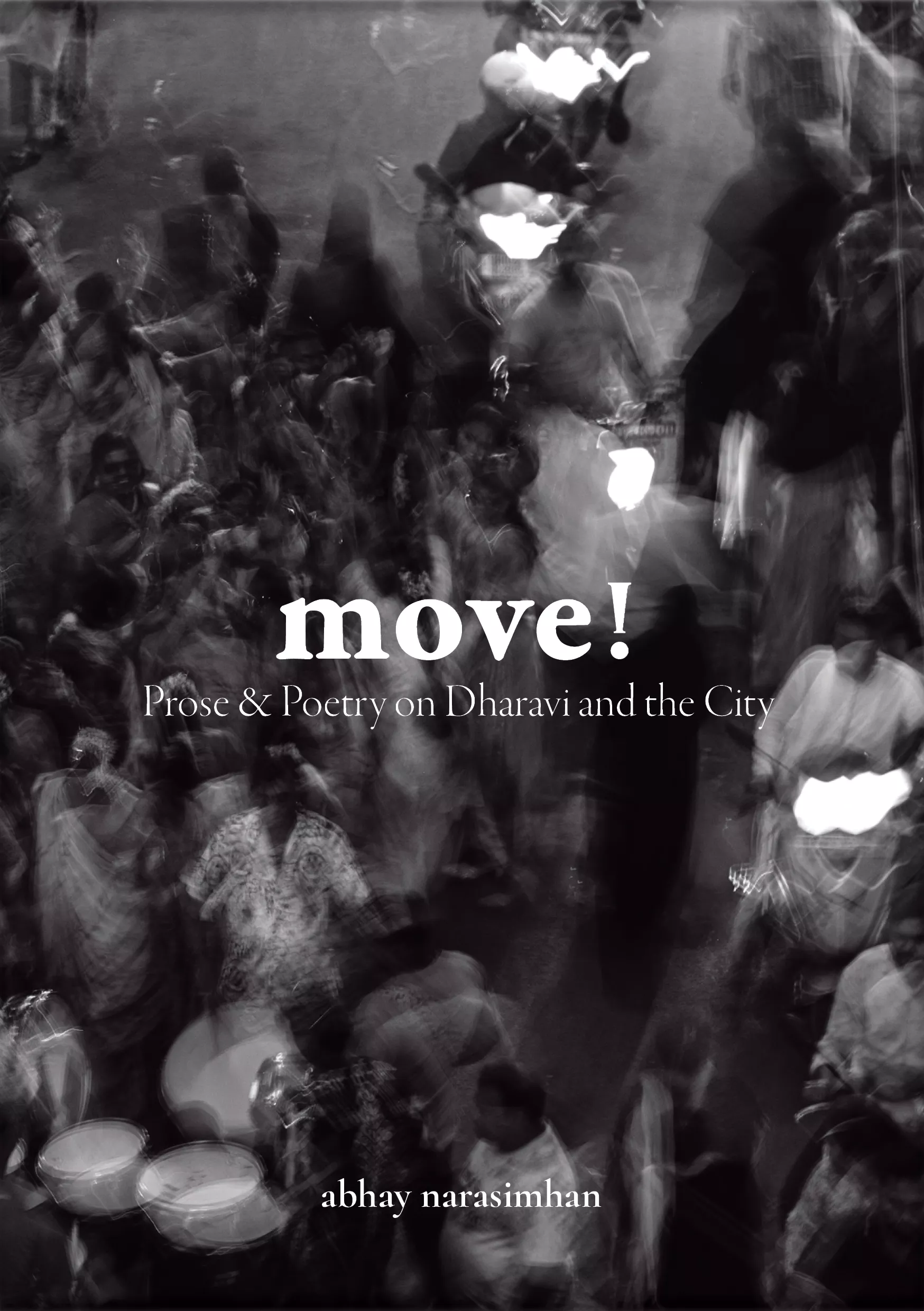
This compilation of prose and poetry emerges from the most incredible time I spent in Dharavi working with urbz Mumbai.
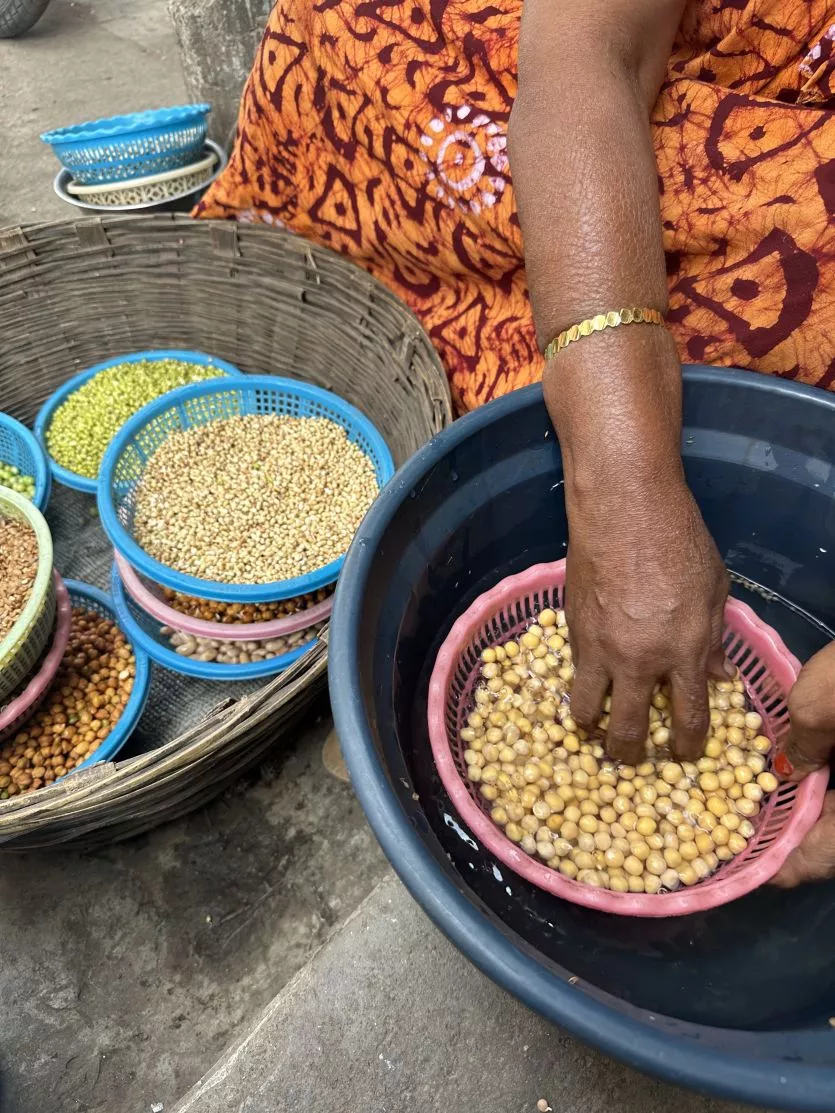
Pushpa has been living in Dharavi since she was born. Our day starts with her bright smile as she sells pulses right outside the urbz office. We recently had a little chat with her.

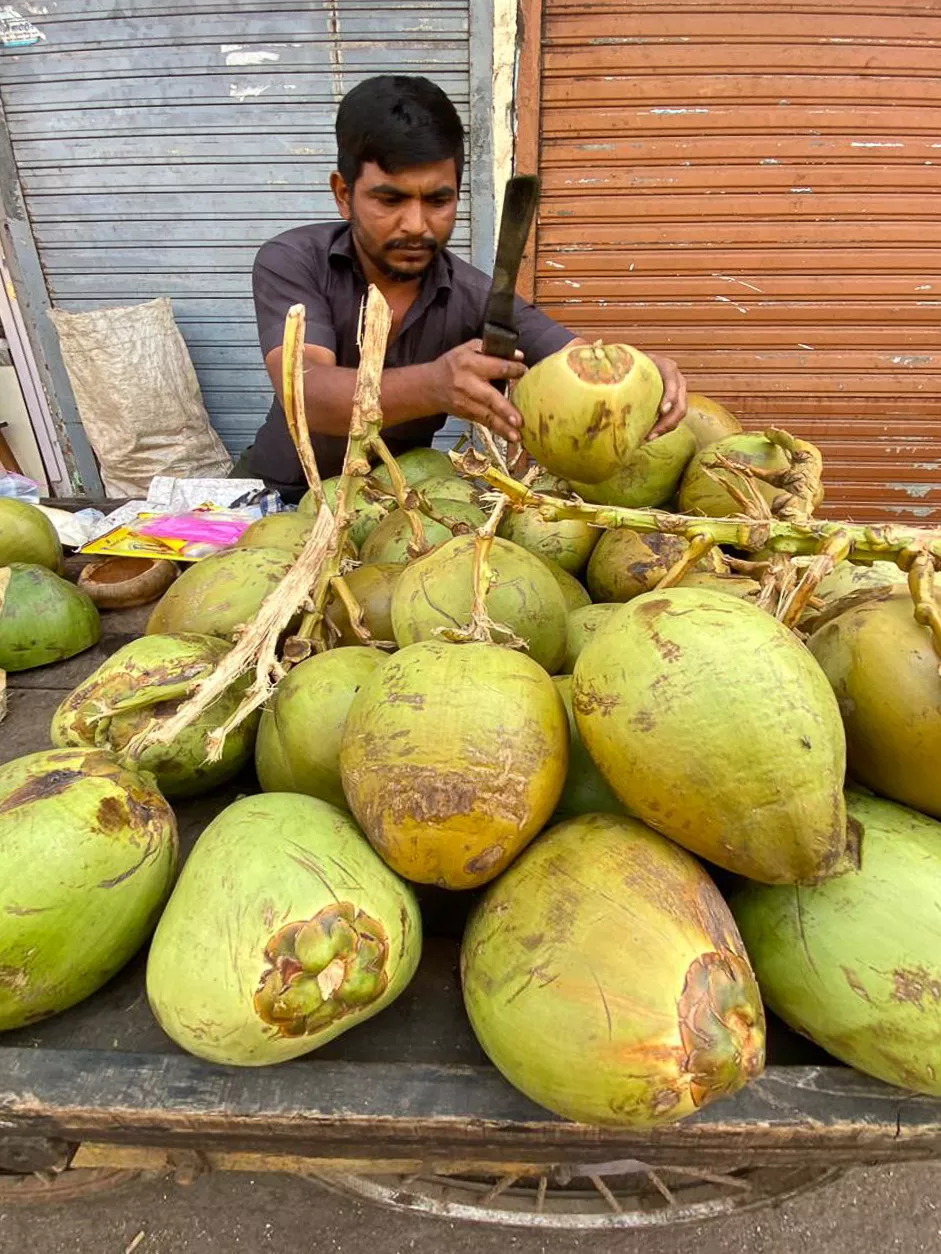
As the title suggests, Life Got Better with Coconuts for Kausar Shaikh. He came to Mumbai 15 years ago, leaving his family farm in Jharkhand, because he was not keen on agriculture and was seeking a different path. Seeing other migrants from his region successfully start small businesses gave him the confidence to leave years of unstable work in Mumbai behind and become a thriving coconut vendor in Dharavi.
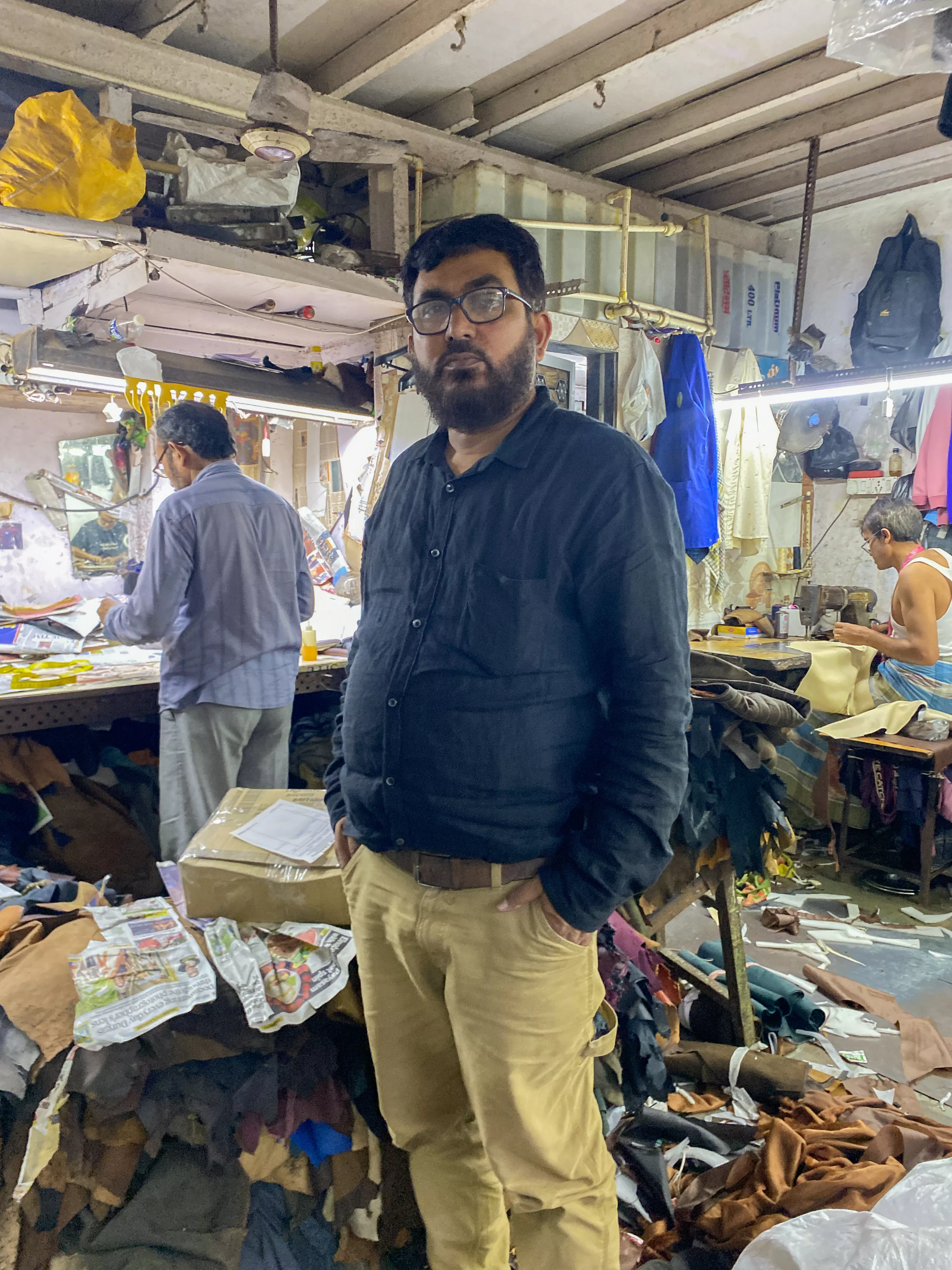
In Dharavi’s Rajiv Gandhi Nagar, Khurshid Bhai has his leather shop. From learning the trade alongside his brother to becoming a key supplier for brands like Royal Enfield, Khurshid Bhai built his business through perseverance. He is not just a craftsman, but also a committed community leader, standing firm against eviction threats and fighting for the rights of his neighbours. His story reflects the strength of Dharavi: grounded, proud, and unyielding in the face of adversity.
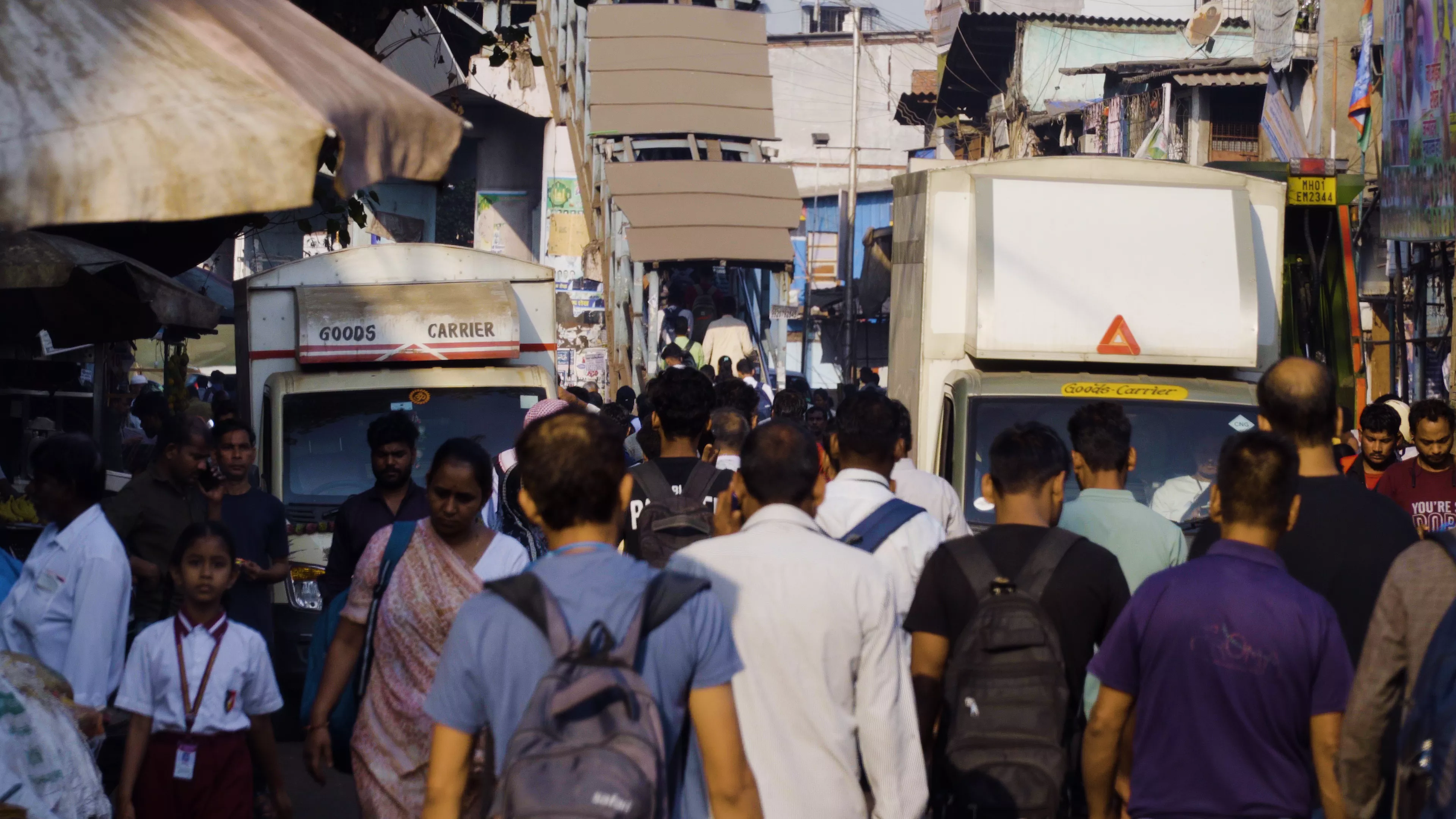
How Dharavi exposes the Limits of Professionalism with each frame...
This article is part of the following collection
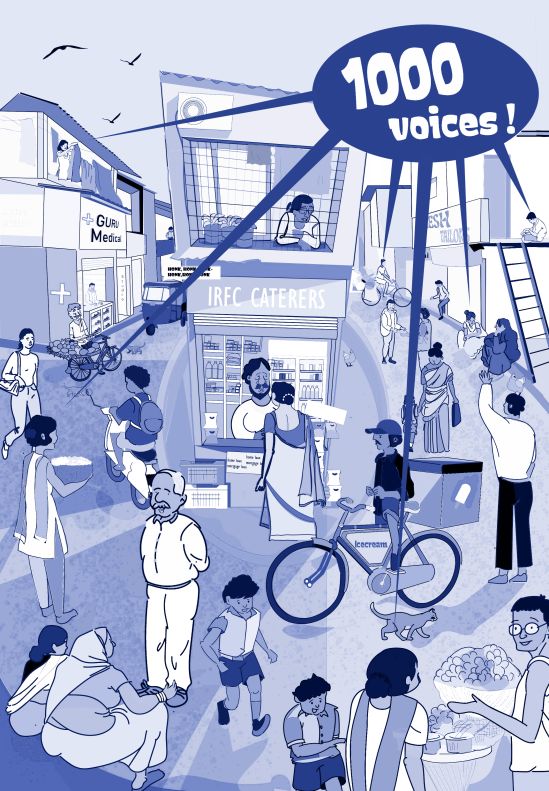
1000 Voices is a project that aims to document and understand Dharavi, Mumbai, through the perspective of people who, through their presence and activities, reproduce this fascinating homegrown neighbourhood day after day.