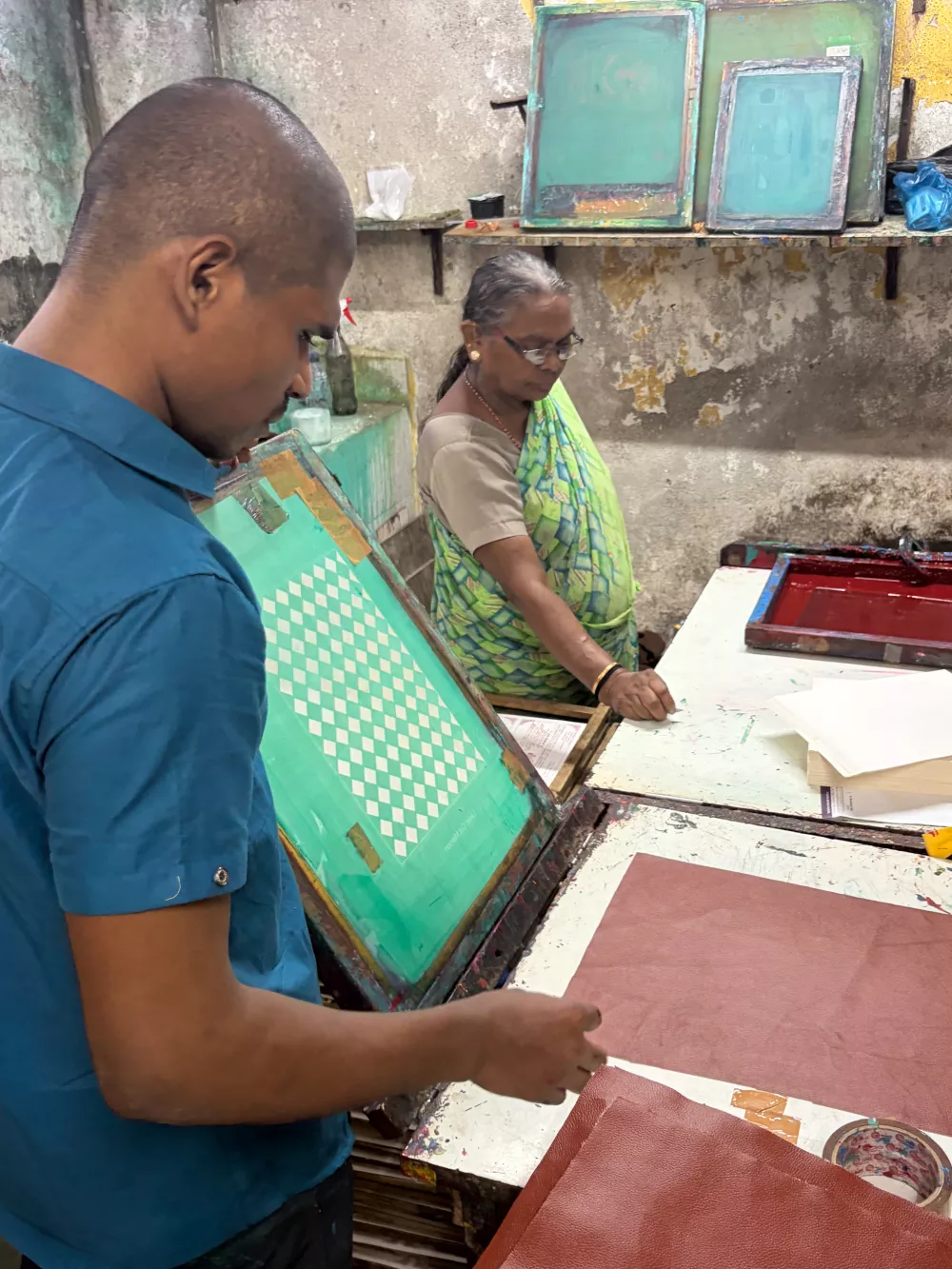
In a lane off the bustling 90 Feet Road in Dharavi, there is a tiny studio dedicated to all types of screen printing. Laxmi and Mani are an unlikely duo that expertly handle the screenprinting needs of customers across the city. They talk to us about a lifetime spent in the industry.
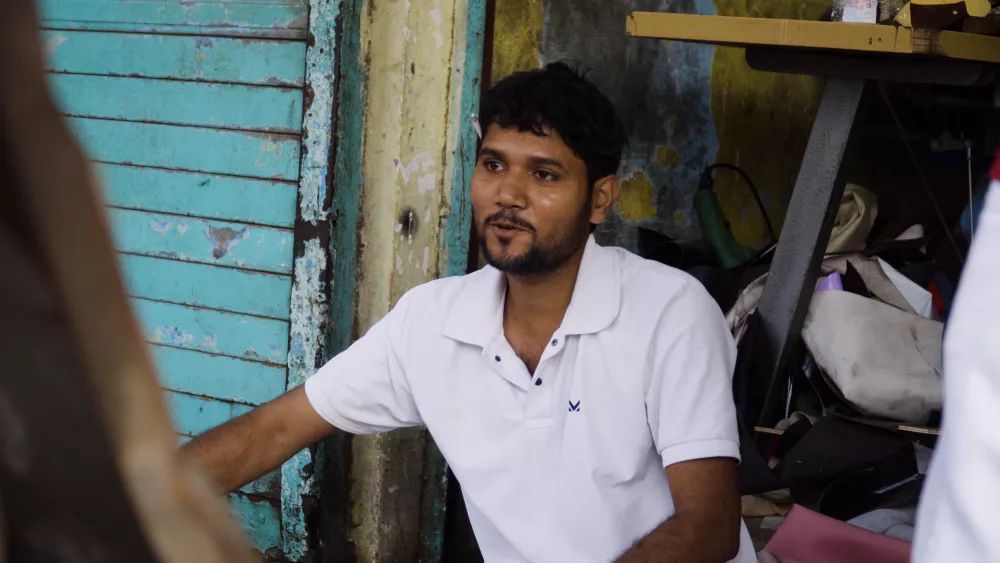
In Mumbai, autorickshaws are more than everyday transport; they’re personalised spaces on wheels. Drivers express parts of their identities through small interior details. From a tiny shop in Dharavi, Nanu Woodwallah designs and stitches these custom interiors. Carrying forward his father’s craft, he transforms standard rickshaws into distinctive, character-filled environments.

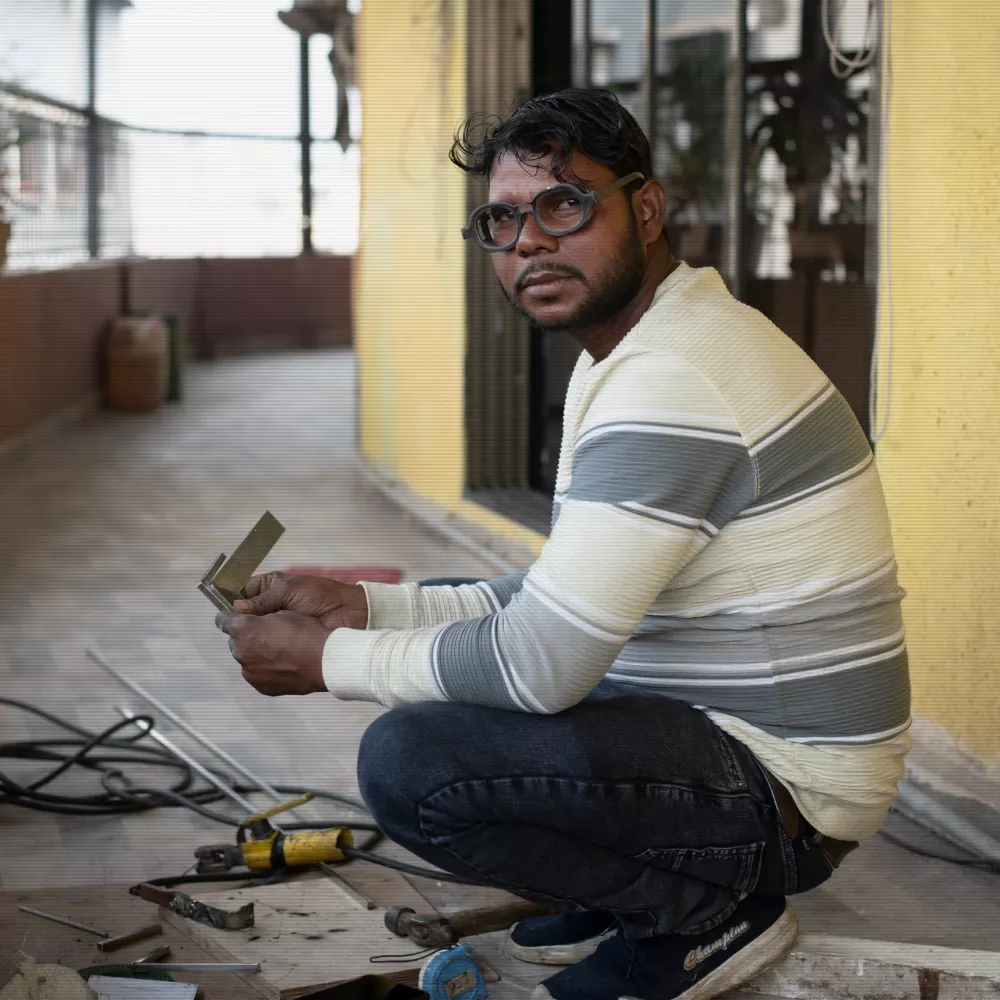
Kamlesh is an itinerant welder who has lived and worked in different parts of the country. Kamlesh represents the skilled workforce that quietly underpins the city’s built environment. This is his story...
For the uninitiated, Koliwada is a mystical labyrinth. I assumed I could take it on, find my way. How little I know...

As the title suggests, Life Got Better with Coconuts for Kausar Shaikh. He came to Mumbai 15 years ago, leaving his family farm in Jharkhand, because he was not keen on agriculture and was seeking a different path. Seeing other migrants from his region successfully start small businesses gave him the confidence to leave years of unstable work in Mumbai behind and become a thriving coconut vendor in Dharavi.

Satish Dalvi, a second-generation Dharavi resident whose journey from sanitation work to caregiving exposes the layered realities of caste, labor, and survival in Mumbai. As an outspoken activist and rationalist, his quiet rebellion against exploitation and superstition carves space for dignity and resistance in the city.


Shankar Jadhav, a 61-year-old cobbler, defies caste boundaries beneath Samvidhan Square. With calloused hands, a love for books, and quiet resilience, he mends shoes, nurtures a square, and challenges the invisibility imposed by society: one stitch, one flower, one act of dignity at a time.
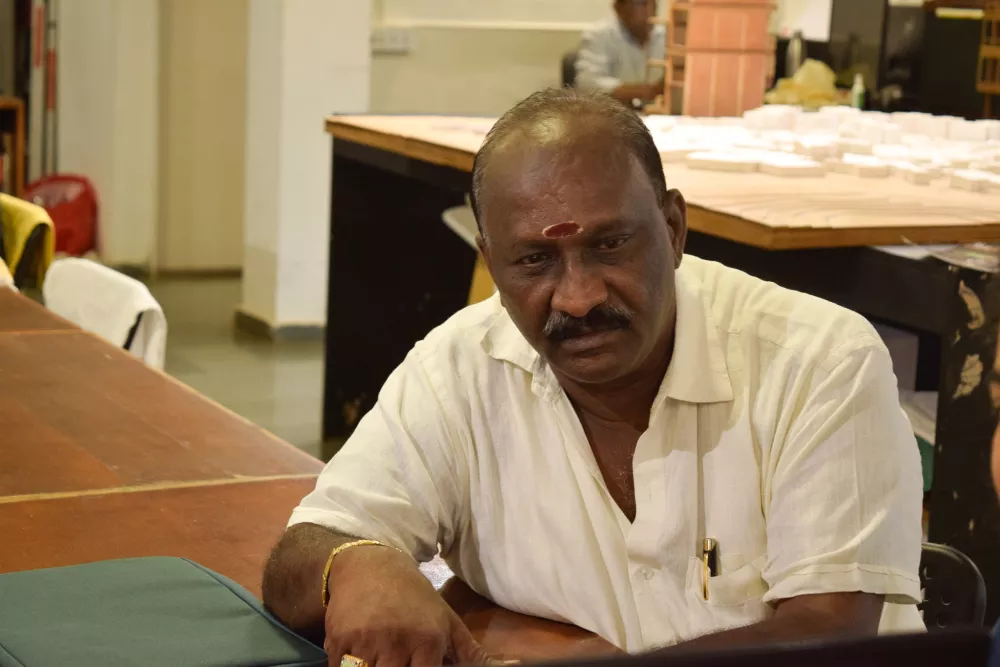
From his humble beginnings and early struggles to becoming a respected contractor and political voice, Arunlal’s journey reflects the strength, grit, and deep-rooted commitment to his neighbourhood. Known for his signature white attire and heartfelt leadership, he stands as a symbol of hope and perseverance in challenging times for Dharavi.
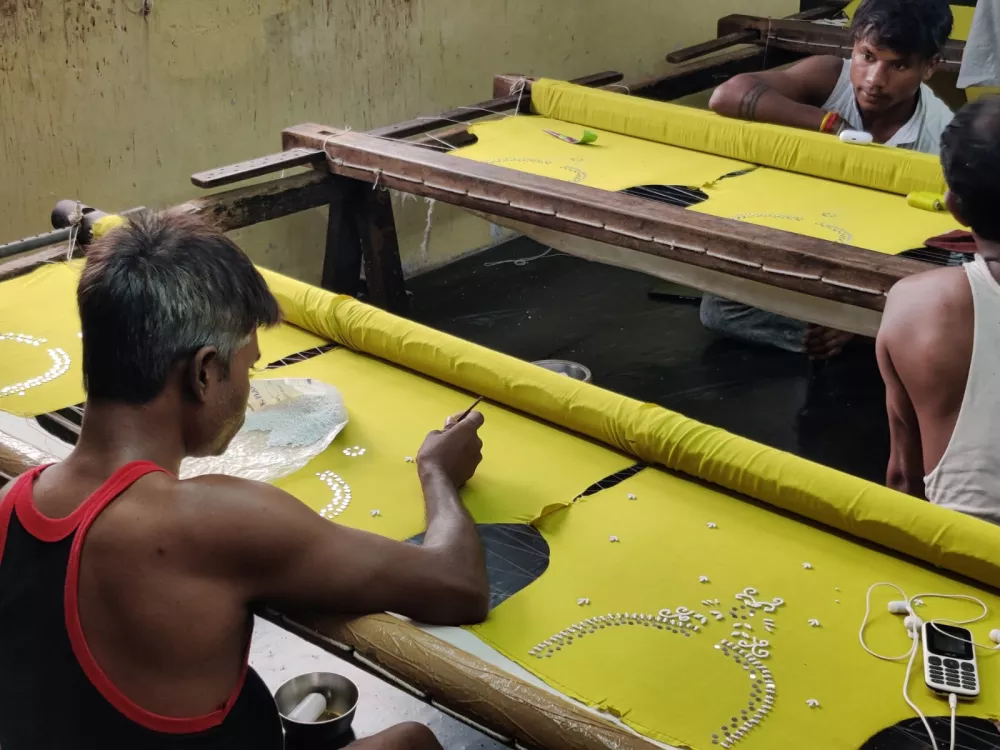
This story revolves around Zari Karigars seamlessly shuffling beads into pins and passing white crystals through yellow fabric, headed by Vivek Ji, the preserver of this timeless art form.


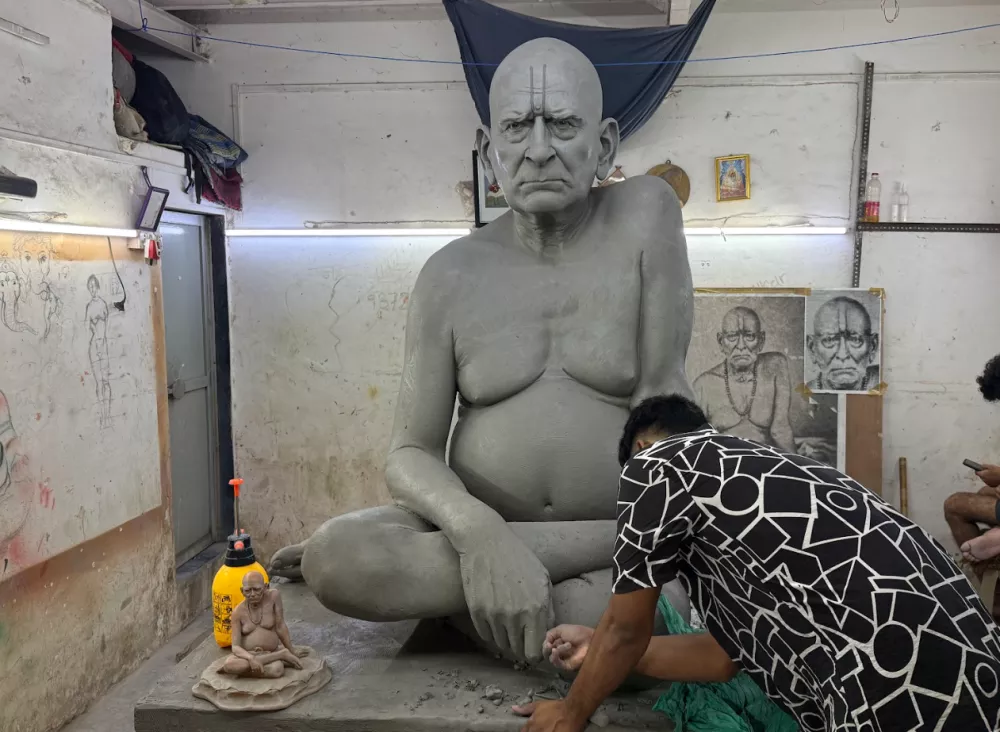
In a quiet corner of Dharavi, a small sculptor’s studio runs on tradition, patience, and mutual respect. Led by a young but deeply admired teacher, the space is both workshop and home. Here, idols are crafted slowly, shaped with care and rooted in custom. In a rapidly changing city, this studio offers stillness, a quiet commitment to craft and community.