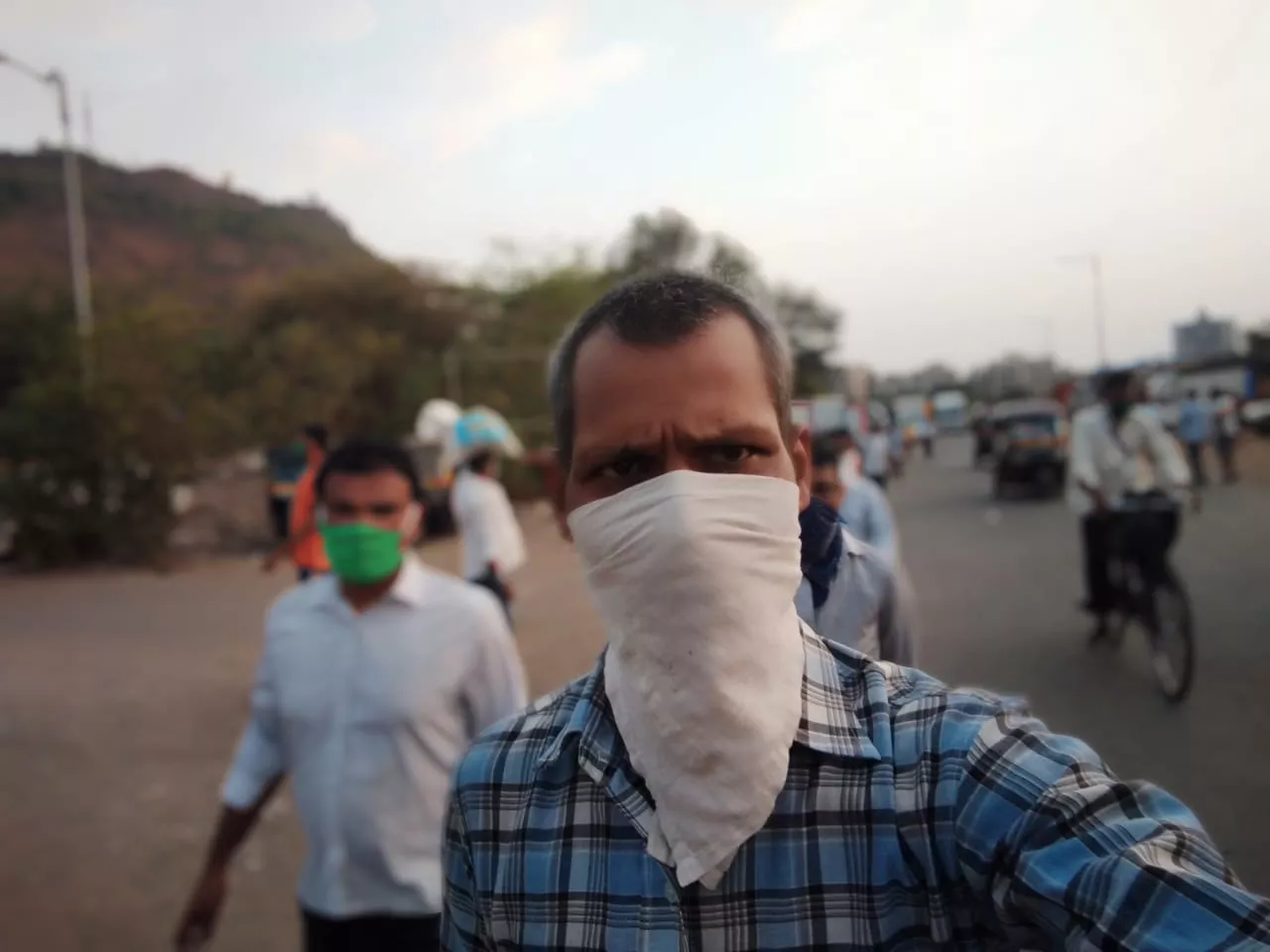
Dharavi Weekly 02
Authors
Authors



Dharavi Weekly 02
Authors
Authors
Related articles

We are excited to present the first issue of a graphic novel about the Vithal- Bhaskar Chawl in Dharavi Koliwada. This issue sets the historical context for the issues to follow - where we draw and tell you more about the participatory redevelopment project initiated by the residents.



The homegrown neighbourhood is an expression of local organizational skills and maximum optimization of resources in the creation of built environments. In this series we attempt to understand its chief personnel, their tools and the processes involved in the making of such settlements.



In this article, published in The Architectural Review, Matias Echanove and Rahul Srivastava discuss the significance of local builders and contractors in preserving the functionality of the neighbourhood. It takes a simple shift in perspective to uncover the driving forces behind the vibrant growth of homegrown settlements such as Dharavi.

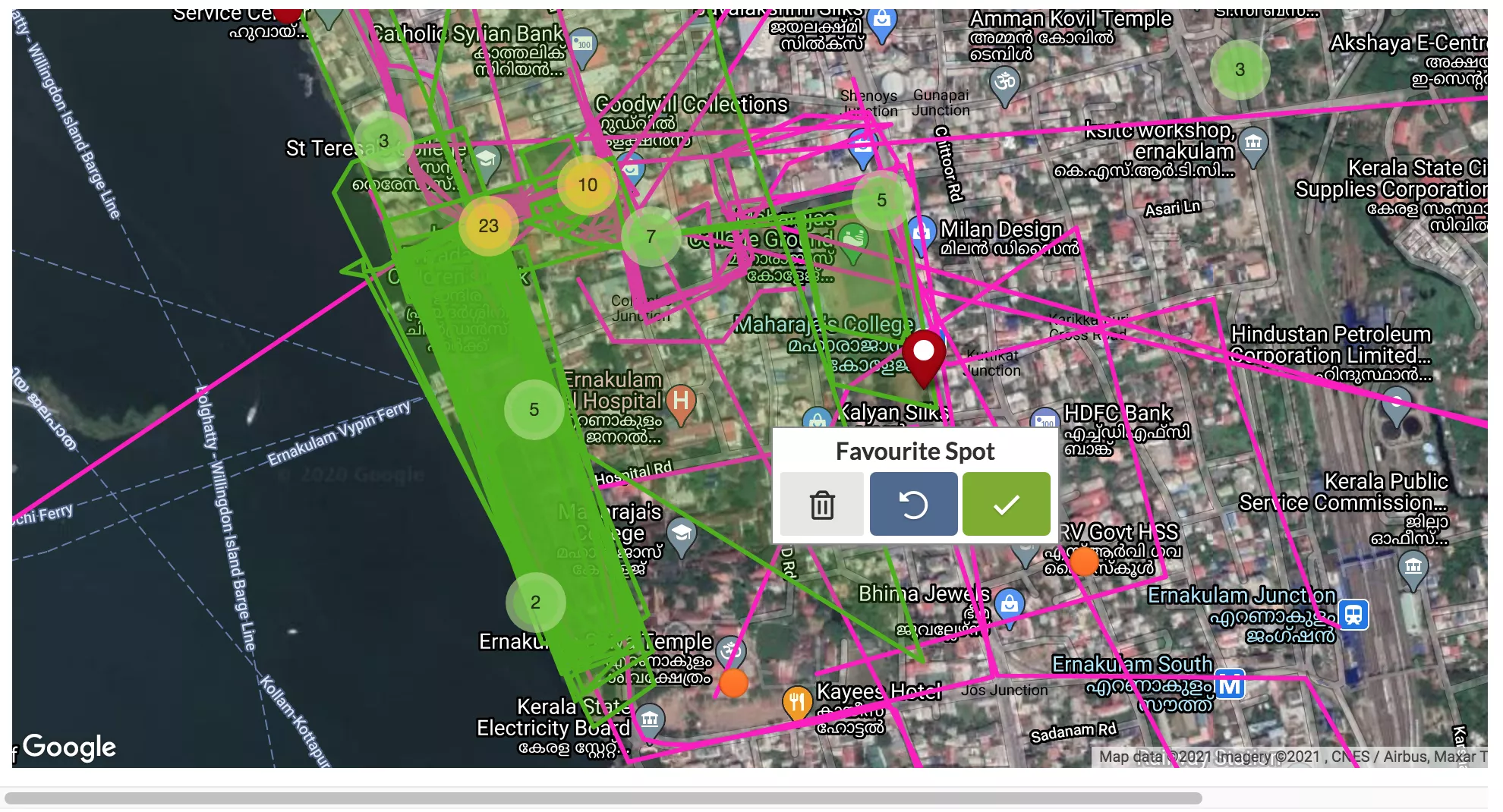
The urban design competition EnteKochi 2020 focused on integrating a participatory approach within the planning process for the city of Kochi. The competition was planned for, announced and conducted during the pandemic induced nation wide lockdown. This article provides a glimpse of the process.



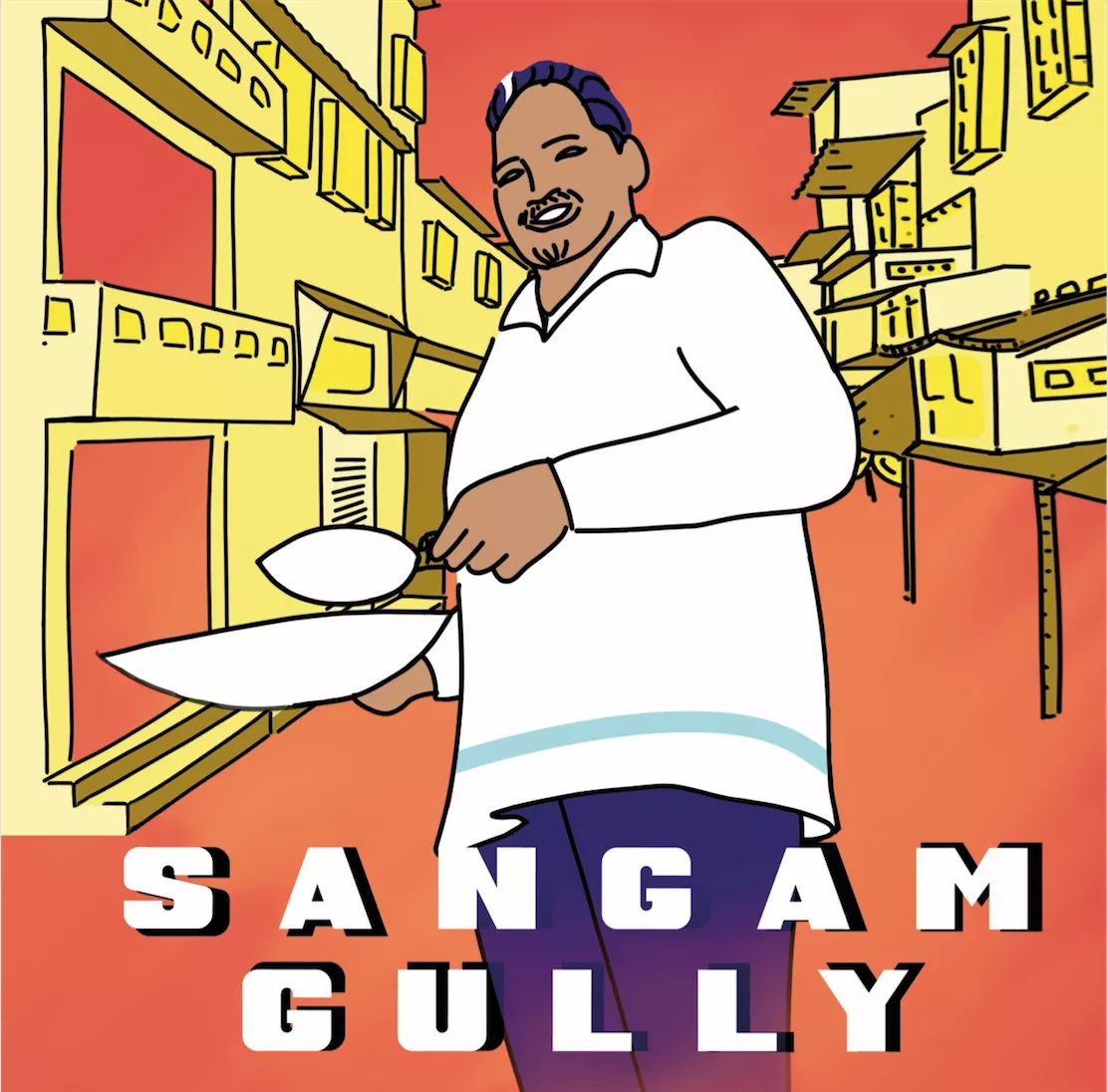
Inviting contractors from all over Mumbai to collaborate on designs for homes in Dharavi with residents, architects, and artisans.



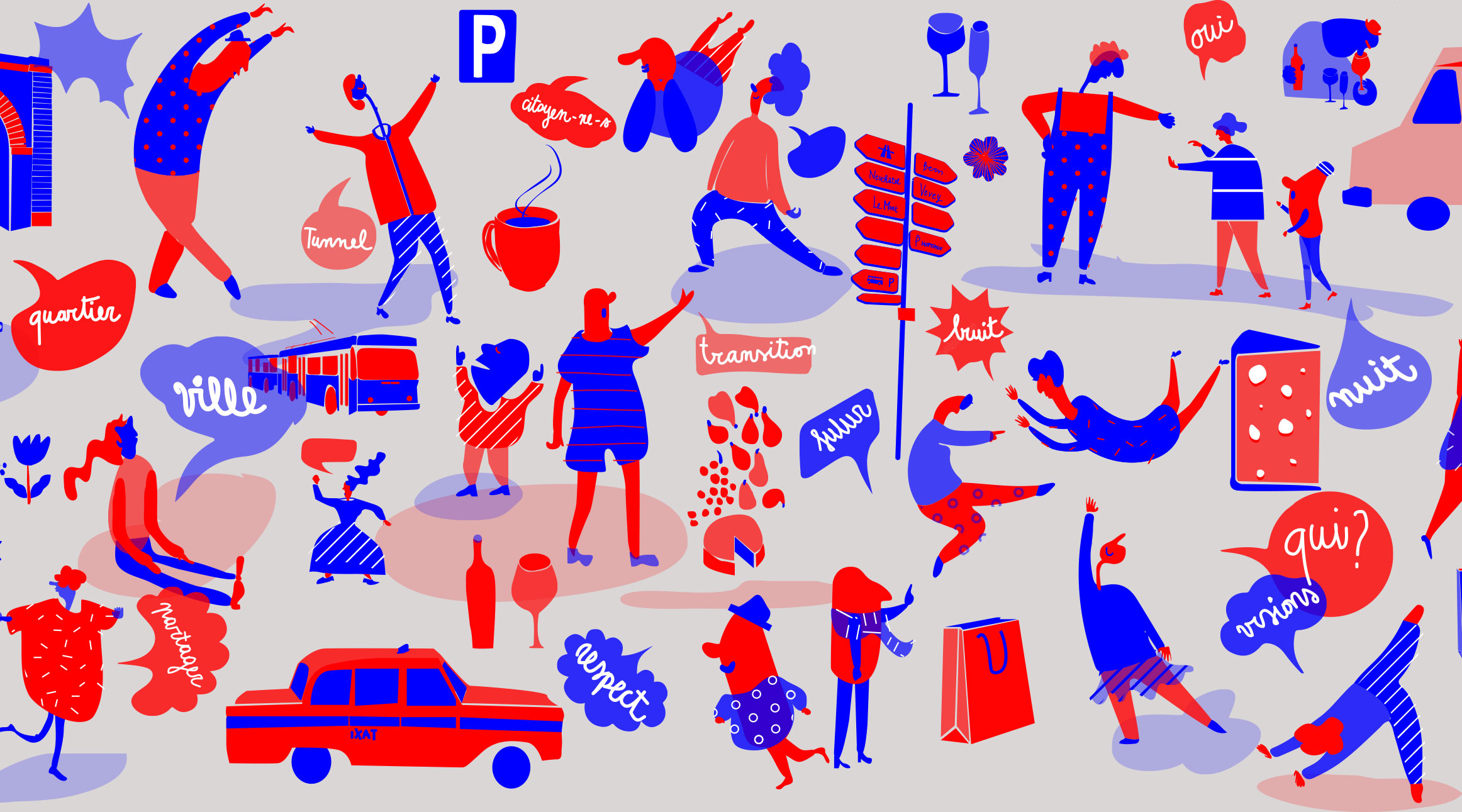
Los colectivos Urbz Colombia y Chaal Chaal Agency (India - Colombia) proponen el taller online sobre Micro Urbanismo emergente.

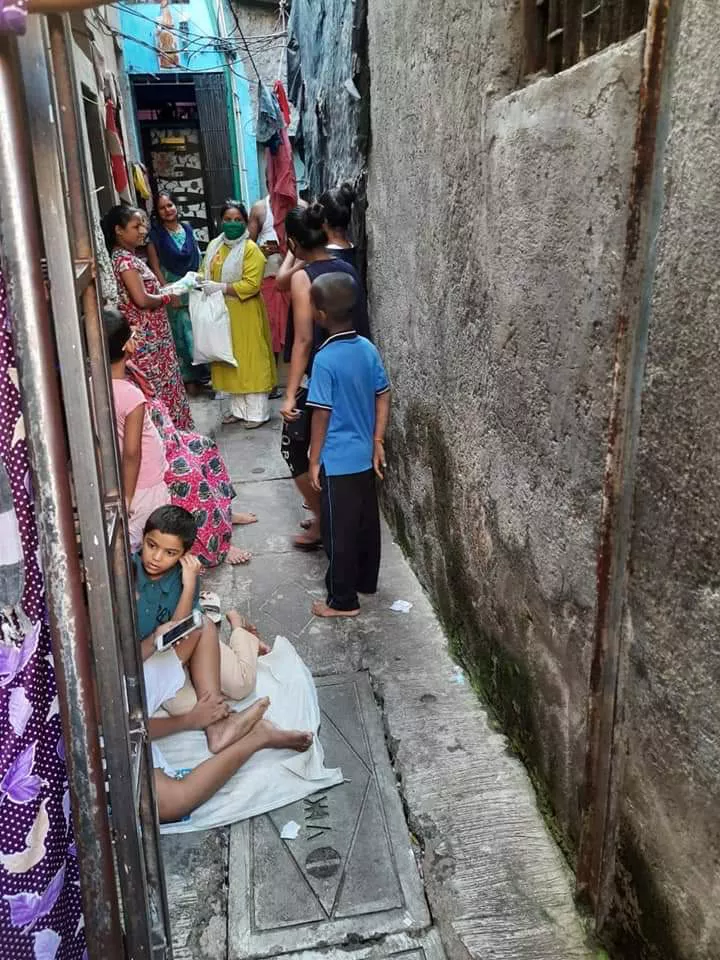
This is the third weekly report on how Dharavi is coping with Covid-19. We concentrate on the food distribution effort initiated at community level.