Frames: from Ratnagiri to Dharavi
Authors
Authors

Frames: from Ratnagiri to Dharavi
Authors
Authors
Ravi’s story is deeply rooted in the dynamic landscape of Dharavi, one of Mumbai’s most densely populated and economically vibrant informal settlements. Originally from Ratnagiri, a coastal town in Maharashtra, Ravi moved to Dharavi in 1995 due to financial constraints. His father, who had found work in Mumbai as a painter, had already begun establishing a foothold in the city. Ravi followed in his footsteps, driven by necessity and the pursuit of economic stability.
Upon arriving in Dharavi, Ravi began working in the screen-printing industry, initially making frames and designs for textile printing. Over the years, this skill became both his livelihood and passion. With more than 30 years of experience in this field, Ravi has since established his own business, which he has been running for the past decade. His work is not only technical but deeply creative. He designs and constructs the frames used in screen printing, adapting them to the specific preferences of his customers. Much of this work is done manually, requiring a meticulous and practiced hand. Ravi demonstrated this process, laying a frame on a light table that projects the design onto a mesh surface, a technique central to the production of printed textiles like T-shirts and pants.
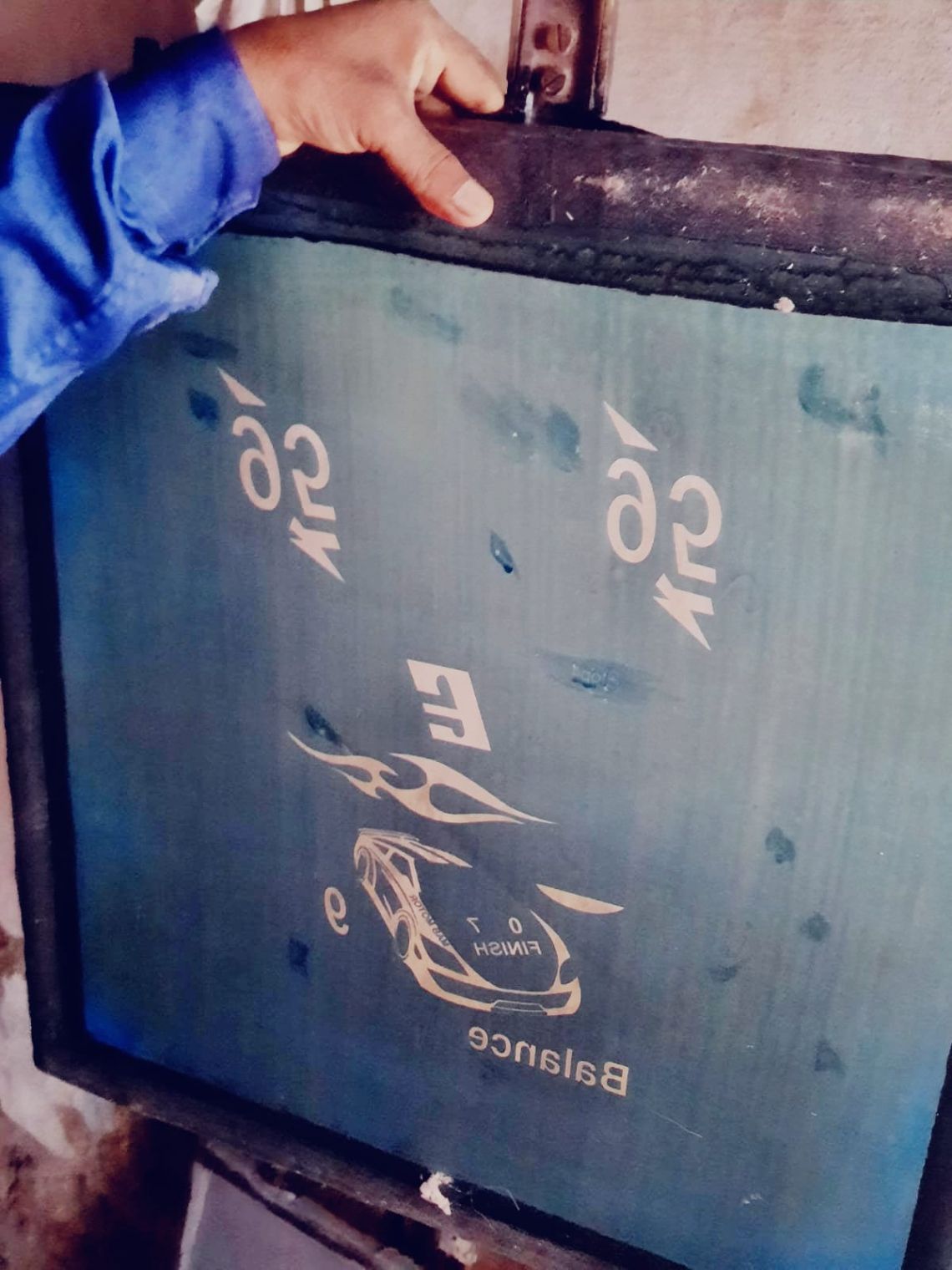


Much of the material Ravi works with comes from different corners of Mumbai, particularly Kalina Nagar. Essential items such as the CS5 chemical, gum, mesh, and locally-sourced wood make up the bulk of his supplies. His studio in Dharavi remains the core of his operations, even though he now resides in Diva, a small town adjacent to Mumbai, following a family dispute that led him to leave the small room his father had left for him and his brother.
Despite a daily two-hour commute involving both bus and local train, Ravi remains deeply connected to Dharavi. As he puts it, “To be very honest, no one can leave Dharavi. It is impossible for people to leave this space.” For him, Dharavi is more than just a place of work; it is a support system. It offers the environment, resources, and networks essential for the smooth functioning and growth of his business. His studio, for which he pays a monthly rent of ₹9,000 excluding electricity charges, is strategically located amidst the bustling informal economy of Dharavi. This ecosystem, shaped over decades, has allowed micro-entrepreneurs like Ravi to flourish.
However, Ravi also expressed concerns regarding the proposed redevelopment of Dharavi. While he acknowledges the potential for improved infrastructure, he fears that such changes may disrupt the existing economic structure. According to him, “redevelopment may be a good initiative, but it is uncertain whether local businesses like mine will survive in the aftermath.” He predicts that large-scale unemployment could follow if the organic networks of informal labour and production are dismantled.
Ravi also reflected on Dharavi’s resilience, particularly during the COVID-19 pandemic. Despite the high population density, Dharavi reported remarkably low case numbers and demonstrated a collective strength that surpassed many expectations. This, he believes, is a testament to the strong social fabric and communal solidarity that defines the area. People from various castes and religious communities cohabit and work together harmoniously, something Ravi values deeply and sees as central to Dharavi’s identity.
Outside his professional life, Ravi is a family man. He has two children, both of whom have completed high school and are now preparing for higher education. His aspirations for their future mirror his own journey, rooted in hard work, resilience, and hope for better opportunities.
Ravi’s life stands as a compelling narrative of survival and creativity within urban settlements. His story sheds light on the critical importance of acknowledging and preserving the socio-economic ecosystems in places like Dharavi, especially in the face of top-down redevelopment agendas.
Related articles
The Handstorm workshop brought together various actors from all around the world to build things that could improve the neighbourhood based on discussions with residents and with the help of local artisans
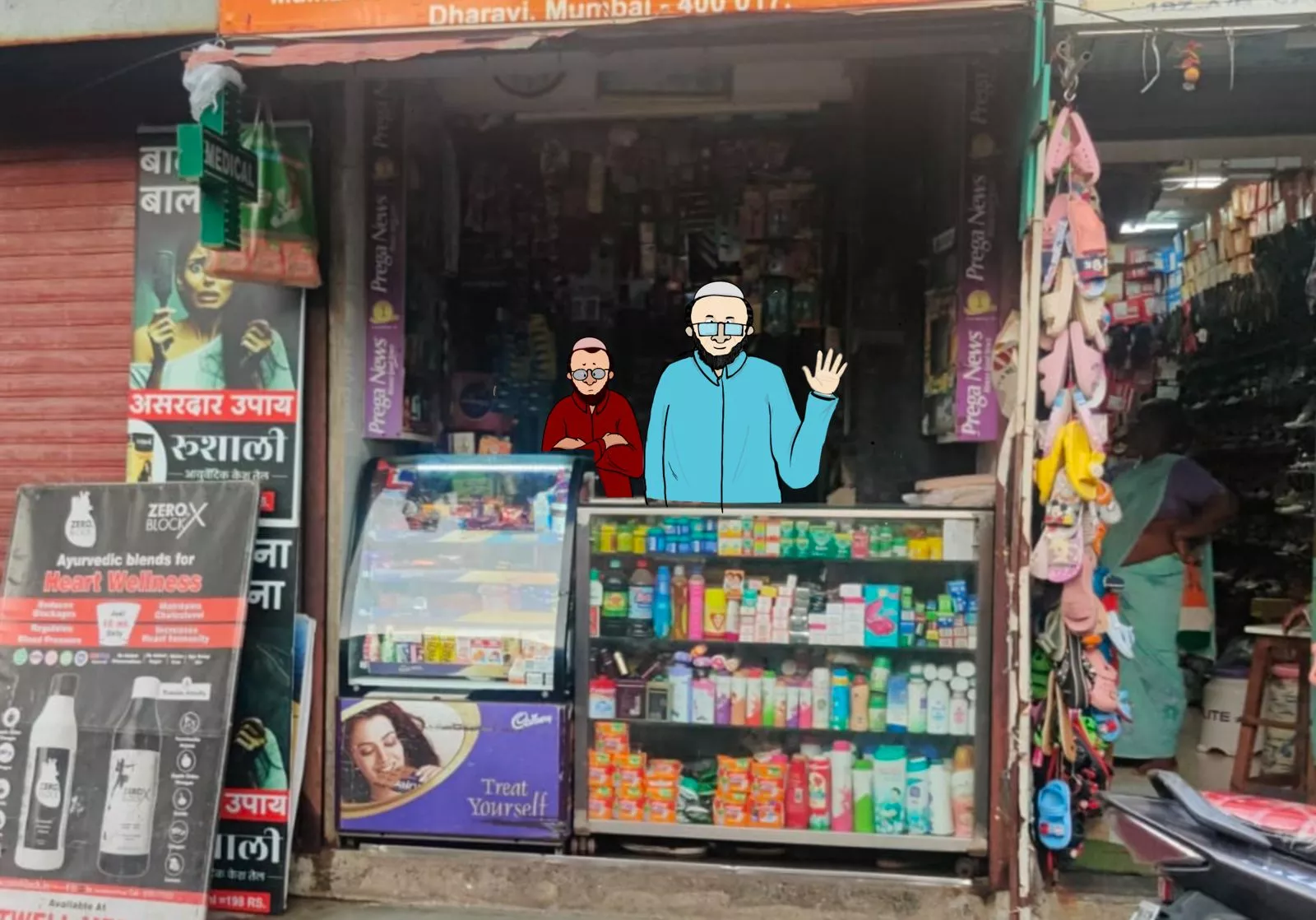
Two brothers behind a pharmacy counter tell us a story of resilience and adaptability, ranging from spreading wares in Bandra to spinning rakhis on an umbrella in the rains.



In a new series, we re-explore the homegrown streets of Dharavi in search of local arts and crafts. First in the series- Dharavi's famous Kumbharwada


In Mumbai, autorickshaws are more than everyday transport; they’re personalised spaces on wheels. Drivers express parts of their identities through small interior details. From a tiny shop in Dharavi, Nanu Woodwallah designs and stitches these custom interiors. Carrying forward his father’s craft, he transforms standard rickshaws into distinctive, character-filled environments.

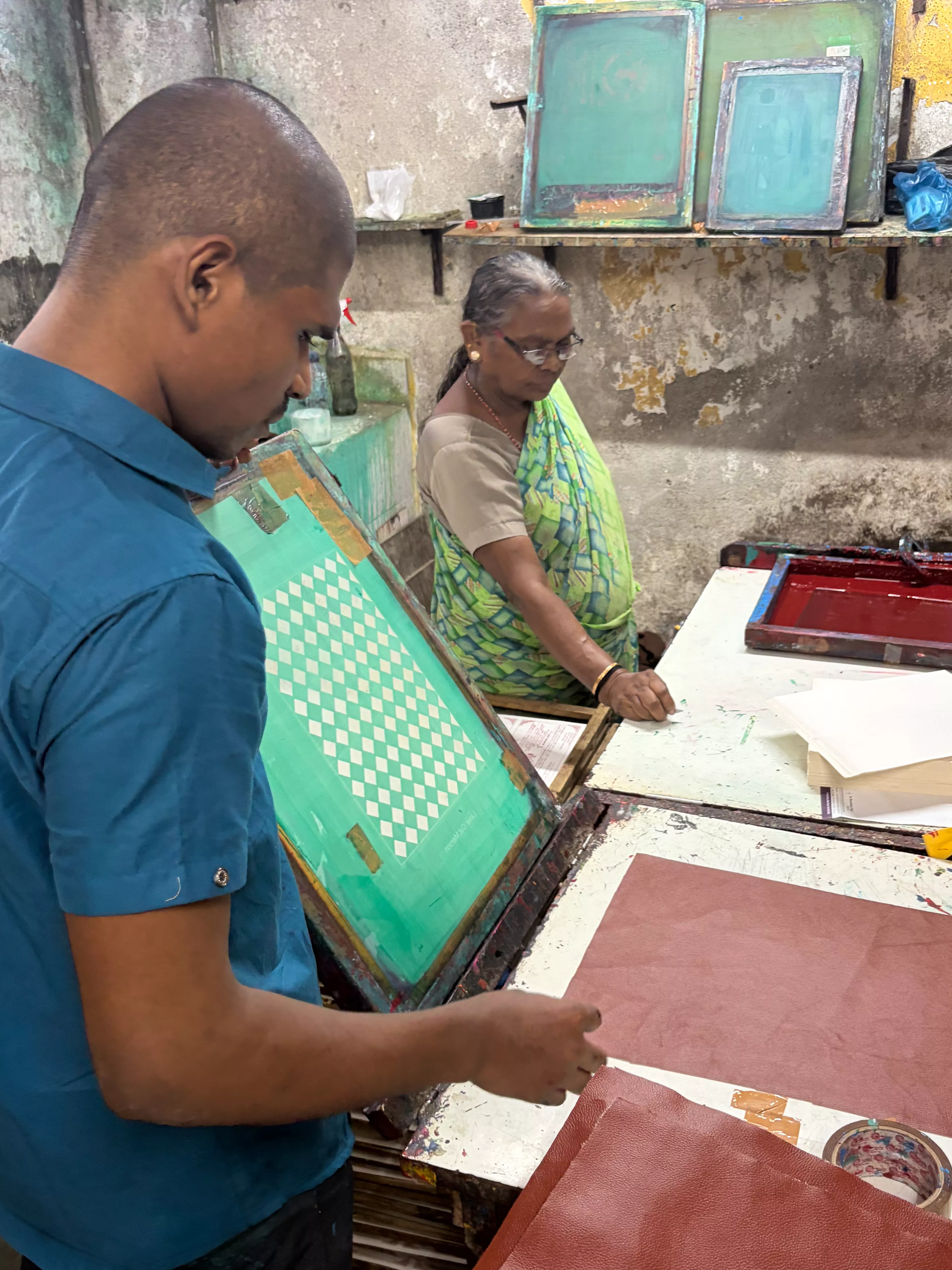
In a lane off the bustling 90 Feet Road in Dharavi, there is a tiny studio dedicated to all types of screen printing. Laxmi and Mani are an unlikely duo that expertly handle the screenprinting needs of customers across the city. They talk to us about a lifetime spent in the industry.
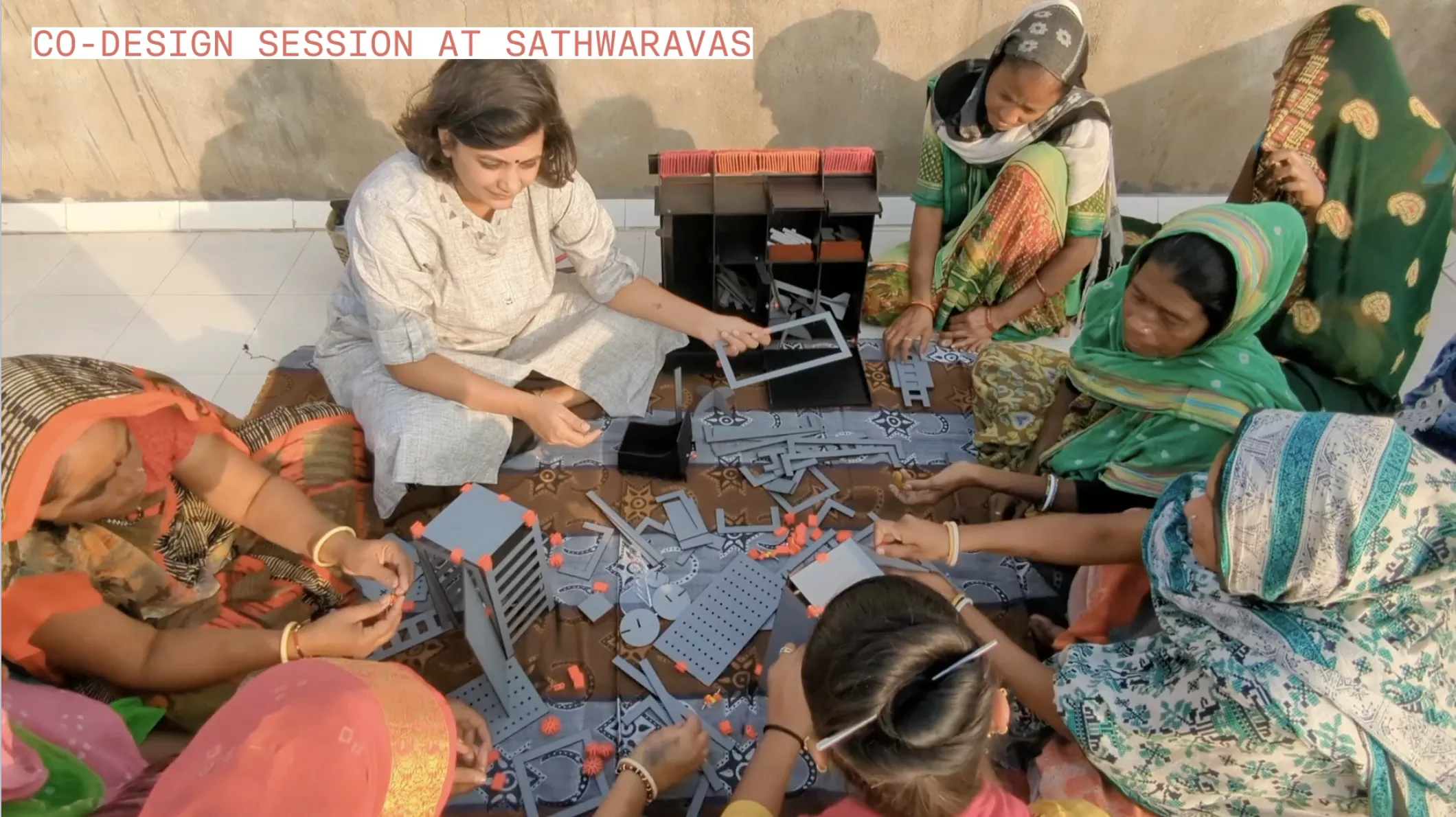
Policies can be supportive or prohibitive, depending on who they serve. A public policy student tries to understand how marginalised communities navigate urban realities from the lens of the architects and urban planners who work with them.

A new series of Make in Dharavi focuses on the neighbourhood of Kumbharwada, famous for its pottery. Part 1 looks at the history of the area and some of the issues it's facing today.
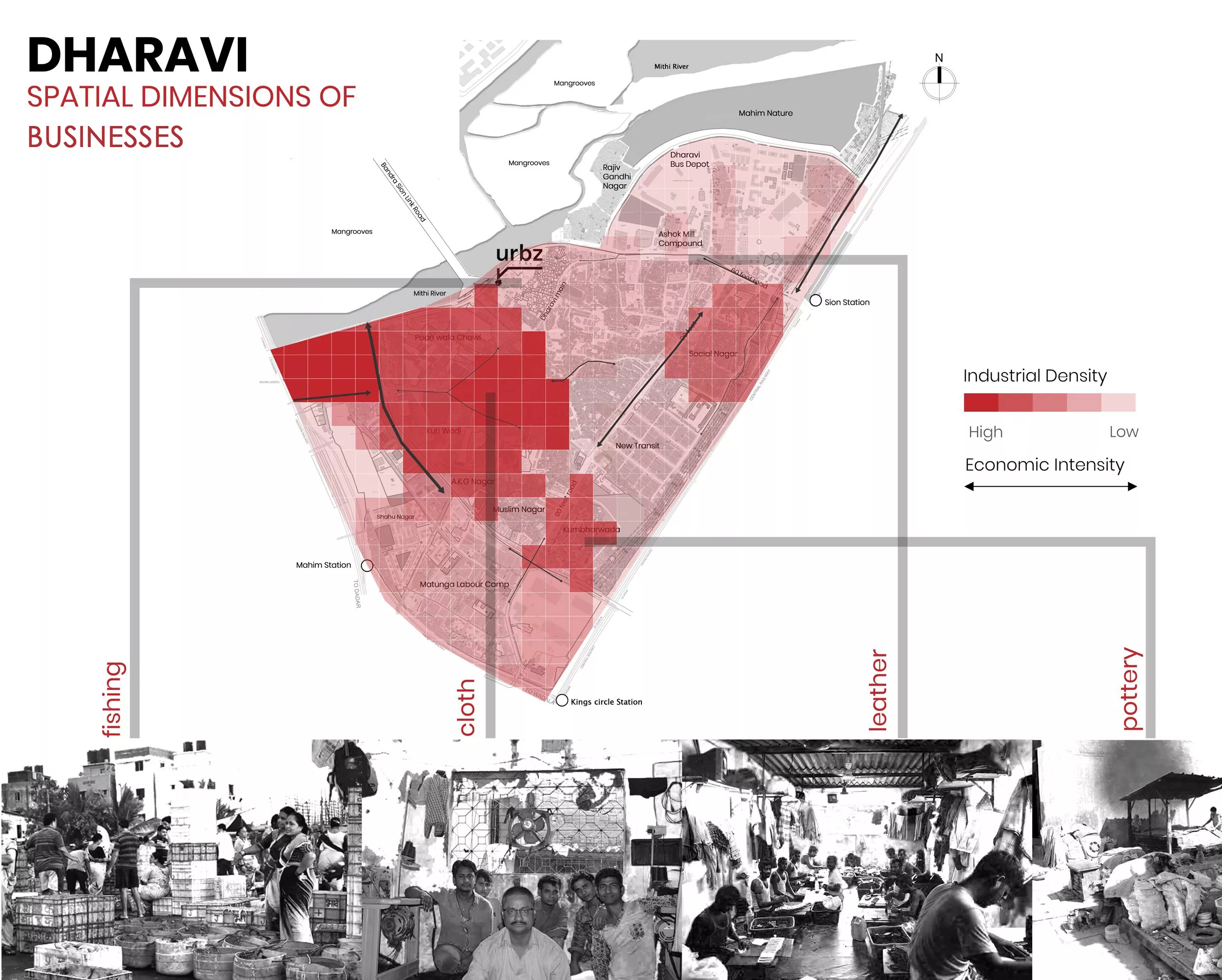
Dharavi is a prime real estate location due to its closeness to public transport systems, business districts, as well as ecological hotspots. The proximity of living quarters to where individuals work, often from within households, brings both benefits and challenges to households and businesses.



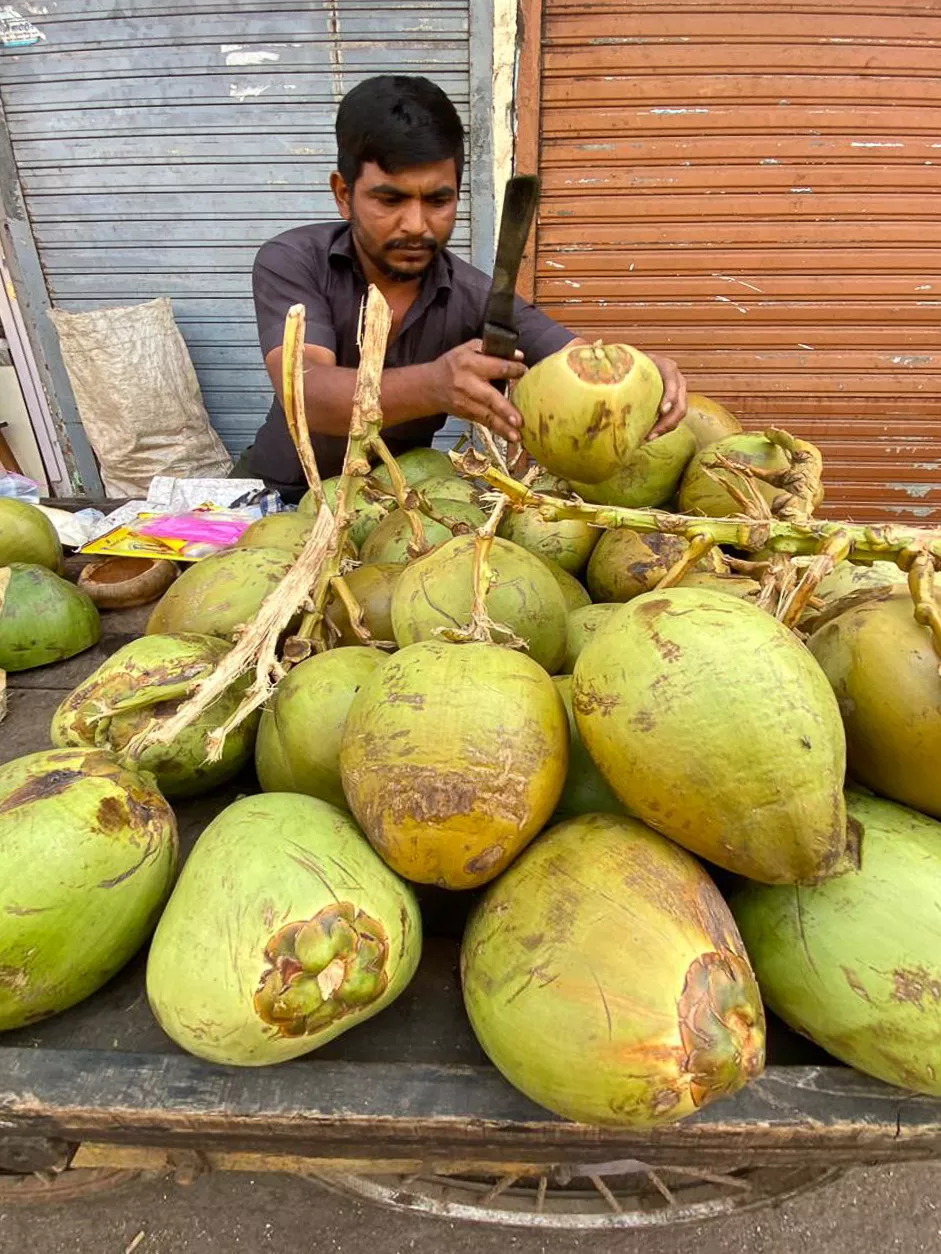
As the title suggests, Life Got Better with Coconuts for Kausar Shaikh. He came to Mumbai 15 years ago, leaving his family farm in Jharkhand, because he was not keen on agriculture and was seeking a different path. Seeing other migrants from his region successfully start small businesses gave him the confidence to leave years of unstable work in Mumbai behind and become a thriving coconut vendor in Dharavi.
This article is part of the following collection
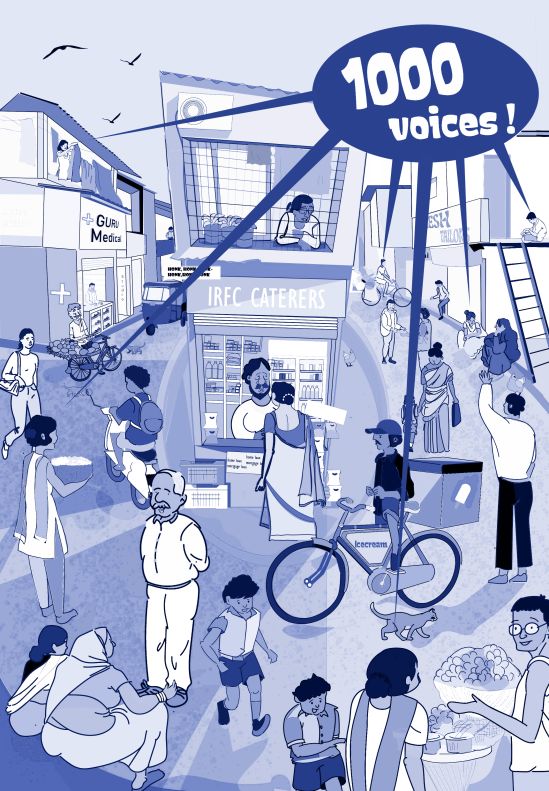
1000 Voices is a project that aims to document and understand Dharavi, Mumbai, through the perspective of people who, through their presence and activities, reproduce this fascinating homegrown neighbourhood day after day.