Printing Life in Dharavi
Authors
Authors


Printing Life in Dharavi
Authors
Authors
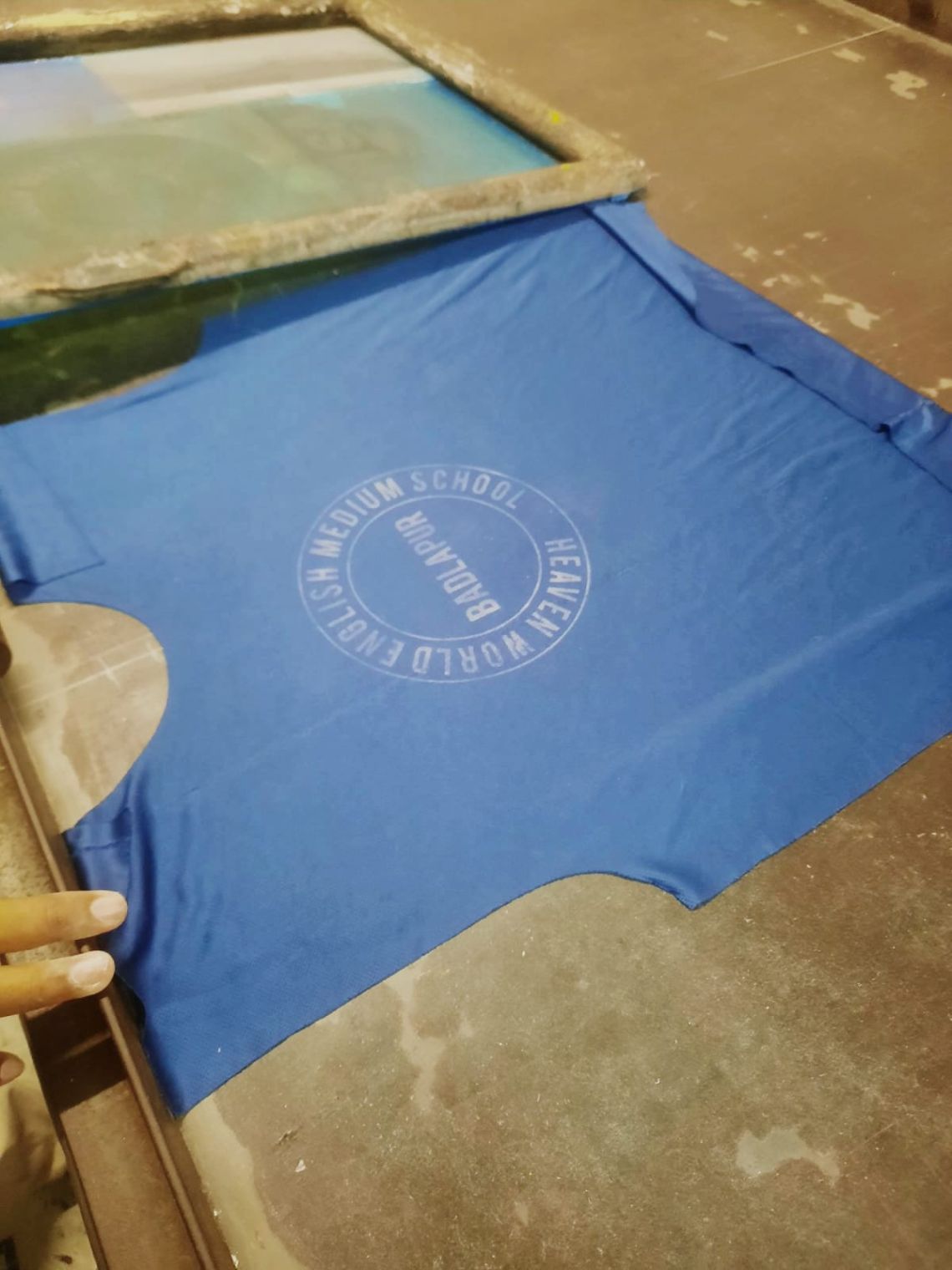
On a narrow staircase of Dharavi, Samsuddin climbs to the first floor of a modest house, where his small printmaking studio hums with purpose. The air carries the faint scent of ink and fabric, and the rhythmic whir of a heat gun punctuates the day. Here, Samsuddin crafts t-shirts, shirts and pants adorned with logos and artwork, his hands moving with the ease of someone who has mastered the intricacies of a densely interconnected environment. Day or night, the studio is alive when orders come in, and for Samsuddin, that's precisely how he likes it.
He can print up to 20 shirts in one go, each batch taking about 30 minutes to print and dry. The pace is brisk, but it's what ensures every order, whether a handful or thousands, everything gets delivered on time. "It all depends on the orders," he says steadily. Some nights, work stretches past midnight, yet he never complains. For Samsuddin, this isn't just a job; it's freedom. "I love this work more than a stable job," he explains. "No restrictions. I can come and go whenever I want." That flexibility is his edge, drawing clients who value his speed and reliability. Most of his orders come from Badlapur and Panvel, which are located in the outer suburbs of Mumbai, especially schools needing uniforms. One order stood out: it came from his own village in Unnao district of Uttar Pradesh. "I was so surprised and happy," he says, his eyes lighting up at the memory. It felt like a small piece of home had found him in Dharavi.
Samsuddin doesn't have permanent employees, but when big orders roll in, sometimes 1,000 to 2,000 t-shirts, he hires help to keep up. The studio, though small, is a hub of efficiency, with every corner used with purpose. But it comes at a cost. The rent, a steep 9,000 rupees a month, including the power bill, is a constant weight, whether business booms or slows. Still, Samsuddin shrugs it off. "That's just how it is," he says, his pragmatism as steady as his work ethic.
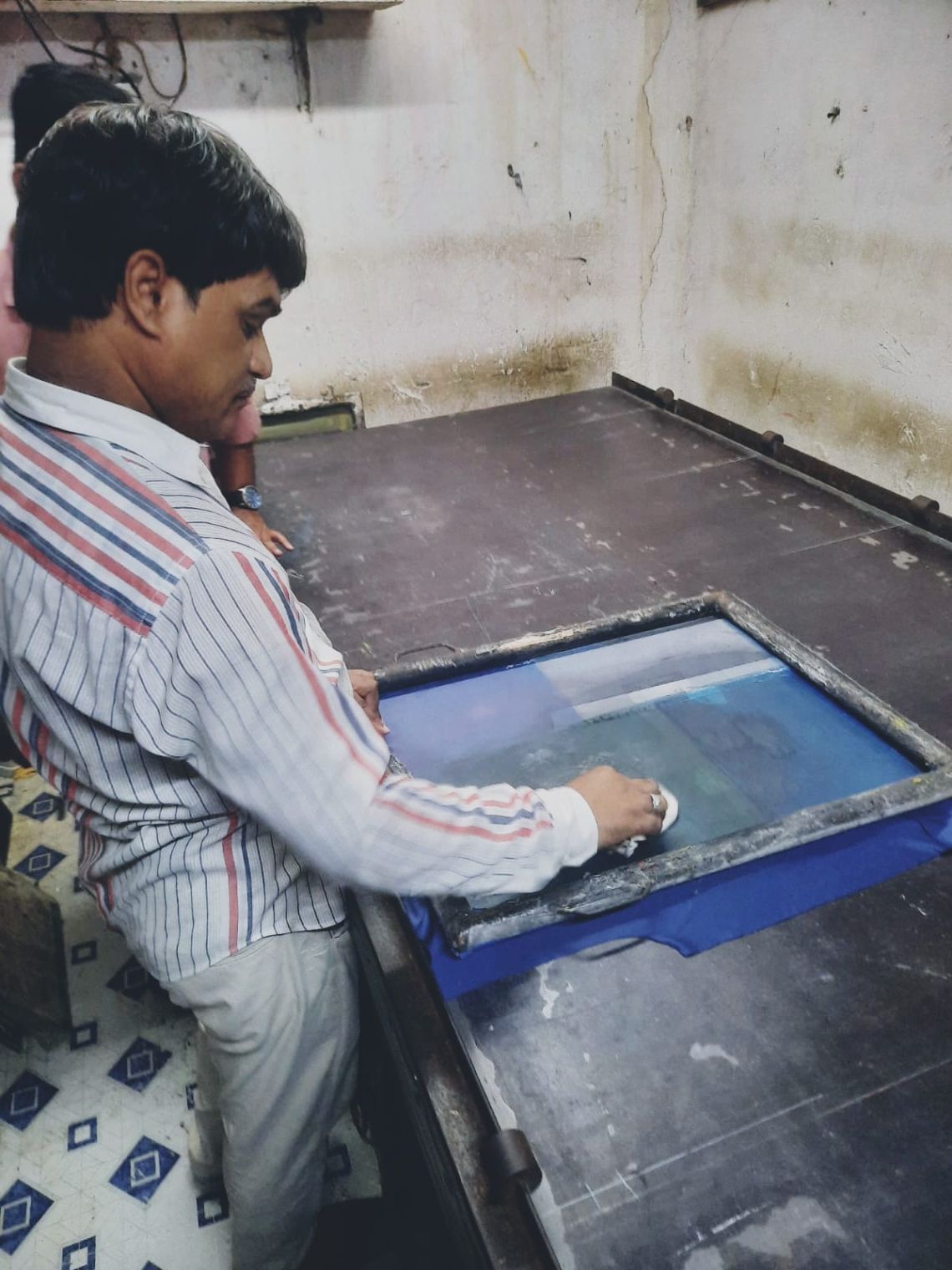


He arrived in Dharavi in 1995, leaving behind Unnao district in Uttar Pradesh. Samsuddin's journey into printmaking began with his Mamu, his mother's brother, who first guided him through the narrow lanes of Sangham Galli in Dharavi. It was there, in 1995, that he took his first steps in this trade, learning the art of transforming plain fabric into something bold and personal. "I don't know why I chose this," he says with a faint chuckle, "but I'm glad Mamu showed me the way." Back then, his first job paid just 700 rupees a month, with 400 going to food alone. "It was tough," he recalls, but he smiles when discussing Dharavi's past. "It was beautiful back then, especially Kalakilla and the leather market," he says. Life wasn't easy, though; long water lines were a daily struggle. Still, he found his way into printmaking, though he's unsure how. "I don't know how I started, but I'm happy I did," he says with a quiet laugh.
He lives in Dharavi now, just a short walk from his workshop, in a home where his children are growing up. All of them attend local schools, and one daughter is carving her own path, studying design, a spark of creativity that makes Samsuddin's eyes light up. "She's learning to make things beautiful, like me," he says proudly.
When asked about redevelopment, he pauses. "Yes, we want development," he says, "but not by pushing people out. That's wrong." He believes in improving Dharavi while keeping its heart and its people intact.
From Sangamgalli to his studio's perch, he's woven himself into the fabric of this place. Perched above the street, his studio is a testament to the hustle that defines this place. It's not about grand plans or polished spaces; it's about getting things done, one t-shirt at a time. And in the hum of his heat gun and the stack of freshly printed shirts, Samsuddin adds his own thread to the intricate fabric of Dharavi.
Related articles

The 13th Compound, known for being a hub of informal recycling of plastic and metal, branches into endless veins of tempos overflowing with waste collected from the city, and godowns churning with heavy crushers. Irfan Bhai, a man with 30 years of experience and Ashraf, his son, tell us the intricacies of this age-old business and their future plans.



A small gully, adjacent to Dharavi Main Road, takes you to Hasmat’s tool-house. She is a friendly businesswoman, with inspiring resolve accompanied by a small smile.
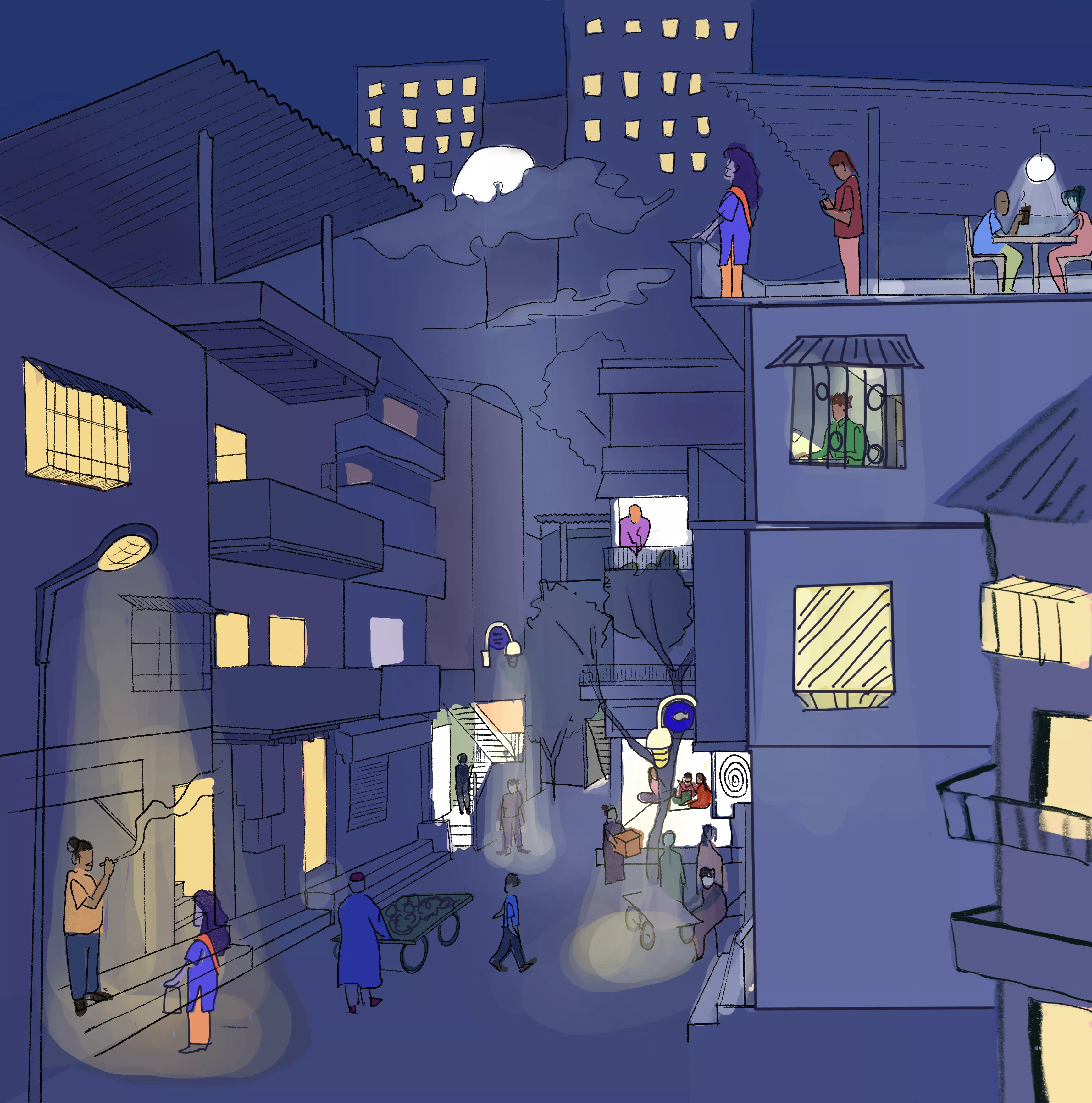
As part of the ABCD project, street lighting emerged as an urgent need for the residents of Dharavi Koliwada. A need that was addressed through a year-long collaboration between urbz, the Dharavi Koli Jamat, local electricians and residents. Read about how the process unfolded and what comes next.

This story revolves around Zari Karigars seamlessly shuffling beads into pins and passing white crystals through yellow fabric, headed by Vivek Ji, the preserver of this timeless art form.

In a new series, we re-explore the homegrown streets of Dharavi in search of local arts and crafts. First in the series- Dharavi's famous Kumbharwada


In Mumbai, autorickshaws are more than everyday transport; they’re personalised spaces on wheels. Drivers express parts of their identities through small interior details. From a tiny shop in Dharavi, Nanu Woodwallah designs and stitches these custom interiors. Carrying forward his father’s craft, he transforms standard rickshaws into distinctive, character-filled environments.


In the second part of this series, we explore two leather workshops near the 90 feet road in Dharavi, to understand where and how all processes in the creation of leather products are carried out.


The more diversified a neighbourhood, in terms of its uses, its composition and its physical expressions, the more efficient it is in terms of economic and cultural dynamism. (The Hindu 4/3/2018)
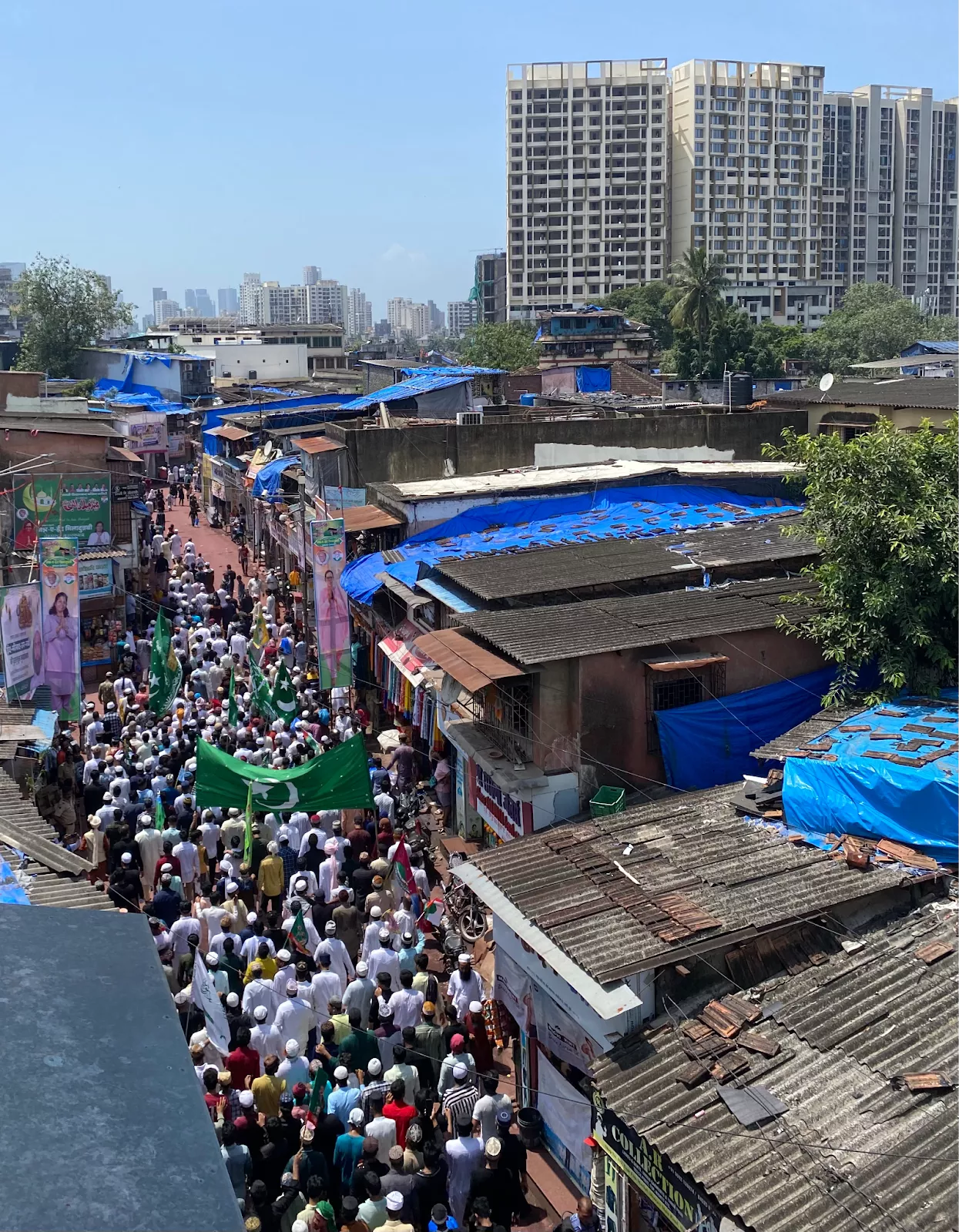
Streets, typically seen as the arteries of daily hustle, transform into a public stage during ceremonial processions where tradition and resistance are celebrated in unison. For communities of Dharavi, these processions denote a larger familial solidarity highlighting the struggles of urban life against the erasure of culture during calls for redevelopment. A declaration of presence that co-opts the neighbourhood, these processions also signify moments of resistance towards urbanisation-induced alienation in urban spaces.