Vithal Bhaskar Chawl - The Residents
Authors
Authors


Vithal Bhaskar Chawl - The Residents
Authors
Authors


Related articles
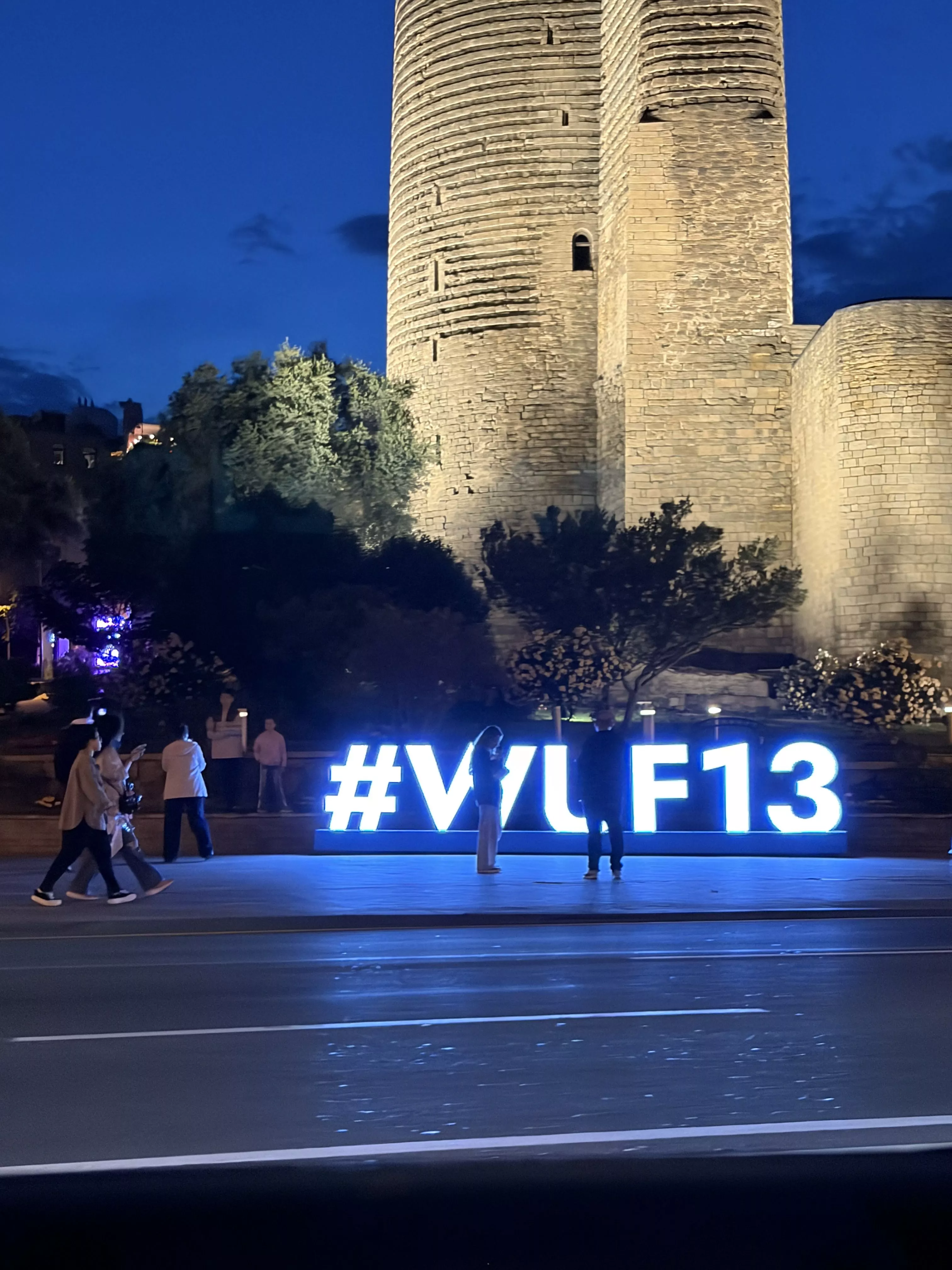
This week, urbz is at the 13th World Urban Forum, joining over 40,000 urban thinkers, policymakers and practitioners from 182 countries gathered in Baku, Azerbaijan, around a pressing question: how do we house the world?

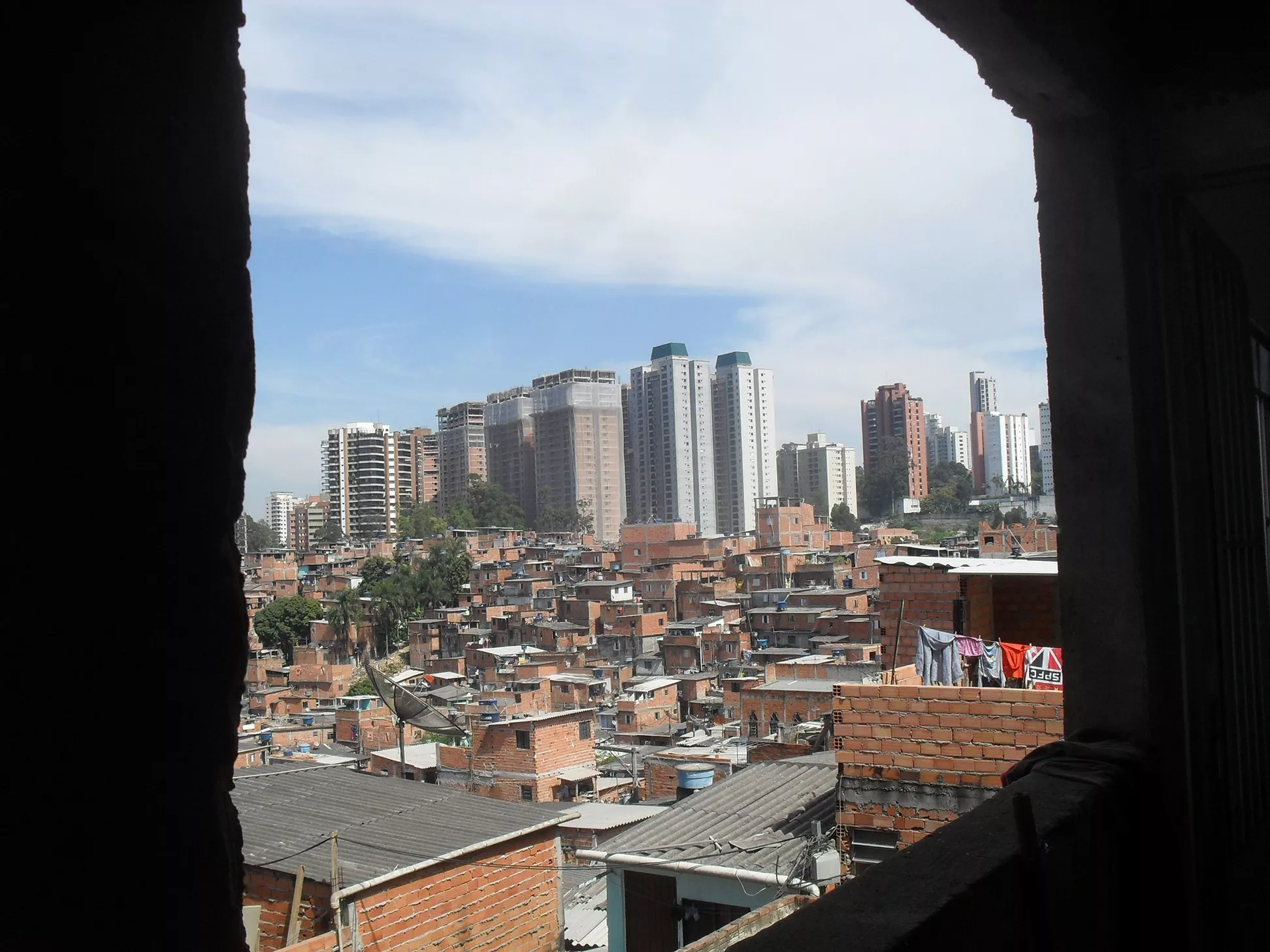
The so-called slums of the city are in many ways attempts at increasing affordable housing units through a different construction and financial system.
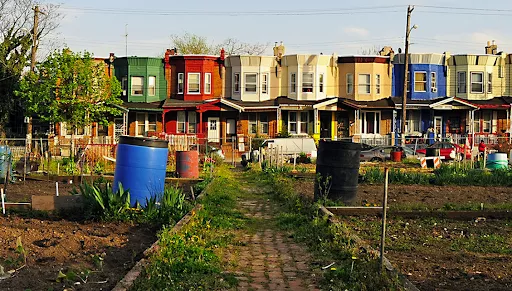
In a global context, populations marginalized because of race, class, gender, creed, etc. are those most incessantly stripped of this right to design the city in their own image within formalized constraints. In this way, the “informal” urban process of self-construction is inherently a product of this same marginality that excludes these groups from “formalized” city-making.
The start of a collaborative initiative that seeks to interweave technical and scientific aspects of architects with knowledge of the local mason and the lifestyle of inhabitants.
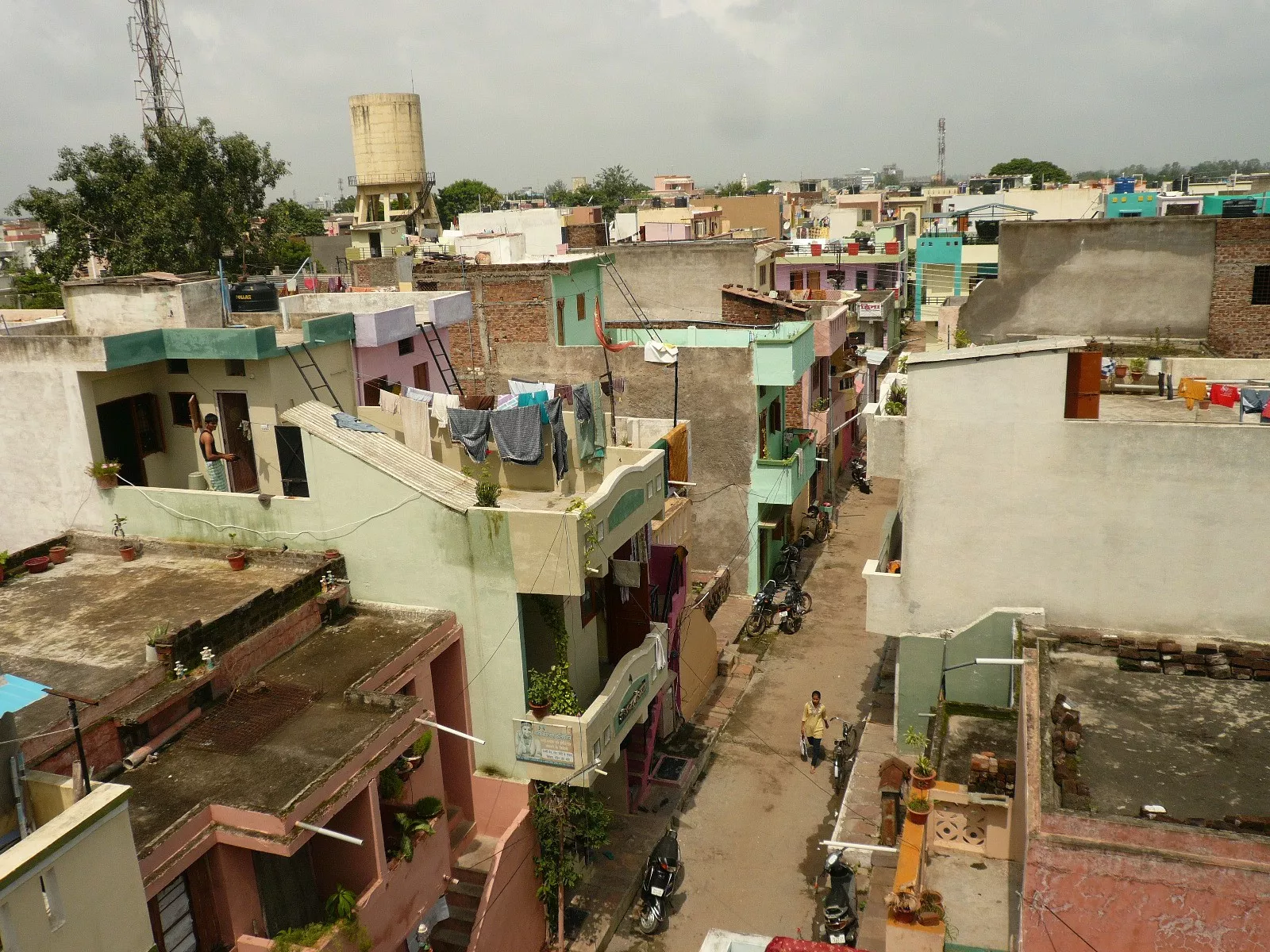
Lowcost housing by Architect B V Doshi, whose planned vision grew very incrementally.
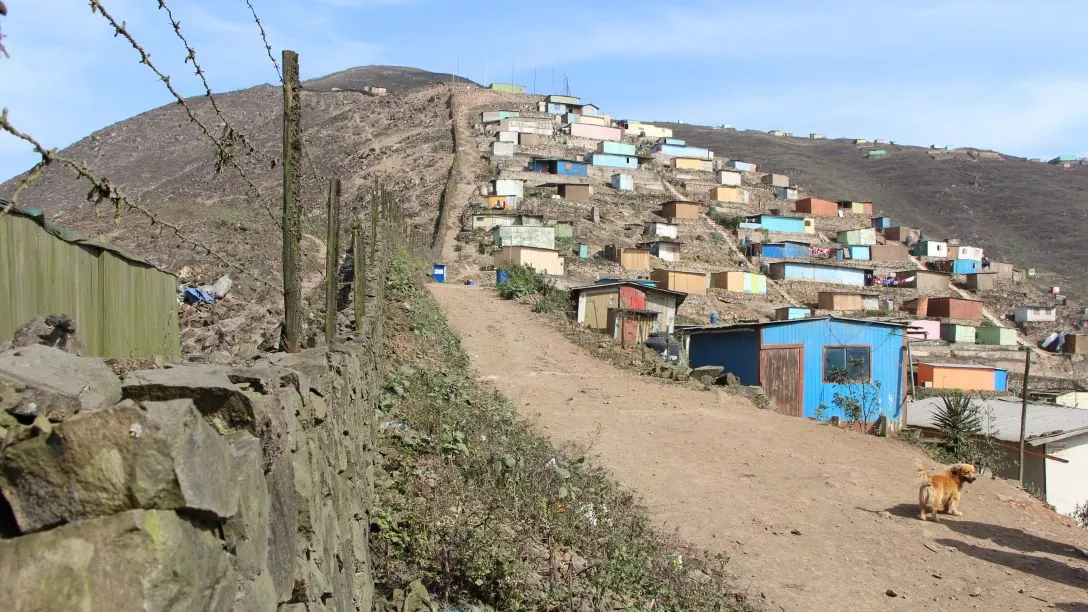
Gracias a la invitación de la Universidad San Martin de Porres en Lima – Perú el equipo de Urbz Colombia tuvo la oportunidad de organizar el Taller Fronteras de Segregación, hacia una integración social de espacios fragmentados. Este taller se organizo en el marco del XXIII Congreso Internacional de Ingeniería, Ciencias Aeronáuticas y Arquiforo “Visión 2018”, un evento anual que realiza la Facultad de Ingeniería y Arquitectura.

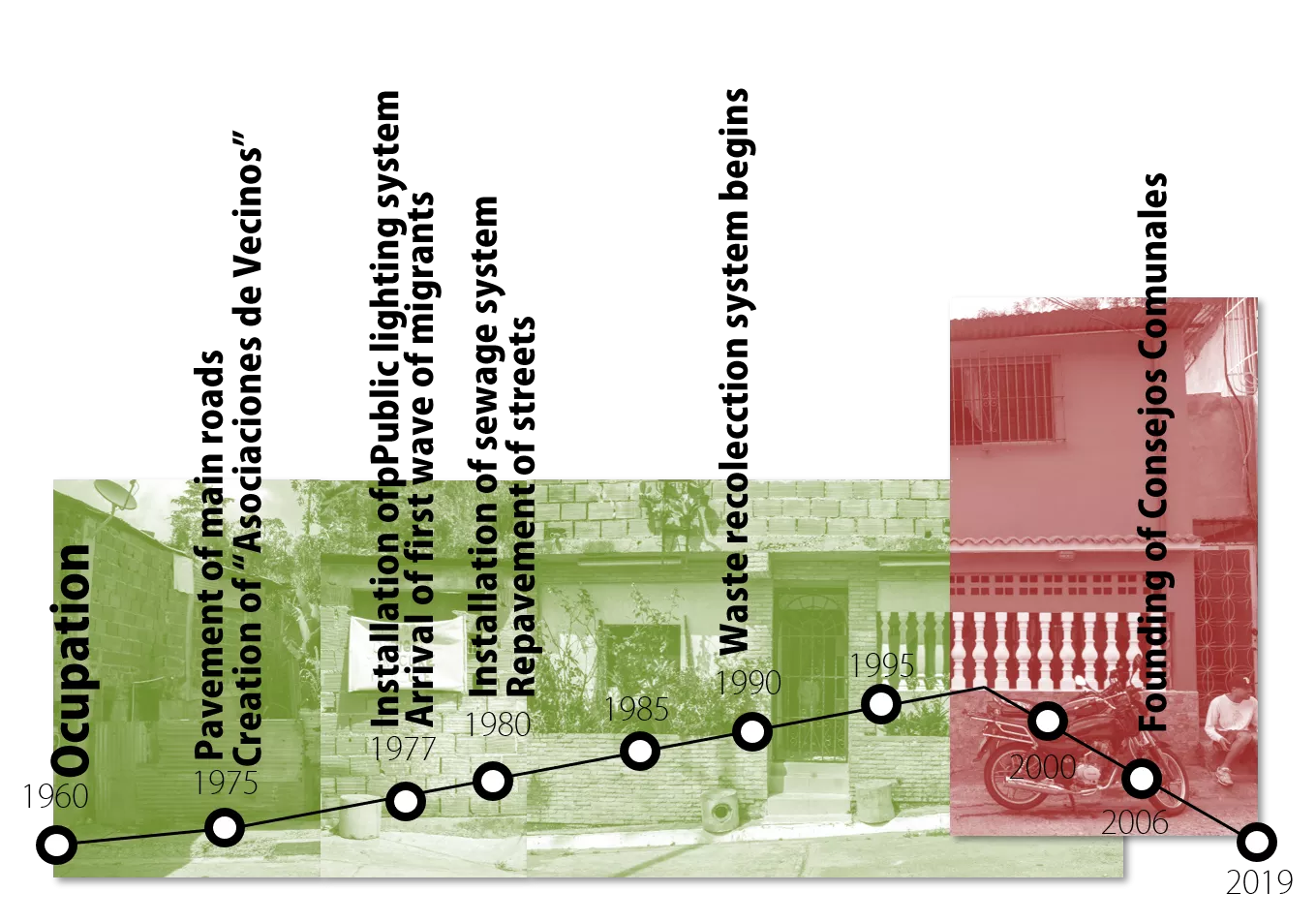
This series of articles seeks to shed light on the origin of the unplanned settlements that are home to more than half of Caracas’s population, but whose stories have never been told. Multiple inhabitants were interviewed and shared their stories of struggles, overcoming hardships, constant improvement and self governance that are the origin of unplanned settlements in Venezuela.


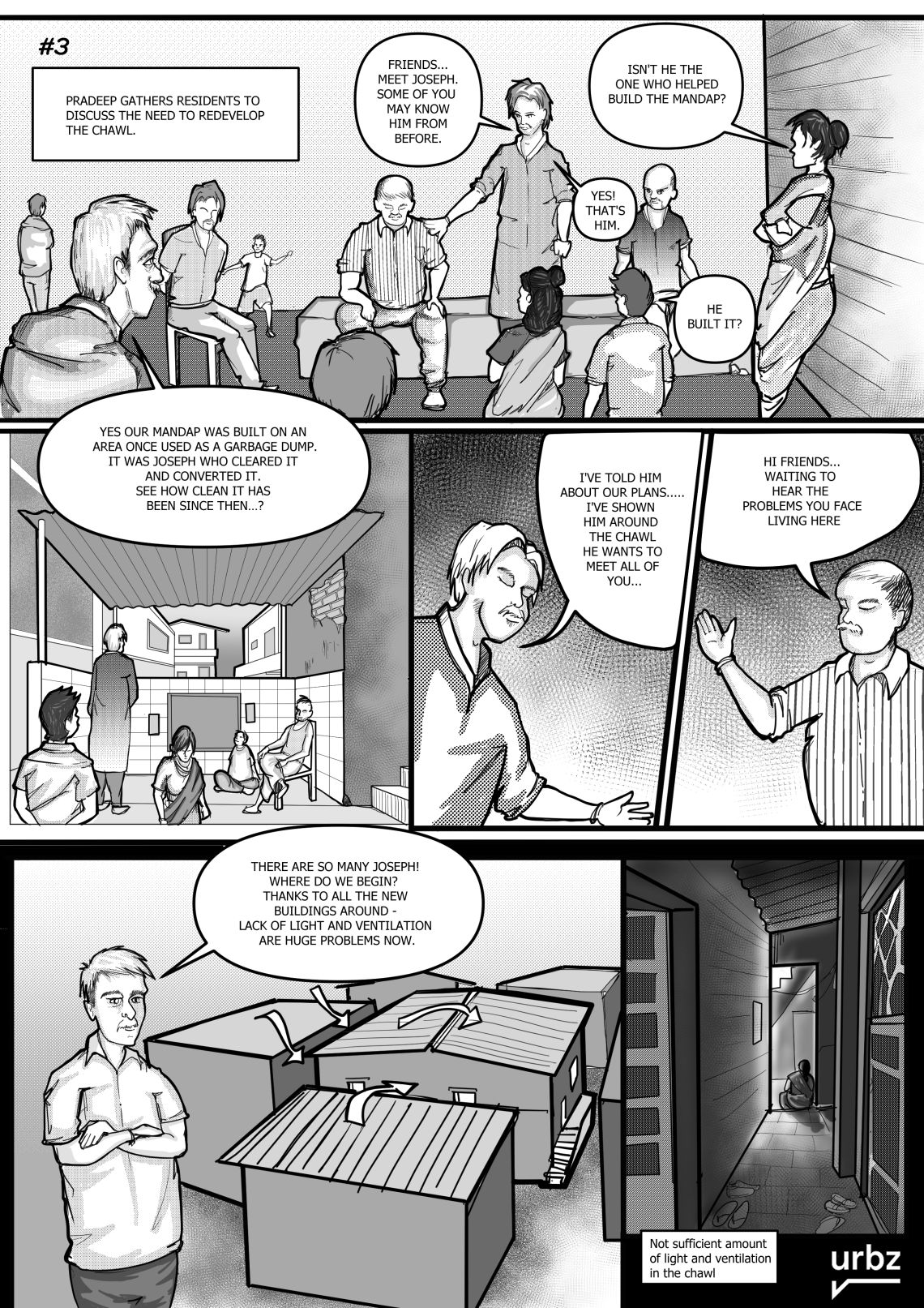
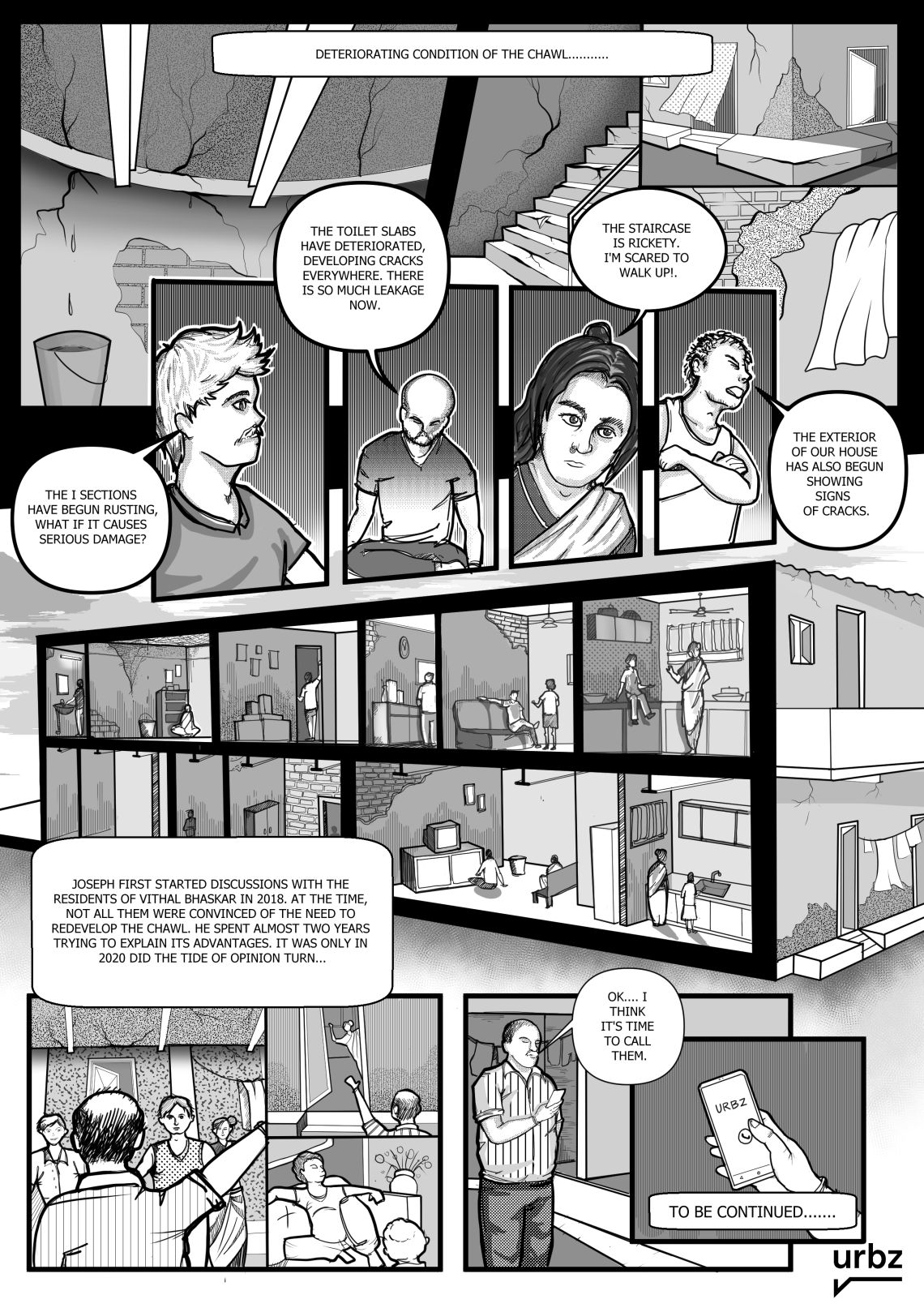
We are excited to present the first issue of a graphic novel about the Vithal- Bhaskar Chawl in Dharavi Koliwada. This issue sets the historical context for the issues to follow - where we draw and tell you more about the participatory redevelopment project initiated by the residents.