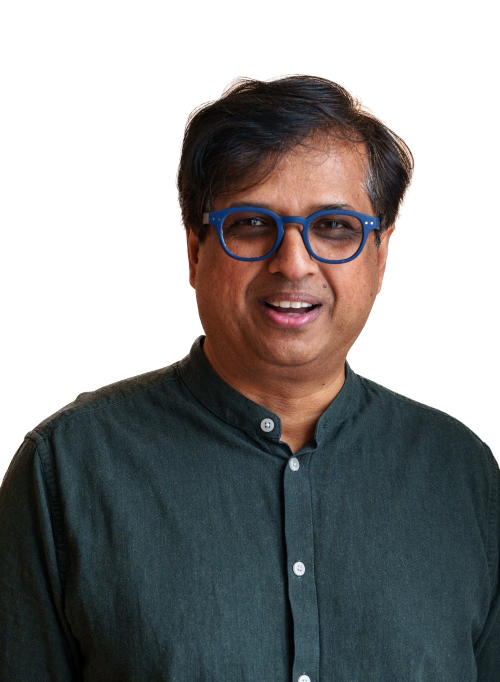
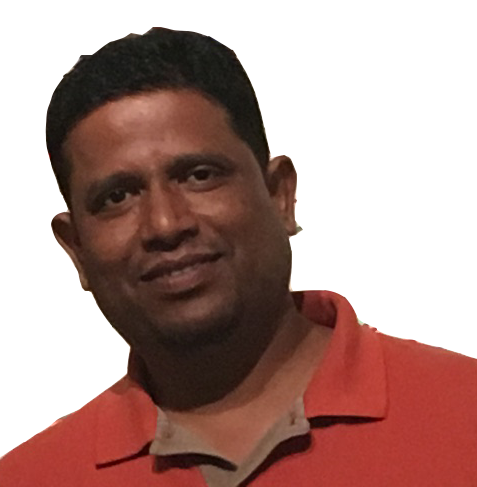
Rahul Srivastava is a co-founder of urbz and The Institute of Urbanology. He studied social and urban anthropology in Mumbai, Delhi and Cambridge (UK). His previous publications include an ethnography of urbanized nomads around Mumbai, a novel published by Puffin, (Penguin, India) and 'The Slum Outside', a commentary on Dharavi, co-written with Matias Echanove and published by Strelka Press. He continues to write extensively on urban issues with Matias, with their next major publication signed up with Verso, London. He brings his background in anthropology and visual ethnography to urbanology, the practice that energises much of urbz's work in Mumbai and elsewhere.
Articles

Documenting Process: The IFRC Project
This article narrates the entire participatory process organized for the IFRC Park Project through a series of videos.


A Conceptual Framework for the Red Cross Park , Geneva.
Through the series of participatory events with the IFRC staff members, and its neighbours, urbz drafted a conceptual framework for the park which reflects the most common sentiments among its users.



Tokyo - Mess is More
Long dismissed as an urban mess, a weird by-product of Japan’s fantastic rise to economic prominence in the postwar period, Tokyo is gaining renewed attention as a model of urban development and management.

Mess is More: Beyond modernism
There is more to mess than meets the eye. What seems disorderly at first sight is often order in disguise.

India and Jugaad: The Design Comes As We Build
This essay discusses urbz' "The Design Comes As We Build" project which recognizes local builders in homegrown settlements by providing them a space to showcase their design imagination. You can access it here.

A Shared Vision for the ICRC in Geneva
urbz is working with the employees, directorate and assembly of the International Committee of the Red Cross and the Red Cross/Red Crescent Museum to imagine the future of their HQ

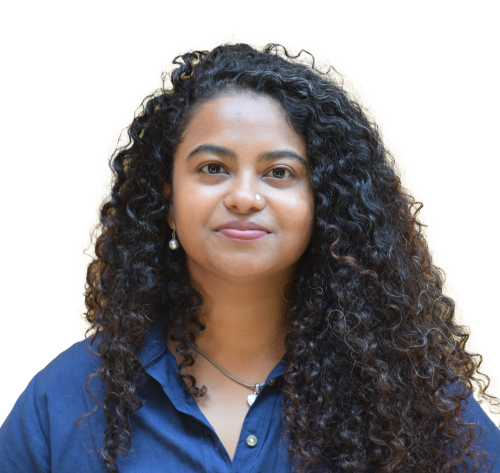

Anthropology as Urban Practice: Notes from Mumbai’s Sangam Gully
urbz founders Rahul Srivastava and Matias Echanove reflect on community-driven placemaking in the Indian metropolis.


One Space Two Places
Based on a multi-year research with the Mobile Lives Forum on the linkages between Mumbai and Konkan villages this essay, first published in the magazine FuturArc, describes an Indian model of urbanization.

Flooding ourselves
Local knowledge may be the best response to natural disaster and bureaucratic inefficiency (The Hindu 17.08.2019)
Works

The Third Place Project
Recognizing and narrating our cities’ ordinary places of sociability, friendship, and community life.


Dharavi 2020: The Covid-19 challenge
urbz researched and reported on the ground realities in Dharavi during the COVID-19 pandemic. This series of reports was published from April to November, 2020. We have compiled a collection of four pandemic-focused articles, fifteen Dharavi Weekly issues, and five Dharavi Fortnightly issues available for download.


1000 Voices
1000 Voices is a project that aims to document and understand Dharavi, Mumbai, through the perspective of people who, through their presence and activities, reproduce this fascinating homegrown neighbourhood day after day.

Gendered Mobility and Climate Action
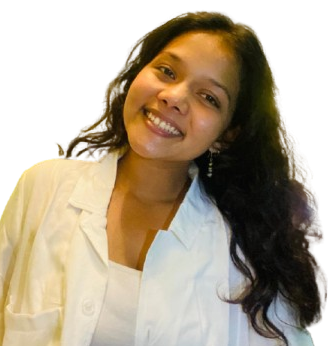
This project is undertaken under the C40 Women For Climate mentorship program, Mumbai in collaboration with the Government of Maharashtra. The Mentee, Vidisha Dhar, is supported by Lubaina Rangwala (WRI), urbz collective and Anamika Sarker, a student of built environment at the Jindal School of Art and Architecture.


Place, Work, Folk
Place, Work, Folk is a fortnightly column in The Hindu Sunday Magazine by Matias Echanove and Rahul Srivastava, which is inspired by Patrick Geddes and analyzes current urban issues in India and beyond.

Dharavi works
Dharavi Works is a series of projects designed in Mumbai by urbz in partnership with local inhabitants and contractors.

Make in Dharavi
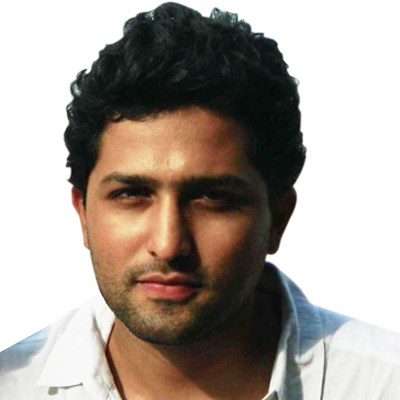
This series of interviews portrays the economic life of Dharavi in Mumbai through the activities of its inhabitants.