118 result(s)
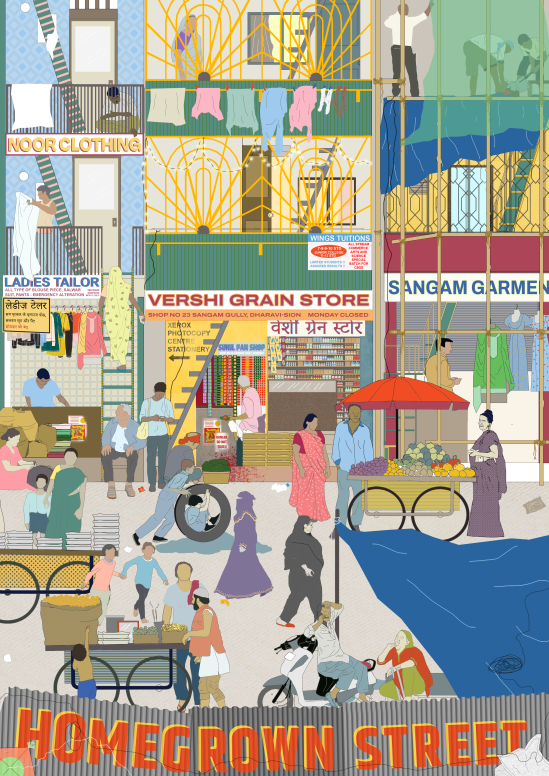
We are taking the Design Comes as We Build project to the next level - the Homegrown Street!
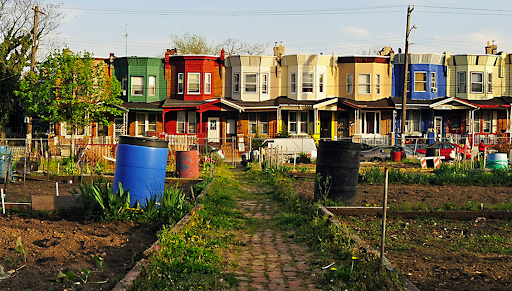
In a global context, populations marginalized because of race, class, gender, creed, etc. are those most incessantly stripped of this right to design the city in their own image within formalized constraints. In this way, the “informal” urban process of self-construction is inherently a product of this same marginality that excludes these groups from “formalized” city-making.
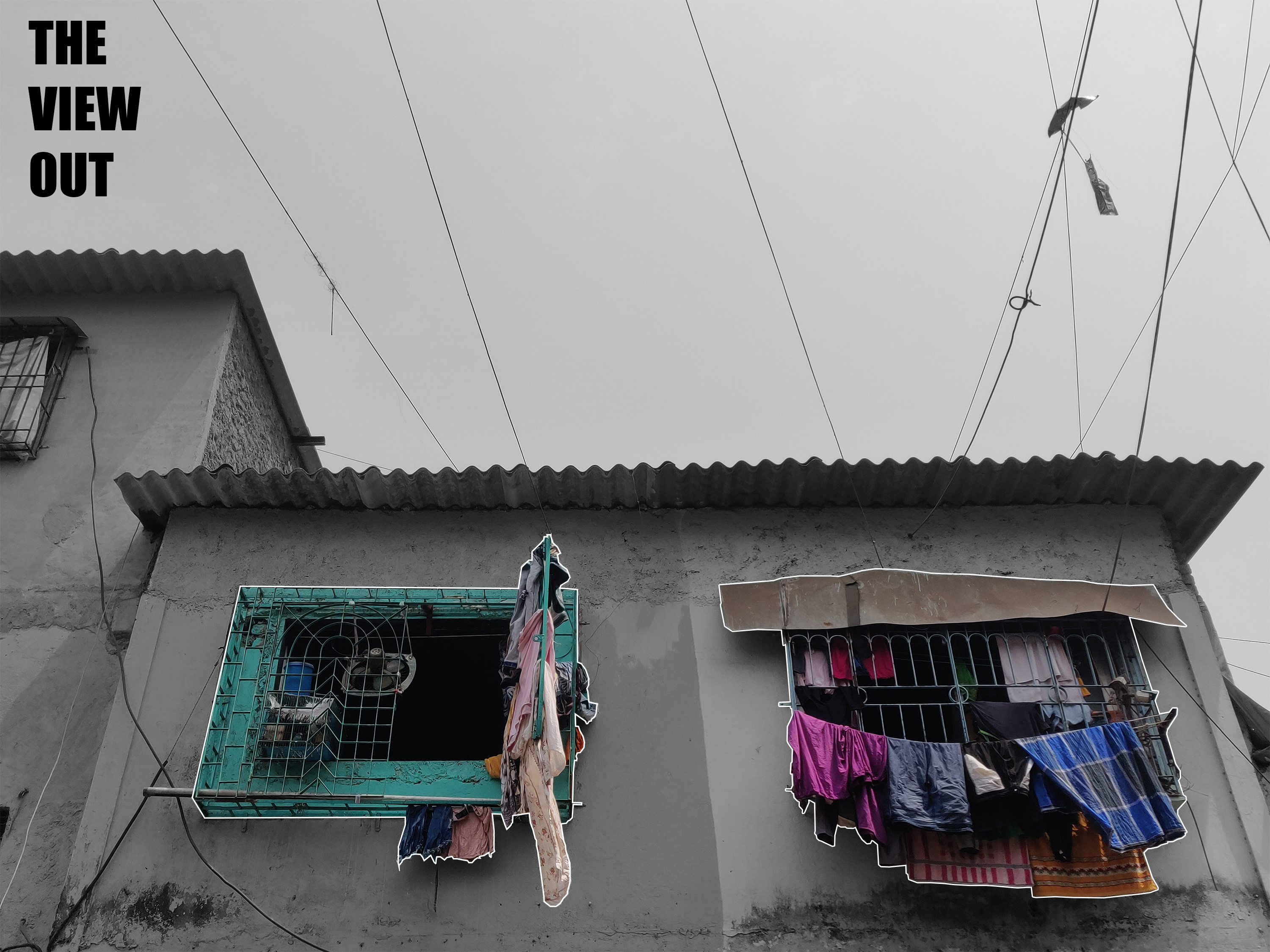

The first of two posts looking at how Goa represents a distinctive pattern of urbanization, representing a coevolution of its countryside and urban centers.

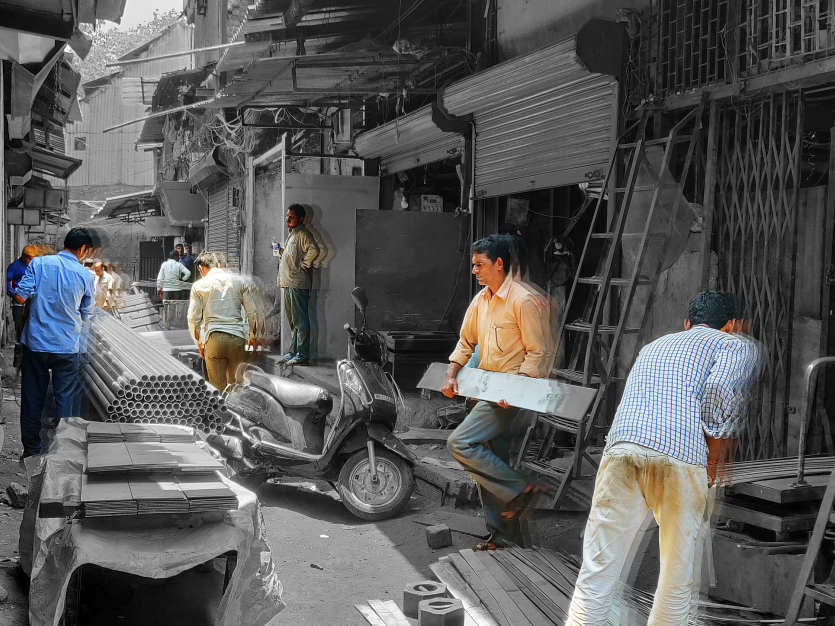
In the second part of this series, we explore two leather workshops near the 90 feet road in Dharavi, to understand where and how all processes in the creation of leather products are carried out.
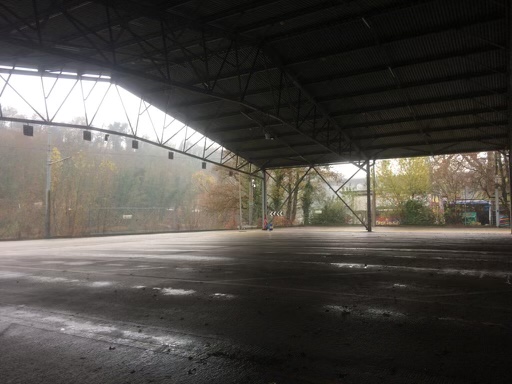
This text explores some reflections Andreas Ruby started to develop when participating in the workshop "Limites x Limites", organised by Aidec and ConstructLab, which questioned the uses and design of a future park in Geneva's iconic neighbourhood "Jonction".

In continuation to the last article on place making in an urban village, we explore Diwale goan to understand various collaborations.
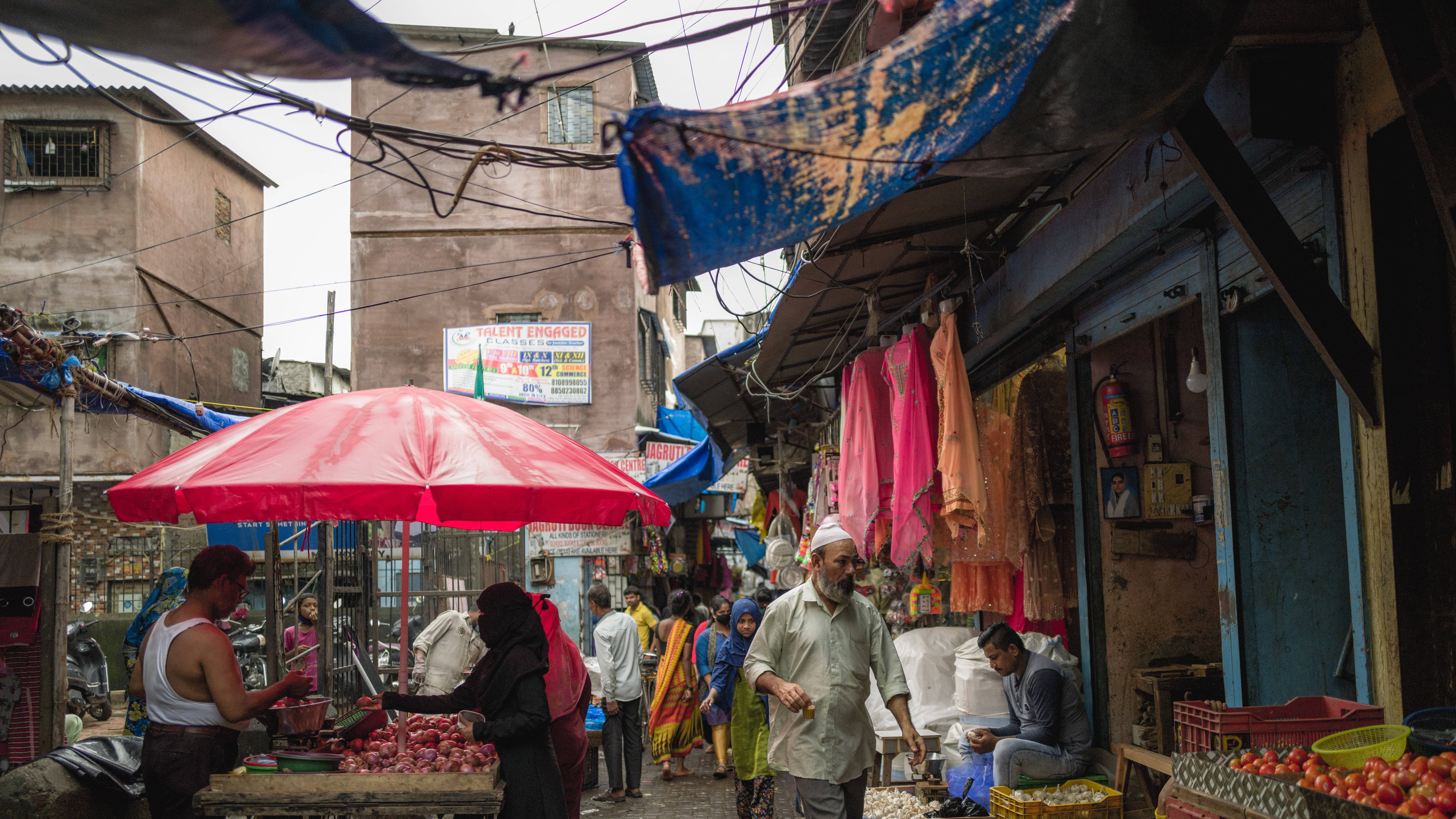
urbz founders Rahul Srivastava and Matias Echanove reflect on community-driven placemaking in the Indian metropolis.
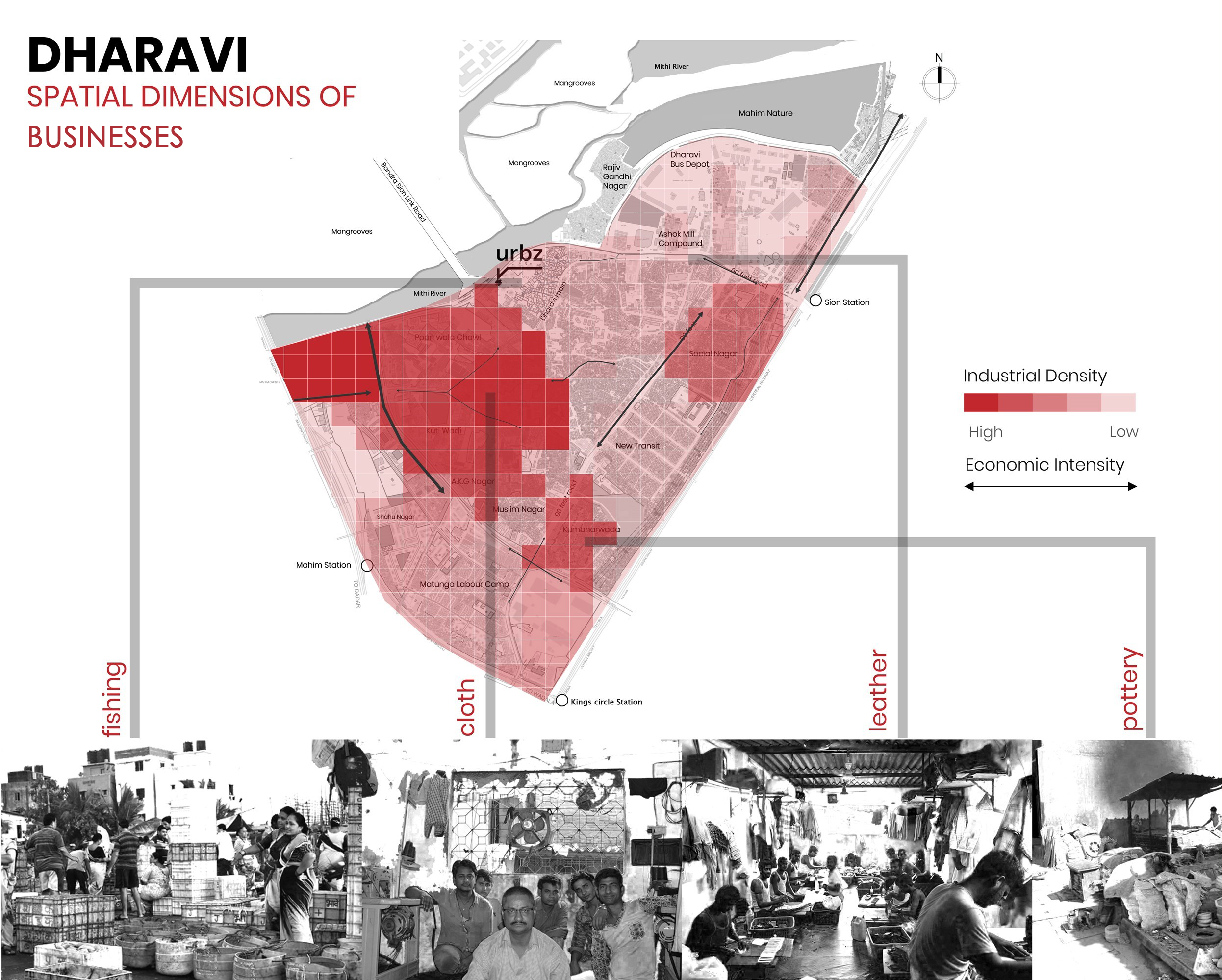
Dharavi is a prime real estate location due to its closeness to public transport systems, business districts, as well as ecological hotspots. The proximity of living quarters to where individuals work, often from within households, brings both benefits and challenges to households and businesses.