1000 Voices
Authors
Authors
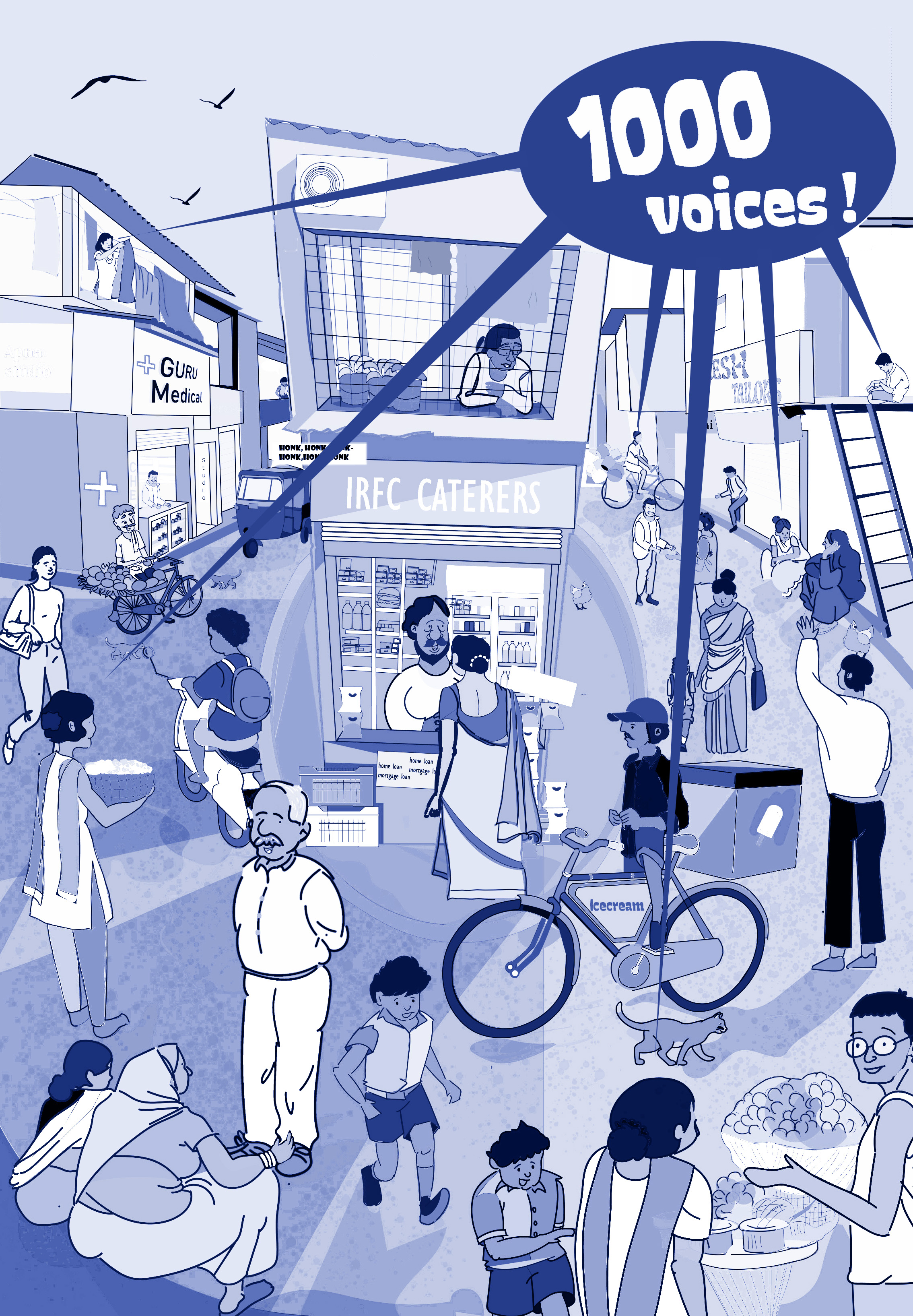
1000 Voices
Authors
Authors
Dharavi has creativity and diversity deeply embedded in its landscape. It houses schools, hospitals, mosques, temples, pottery studios, craftsmen, leather industries, textile workshops, food production units, markets of all sorts, people from all over India and much more. This mix creates a unique urban settlement, facilitating interactions and arrangements just as unique. Dharavi combines spatial density with temporal intensity - if no one quite understands how so many people can be accommodated over the 590 acres of Dharavi, it is even harder to figure how people manage their time. Days seem long enough to juggle jobs, businesses, industries, social work, friendships, festivals, carnivals, commerce, community, families, children, drawn-out chai breaks. Our project, 1000 Voices, aims to understand this grand terrain through the perspective of people who, through their presence and activities, keep on reproducing it day after day.
Articles in this collection
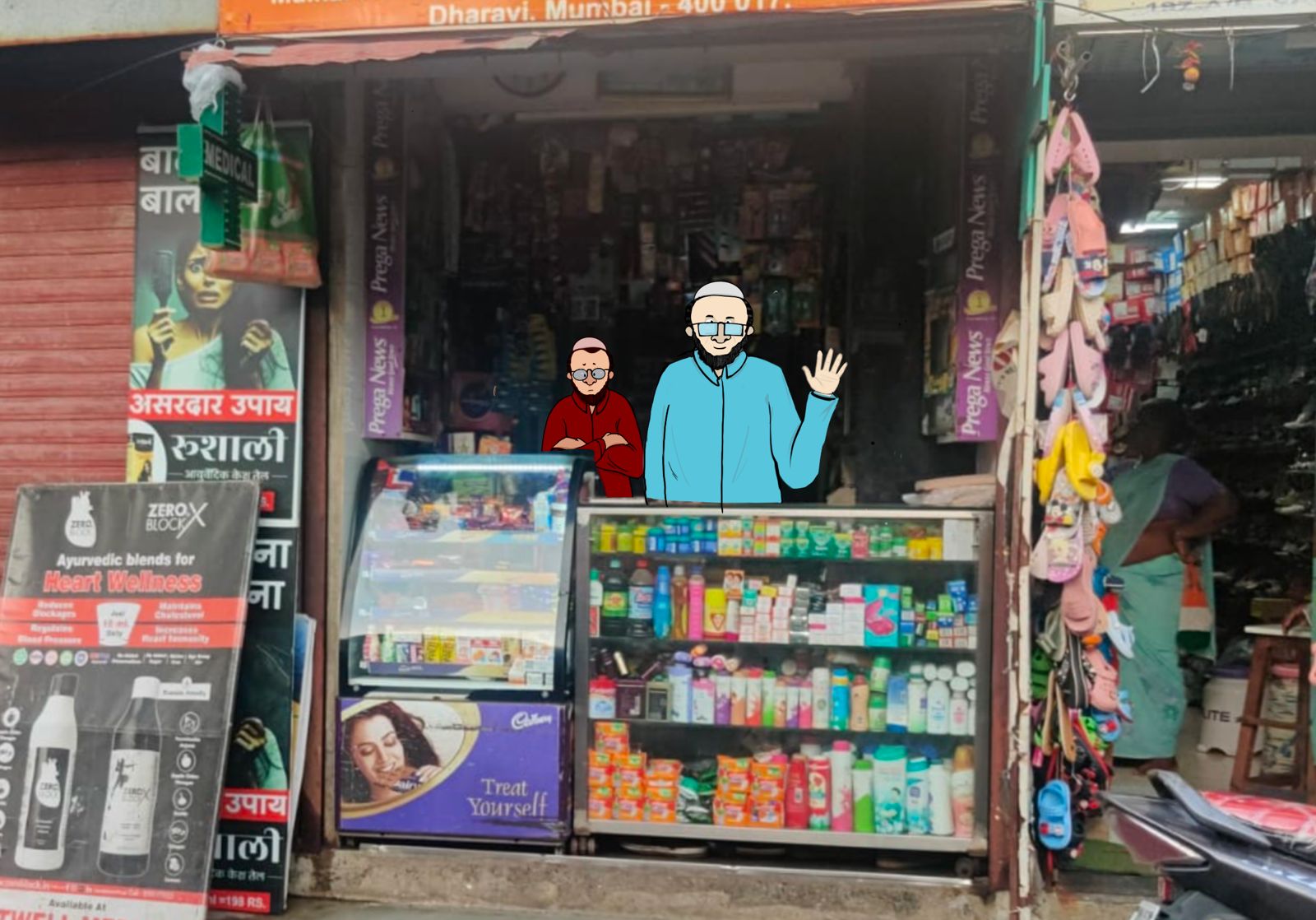
Two brothers behind a pharmacy counter tell us a story of resilience and adaptability, ranging from spreading wares in Bandra to spinning rakhis on an umbrella in the rains.


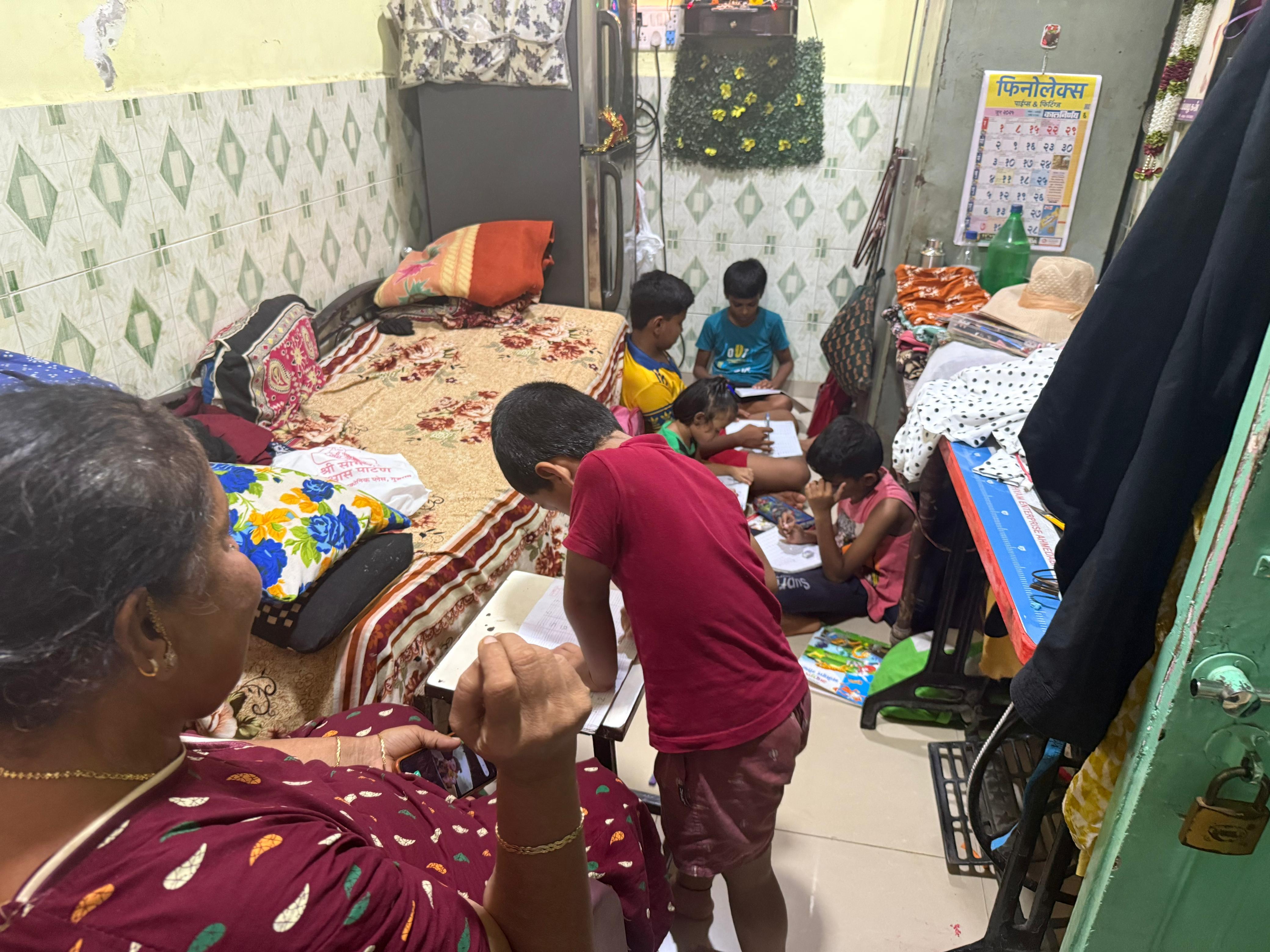
Bimla Aunty’s home sits like a gentle pause in a constantly moving world. Bustling with children and books, she attempts to make the most of her community-driven lifestyle in Koliwada.
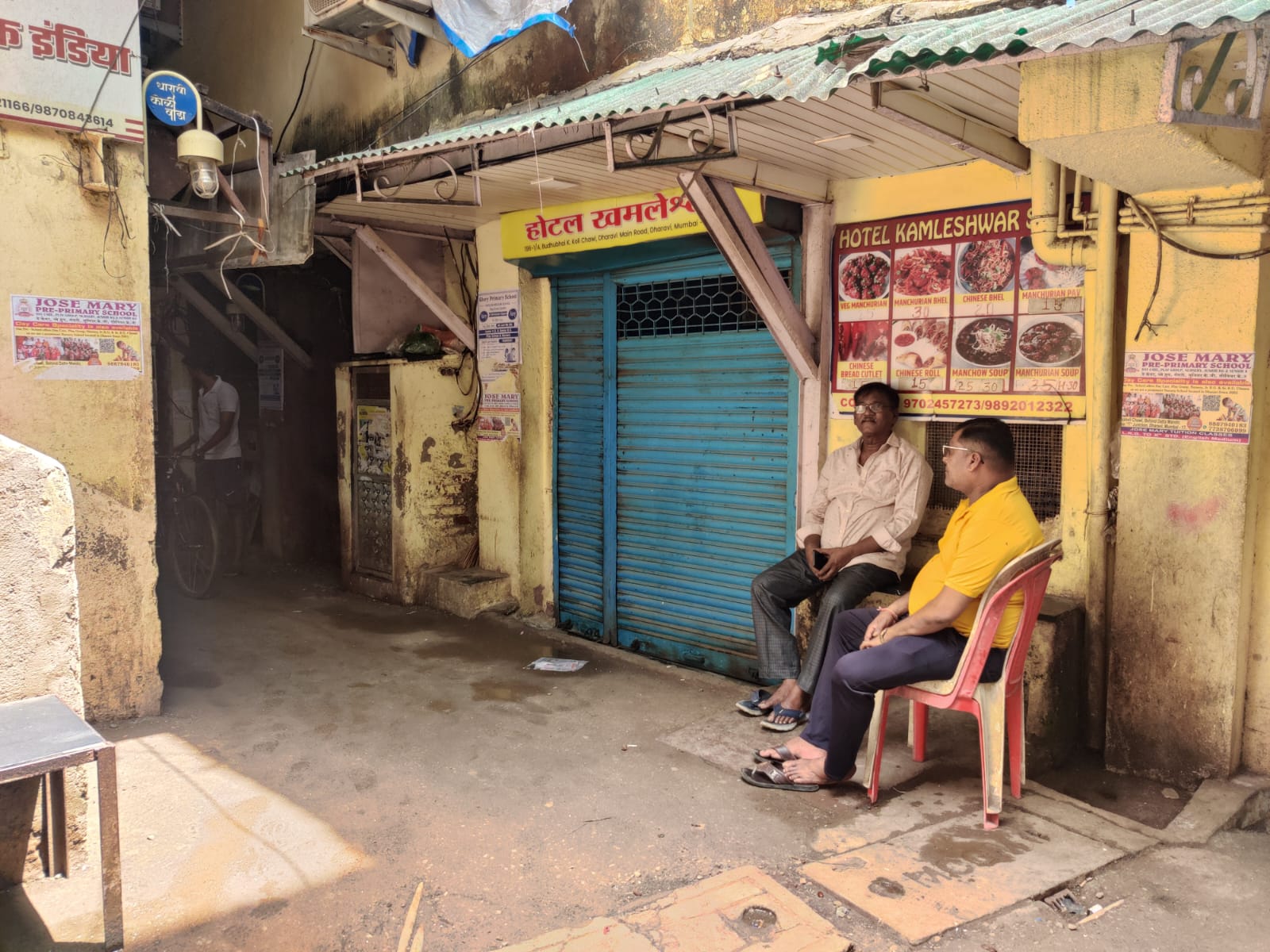
Joseph Koli is a man with 68 years behind him and innumerable kilometres of roads beneath his name, having worked in the Public Service Department of Mumbai for four decades.
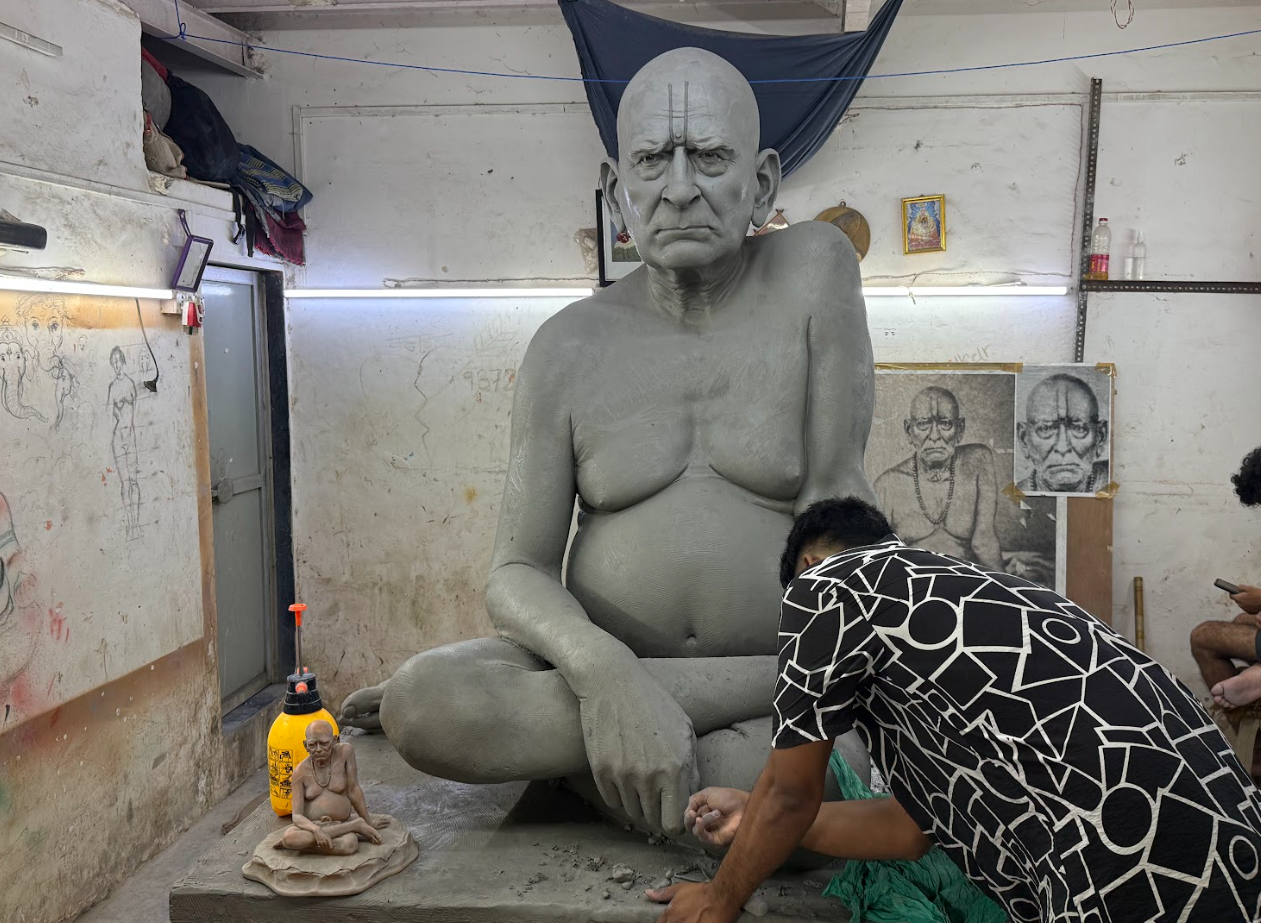
In a quiet corner of Dharavi, a small sculptor’s studio runs on tradition, patience, and mutual respect. Led by a young but deeply admired teacher, the space is both workshop and home. Here, idols are crafted slowly, shaped with care and rooted in custom. In a rapidly changing city, this studio offers stillness, a quiet commitment to craft and community.
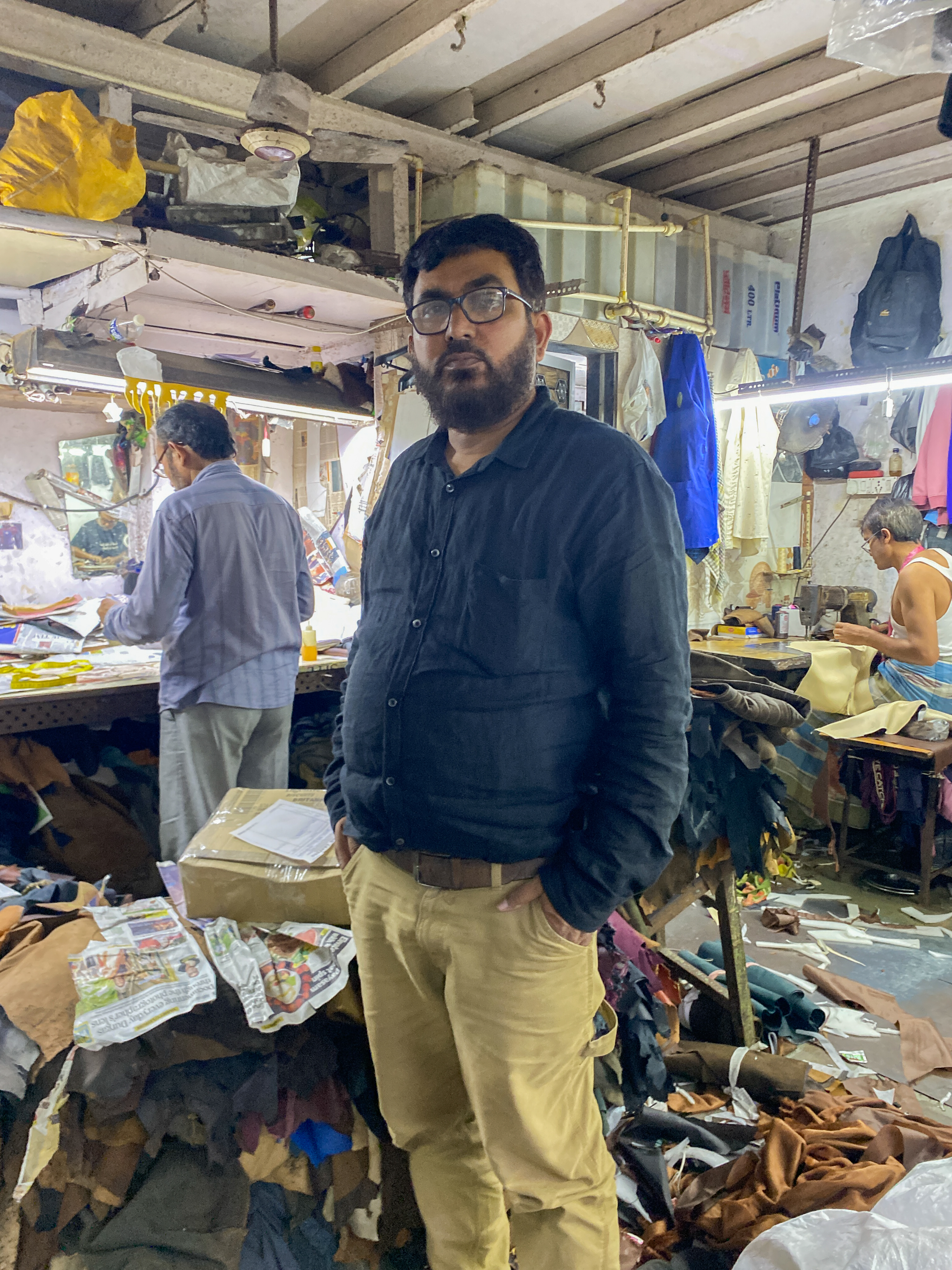
In Dharavi’s Rajiv Gandhi Nagar, Khurshid Bhai has his leather shop. From learning the trade alongside his brother to becoming a key supplier for brands like Royal Enfield, Khurshid Bhai built his business through perseverance. He is not just a craftsman, but also a committed community leader, standing firm against eviction threats and fighting for the rights of his neighbours. His story reflects the strength of Dharavi: grounded, proud, and unyielding in the face of adversity.
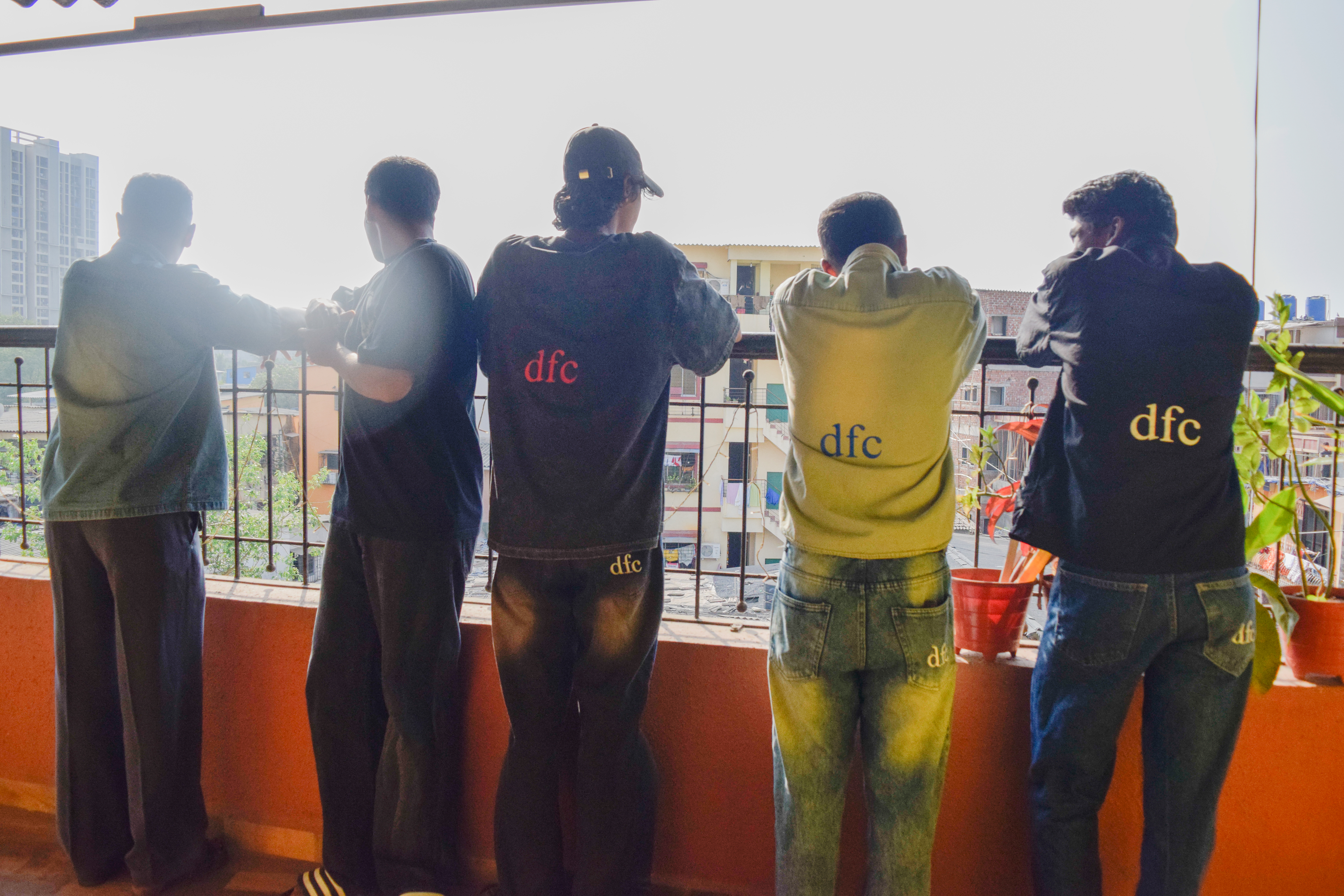
Dharavi's young fashion entrepreneur, Rohan Mane, shares his challenging yet exciting journey of building a streetwear brand. Dharavi became the perfect ecosystem for his creative experimentation, offering everything from design and stitching to manufacturing, branding, and shipping, all in one place.
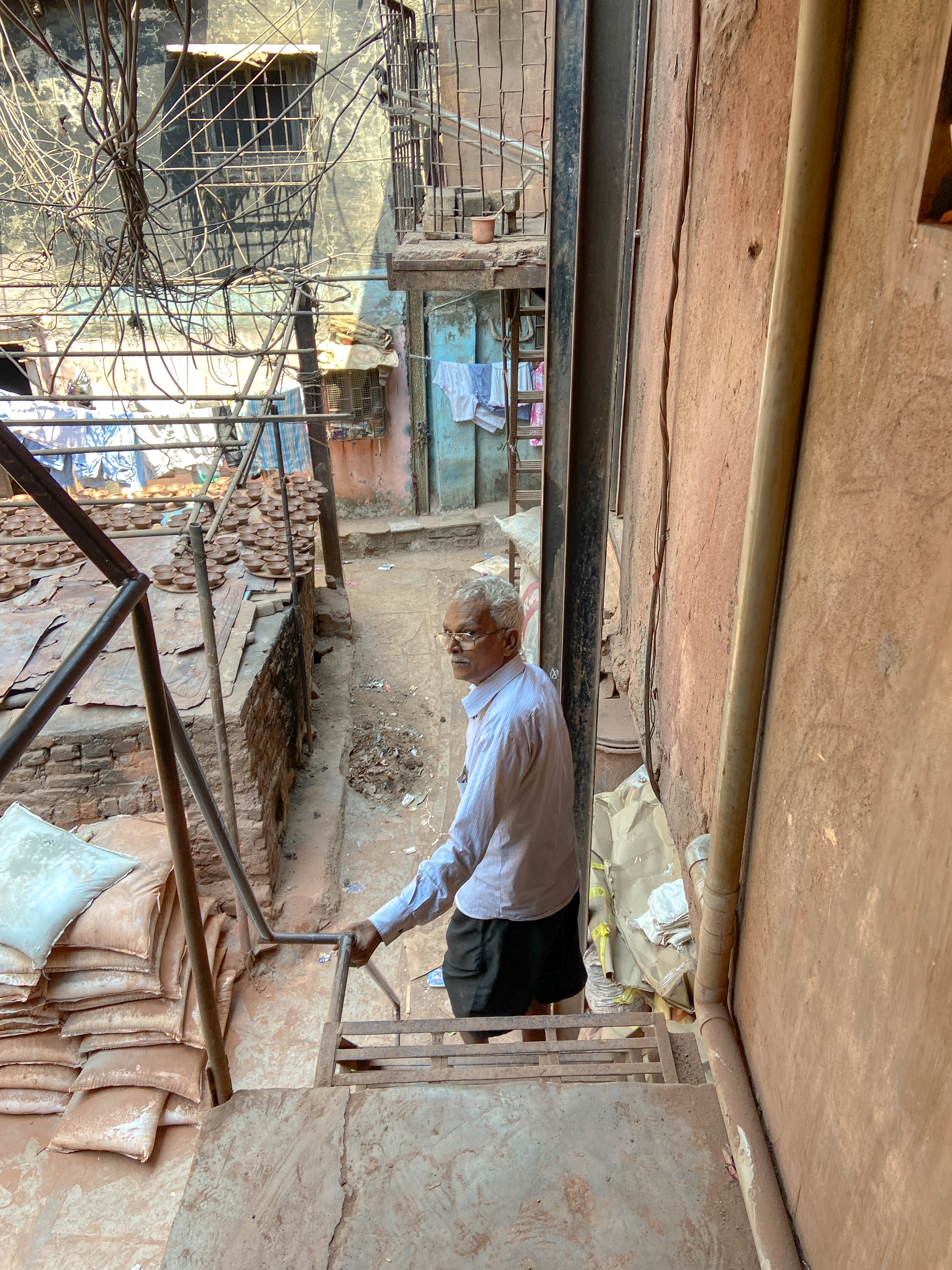
An afternoon rendezvous with Vasu Mama, as he narrates about his long-lived and rich life in Dharavi, his current routine post retirement, his values, ideas and opinions about Dharavi and its future.
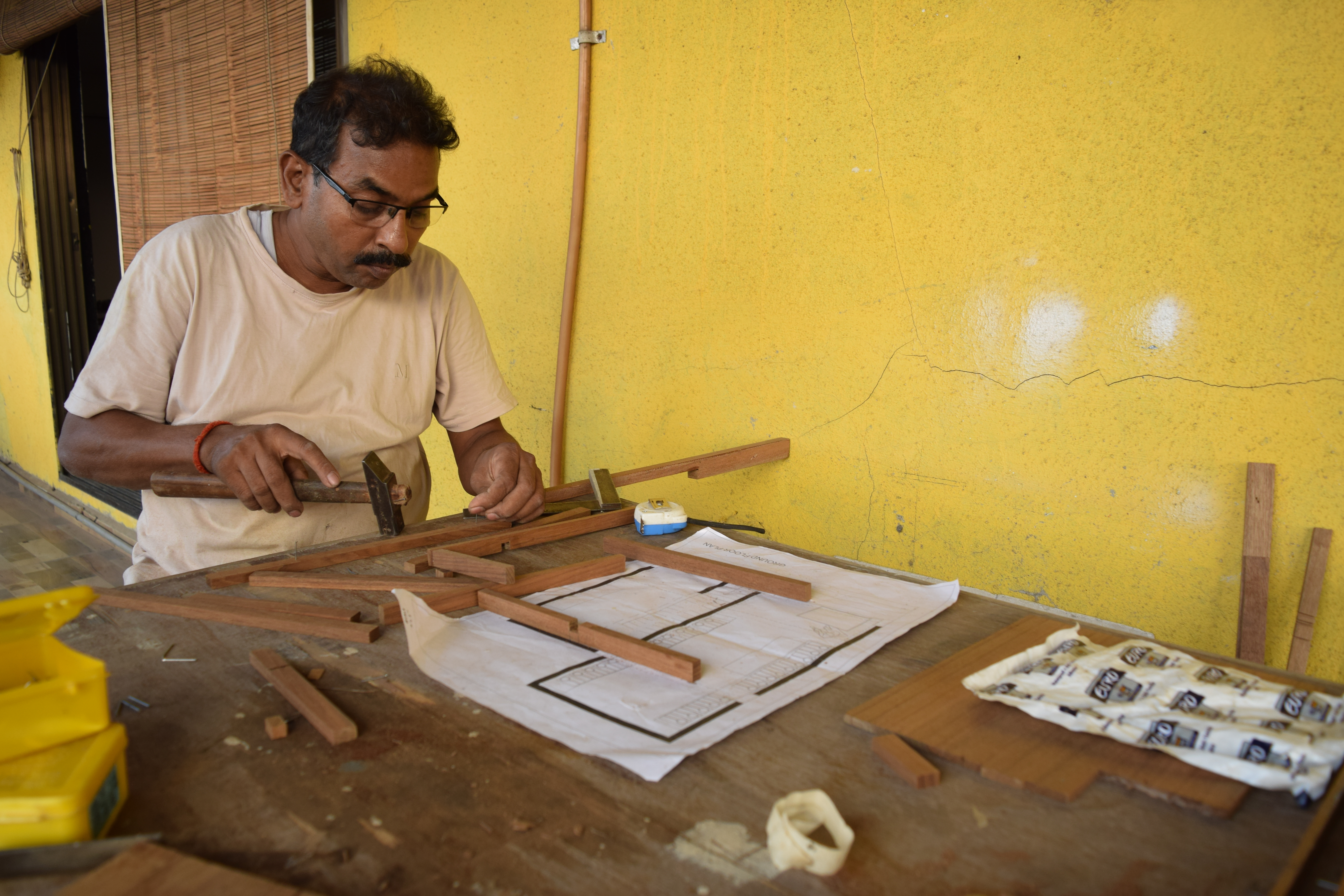
Pramod Vishwakarma, a carpenter working with the urbz team, talks to us about his connection to the dual places or worlds he belongs to and his indecisiveness over what 'home' truly means to him.

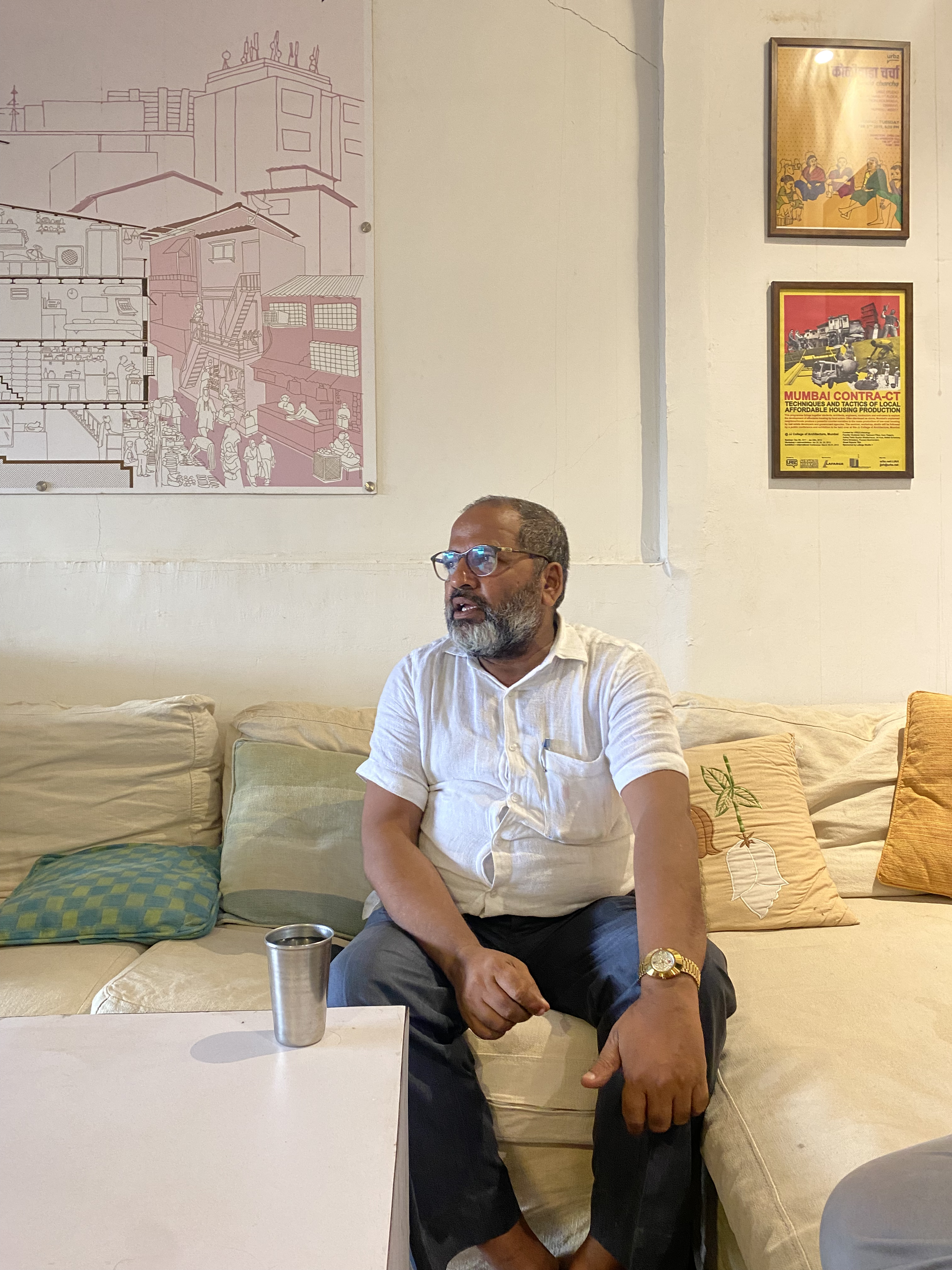
Tahir Bhai takes us through his journey of self-exploration, bitter-sweet memories of his Kismat (fate) and being a spect-actor in Dharavi’s emergence as a socio-economic powerhouse.
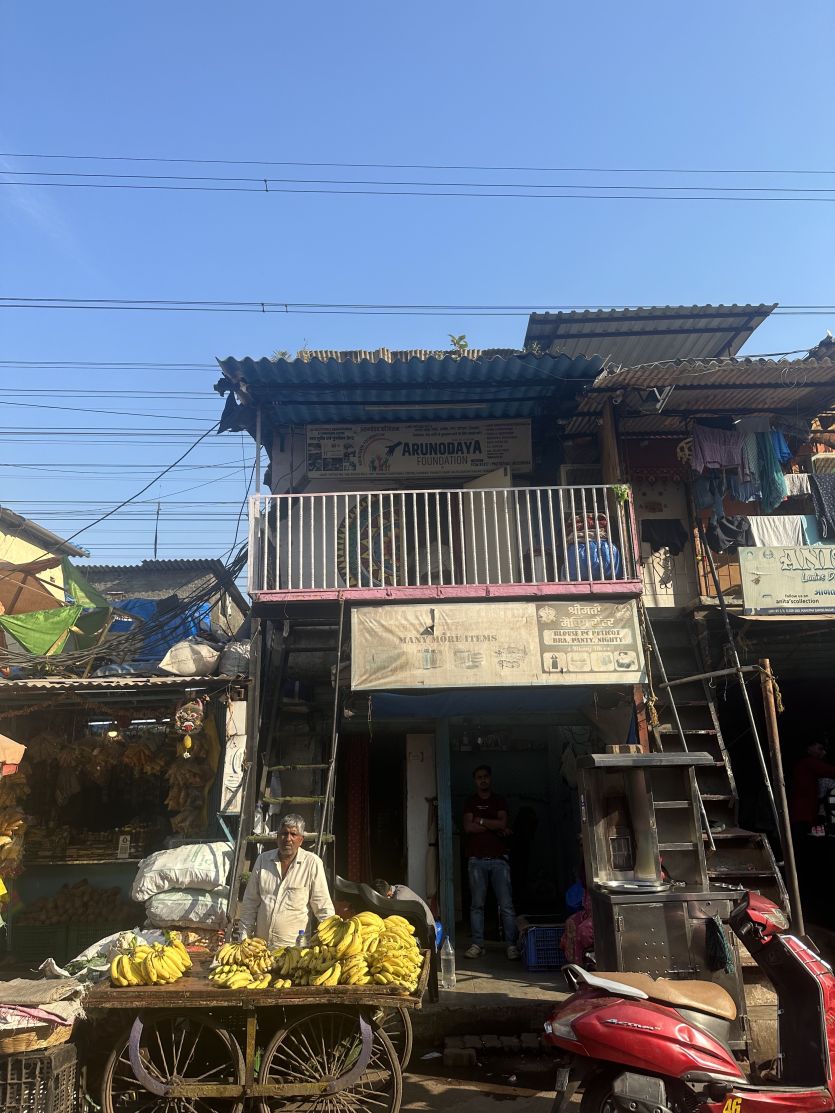
We sat with Arun, who runs Arunodaya (a rehabilitation center) to discuss his work and past.
Related projects
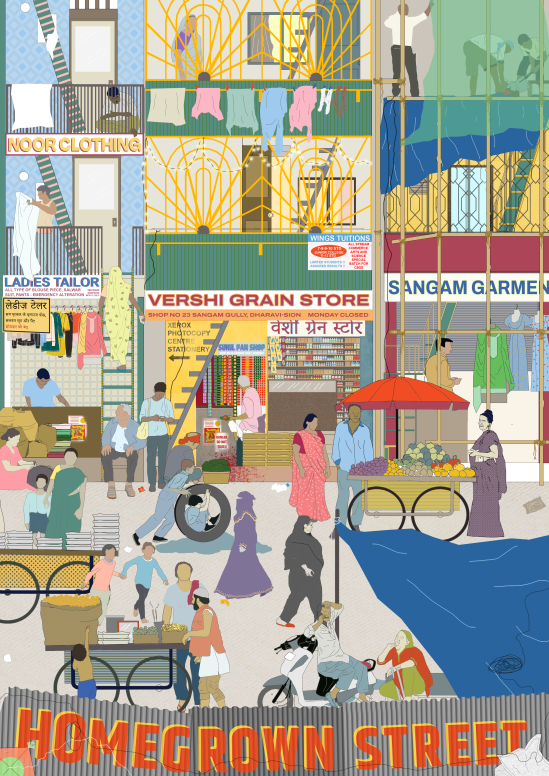
We are taking the Design Comes as We Build project to the next level - the Homegrown Street!
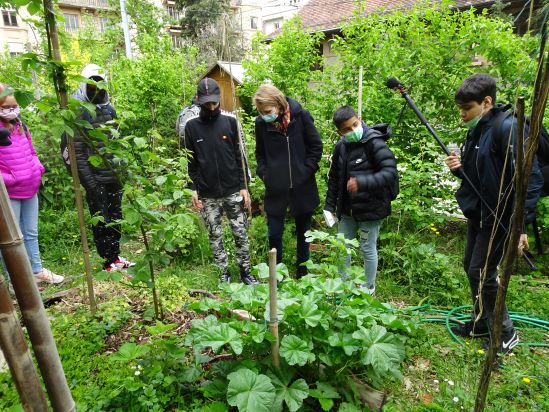
An ongoing project on the ecological transition and how it can foster quality public spaces.
In The Shapes of Third Places series, we delve into the work of the three student groups of GDI 2025, exploring how their creative and insightful approaches have helped us gain new perspectives on Third Places.
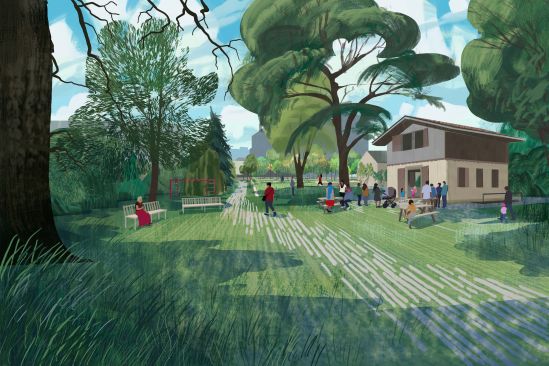
The urbz team is working with the International Federation of the Red Cross and Red Crescent societies (IFRC) in Geneva on a participatory landscape design involving staff, neighbors and partners.
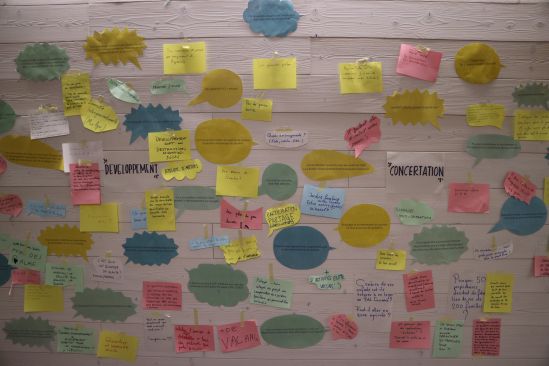
Concertation pour le réaménagement d’un quartier de villa en ville de Genève
Consultation for the redevelopment of a villa district in the city of Geneva
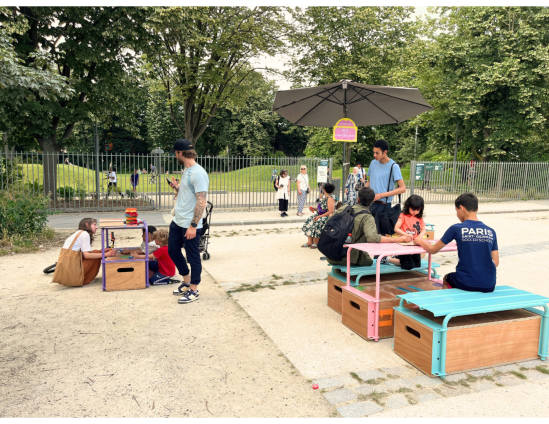
©Arthur Crestani, Rue de la Conversation. Juillet 2024.
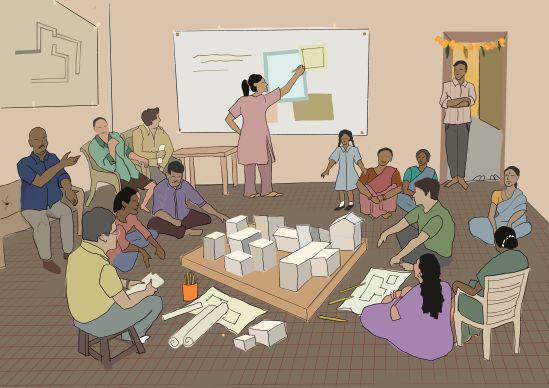
urbz has spent the last fifteen years in the neighbourhood of Dharavi, actively participating in the user-driven evolution of its material and social life. This has given us the confidence to conceptualise and embark on a project called “The ABCD of Dharavi Koliwada” - An Action Based Comprehensive Development Plan that aims to support the incremental development of the neighbourhood.

Place, Work, Folk is a fortnightly column in The Hindu Sunday Magazine by Matias Echanove and Rahul Srivastava, which is inspired by Patrick Geddes and analyzes current urban issues in India and beyond.
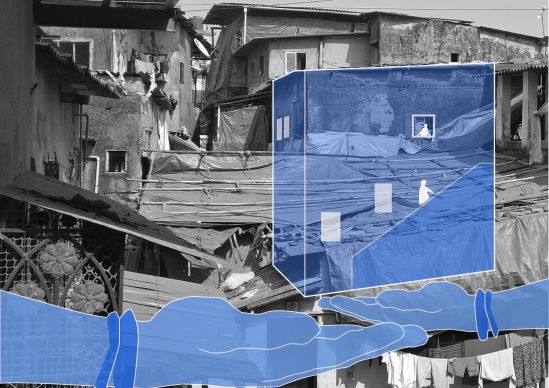
We are excited to be working on a new architectural project in Dharavi Koliwada. Our friend, collaborator, and contractor Joseph Koli, approached us to work on his latest project - the redevelopment of a chawl owned by brothers Vithal and Bhaskar Koli.
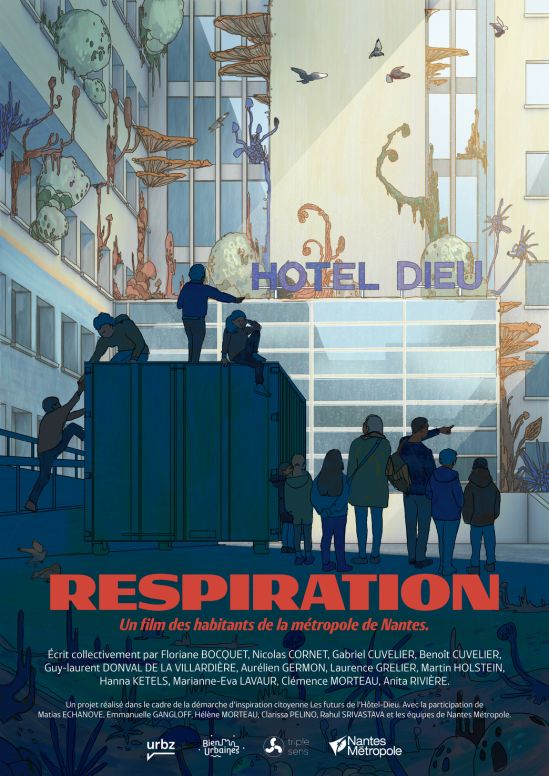
Respiration, Hôtel-Dieu, Nantes. Automne 2024.
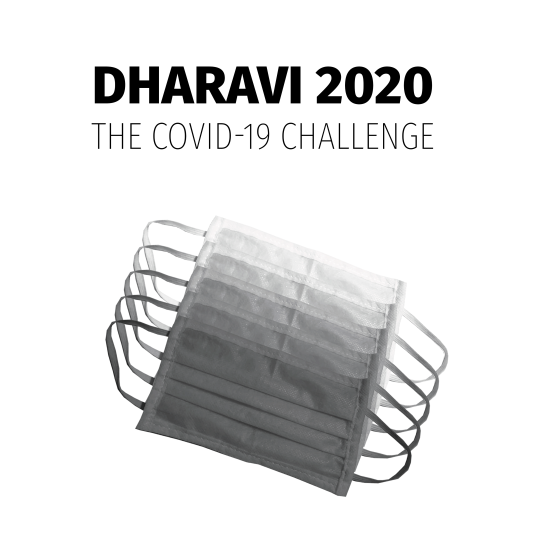
urbz researched and reported on the ground realities in Dharavi during the COVID-19 pandemic. This series of reports was published from April to November, 2020. We have compiled a collection of four pandemic-focused articles, fifteen Dharavi Weekly issues, and five Dharavi Fortnightly issues available for download.
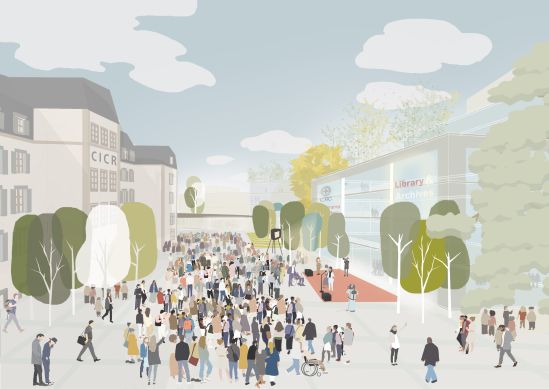
urbz planned a makeover of the campus of the International Committee of the Red Cross (ICRC) in Geneva, where approximately 1,500 employees are based. With around Around 20,000 employees in over 100 conflict zones worldwide, the ICRC is one of the most important humanitarian organizations in the world.
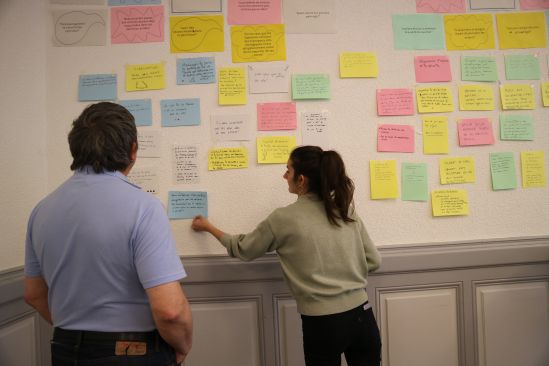
Réaménagement des rues Pré-du-Marché et du Clos-de-Bulle
Redevelopment of Rue Pré-du-Marché and Rue du Clos-de-Bulle
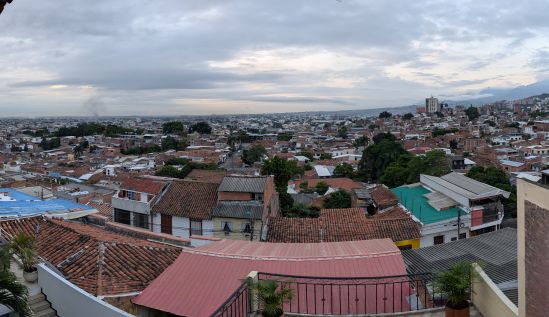
urbz is working on the development of a set of tools and methodologies for participatory planning for the city of Cali in Colombia.
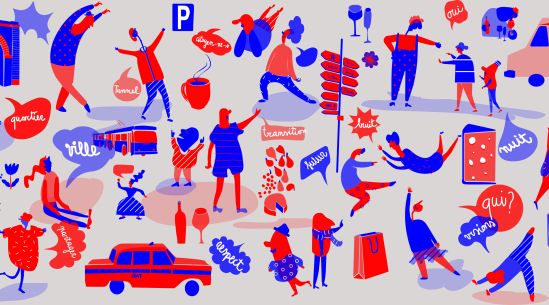
urbz is carrying a 18 month long participatory process to redefine the two largest public squares in Lausanne.
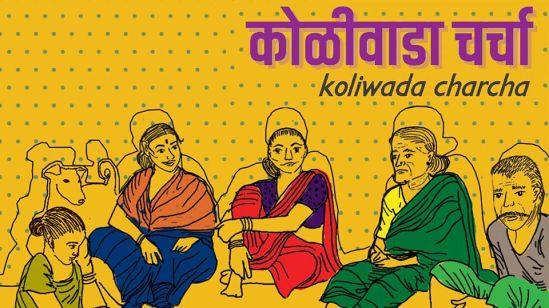
The exhibition Koliwada Charcha is an attempt at understanding the essence of Dharavi Koliwada's architectural and visual language.
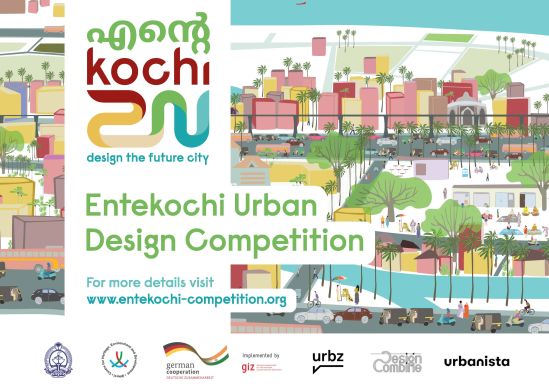
Remember the Urban Typhoon workshops in Kochi? These workshops were part of the EnteKochi citylab. We are now back with the Entekochi competition. This is a national level Urban Design Competition, aiming to jointly ‘design the future city’ of Kochi. It is envisaged to plan and then facilitate the implementation of an integrated civic project.
The Kochi Municipal Corporation called all creative minds to participate!