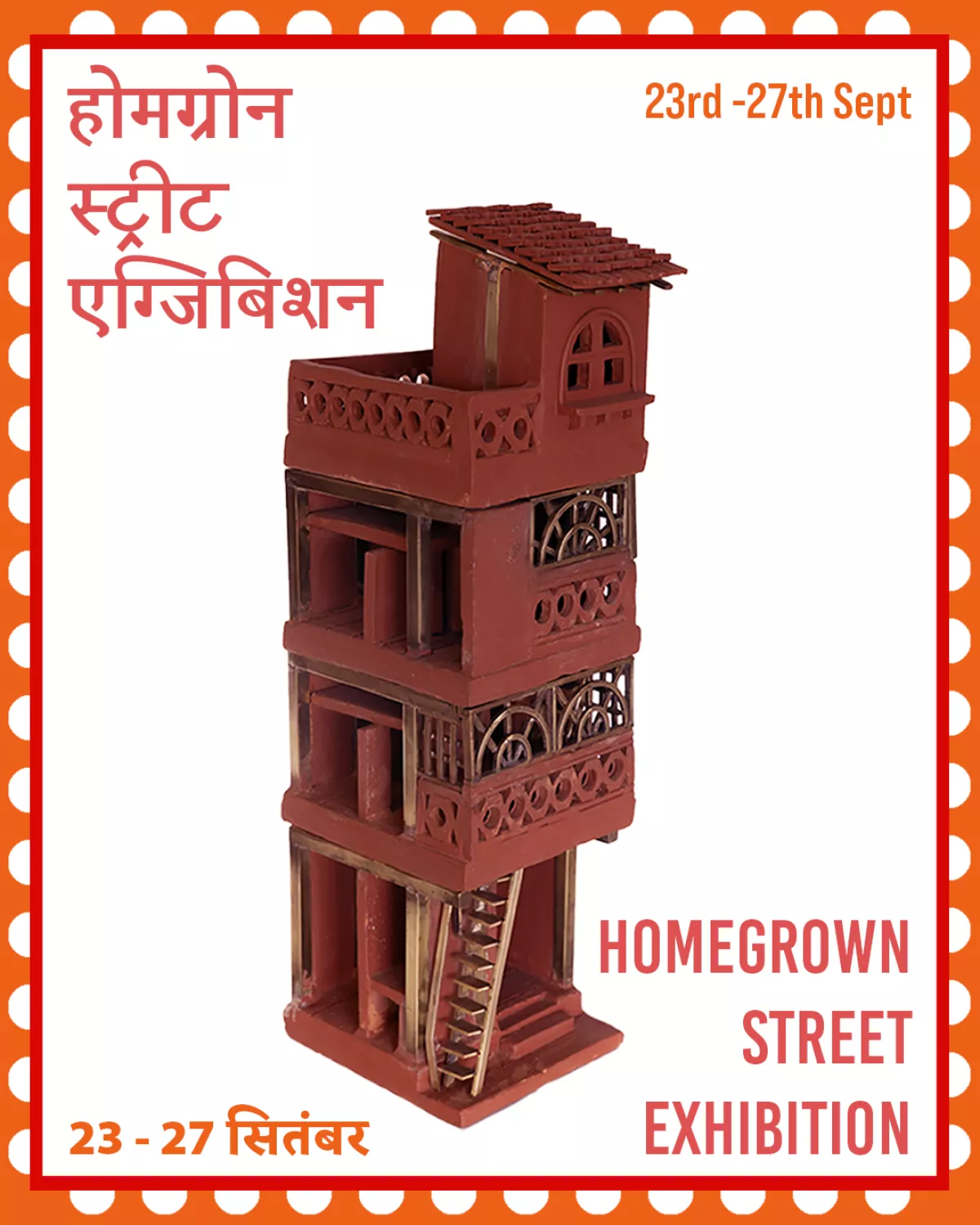

Exploring the visual anatomy of Dharavi's fishing village




Can collective intelligence save us from self-destruction? (The Hindu 06.01.2019)

This innovative plan for a new neighbourhood in the town of Versoix in Geneva will be presented at
the Swiss Architecture Museum in Basel (S AM).




urbz was involved in the design of a new community building in Dharavi.

Le 11 juin 2018, urbz présente ses travaux sur la forme du futur quartier Lachenal-Dégallier (dit Delta V) aux habitants de Versoix. Un résumé en texte et image.

Tvisha is a school teacher from Dharavi who talks about the difference in private and public education in Dharavi, and her experience living there.*


Un projet de quartier participatif à Versoix!
A participatory urban planning project in Geneva, Switzerland!
Articles de journaux sur le projet Delta V
News articles on the Delta V project in Geneva
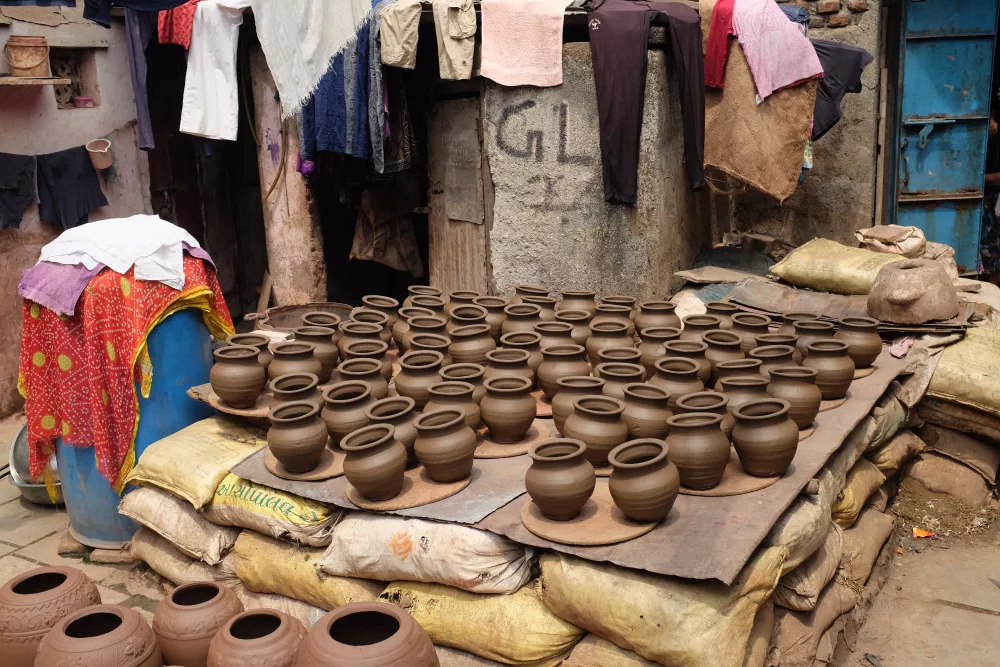
A new series of Make in Dharavi focuses on the neighbourhood of Kumbharwada, famous for its pottery. Part 1 looks at the history of the area and some of the issues it's facing today.

This animation presents what Dharavi could look like if it was allowed to continue develop incrementally. All designs in the video were conceived by contractors living and working in Dharavi, Mumbai, as part of the Design Comes as We Build project.