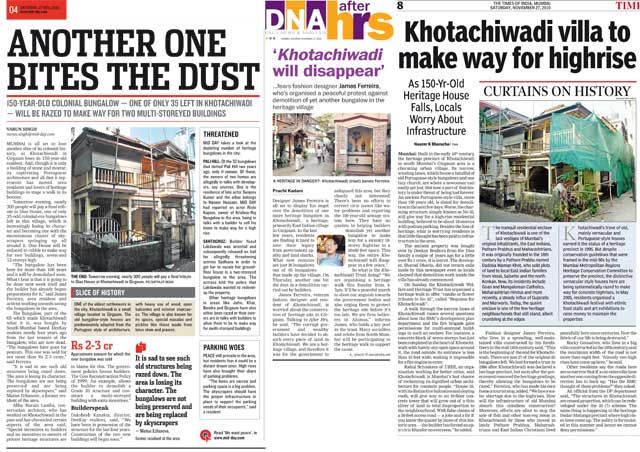
Khotachiwadi all over the news
Authors
Authors
Khotachiwadi all over the news
Authors
Authors

Come to Khotachiwadi tomorrow, Sunday 28th from 5 to 7pm.
Related articles
Inviting contractors from all over Mumbai to collaborate on designs for homes in Dharavi with residents, architects, and artisans.




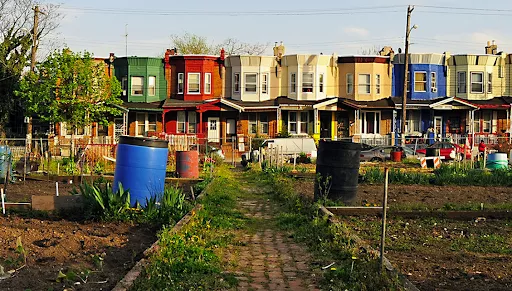
In a global context, populations marginalized because of race, class, gender, creed, etc. are those most incessantly stripped of this right to design the city in their own image within formalized constraints. In this way, the “informal” urban process of self-construction is inherently a product of this same marginality that excludes these groups from “formalized” city-making.

Dharavi’s massive redevelopment project aims to turn it into a ‘world-class’ neighborhood, but this vision risks erasing its unique identity and thriving homegrown economy. Instead of replacing it with glass towers and luxury spaces, Dharavi could be a model for a ‘world-grown city’—one that values its community-driven development while staying connected to the global economy.

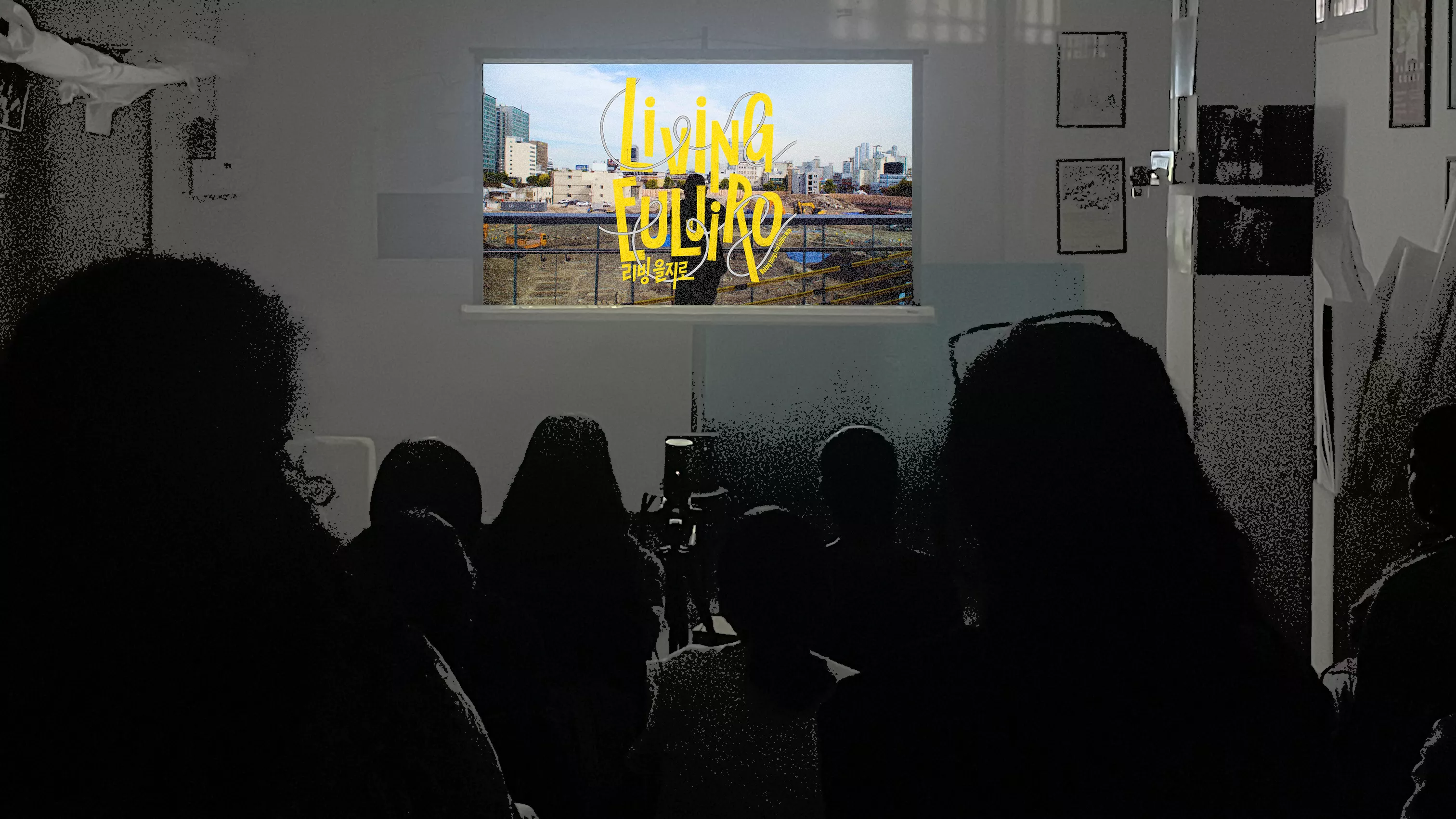
Living Euljiro is a film directed by Liron Shalit. Liron has been creating award-winning short documentaries since 2017, exploring themes such as social issues, human rights, disability, natural disasters, and urban life. Since relocating to Seoul in 2022, he has focused on documenting disappearing spaces and communities, capturing the distinctive culture of Euljiro and the stories of the people who live and work there.
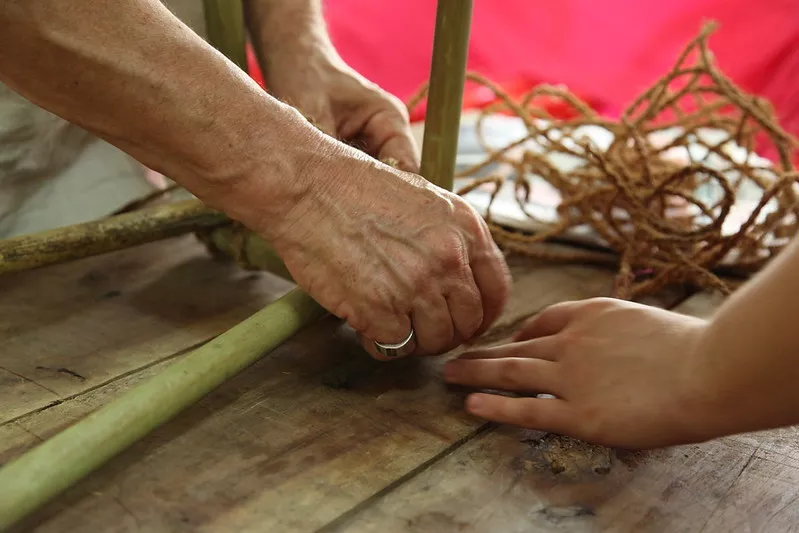
The Handstorm workshop brought together various actors from all around the world to build things that could improve the neighbourhood based on discussions with residents and with the help of local artisans
The coming together of speculation-driven real estate development and the idea of “public space” has produced weird urban species.
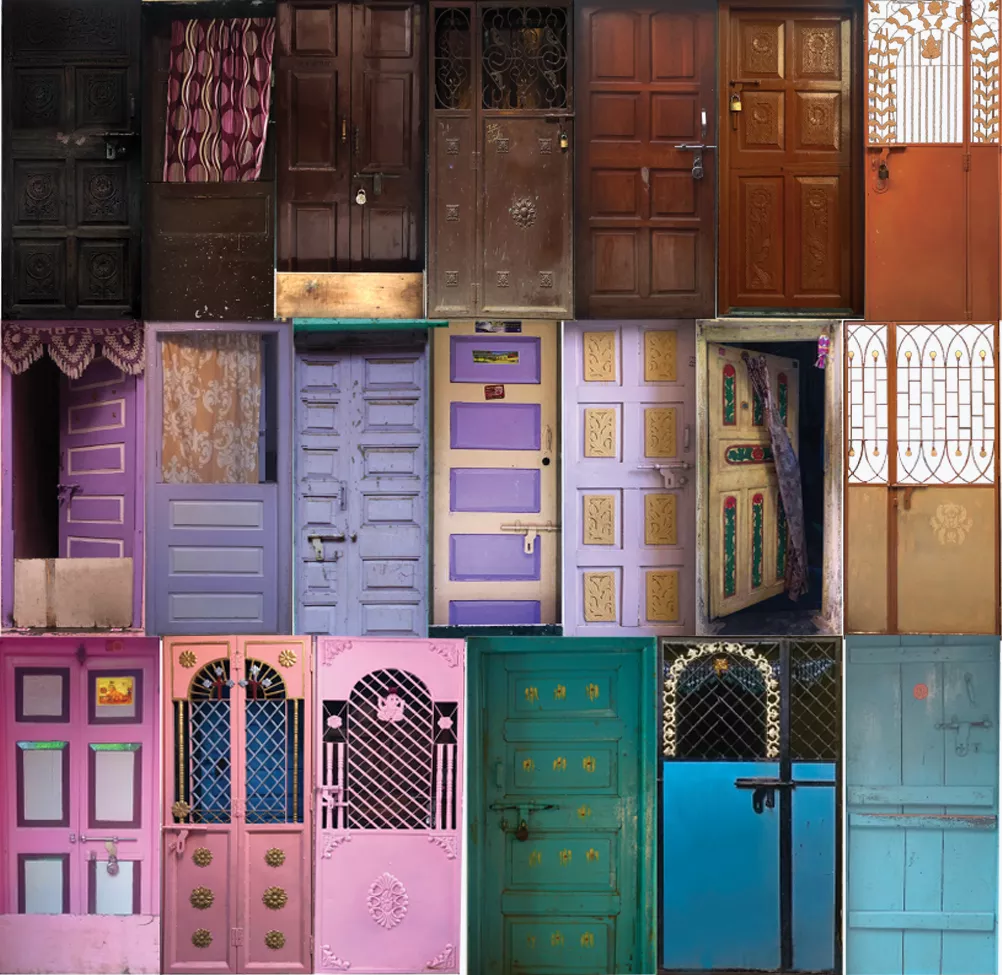



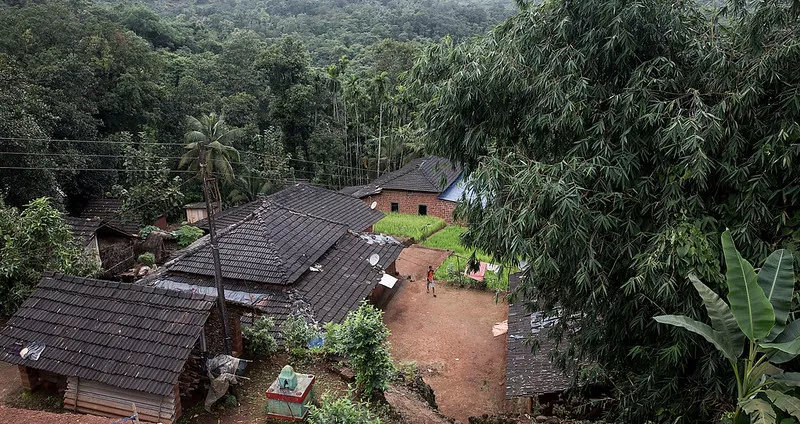
Based on a multi-year research with the Mobile Lives Forum on the linkages between Mumbai and Konkan villages this essay, first published in the magazine FuturArc, describes an Indian model of urbanization.
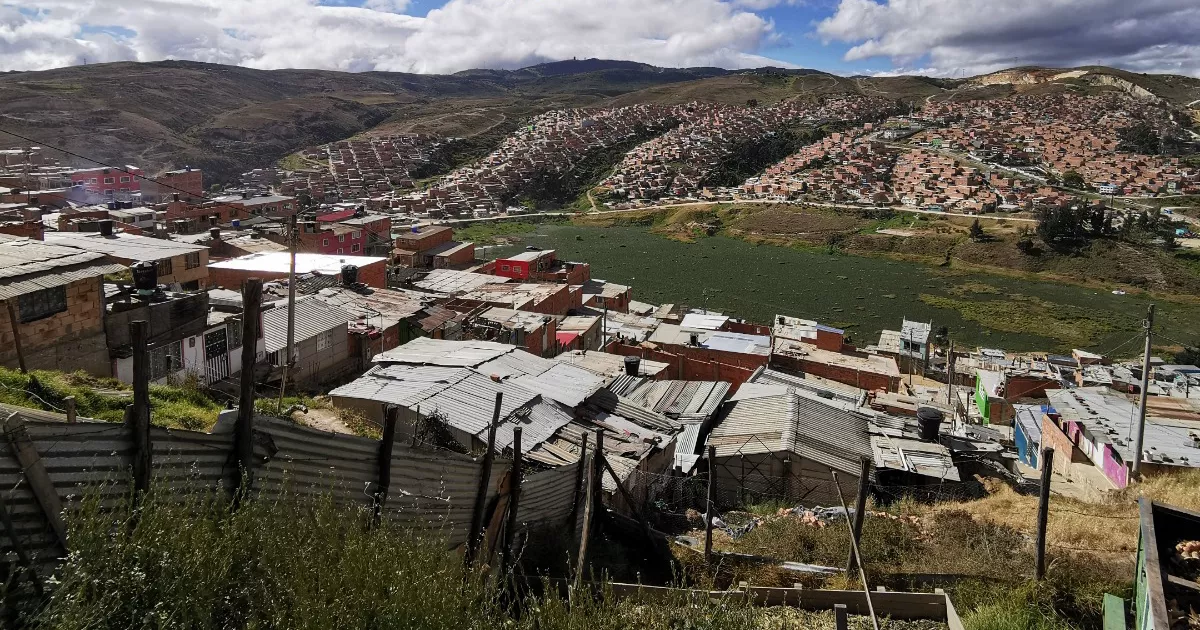
More than a third of Bogota, the capital of Colombia, is estimated to be self-built by the inhabitants, mainly in the periphery of the city. In this article, we learn from Andrés Sánchez of urbz Colombia about the emerging forms of organisation and constant transformation in these self-built neighborhoods.

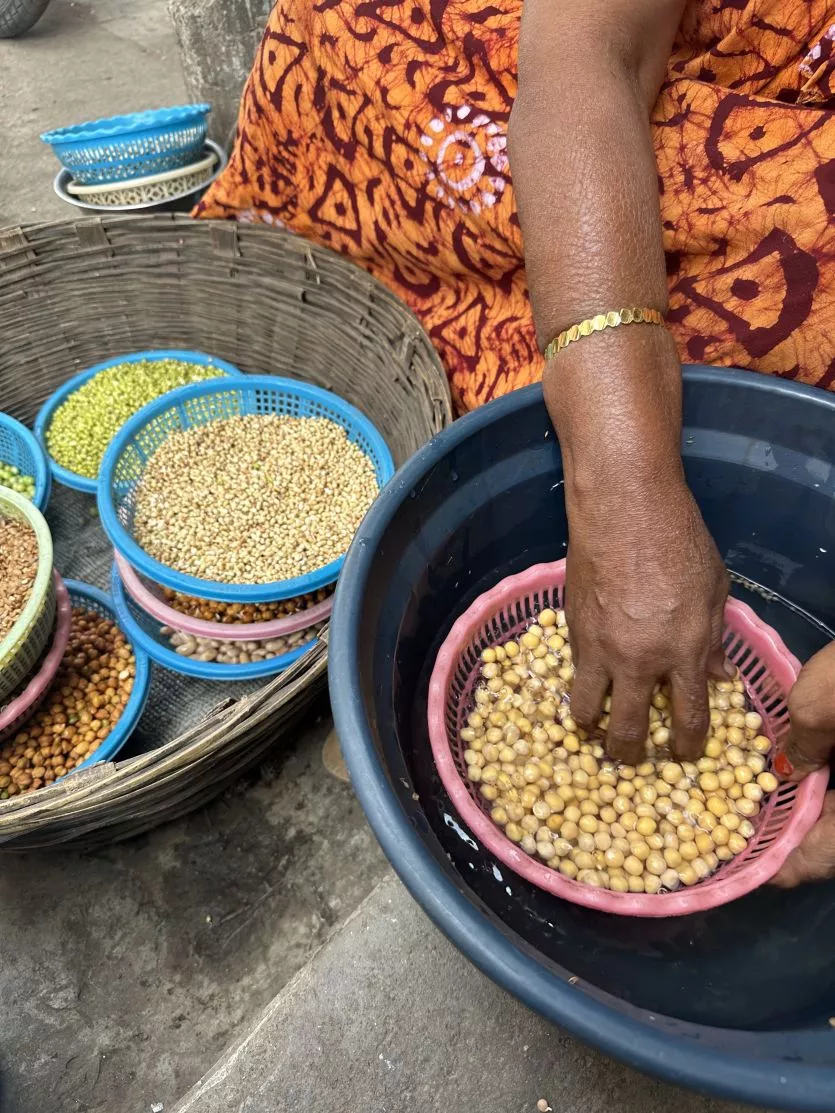
Pushpa has been living in Dharavi since she was born. Our day starts with her bright smile as she sells pulses right outside the urbz office. We recently had a little chat with her.