A Porch, Some Flowers, and a Lifetime Here
Authors
Authors

A Porch, Some Flowers, and a Lifetime Here
Authors
Authors
"Bloom where you are planted." - Often attributed to Saint Francis de Sales
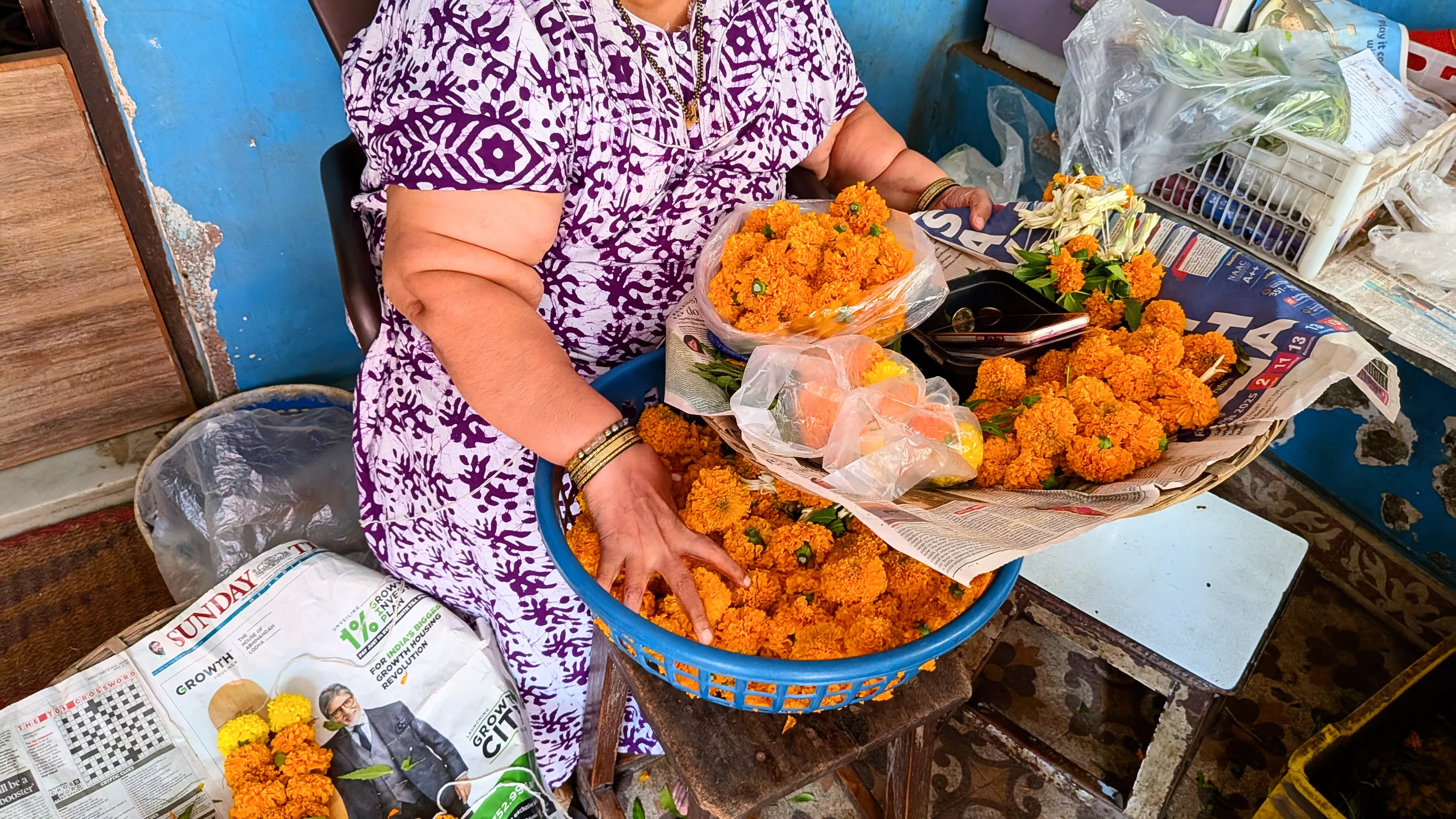
On the porch outside her home, Laxmi Vaity sat quietly stringing flowers into torans.
Neighbours stopped by to chat. Customers arrived looking for flowers. Familiar faces appeared, exchanged a few words, and continued with their day. The porch seemed to serve many purposes at once: a workspace, a place for conversation, and an extension of the house itself. Laxmi worked steadily through it all. Stories of childhood, family, faith, and Koliwada surfaced between strands of flowers and passing conversations.
At 45, Laxmi has spent her entire life in Dharavi. After getting married 26 years ago, she moved into her husband's home in Koliwada, not far from where she grew up. Unlike many stories in Mumbai that begin elsewhere, hers has always been tied to the same neighbourhood. She speaks about Koliwada with immense pride. More than once, she made it clear that she is a Koli, a Mumbai Koli. There was a quiet confidence in the way she said it, as though her identity and the place she lives are inseparable.
"Aamhi asa gaavala gelo, parat aalo asa kahi nahi. Aamhi ithech vadlo, anhi ithech rahanar tyacha garva aahe aamhala."
"We came from a village, there's nothing like that. We grew up here, and we'll live here, and I'm proud of that."
Like many routines in Koliwada, her day begins with faith. Every morning, she visits a nearby Ganpati temple before gathering for tea with a small group of friends and neighbours. Only after that does work begin.
Laxmi sells flowers and handmade torans, a skill she learnt simply by watching her mother-in-law. Long before Laxmi sat on this porch, threading flowers together, her mother-in-law occupied the very same spot, selling flowers and torans to the neighbourhood. What began as observation slowly became practice, and over the years, a livelihood passed from one generation to the next. Today, she sources flowers from nearby markets and turns them into torans that eventually find their way into homes, temples, and celebrations across the neighbourhood.
Business is busiest during occasions such as Ganesh Chaturthi, Sankashti, and other festive periods. Yet she speaks about her work with a sense of purpose that goes beyond business.
"Hoeil tevdha karel. Mala avadte dusryana madat karna. Devacha kaam aahe hein."
"I'll do it for as long as I can. I like helping and serving people. At the end of the day, it's God's work."
The flowers she strings together eventually become offerings, decorations, and symbols of celebration. They find their way into homes, temples, and festivals across the neighbourhood.
Some customers come for flowers. Others stop because they know her. Many have been seeing her in the same spot for years.
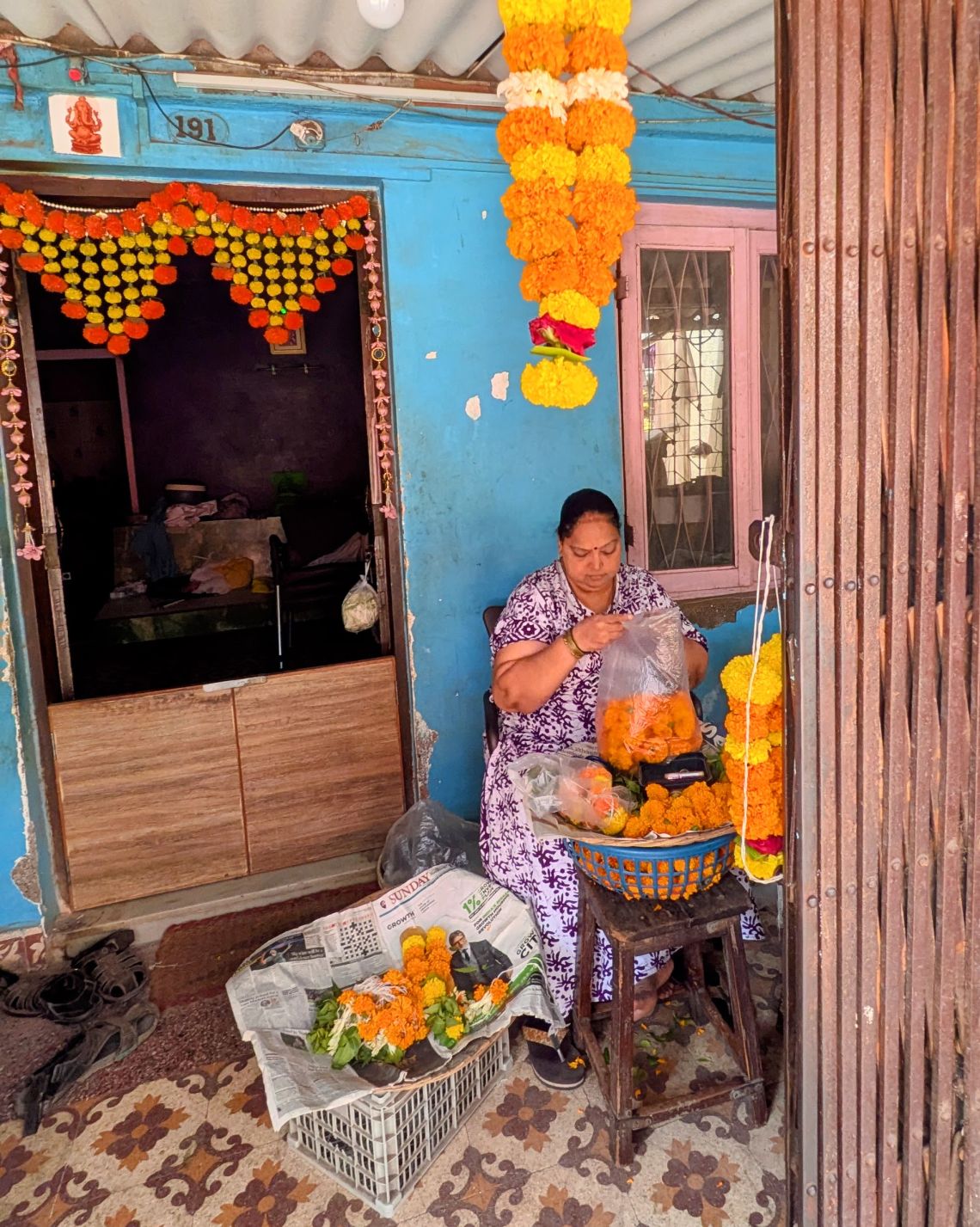
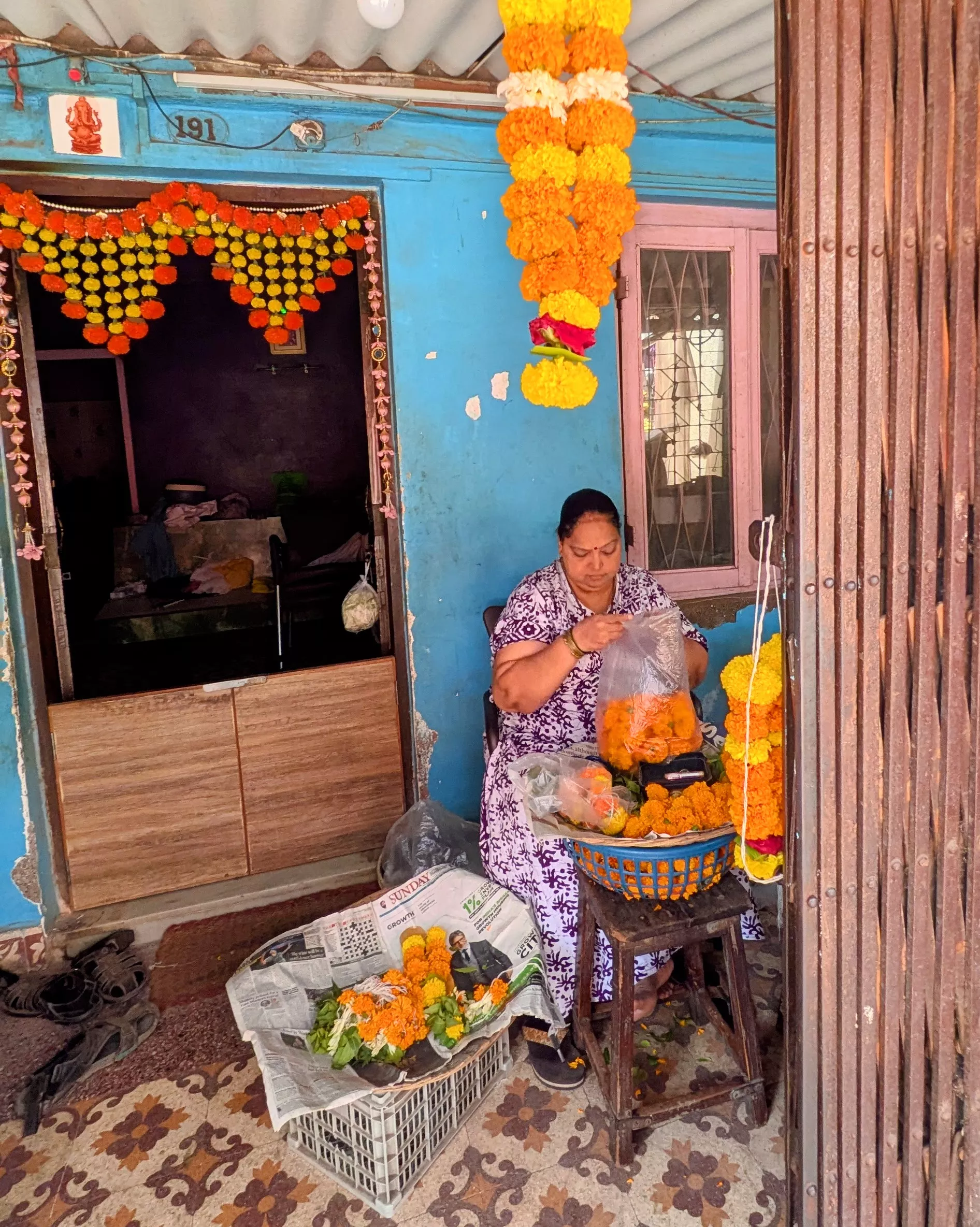
By now, it was difficult to imagine Laxmi anywhere else. The flowers, the conversations, and the familiar faces drifting in and out of the day all seemed to belong to this small porch outside her home.
As Laxmi explained, she has never enjoyed sitting among the bustle and chaos of larger groups of sellers. She prefers the quiet of the porch. Here, she can work in peace while remaining connected to everything around her. She can keep an eye on the house, greet neighbours as they pass by, share tea with friends, and pause for a conversation whenever someone familiar stops by.
A nearby uncle who runs a mattress shop often lends a helping hand. Another close friend regularly joins her for a chat. Customers arrive looking for flowers and often leave after a longer conversation than they intended. The day unfolds slowly around her.
The porch allows her to work the way she likes, peacefully, while still being close to her home, neighbours, and friends.
The flowers may be what bring customers to her doorstep, but it is this small space that allows her to build her days exactly the way she likes them.
Many of Laxmi's memories seem to circle back to people. Childhood stories blend into stories about neighbours. Family stories become stories about the community. The boundaries between home, friendship, and neighbourhood life often feel blurred.
Whenever difficulties came up, the conversation eventually returned to neighbours, friends, or someone she knew nearby. The people around her seemed to be as much a part of home as the house itself.
For someone so deeply connected to her home and the life built around it, thoughts about the area's redevelopment inevitably surfaced. Laxmi admitted that the idea worries her. She fears that residents may receive smaller homes as taller buildings are constructed, allowing builders to accommodate more units and maximise profits.
For someone whose daily life extends beyond the walls of her house and onto the porch outside, space means more than square footage. It is where she works, chats with neighbours, drinks tea, and spends much of her day. What she hopes survives any future change is not just a house, but the breathing space, familiarity, and everyday connections that make Koliwada feel like home.
Back on the porch, however, such worries seemed far away. Flowers slowly became torans. Neighbours continued to stop by. Conversations drifted in and out. The rhythm of the day carried on much as it always had.
The porch may only occupy a small corner of the house, but much of Laxmi's life seems to unfold there. Work, friendship, faith, and community all pass through the same space. Perhaps that is why she speaks about Koliwada with such pride. Everything she needs is already here.
People involved
Related articles
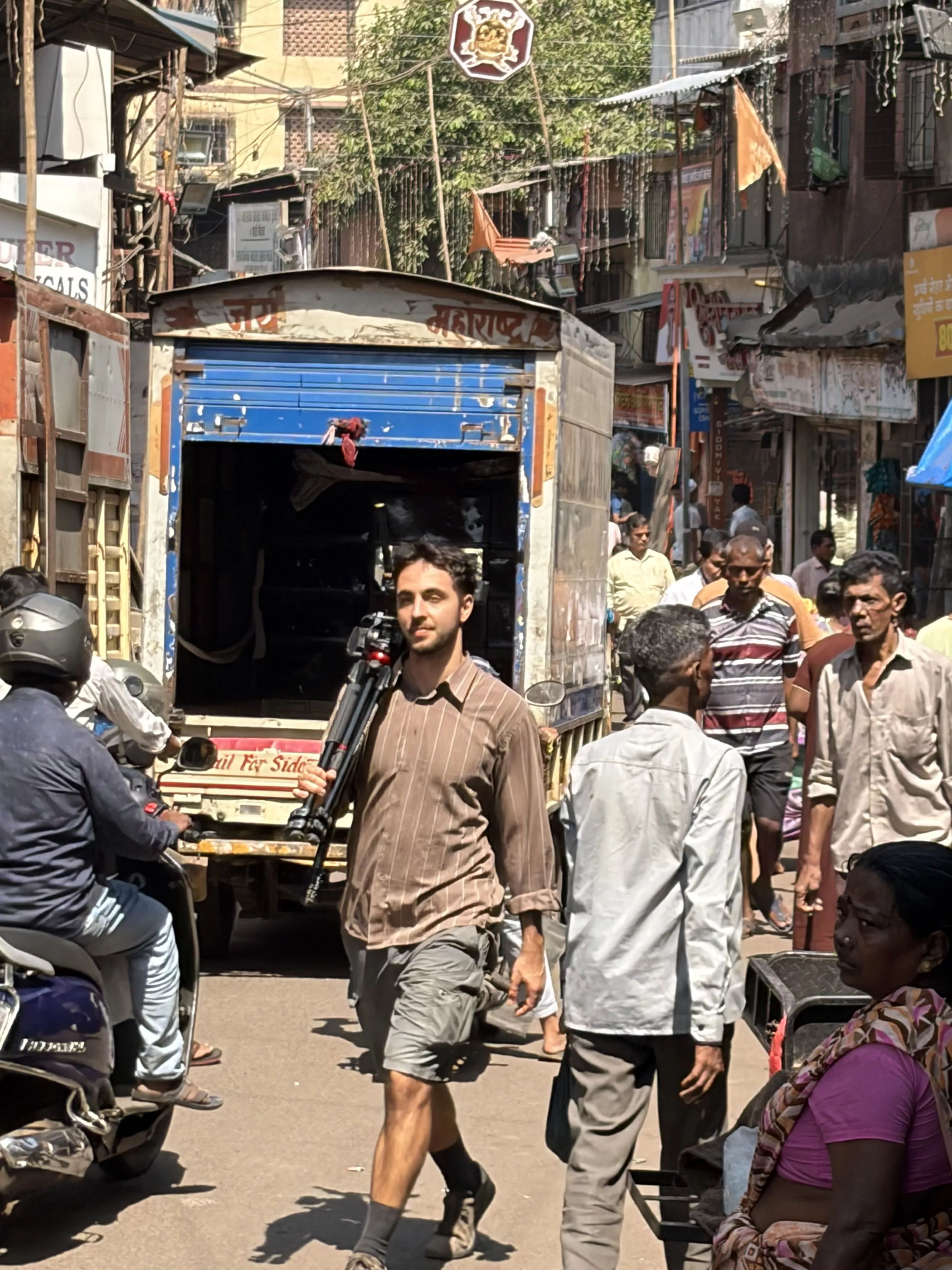
An interview with Liron Shalit, our filmmaker-in-residence. He is an award-winning documentary filmmaker focused on social issues, human rights, and ethical urbanism. Recently, the urbz office hosted a screening of his film Living Euljiro that traces the neglected losses of those living within a centuries-old district of maze-like alleys at the heart of Seoul (Synopsis). We speak to him about his craft, his lessons from Euljiro, and his time here in Dharavi.

Giving a voice to the kids is urgent and inevitable. In this series, the kids speak about their neighbourhood and lives.

From his humble beginnings and early struggles to becoming a respected contractor and political voice, Arunlal’s journey reflects the strength, grit, and deep-rooted commitment to his neighbourhood. Known for his signature white attire and heartfelt leadership, he stands as a symbol of hope and perseverance in challenging times for Dharavi.

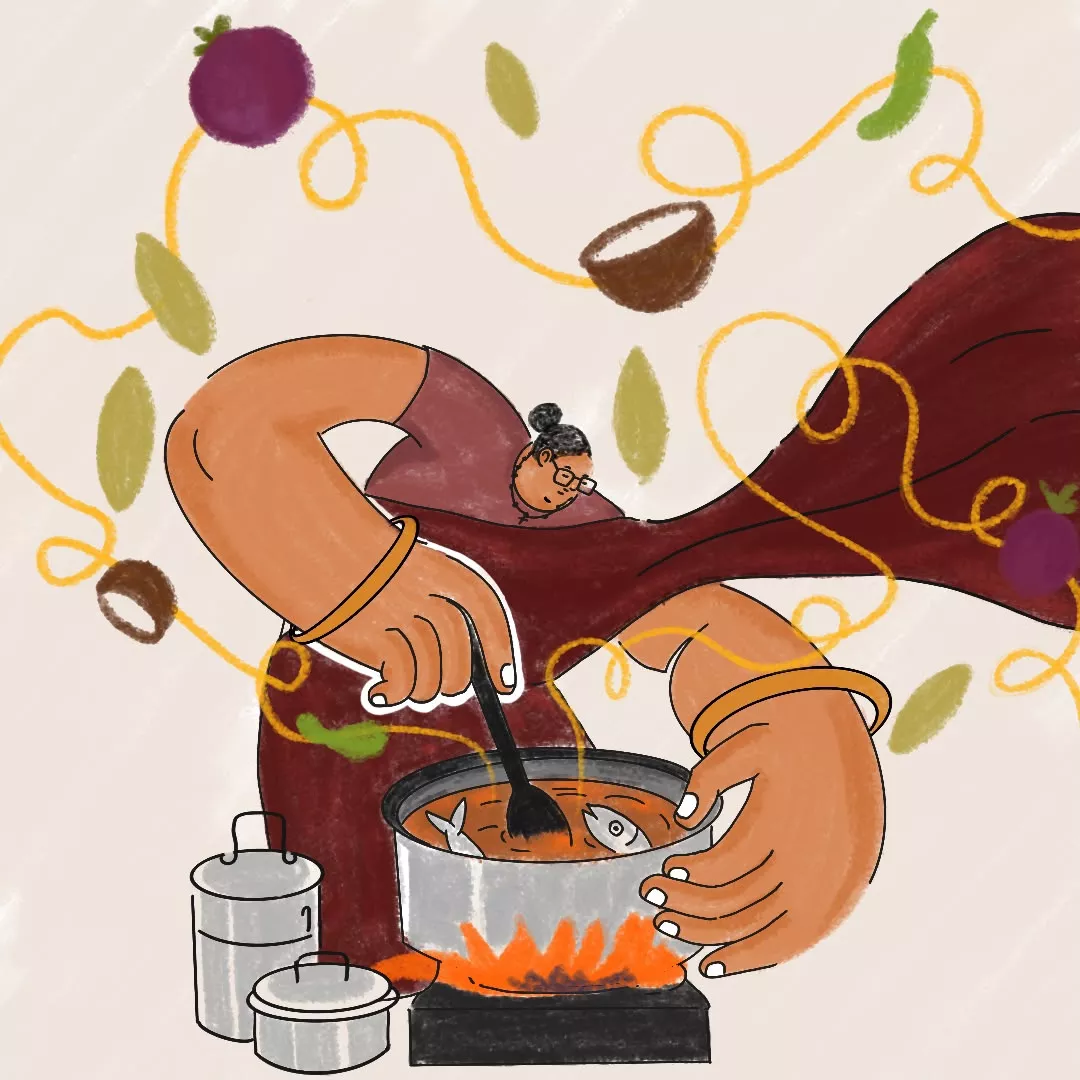
Through Mary Maushi’s steel dabbas, this story follows the daily journey of a home-cooked Koli meal from her kitchen in Dharavi Koliwada to the shared lunch table at urbz. Along the way, it explores food, inherited knowledge, and the conversations that unfold around a meal

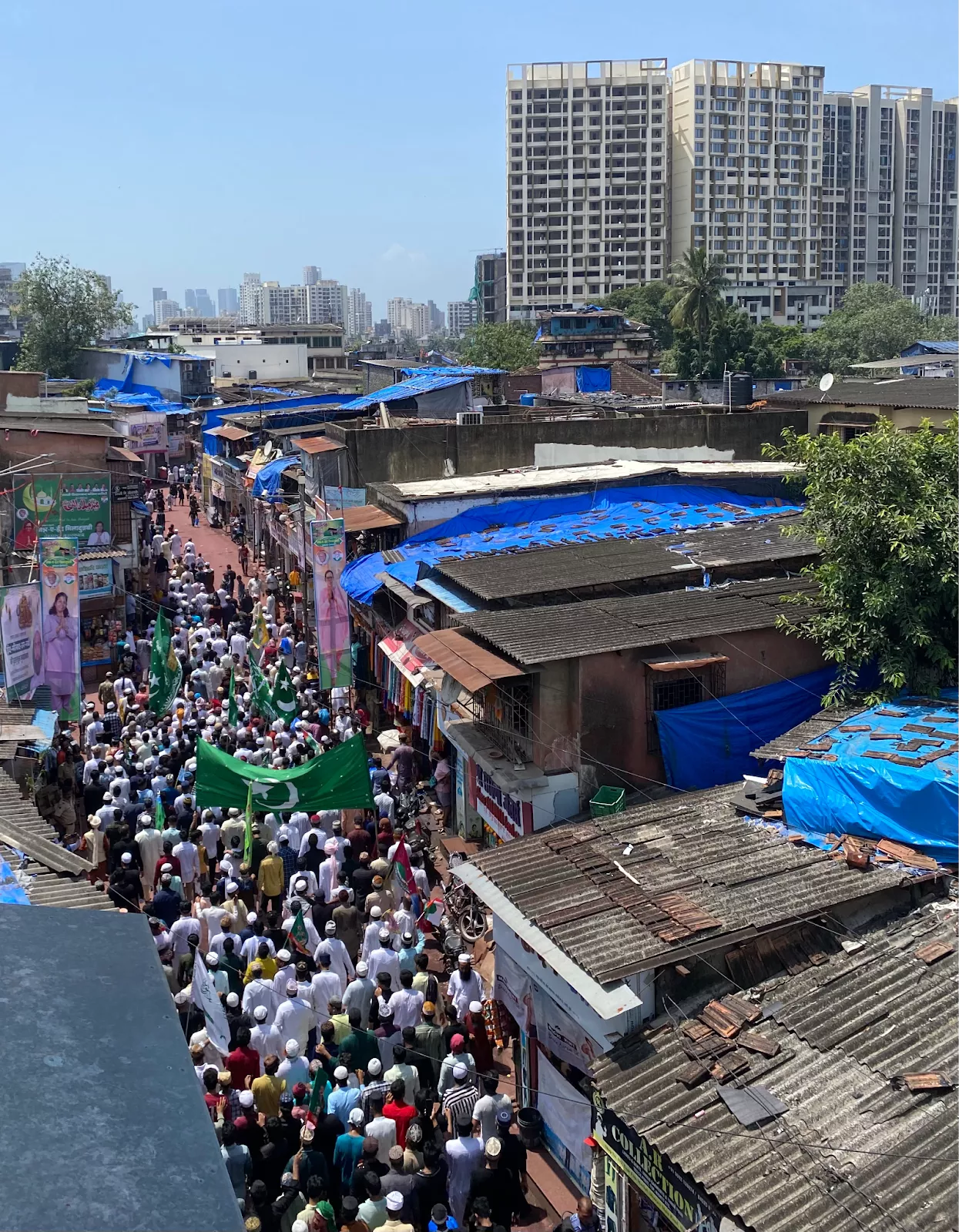
Streets, typically seen as the arteries of daily hustle, transform into a public stage during ceremonial processions where tradition and resistance are celebrated in unison. For communities of Dharavi, these processions denote a larger familial solidarity highlighting the struggles of urban life against the erasure of culture during calls for redevelopment. A declaration of presence that co-opts the neighbourhood, these processions also signify moments of resistance towards urbanisation-induced alienation in urban spaces.

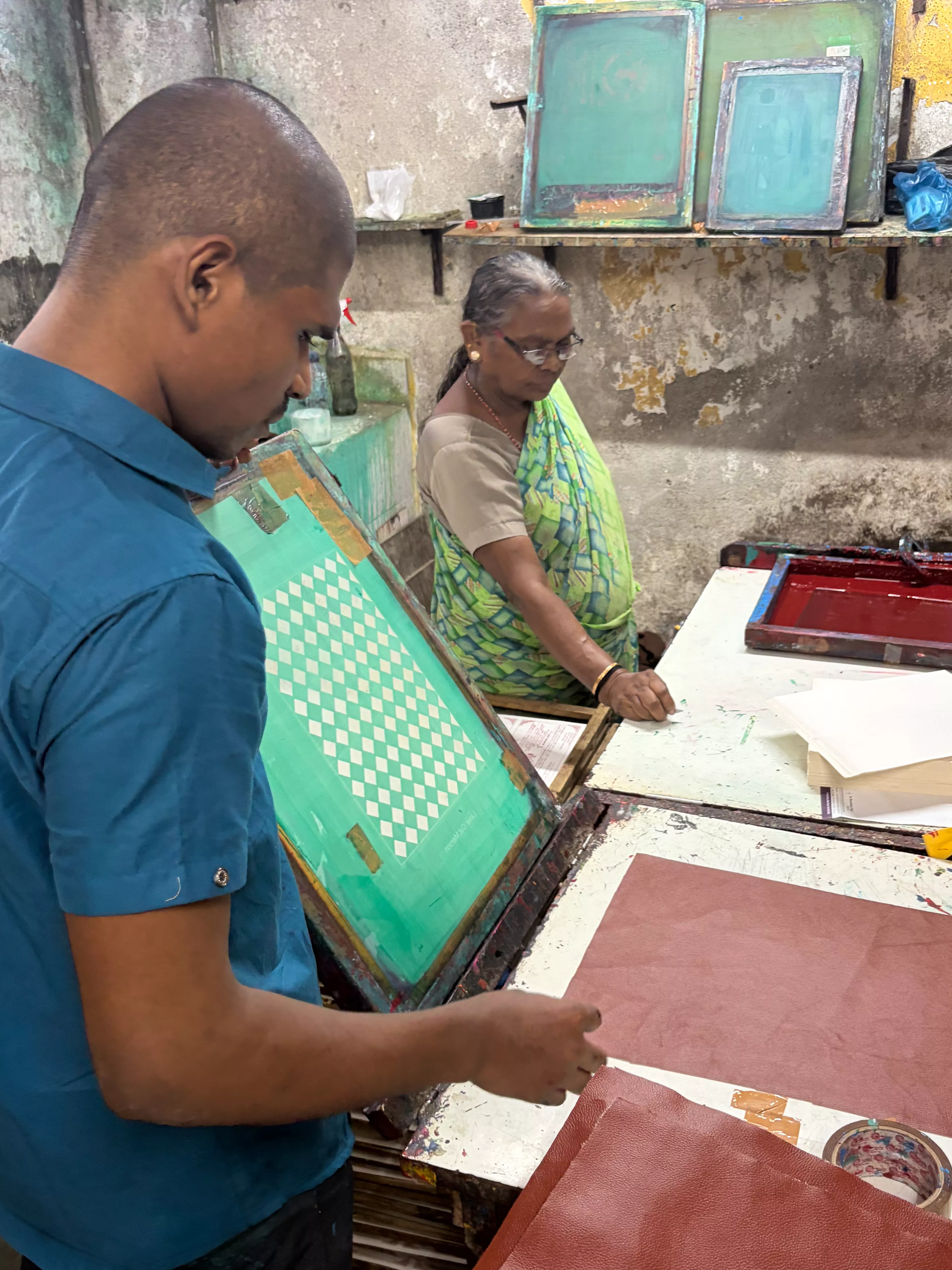
In a lane off the bustling 90 Feet Road in Dharavi, there is a tiny studio dedicated to all types of screen printing. Laxmi and Mani are an unlikely duo that expertly handle the screenprinting needs of customers across the city. They talk to us about a lifetime spent in the industry.

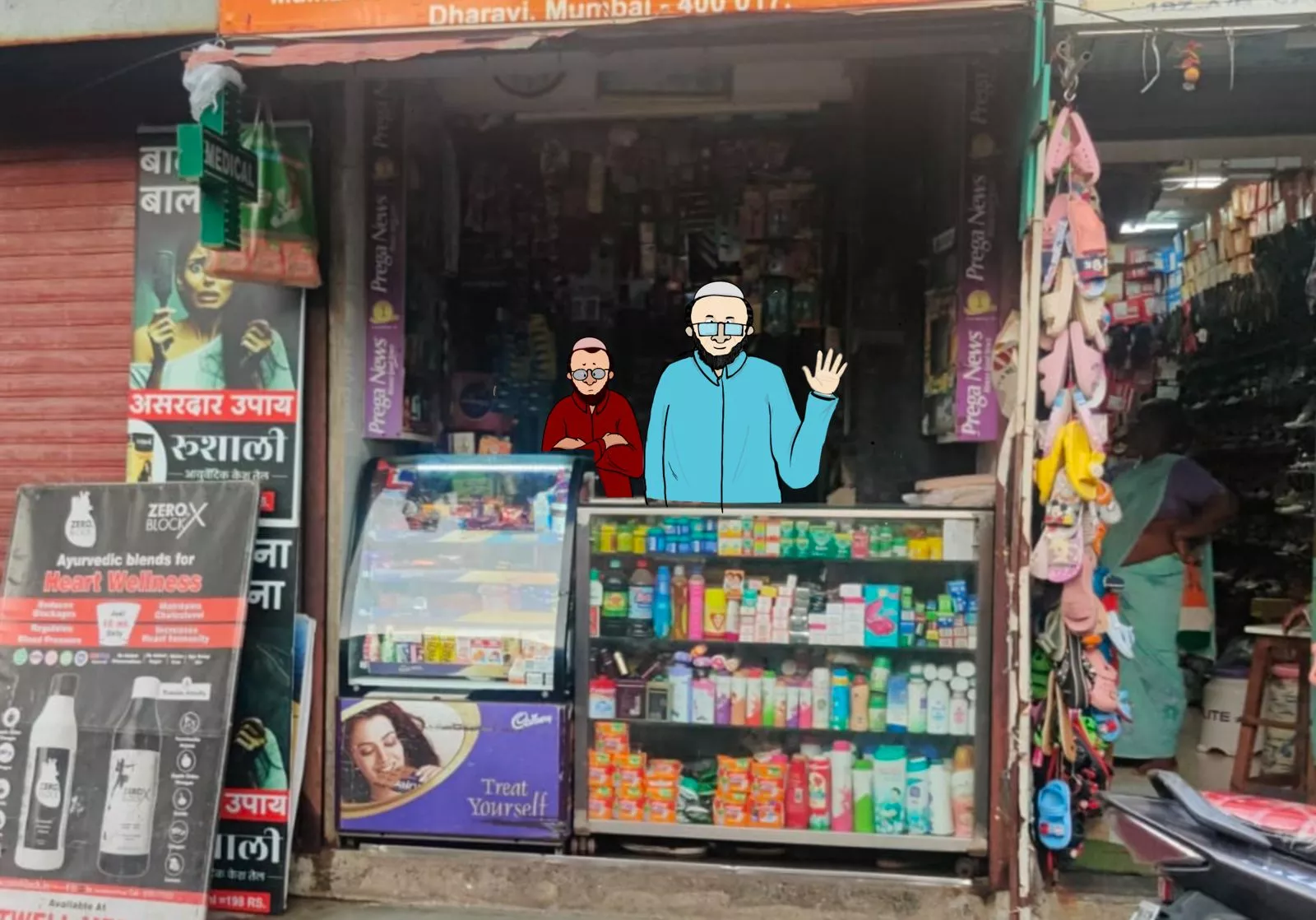
Two brothers behind a pharmacy counter tell us a story of resilience and adaptability, ranging from spreading wares in Bandra to spinning rakhis on an umbrella in the rains.


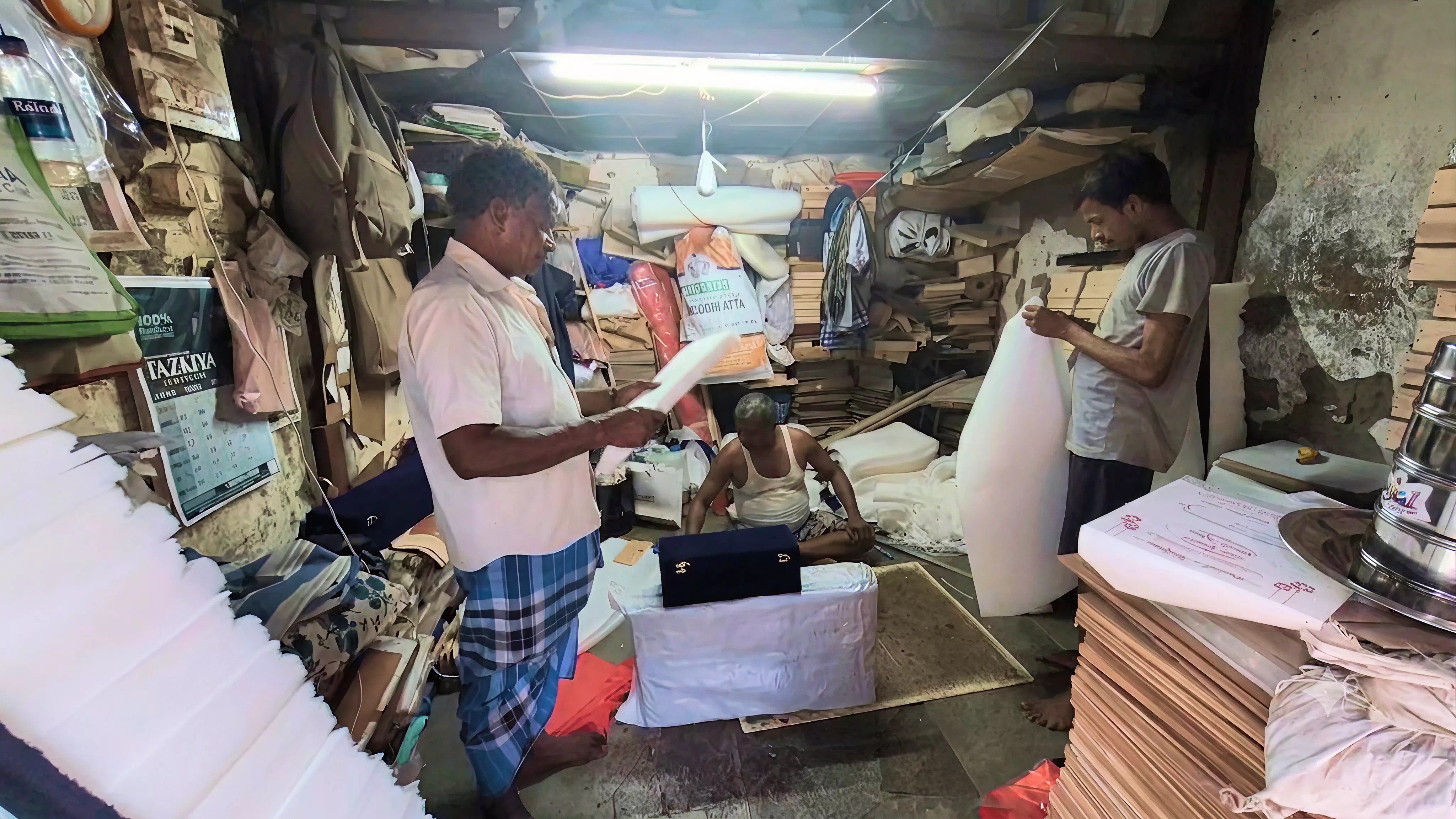
What happens when a home is also a workshop, a storeroom, and the centre of a livelihood? Step inside Bashir Ahmed's tool-house, where stacks of wood and velvet become jewellery boxes, while home and work remain inseparable parts of everyday life.
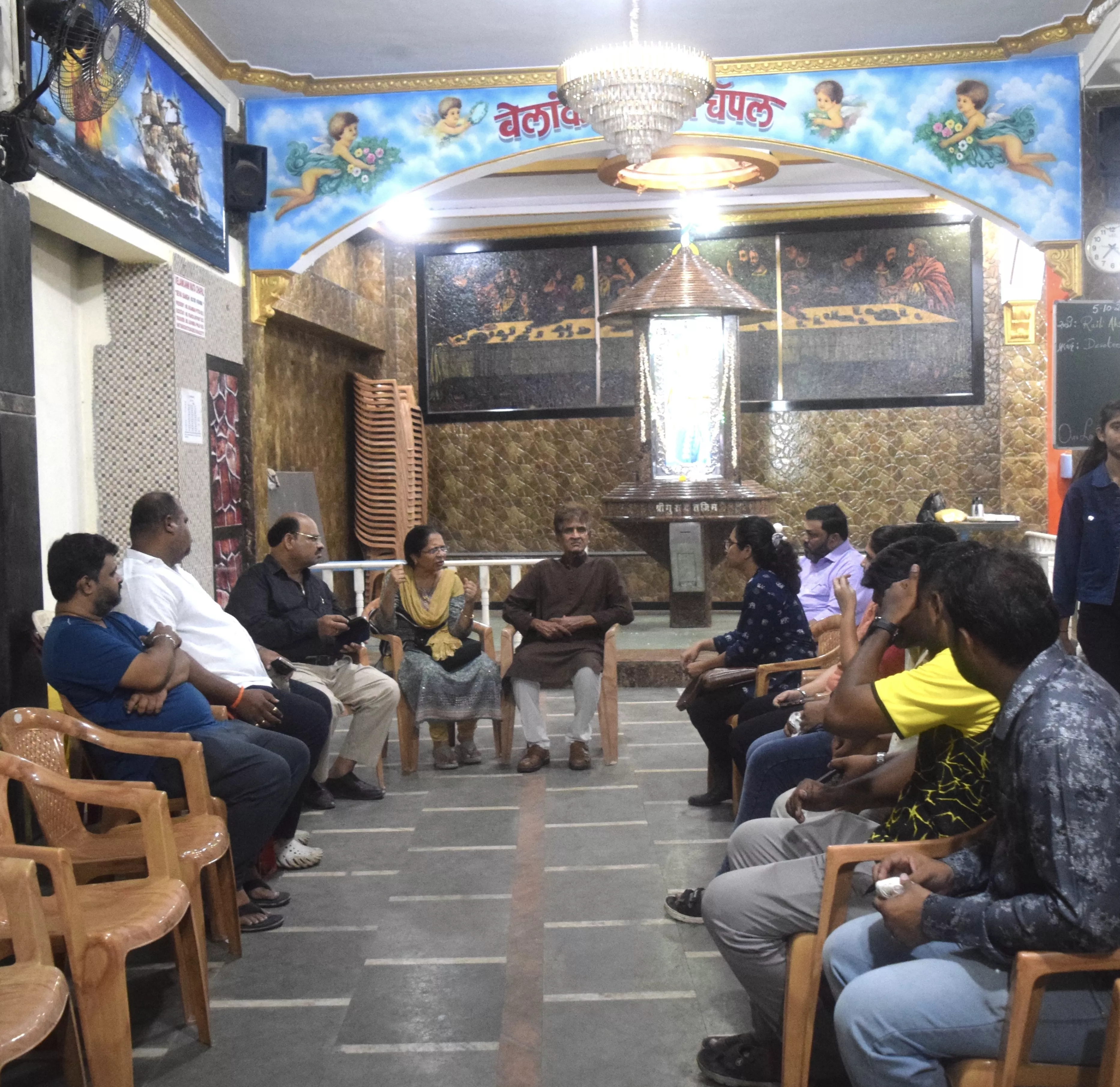
The Dharavi Koli Jamaat Trust has been entrusted the responsibility to address socio-economic and spatial challenges in Dharavi for the Koliwada community. The Dharavi Koli Jamaat Trust is a functional example of urban local bodies promoting grass-root level governance with a community centric approach.
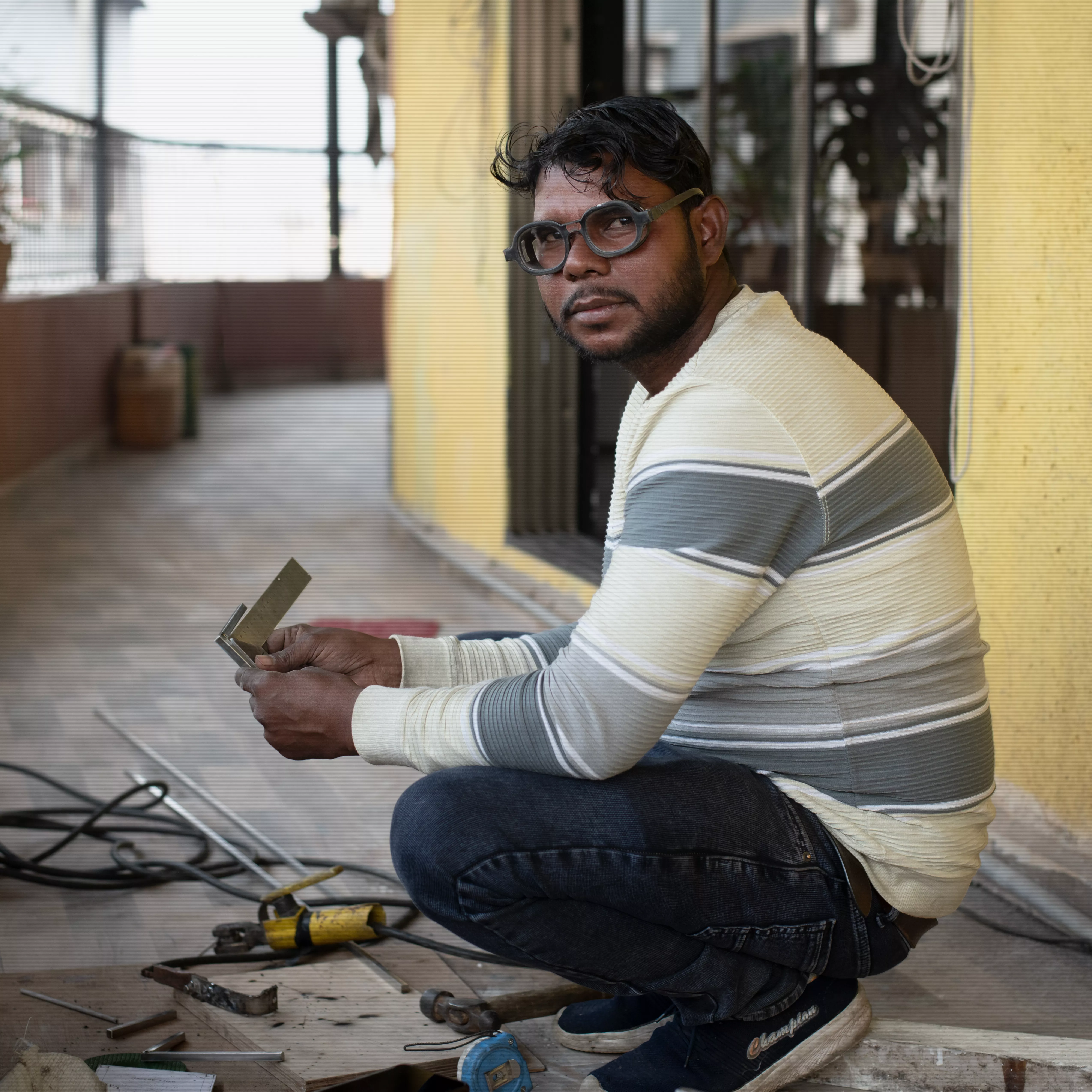
Kamlesh is an itinerant welder who has lived and worked in different parts of the country. Kamlesh represents the skilled workforce that quietly underpins the city’s built environment. This is his story...