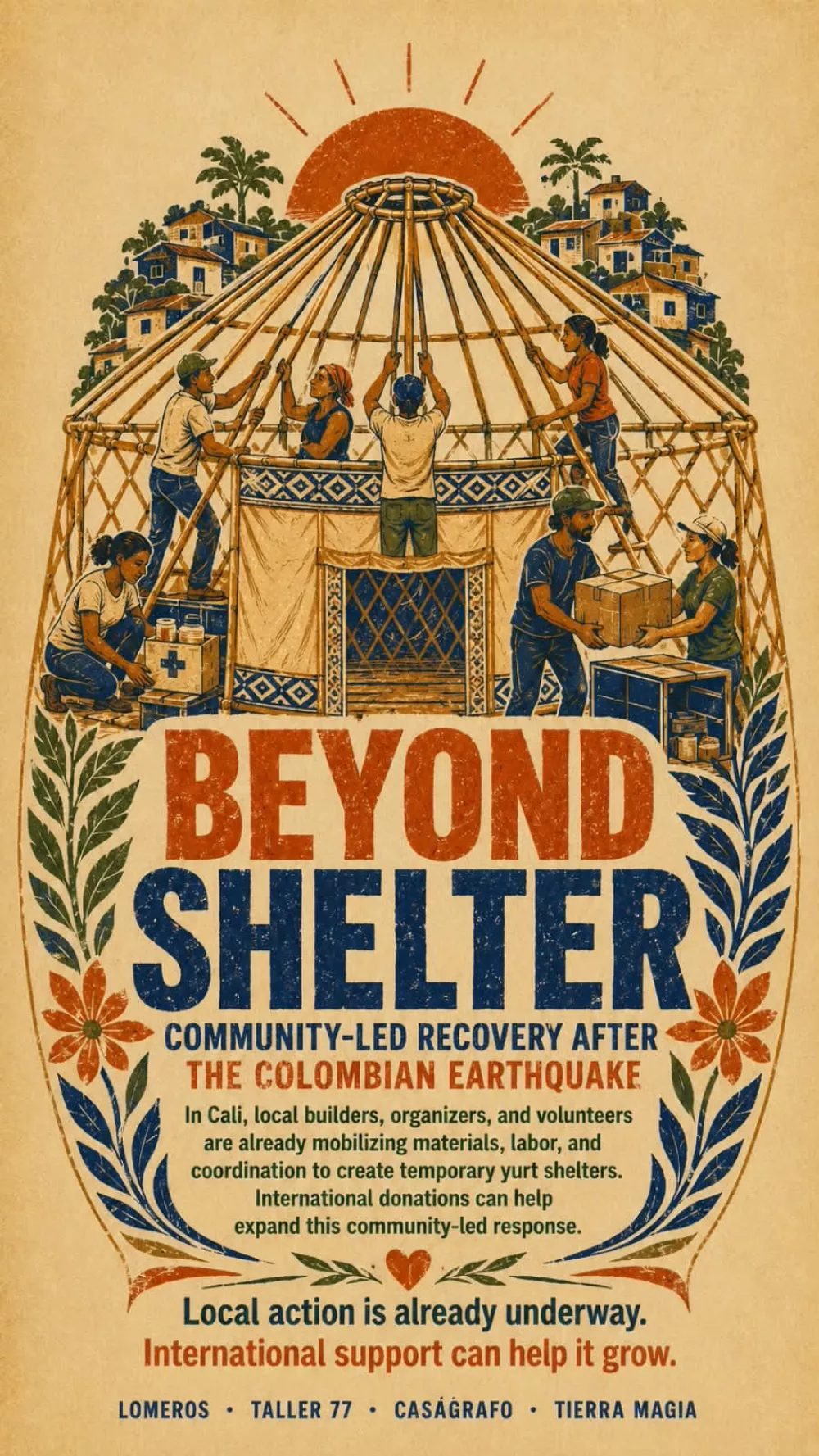
After the earthquake that shook El Choco region and Cali, local associations are mobilising to provide basic necessities and build shelters.
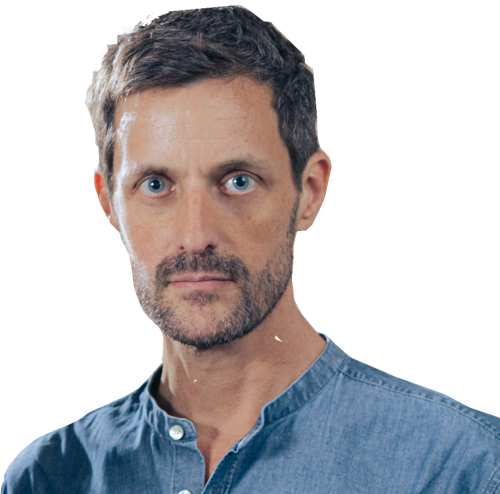

Tucked away in Sangam Gully, is Trissha's tattoo studio. She is a friendly woman, with a warm demeanour and a knack for challenging herself. Step into her studio to get a glimpse into the everyday life of an artist and the unspoken reliability of community.
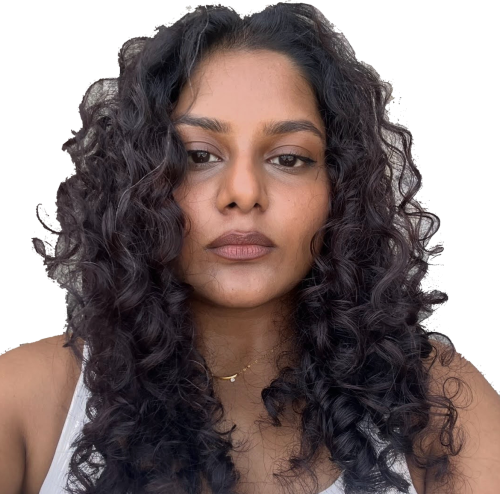
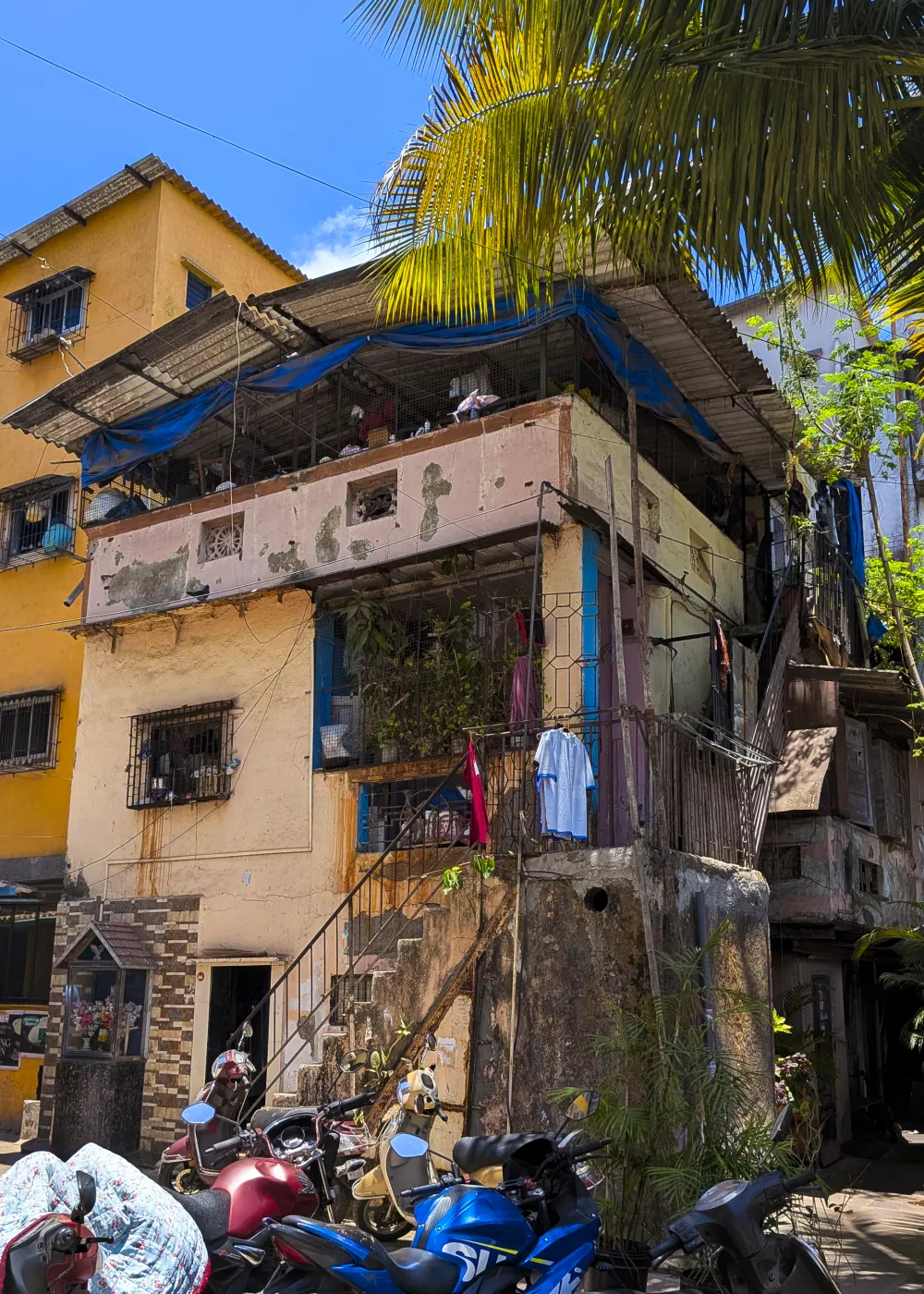
An old building in Dharavi Koliwada stands at the threshold of change. Through conversations with the residents of Jantu Bai Niwas, this story explores the hopes, concerns, and everyday realities shaping the future of a community in transition.
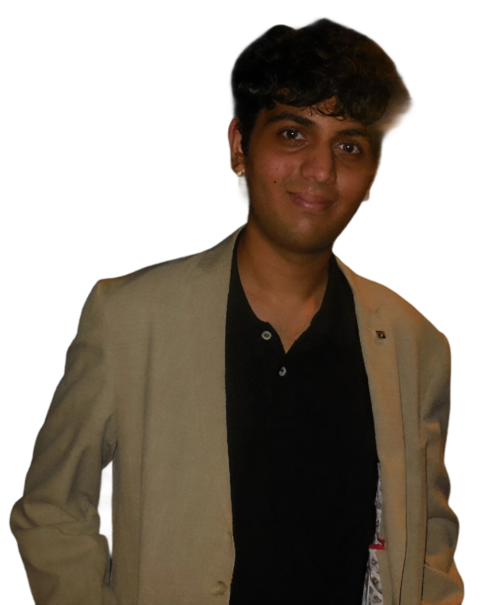
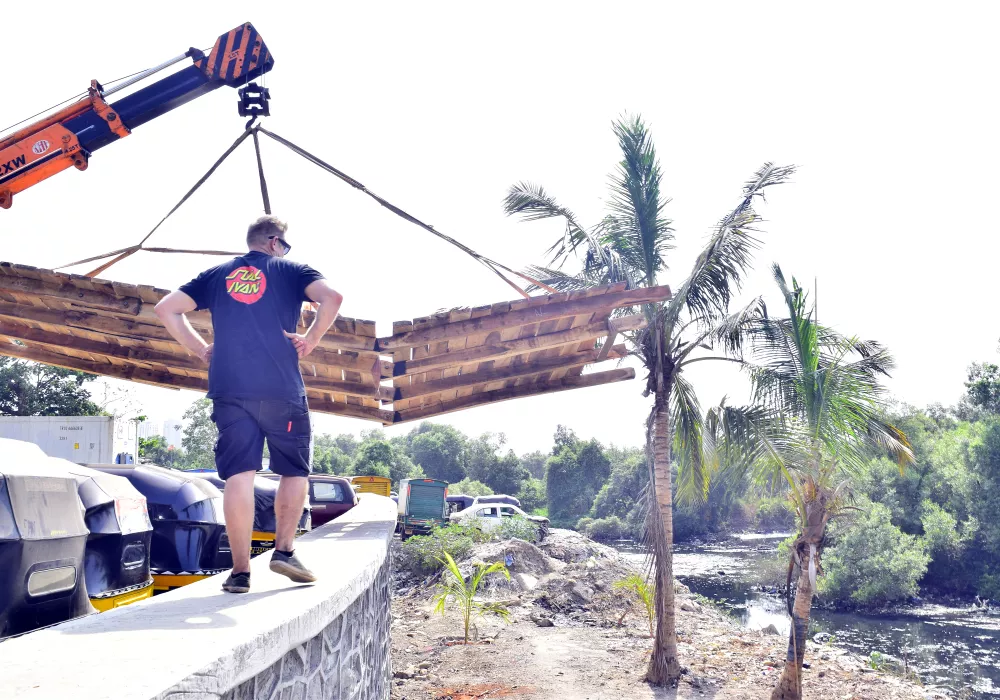
Dharavi Koliwada is on a mission to re-establish a dwindling connection to its fishing ponds. Along with the crew from Sullivan Carpentry and urbz, they are actively designing and building an amphibious device that helps fishing boats get into the water.
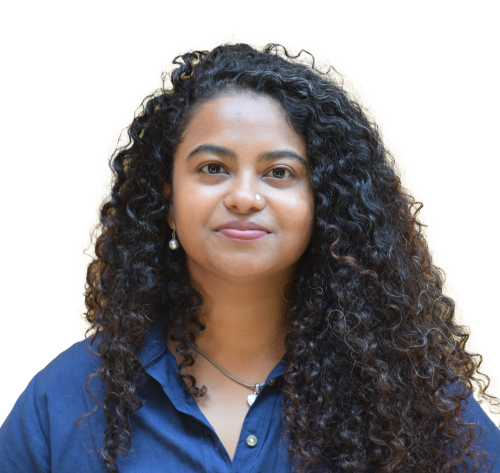
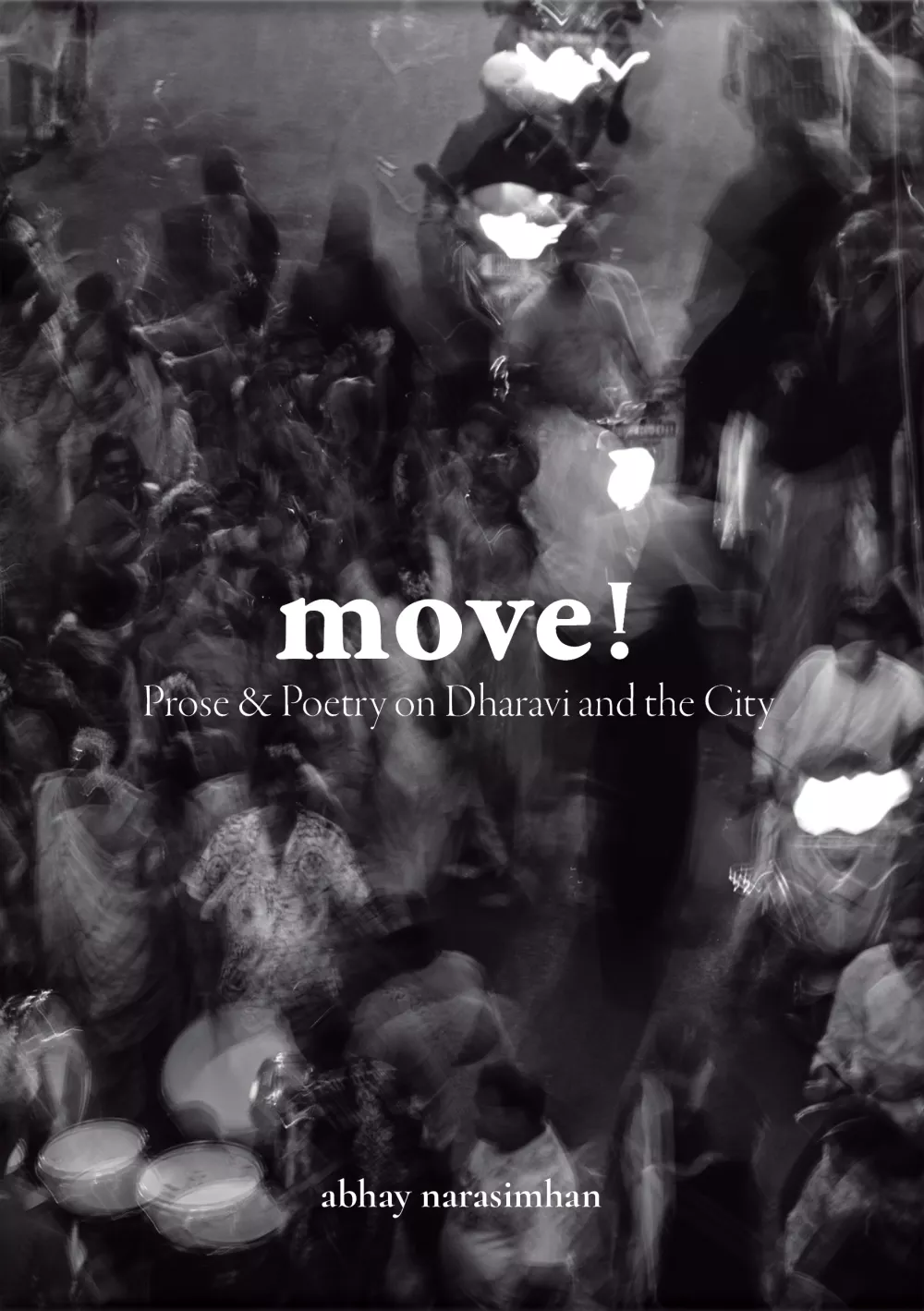
This compilation of prose and poetry emerges from the most incredible time I spent in Dharavi working with urbz Mumbai.
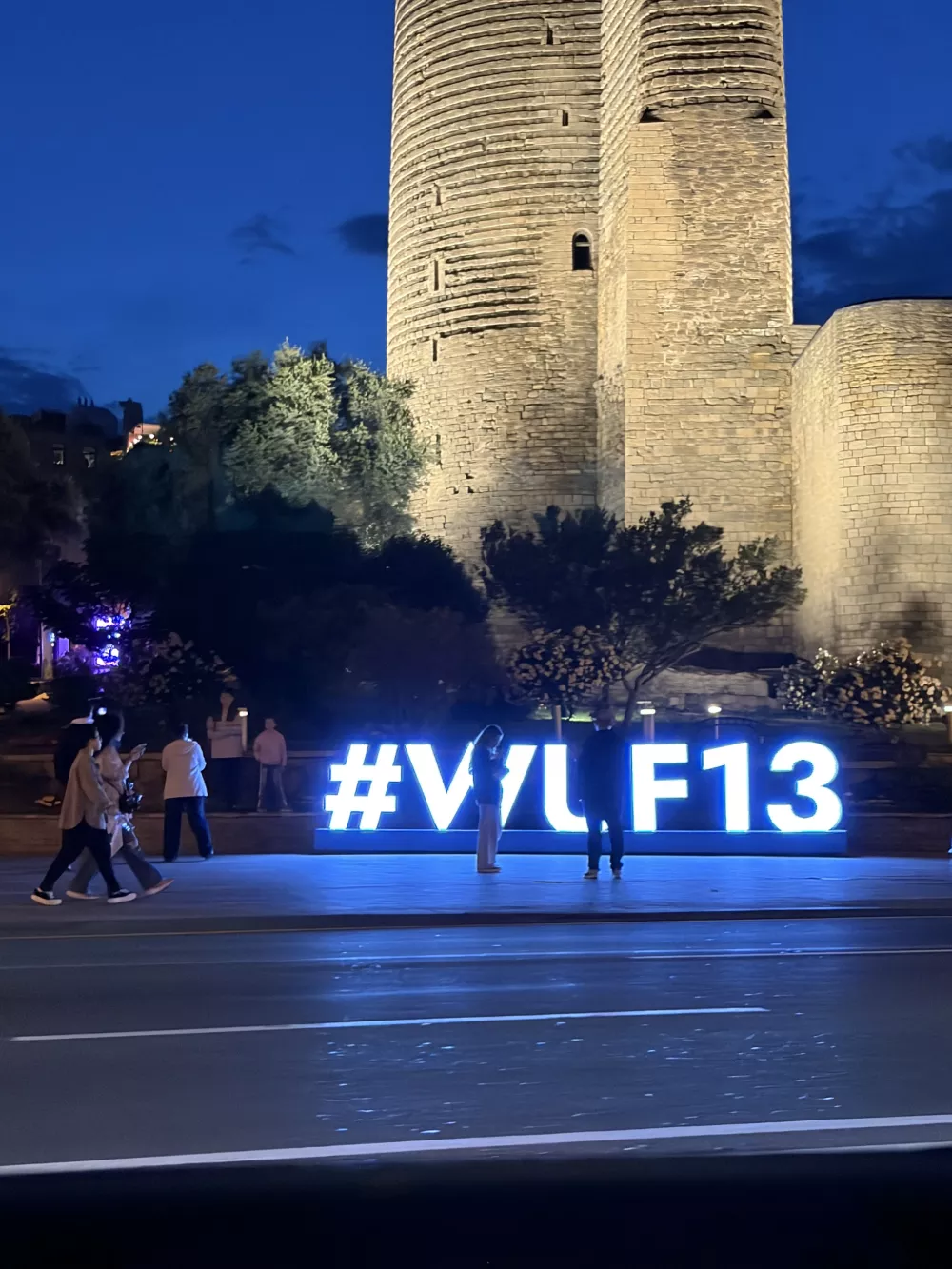
This week, urbz is at the 13th World Urban Forum, joining over 40,000 urban thinkers, policymakers and practitioners from 182 countries gathered in Baku, Azerbaijan, around a pressing question: how do we house the world?

How Dharavi exposes the Limits of Professionalism with each frame...
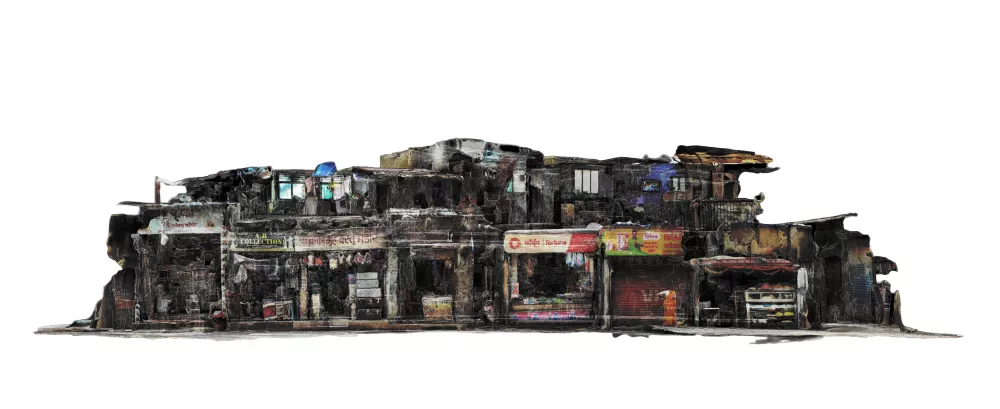
The following text recounts Paarth and Abhay’s experience measuring a plot of land owned by Ramesh Koli and his family. The plot includes a house and 7 shops that face the street. The family hopes to redevelop the plot with urbz.
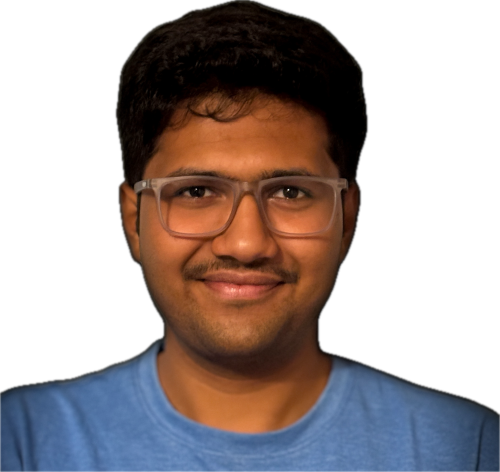
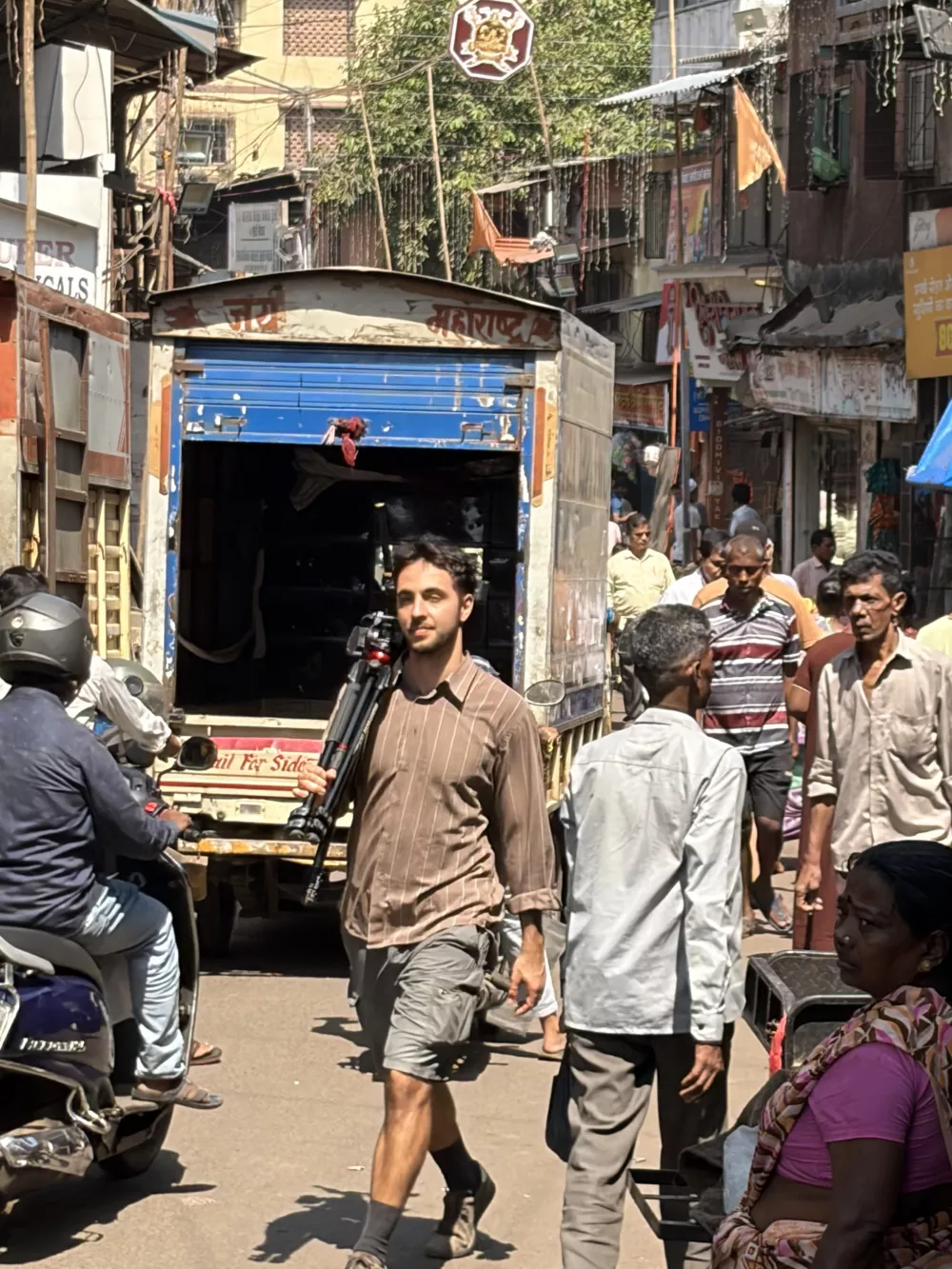
An interview with Liron Shalit, our filmmaker-in-residence. He is an award-winning documentary filmmaker focused on social issues, human rights, and ethical urbanism. Recently, the urbz office hosted a screening of his film Living Euljiro that traces the neglected losses of those living within a centuries-old district of maze-like alleys at the heart of Seoul (Synopsis). We speak to him about his craft, his lessons from Euljiro, and his time here in Dharavi.
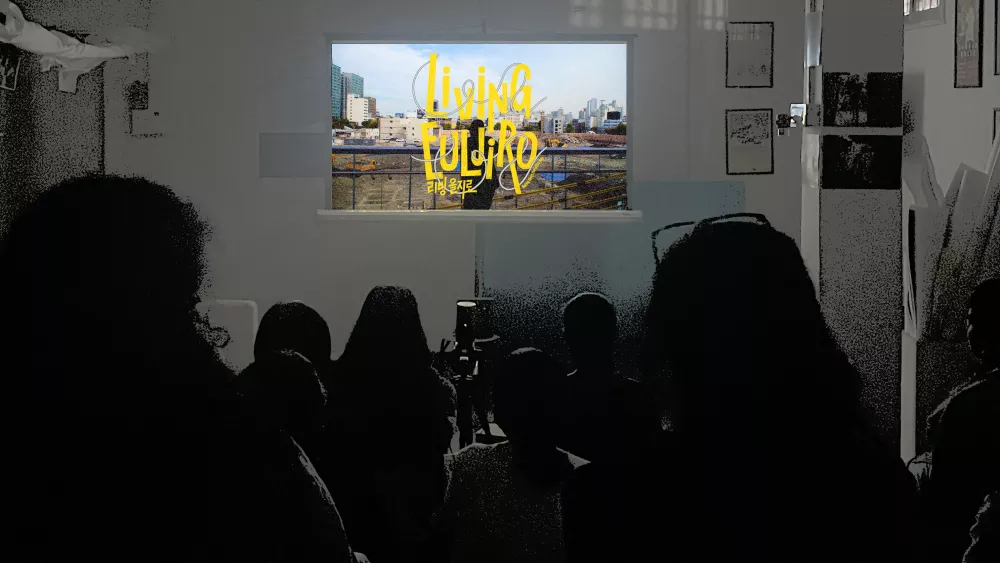
Living Euljiro is a film directed by Liron Shalit. Liron has been creating award-winning short documentaries since 2017, exploring themes such as social issues, human rights, disability, natural disasters, and urban life. Since relocating to Seoul in 2022, he has focused on documenting disappearing spaces and communities, capturing the distinctive culture of Euljiro and the stories of the people who live and work there.