Dharavi: More Than a Frame Can Hold
Authors

Dharavi: More Than a Frame Can Hold
Authors
In one month spent in Dharavi, I filmed close to 2Tb of footage, dozens of interviews, and spent hours on the main streets and charming alleys surrounding Dharavi Koliwada. But while reviewing the footage, what I feared most came true. None of it felt authentic. None of it reflected what it was actually like to be there. Although two cameras, an iPhone, and a GoPro were used, for the first time in 10 years of making videos and films, it felt like I simply couldn’t communicate using a camera.
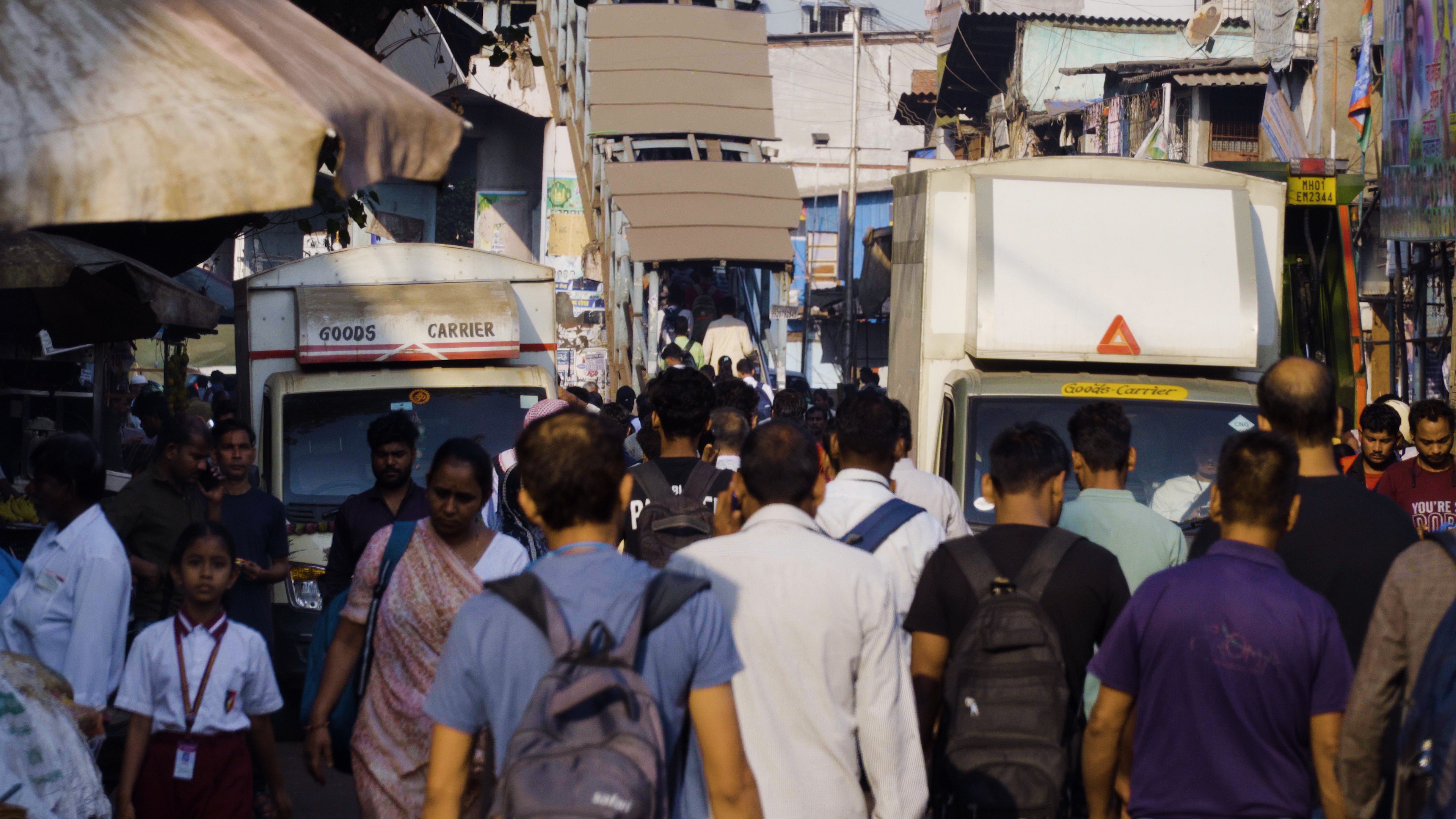
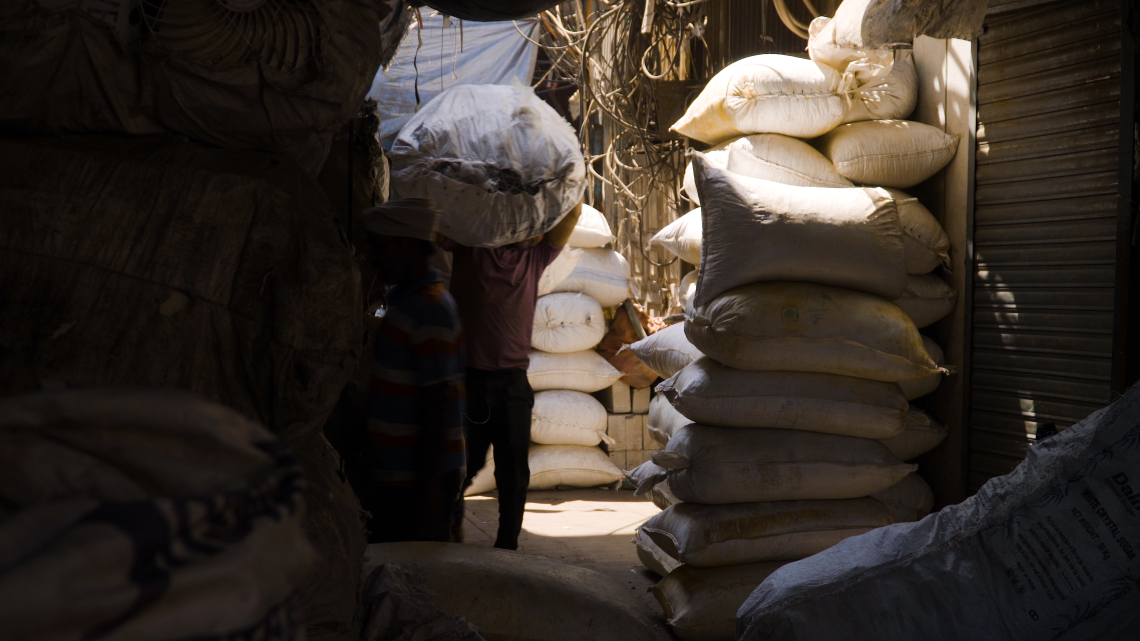
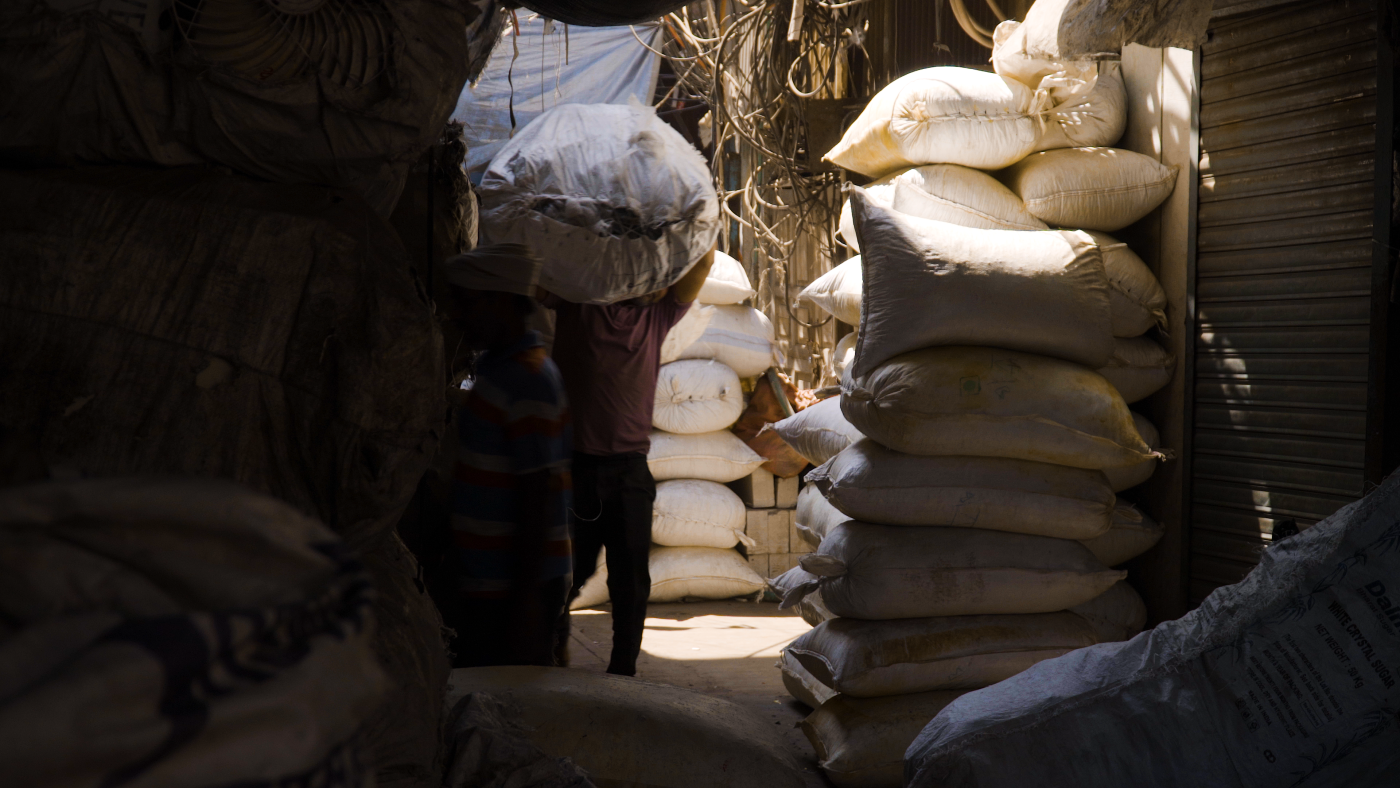
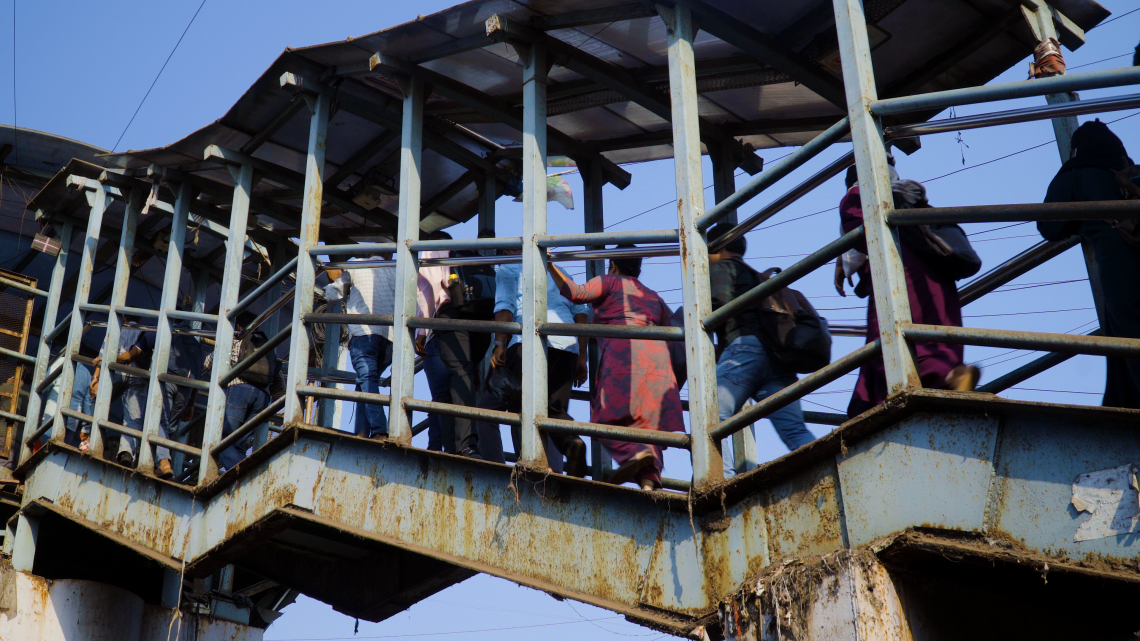
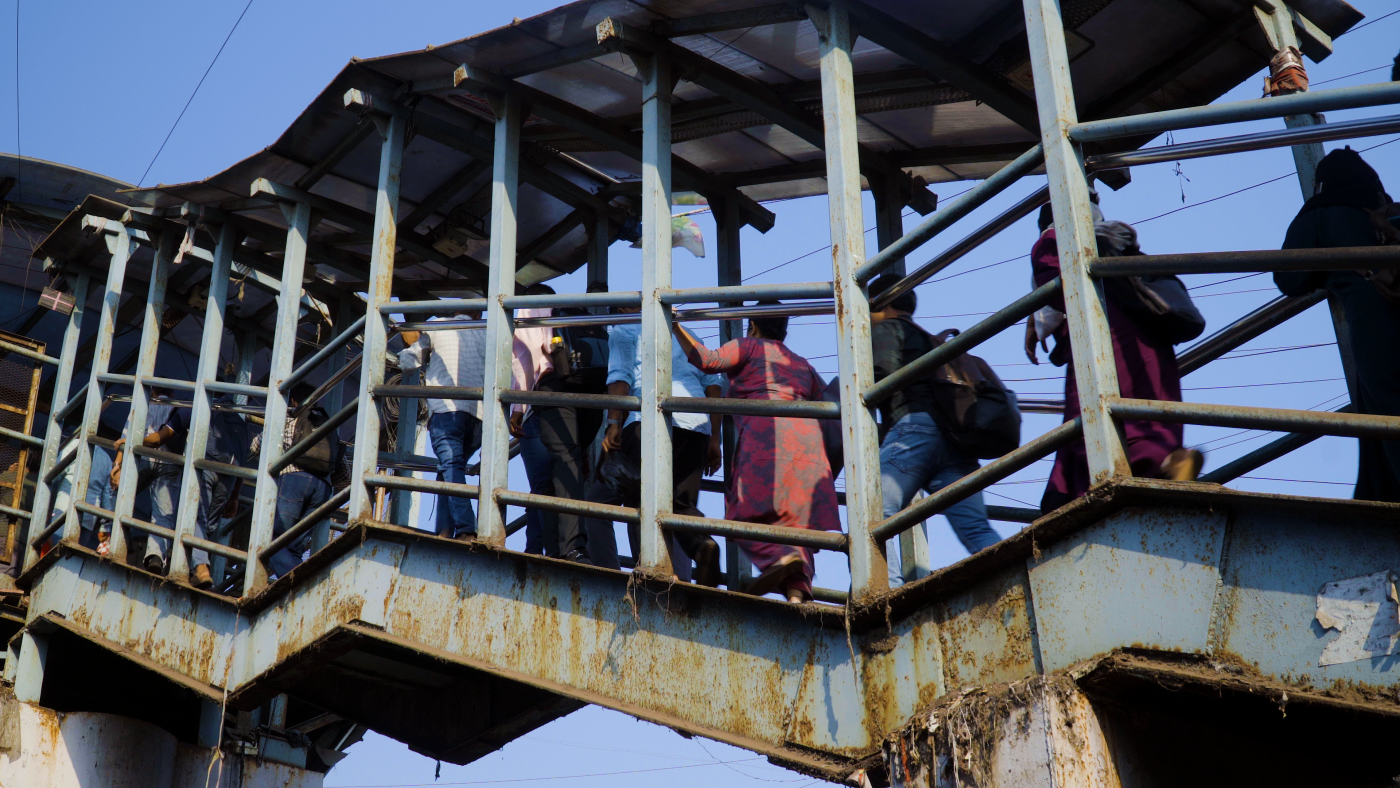
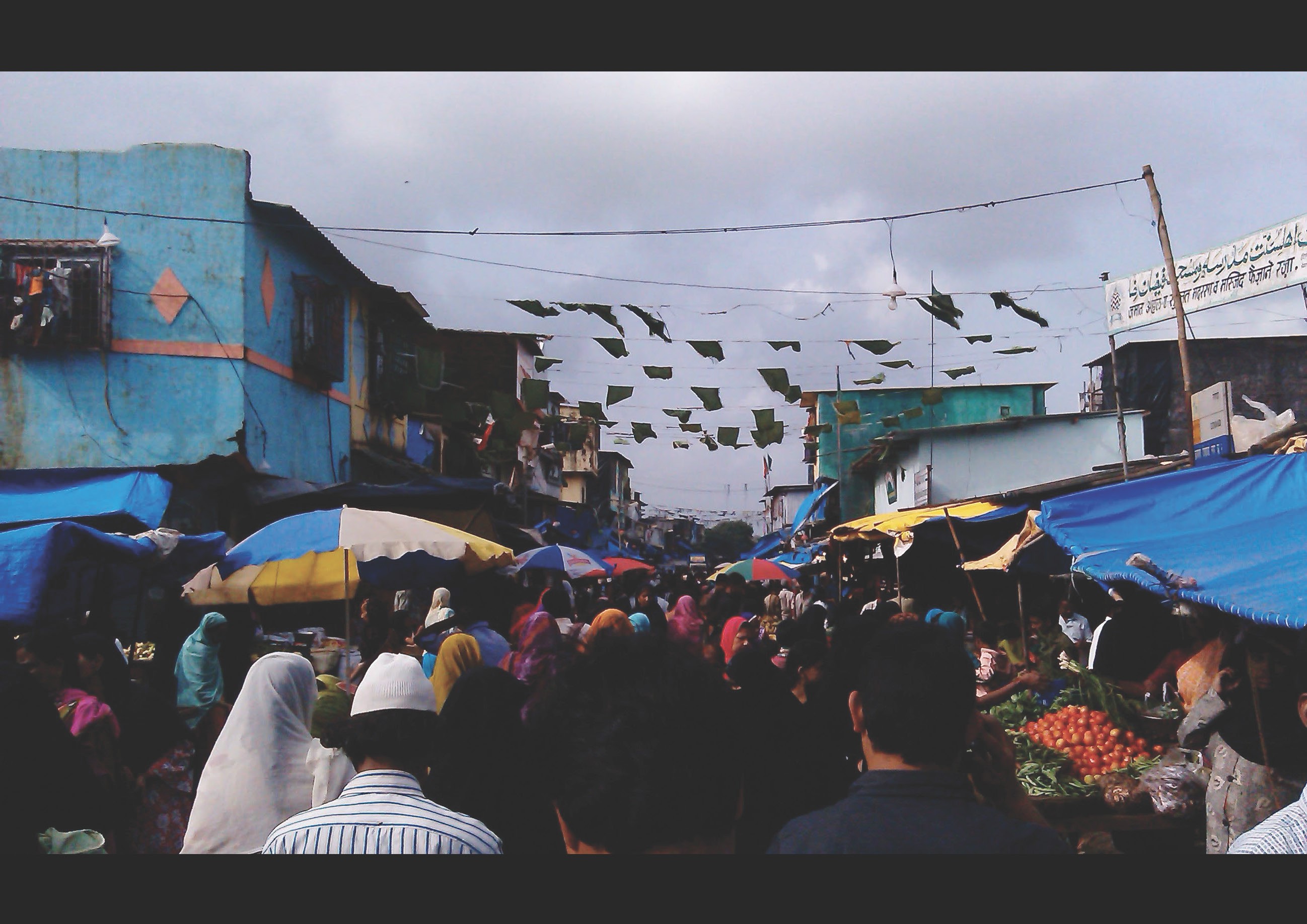
Walking to Mahim Station one morning, I hoped to capture the lively awakenings along the main street and the growing intensity as one walked towards the station. It all leads to the area surrounding the bridge overpass leading to the station. While people are walking in all directions, stopping for breakfast or setting up their shops, a distinctive mass of office workers is racing up the narrow stairs in unison. Trying to place my tripod, within 3 seconds, a traffic jam has formed, blocking the livestock chicken truck from reaching its selling point. Quietly apologizing and bowing politely, I squeeze out of the way as fast as possible, finding a hiding place behind a street food vendor. There, I attempt to set up again, but now, though only a few steps away, the frame has totally changed. It’s crowded, overwhelmed. Zooming in closer reveals a pretty, symmetrical shot of workers moving up the stairs like busy ants. But it is no different to any shot I have seen on TV documentaries before. This overpass could be anywhere. Let’s try something else. The surrounding factories are in full swing, with workers carrying heavy loads on their heads. If I get the depth of the location, with workers pacing along it, I can show the flow of the street. But once again, the image looked… flat compared to what my eyes were seeing. Sure, the shot was well set up, but it couldn’t capture the myriad of structures that surrounded the alley and workers, removing a vibrant texture and with it the street’s character.
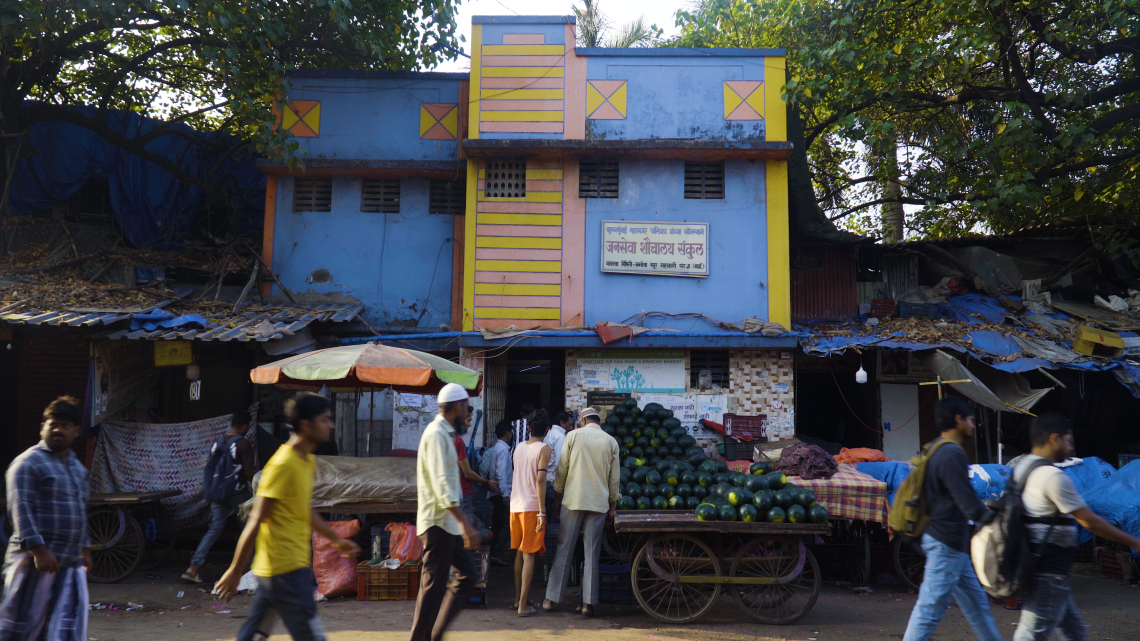
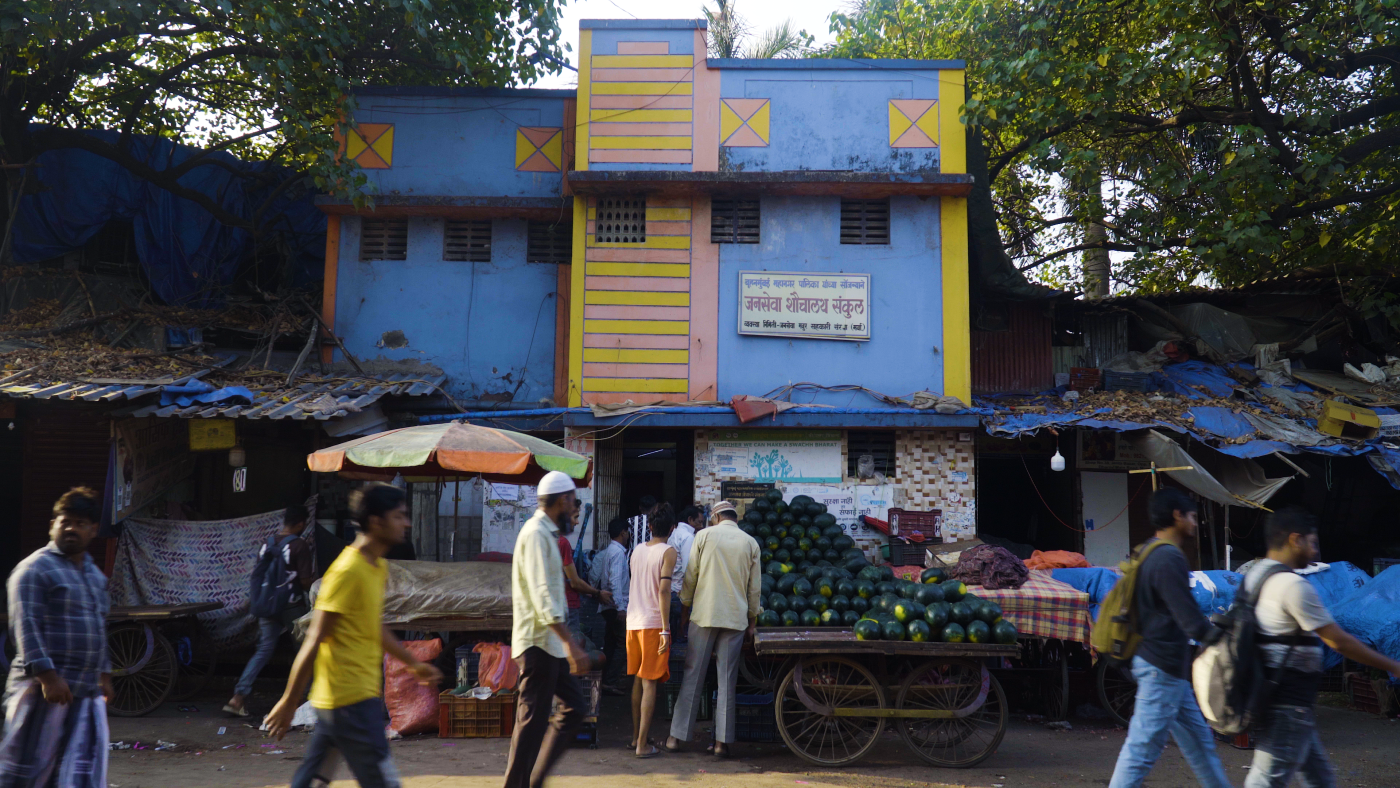
A few meters away, a group of strangers coordinated their attempt to cross the busy road without saying a word to each other. They know that if they attempt to cross together, there is a chance that cars might stop for up to 5 seconds. Just enough time to rush across to the other side. I take the GoPro out of my pocket. This is best expressed through the point of view of a person crossing the main road, I assure myself. Sharing affirmative eye contact with those around us, we take a leap of faith onto the road, spotting a scooter rider distracted by his phone and slowing down. Yet as soon as we make the first step, another driver zooms past. Feeling sympathetic, the next driver stops and lets us continue. In an instant, his sympathetic pause triggers a wave of impatient honking, creating a deafening, unstoppable symphony. With the adrenaline of crossing safely, the disorienting symphony behind, I finally smile to myself, this time I got it. But when reviewing the clip, it was 3 seconds long. Nothing, compared to the details I had needed to portray my experience.
On the other side, a polluted canal awaited. With an unbearable burning smell, in the white early-morning sun, I could already see the image waiting for me. The polluted canal and hundreds of homes stacked on top of each other, blaring the headline everyone expects. “Dharavi, Asia’s Biggest Slum” legitimized in one frame. Unwilling to get the same image so many have used to tag Dharavi as a place to be demolished, I pack my camera and walk away.
As the days passed, I realised the busy streets and limited time to set up shots were not to blame. While interviewing Ashok Kumar in his office, all I could get through the camera was either a medium ‘clean’ shot eliminating any details of personality, memories, and layered textures that were displayed all around him, or a wider shot which would be deemed ‘messy’ and unprofessional by any filmmaker with my experience. It took so long trying to frame him in such a way as to see the mural of his late father framed behind him that he and Bharat managed to finish their hot lemon tea before I gave up on getting the perfect shot.
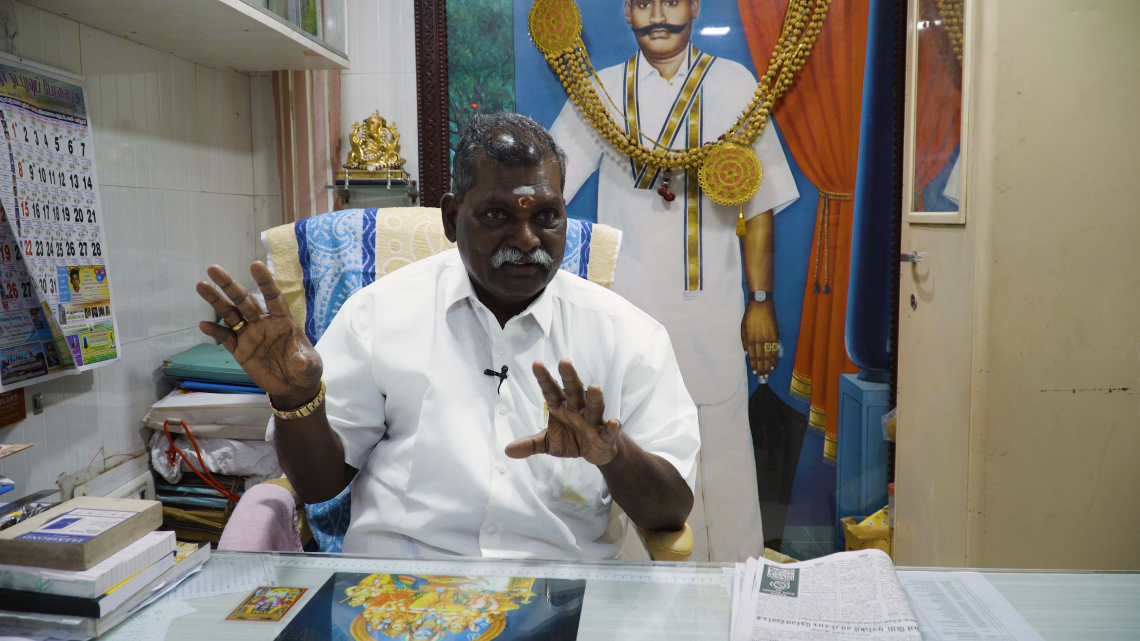
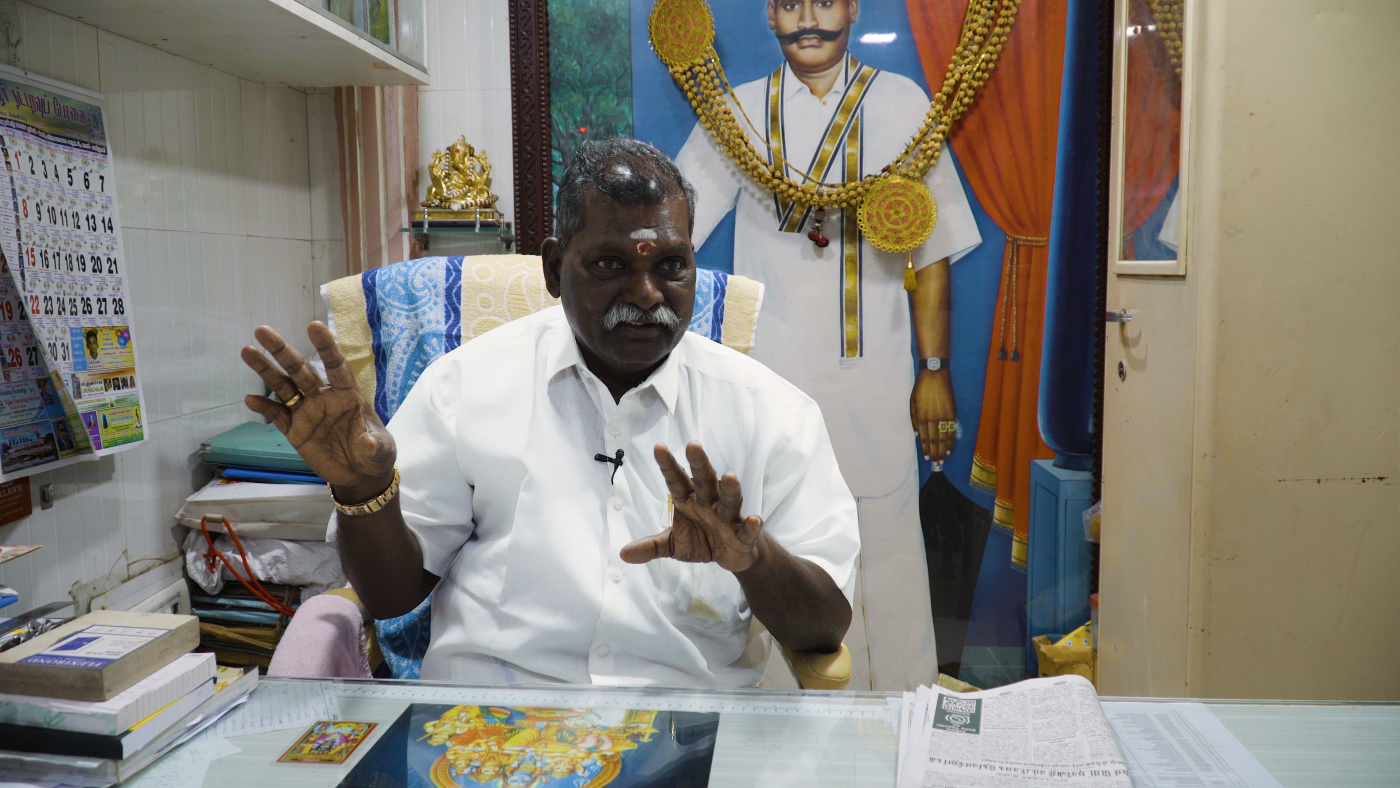
Isolating the person in front of us from his surrounding background to get a well-framed shot felt reductive, almost hostile. Throughout the whole interview, I felt guilty. Ashok Kumar was sharing his personal insights from a life spent living and working in Dharavi. Sharp as an arrow, he spoke of craft, culture, and urban redevelopment as if reading words out of a bestselling book. But with every sentence, I grew more concerned that the frame reduced it all to an image of a man sitting in a cluttered office in the context of a slum. I was actively removing the things that made him who he is, the things that gave texture to his words.
For 10 years, the camera helped me make sense of the world, organize it, frame it, communicate it. But in Dharavi, I came to see how the rectangular frame actively omits reality, simplifying the surrounding information into a standardized viewpoint. The problem isn’t that Dharavi is hard to capture. It’s that the accepted approach and process I specialize in is built to exclude details that matter before pressing record. The problem was my own professional competence. At that moment, it didn’t feel so different from the logic of planners and real estate speculators I had been hearing about who planned to redevelop Dharavi. Removing context, lived environments, and people’s aspirations to create an idealized image that fits within our existing frame.
Accepting this didn’t immediately offer an alternative, yet it pushed me to reflect on what ‘Form Follows Process’ means in practice. During my month-long residency at urbz in Dharavi, I kept encountering a way of working that was difficult to measure. Every day, progress was made, but there were no clearly defined outputs or images to evaluate. Rather, there were various ongoing conversations about each project or writing piece. There were craftsmen, contractors, and local acquaintances walking in at any time. Shared meals, site visits, gossip checks, and small, incremental decisions. All made with the people involved based on new information or availability.
What I had understood as “process” in my own work was still directed toward producing a defined result like a film, video, or social media reel. To me, a filmmaker, the variants were length, genre, or impact objectives. Once those were decided upon, production could begin. It was about finding the right story to tell that fits the criteria, rather than how to tell the stories. In Dharavi, the process resisted the urge to conclude with the predetermined.
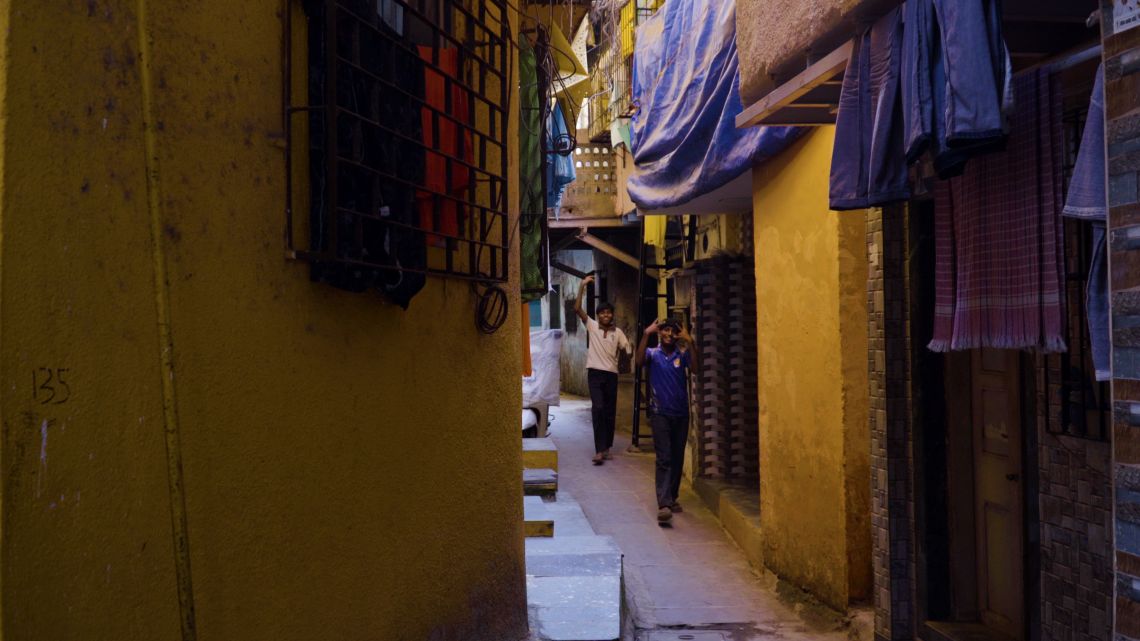
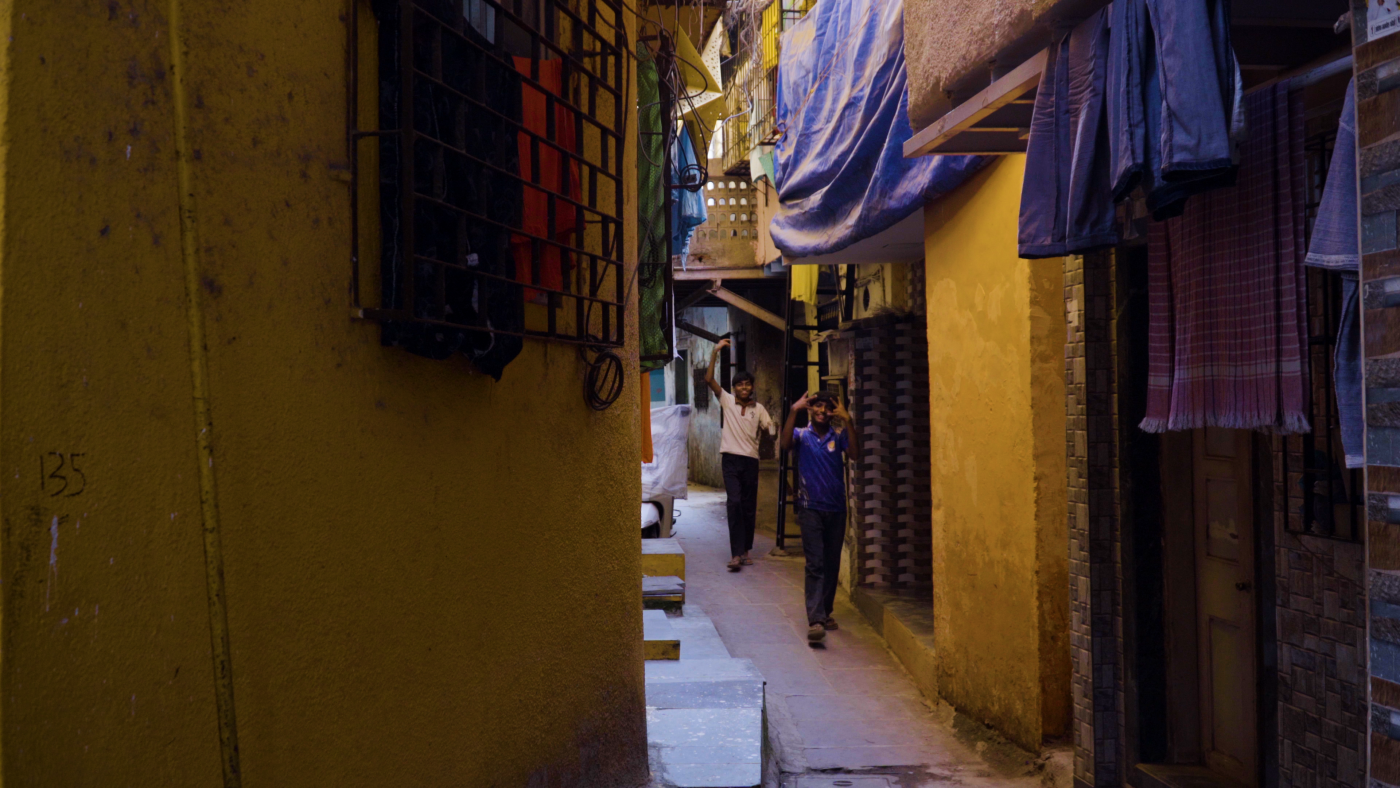
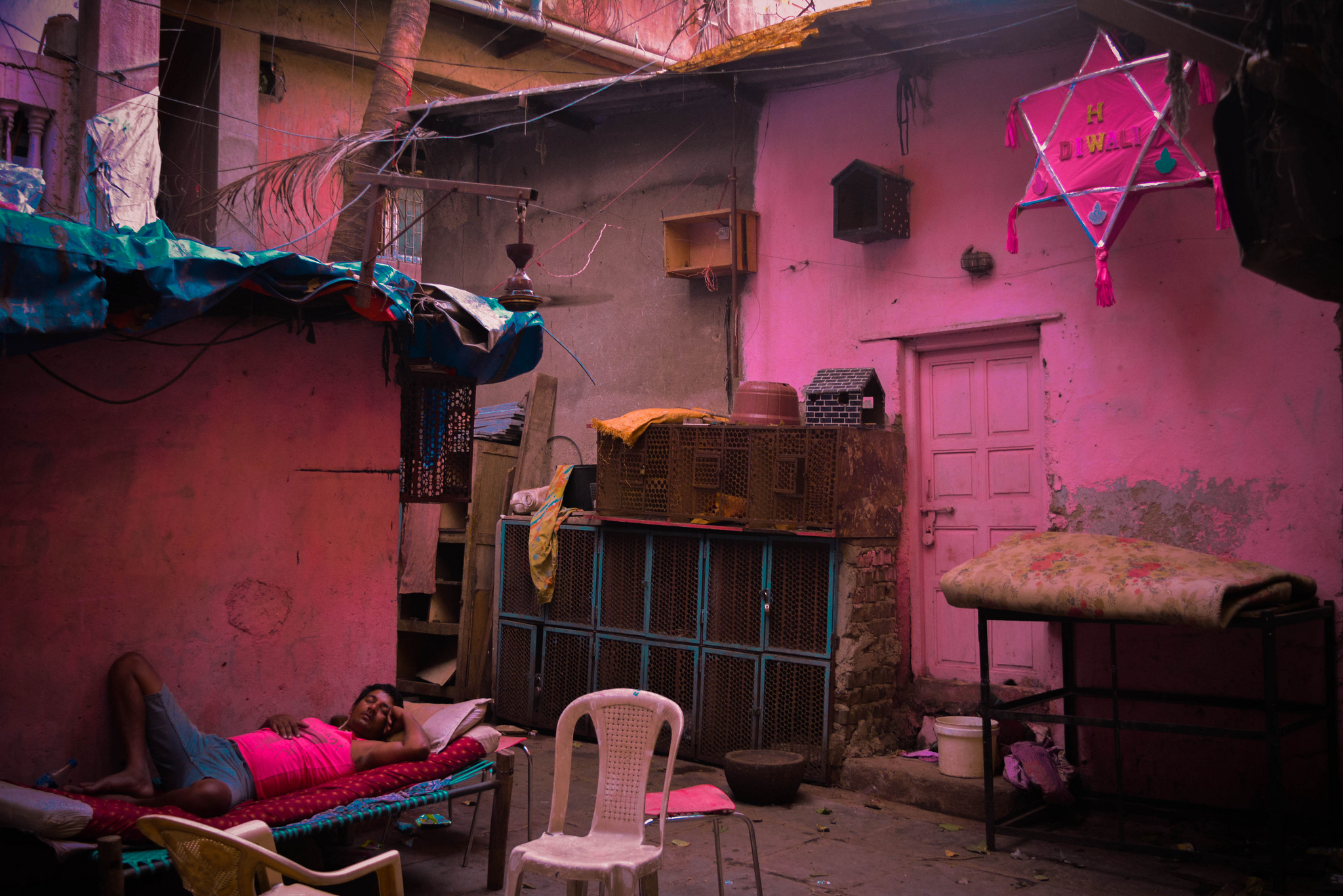
On the last day in Dharavi, I was standing in an alley leading to a square filled with colour and personal artifacts decorating the scene in all directions. With a light, warm breeze creating gentle waves of the colourful laundry hung along the balconies, it was a moment of peace, too good to be true. But once again, my camera’s frame was too crowded, and the iPhone’s too generic. Like any other day venturing into the alleys, a group of teenagers noticed the camera and introduced themselves politely. A beautiful moment in real life, but one which cannot be used if I were to follow a professional filmmaking approach, cannot be captured by a frame, even when edited together.
As I was walking back to the office, face still smiling from the encounter but with a noisy mind, frustrated by yet another moment that could not be included, a thought came to my mind. What if a different camera sensor could be created? One that could be stretched and bent beyond a fixed rectangle, adjusting the frame to what’s around it, rather than one that needs me to isolate fragments of the surroundings. Perhaps it wouldn’t be a single camera at all, but many. Passed between hands, shifting perspectives, accumulating realities rather than framing them. A method that required a different role for the person holding the camera. Less author and more insider. Dharavi is so vast, with people working and living on multiple levels. There is absolutely no way a single point of view could capture moments unfolding in real time.
But although there is no doubt it’s possible, especially in Dharavi, such a process moves on a human-timeframe, and I have seen what happens when time runs out. While documenting Euljiro, a neighborhood in Seoul, before its demolition, I watched how quickly a place can disappear. Dharavi does not exist outside of that reality. If this kind of collective approach takes time, it is unfolding alongside forces that do not wait.
From the outside, Dharavi has been reduced to a single image. To me, standing within it, nothing settles into a frame.
People involved
Related articles
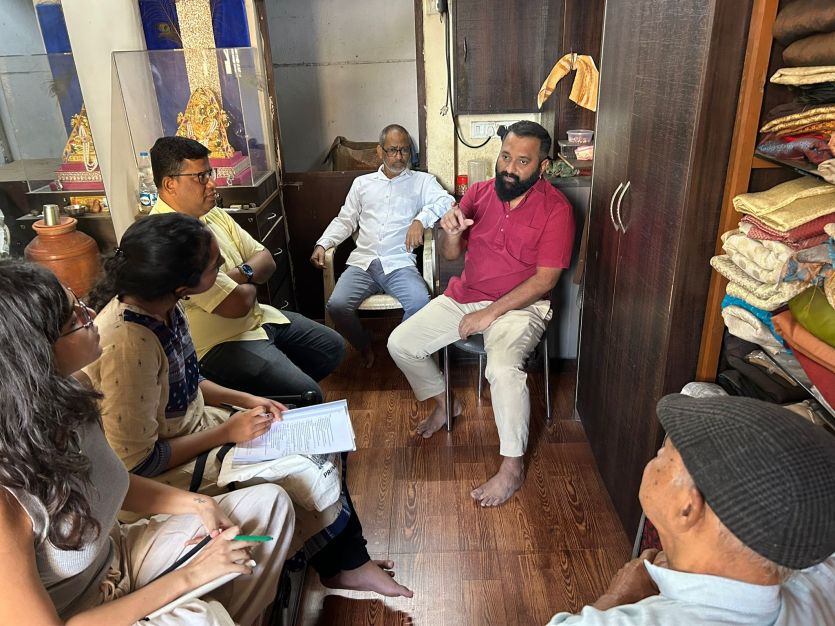
The announcement of the Dharavi Redevelopment Project brings unanswered questions with it. To gain insight into the housing rehabilitation process, we spoke to Suryakant and Mohammed, whose homes were rehabilitated by the Slum Rehabilitation Authority (SRA) some years ago.



Streets, typically seen as the arteries of daily hustle, transform into a public stage during ceremonial processions where tradition and resistance are celebrated in unison. For communities of Dharavi, these processions denote a larger familial solidarity highlighting the struggles of urban life against the erasure of culture during calls for redevelopment. A declaration of presence that co-opts the neighbourhood, these processions also signify moments of resistance towards urbanisation-induced alienation in urban spaces.


Pushpa has been living in Dharavi since she was born. Our day starts with her bright smile as she sells pulses right outside the urbz office. We recently had a little chat with her.
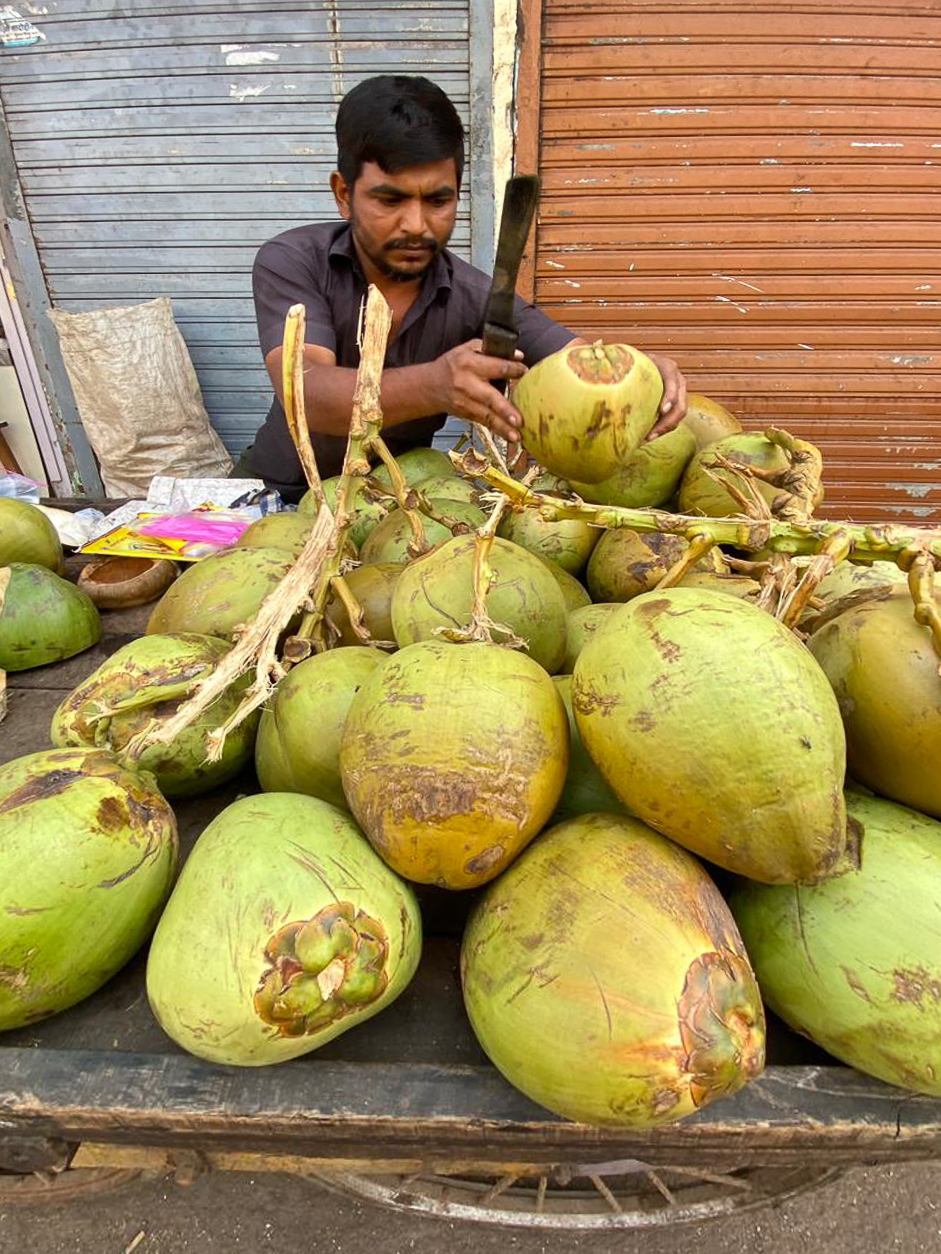
As the title suggests, Life Got Better with Coconuts for Kausar Shaikh. He came to Mumbai 15 years ago, leaving his family farm in Jharkhand, because he was not keen on agriculture and was seeking a different path. Seeing other migrants from his region successfully start small businesses gave him the confidence to leave years of unstable work in Mumbai behind and become a thriving coconut vendor in Dharavi.
While residents may live here and work elsewhere, this neighbourhood also shows a high level of its own economic activities.




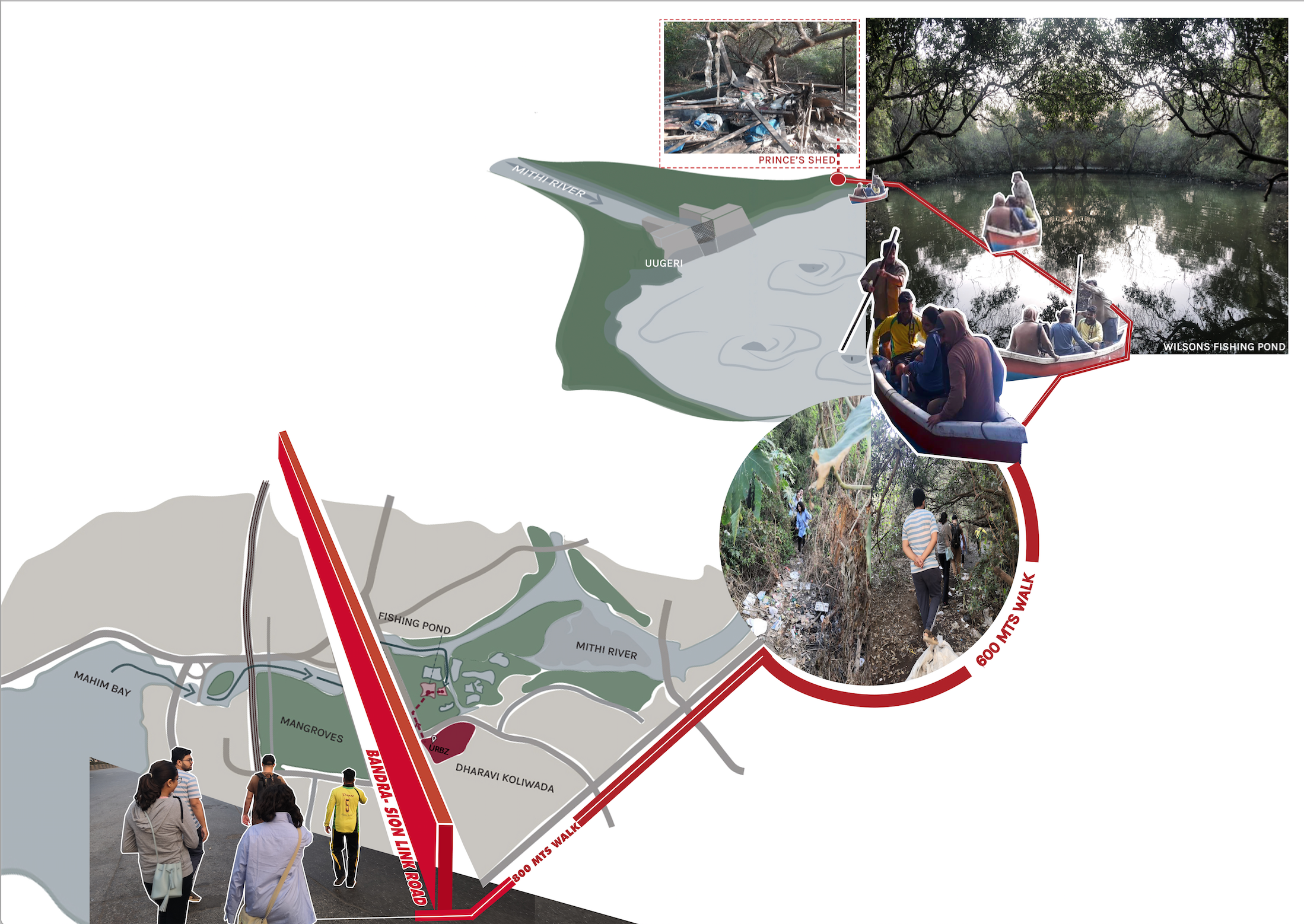
Over the last few months, we at urbz have been talking about interventions to engage with the ecological and economic aspects of the mangroves. So we went on an expedition to explore the mangroves near Dharavi.



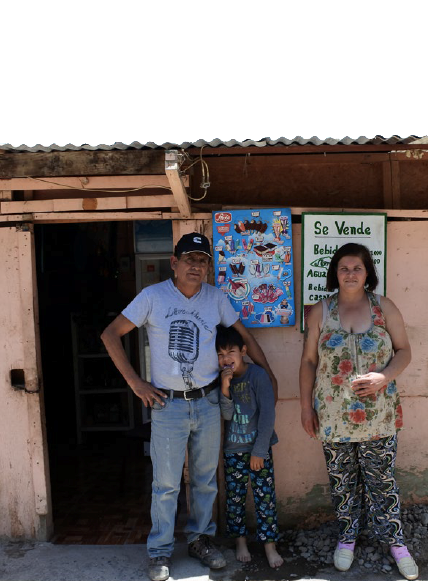
In this article, we situate ourselves in Chile and examine homegrown neighbourhoods in various terrains.

