What Comes Next for Jantu Bai Niwas?
Authors
Authors
What Comes Next for Jantu Bai Niwas?
Authors
Authors
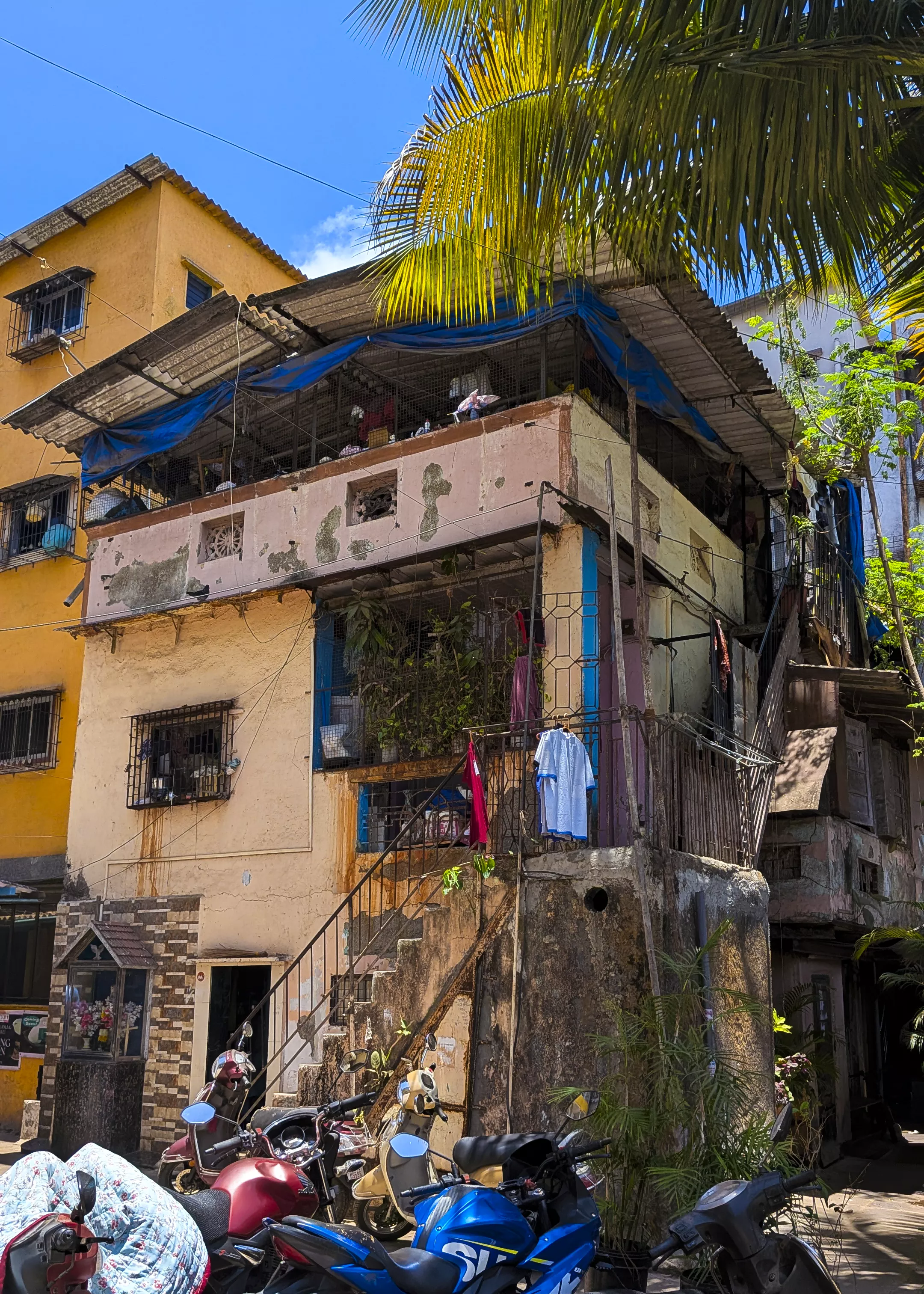
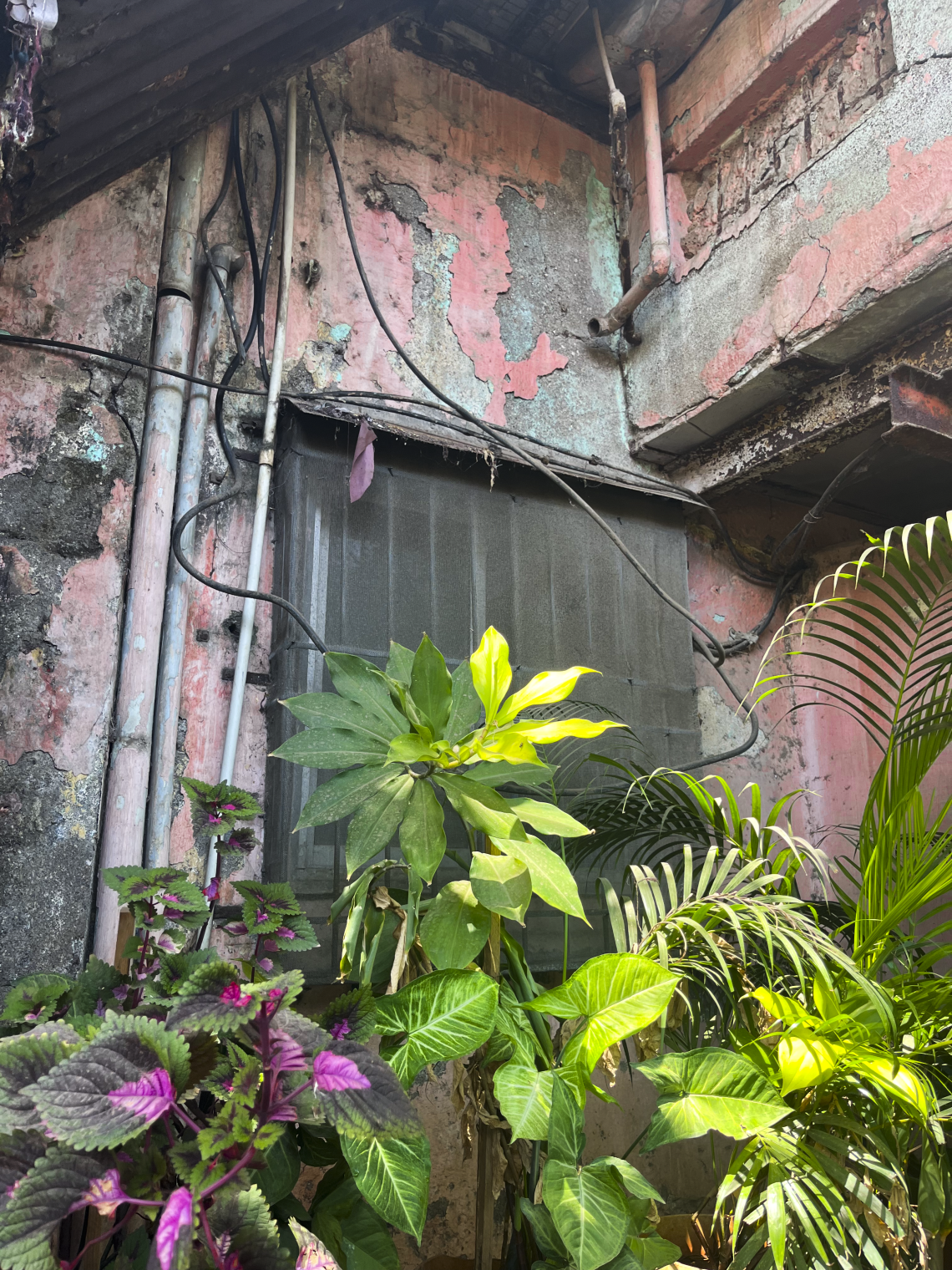
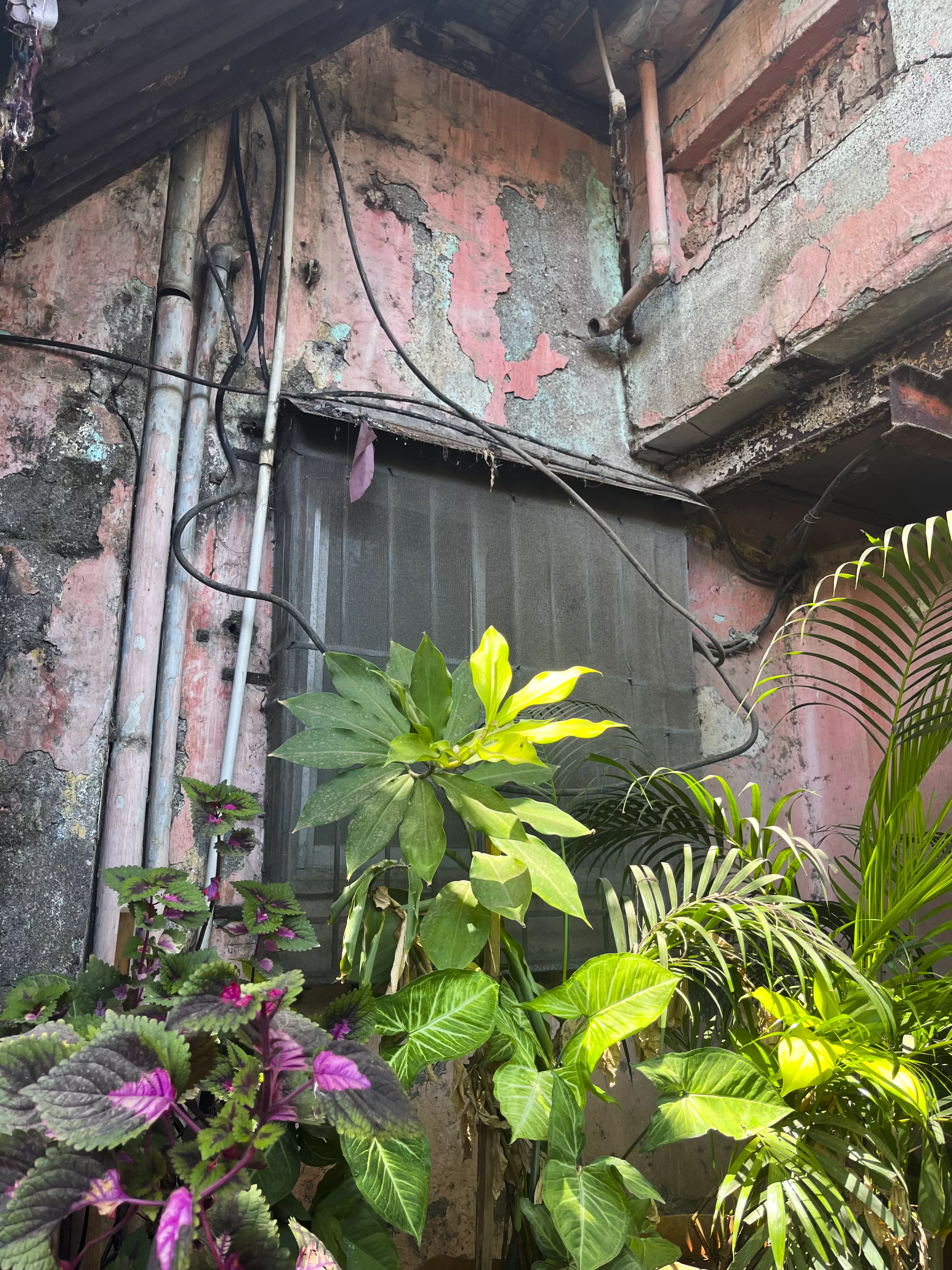
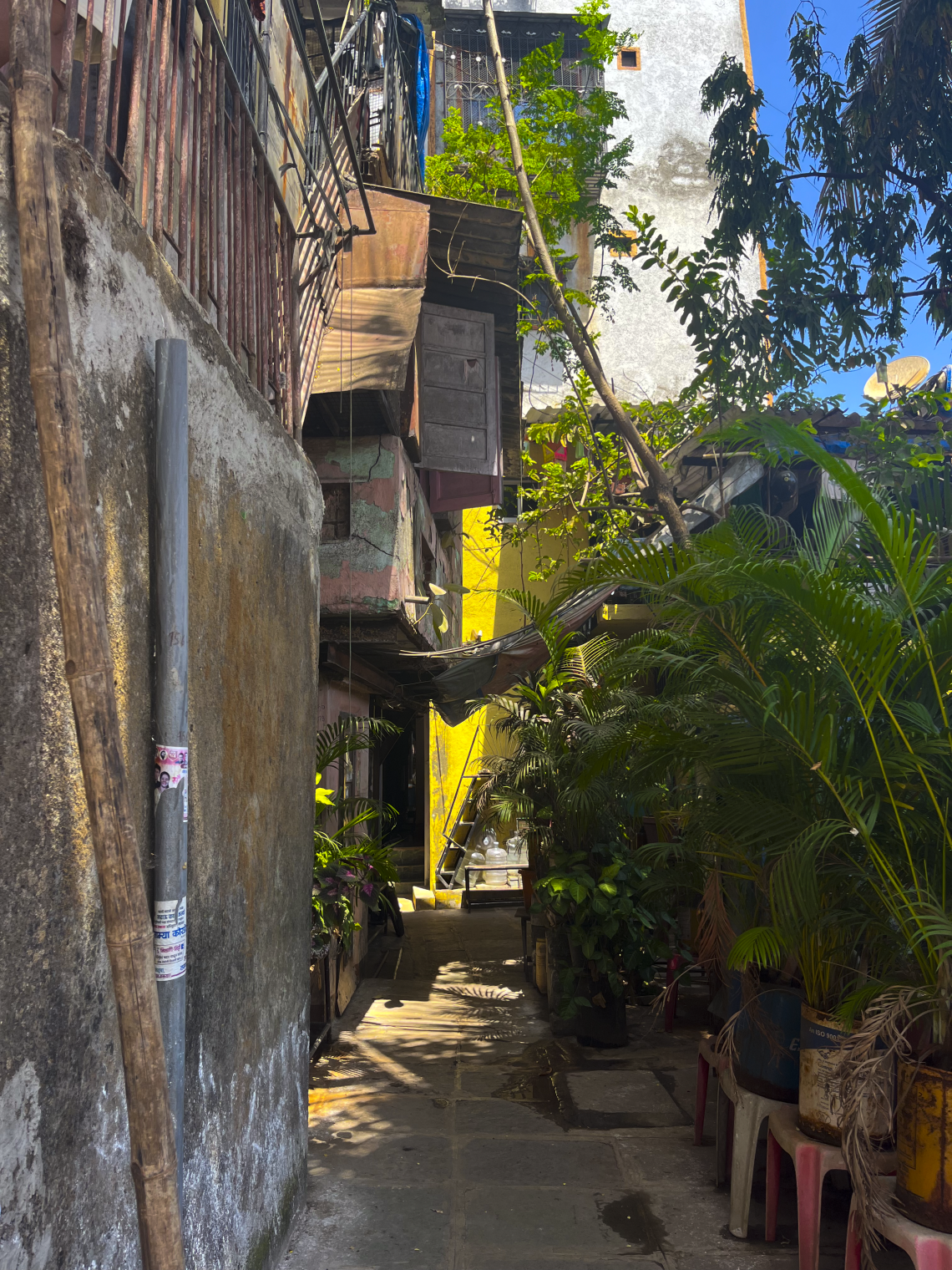
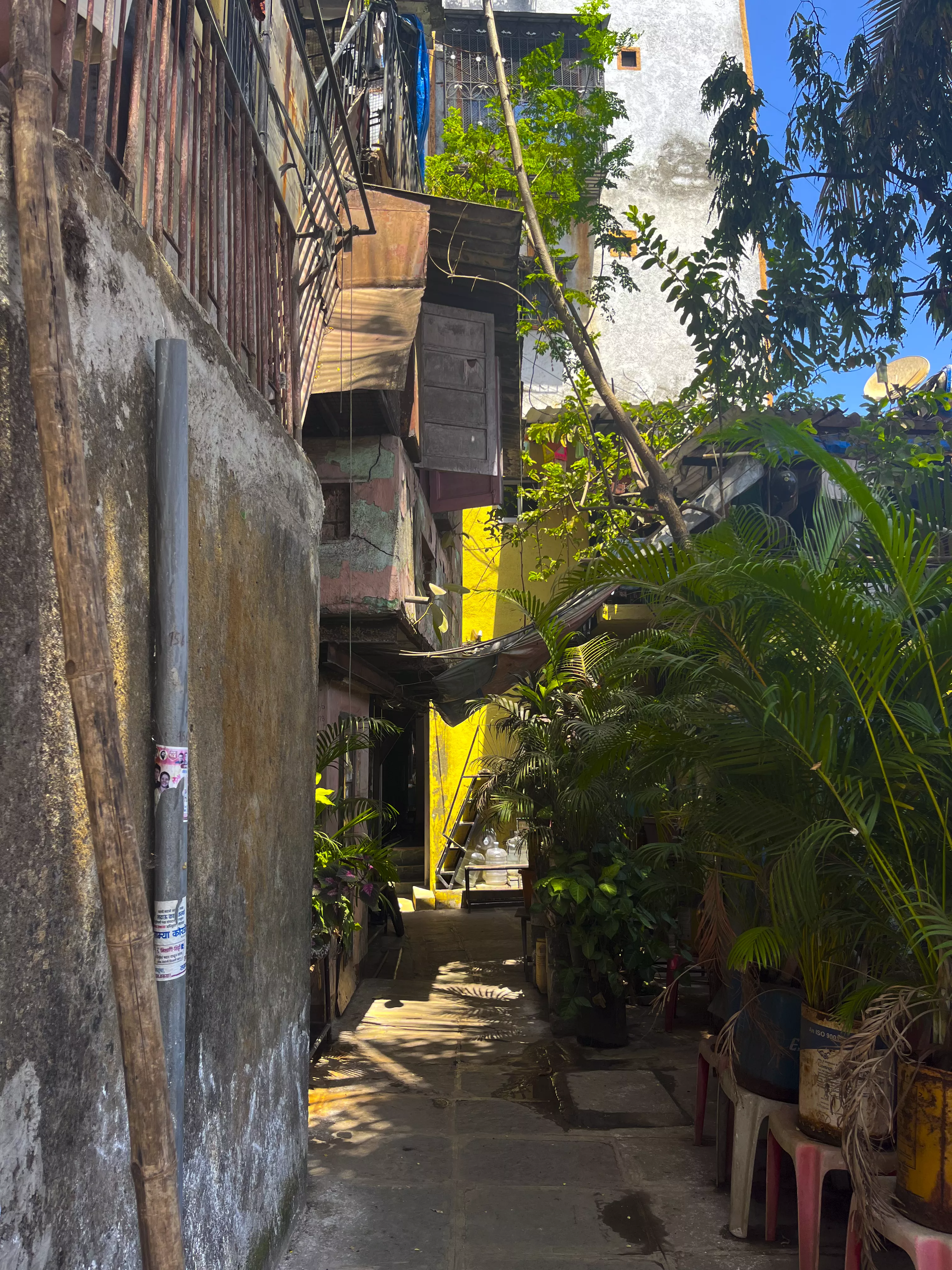
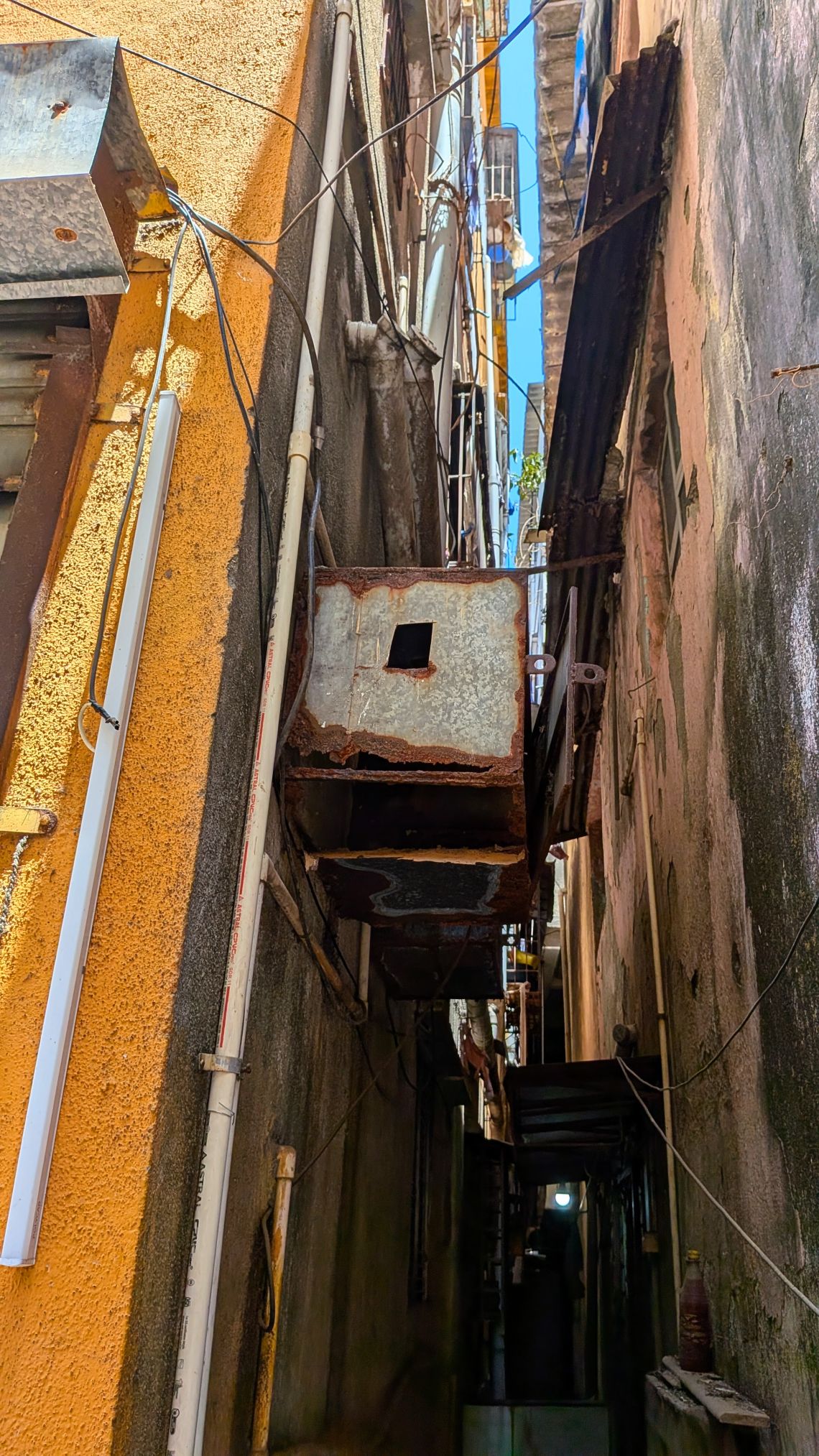
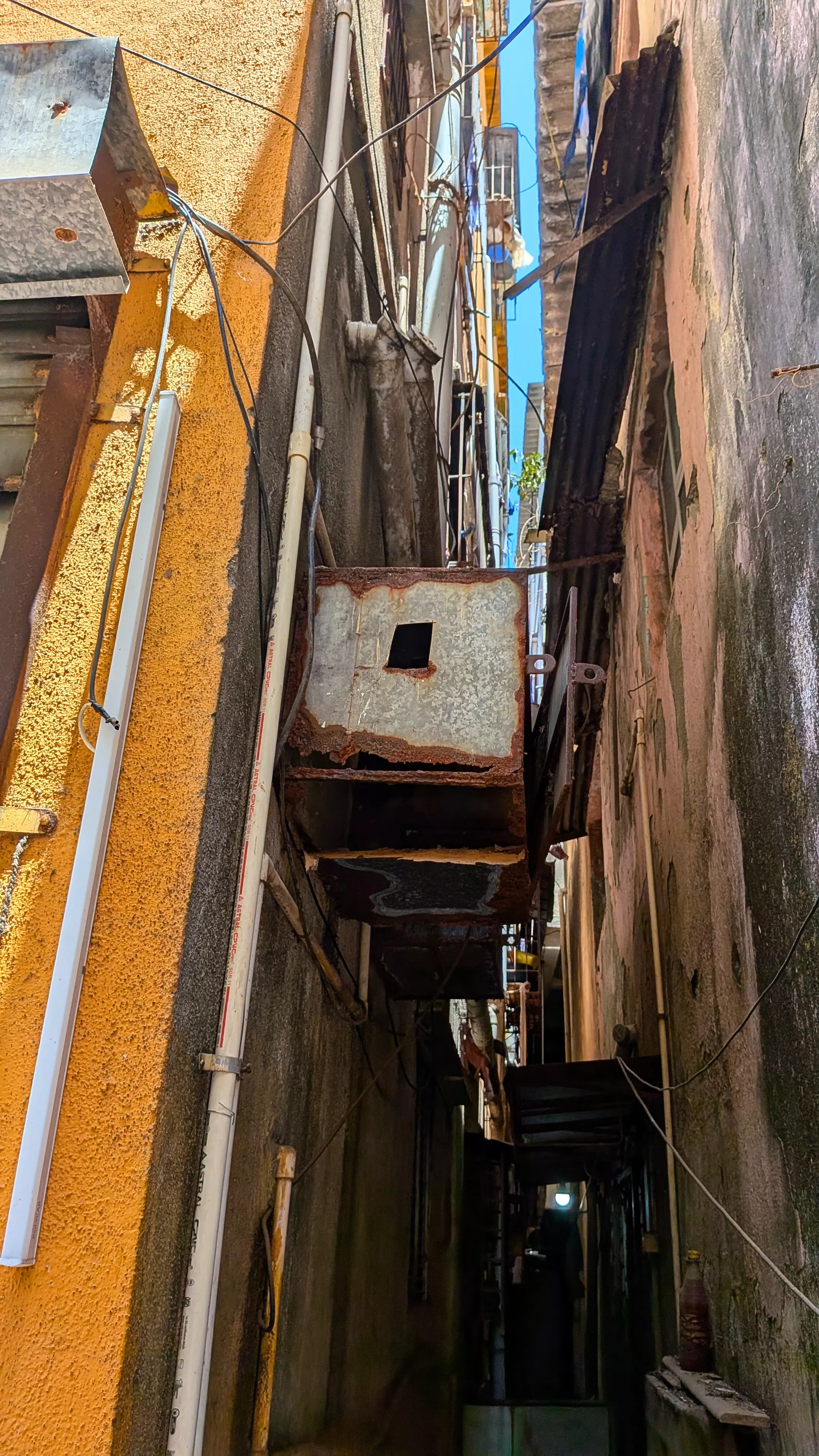
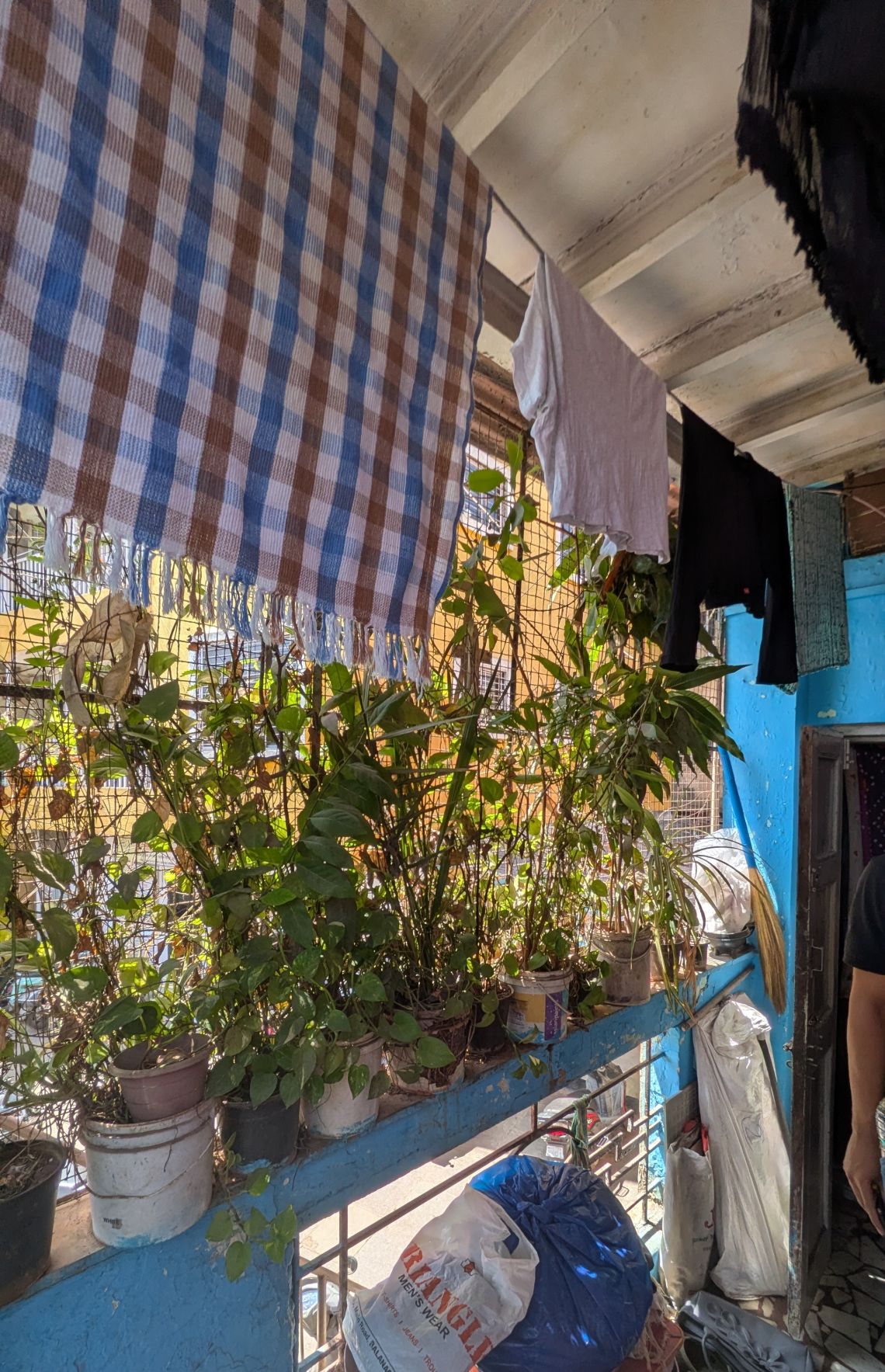
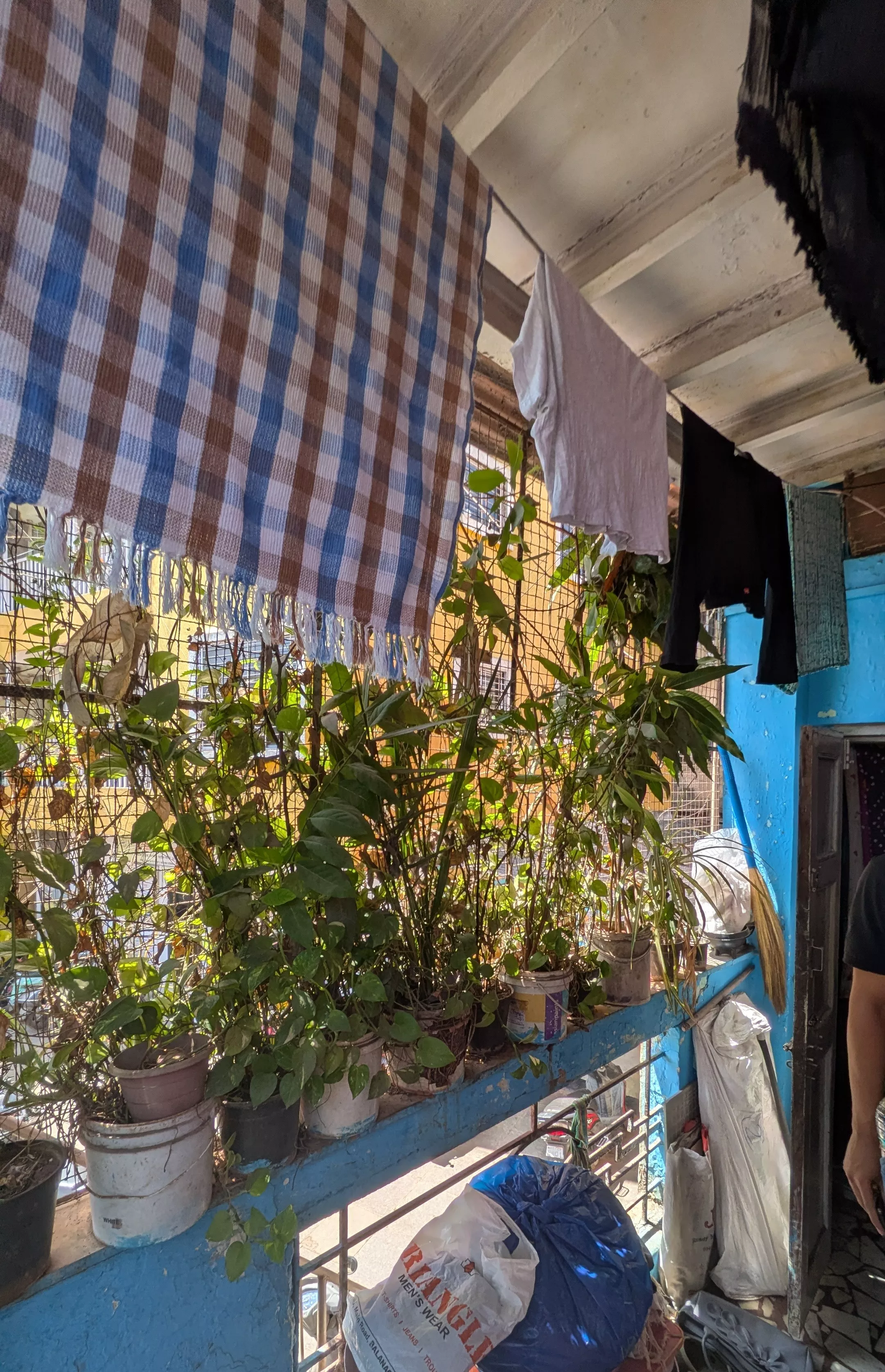
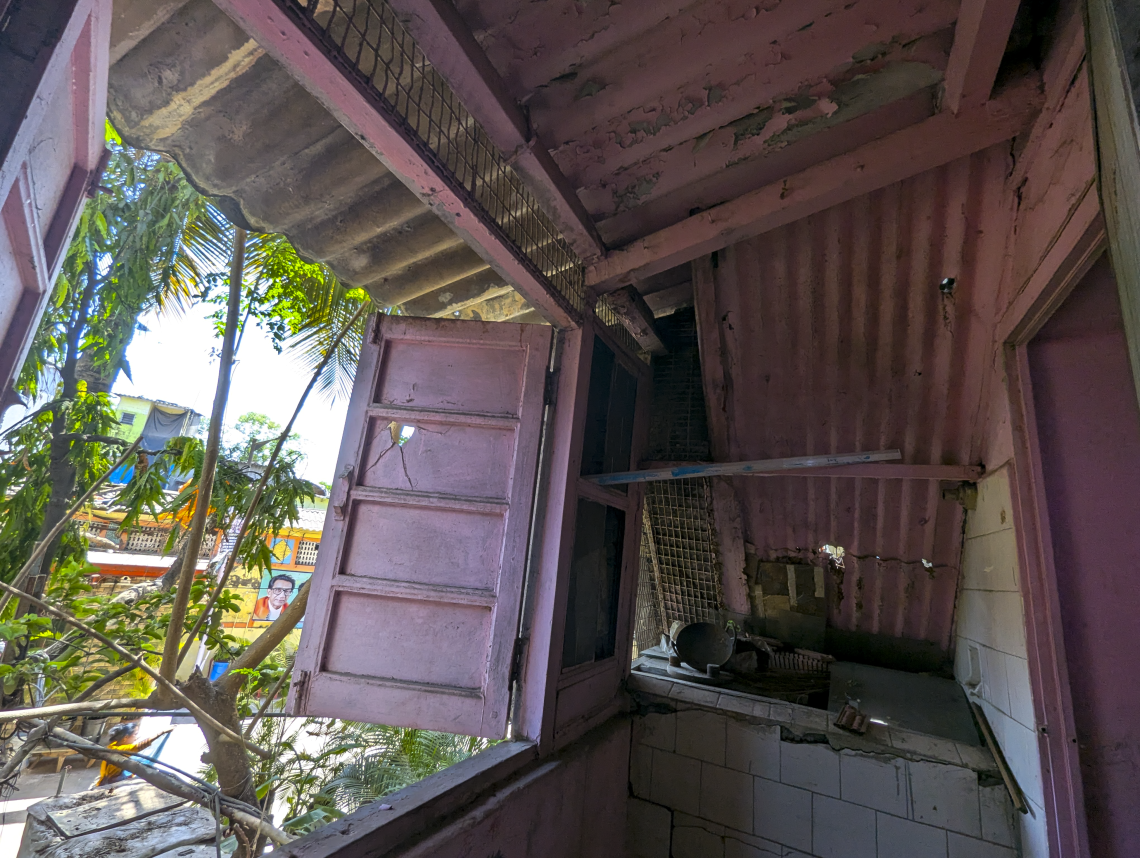
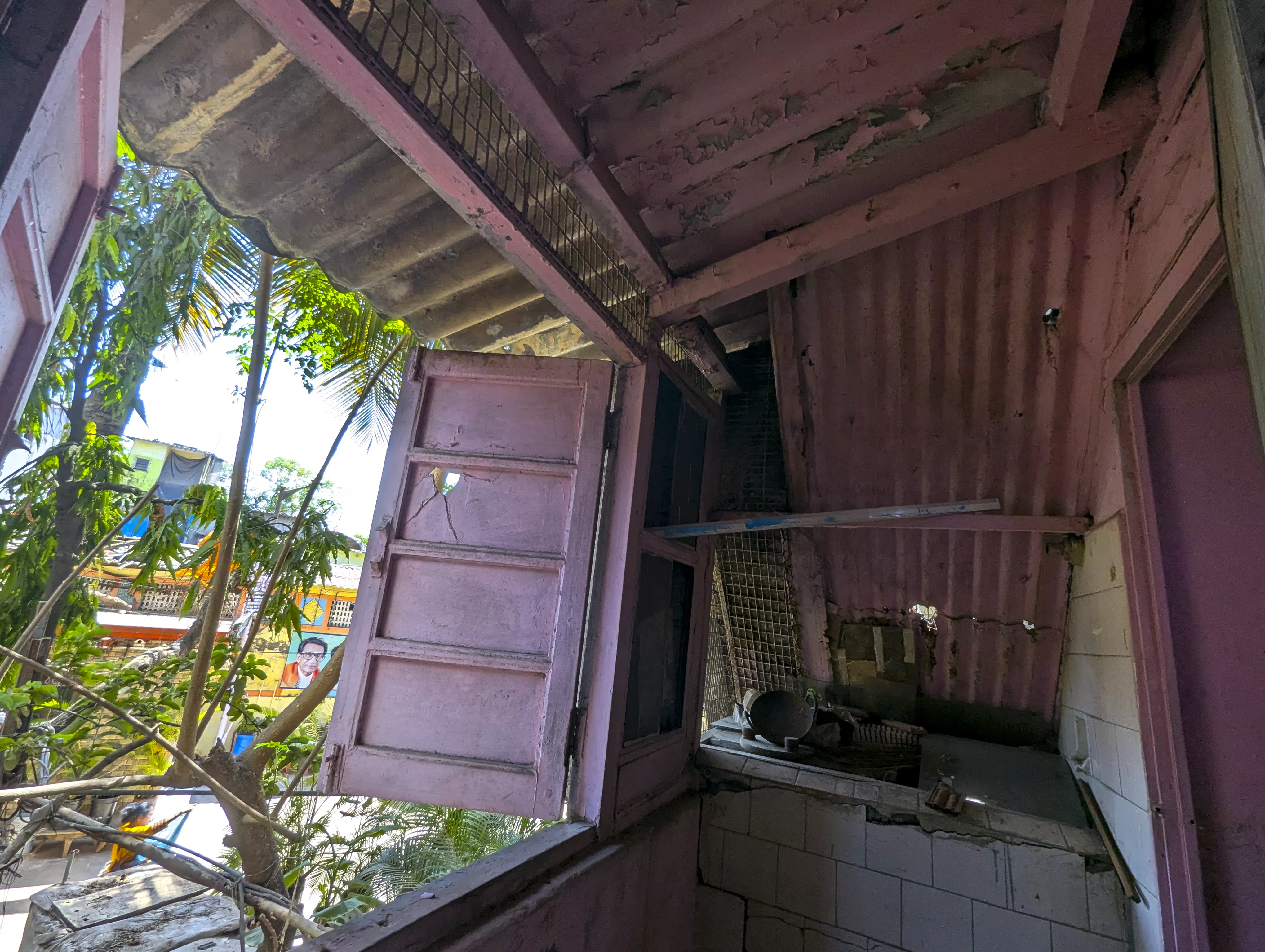
You can tell Jantu Bai Niwas is getting old before anyone tells you. Cracks run across the walls, rust stains mark the exterior, and years of repairs have left their traces on the building. These marks are not just signs of ageing but of a building that has been lived in, adapted, and cared for over decades. Neighbours stop to exchange greetings, plants spill out from windows that double as storage spaces, and families go about their daily routines.
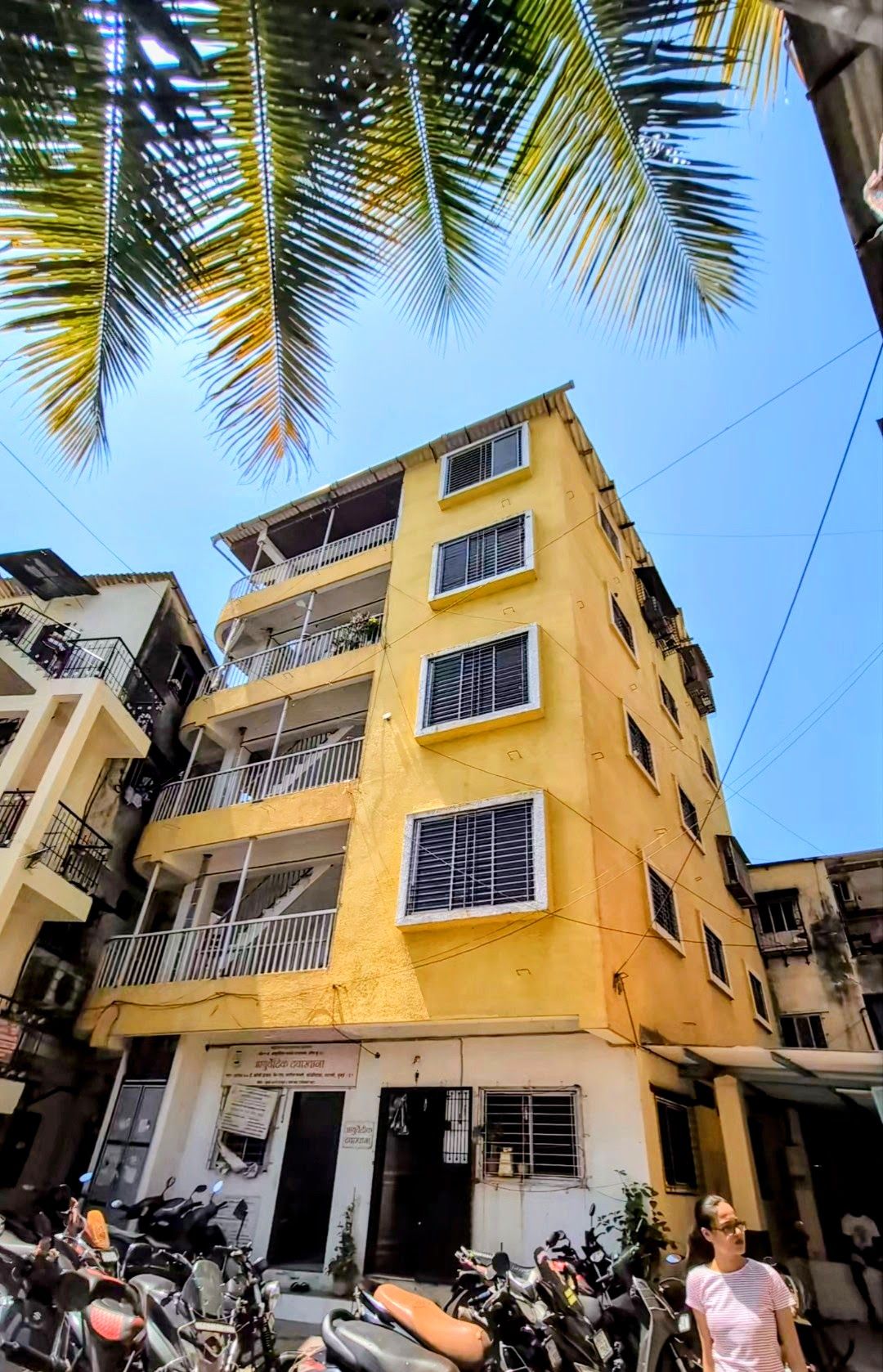
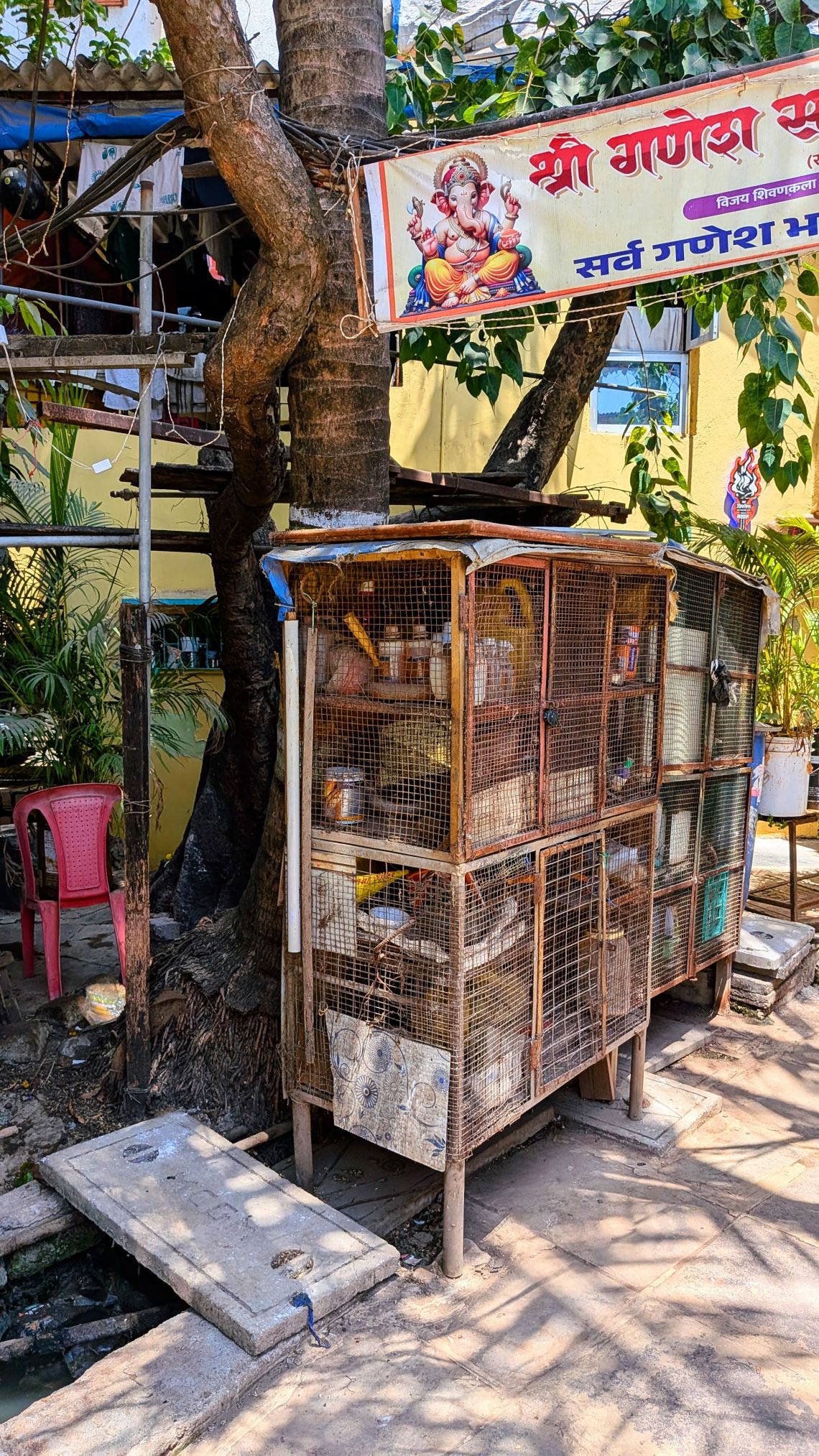
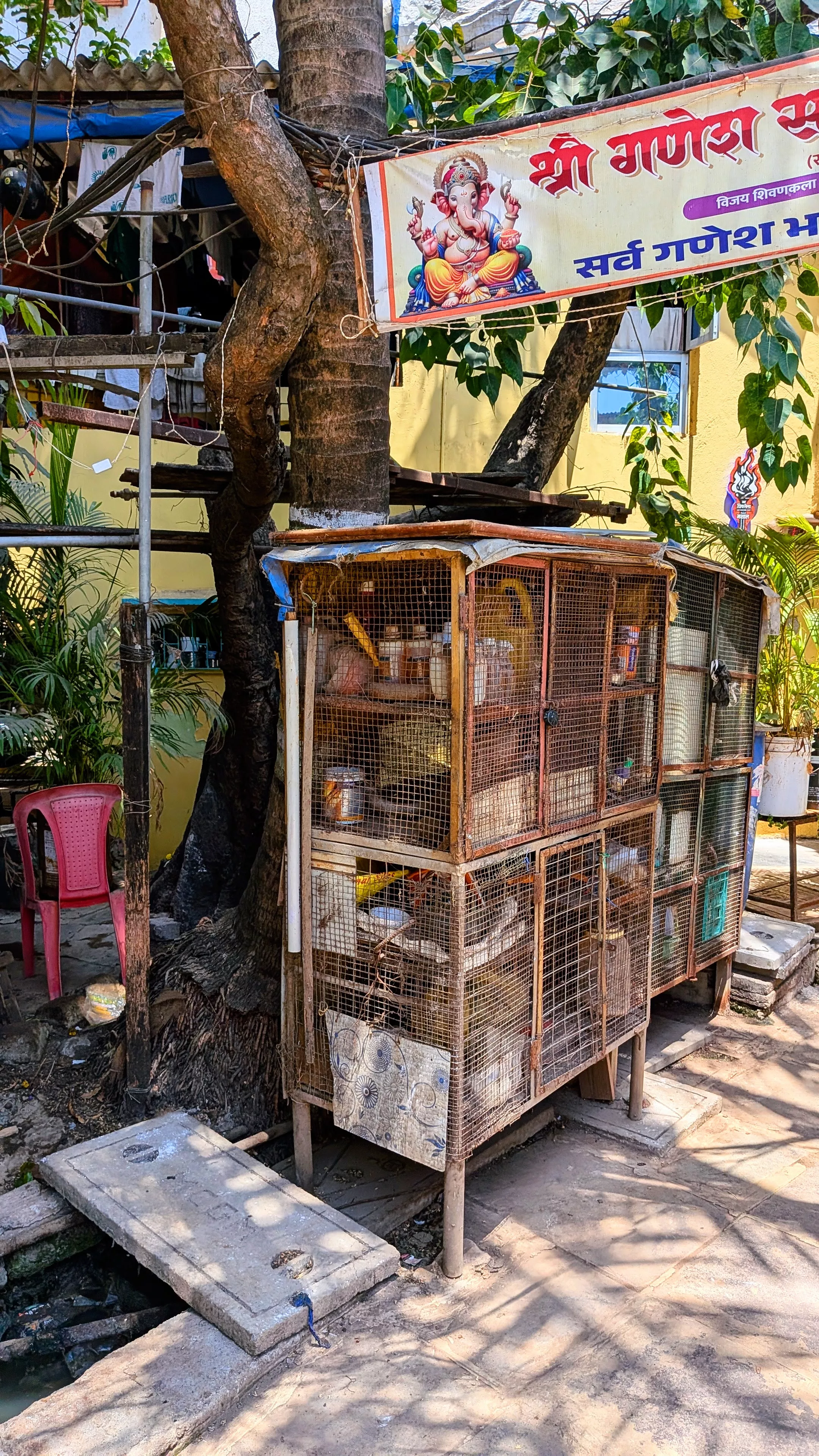
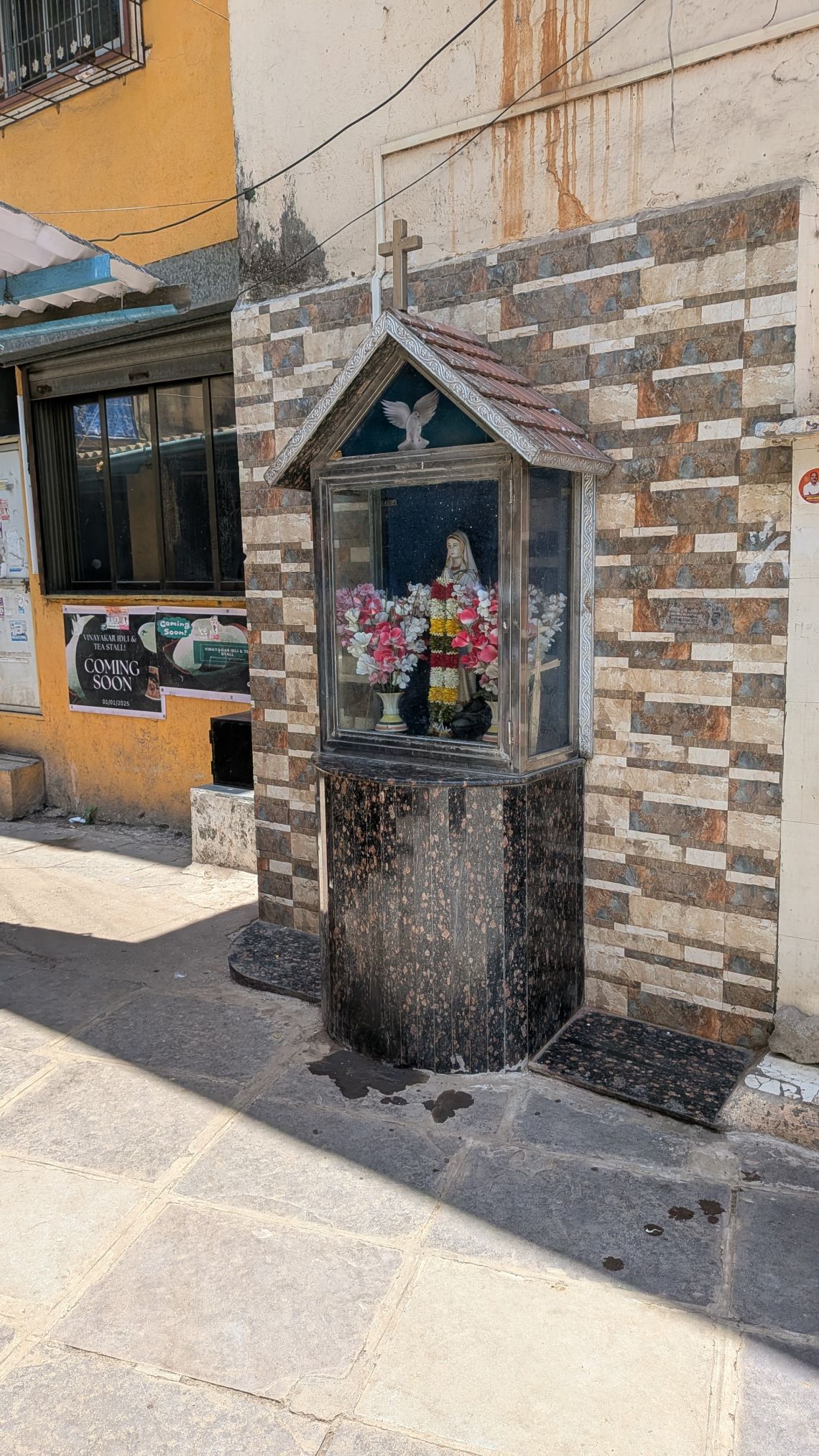
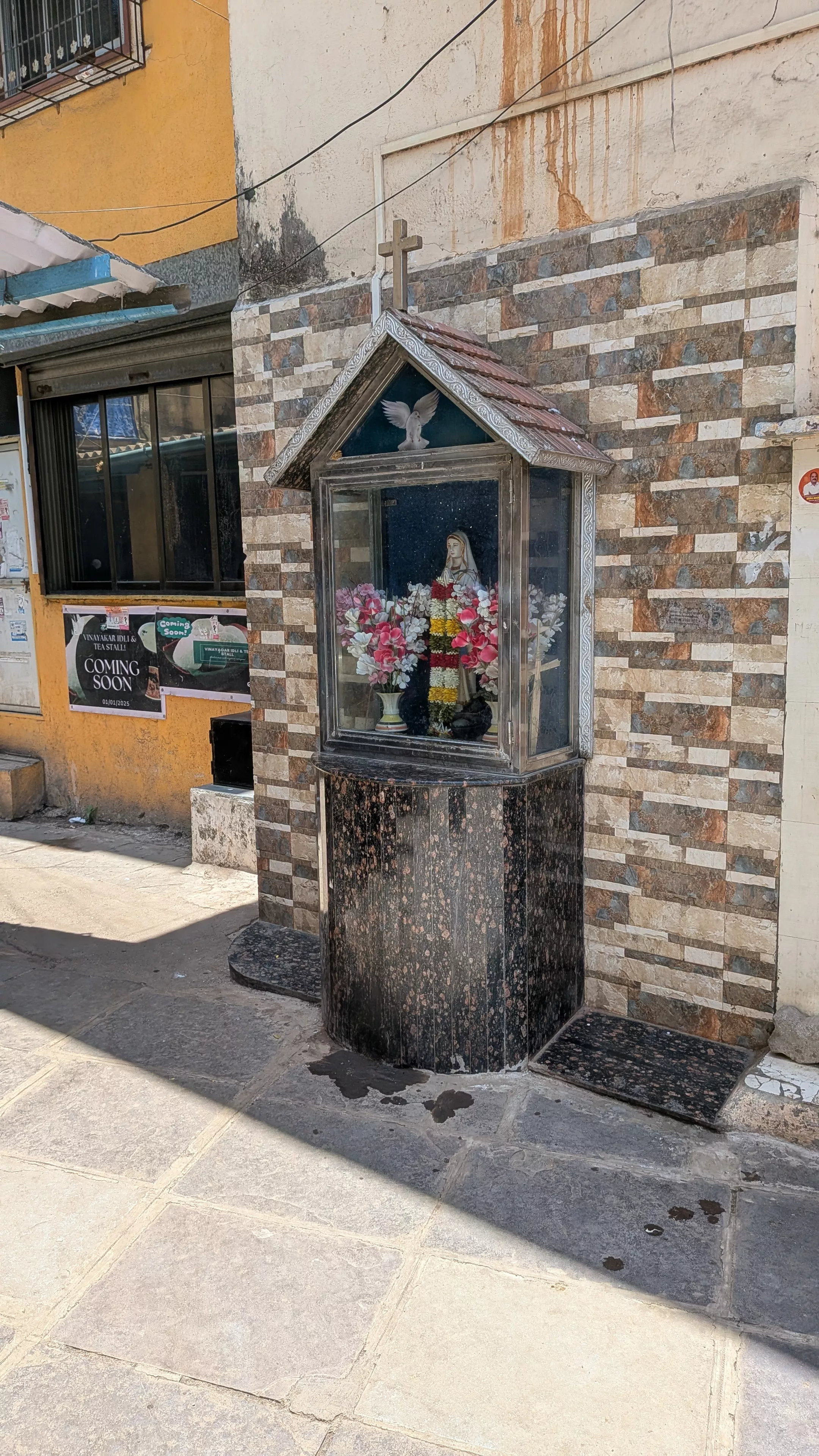
Soon, the building will enter a new chapter. The area around Jantu Bai Niwas offers small glimpses into the many layers of life that shape Koliwada today. Beside it stands the bright yellow building, i.e.‘Lajru Pajru Chawl’, a redevelopment project completed by urbz several years ago. Nearby, children play in shared open spaces, bikes gather at the porch lined with plants, and residents move through familiar daily routines. A seabed rock worshipped by the Koli community and a small shrine attached to the building itself reflect the importance of faith, tradition and history within the neighbourhood.
Like many older structures in Dharavi Koliwada, Jantu Bai Niwas has evolved gradually over time, adapting to changing families, livelihoods, and everyday needs. Today, as the building approaches redevelopment, it stands at a moment of transition. Rather than being imposed from outside, the idea of redevelopment was discussed and agreed upon by residents, many of whom recognised the challenges of living in an ageing structure. The questions surrounding its future extend beyond construction itself and touch on how existing social relationships, routines, and ways of living might continue within a new built form.
While redevelopment projects are often discussed through plans, timelines, and buildings, an equally important part of the process is understanding the people who will eventually live in those spaces. Through conversations with residents, urbz seeks to understand their needs, concerns, and aspirations so that the redevelopment benefits the community it is intended to serve. While the redevelopment will result in a new building, residents hold different expectations about what that transformation should achieve. Their perspectives offer insight into the diverse ways people experience and inhabit the same structure.
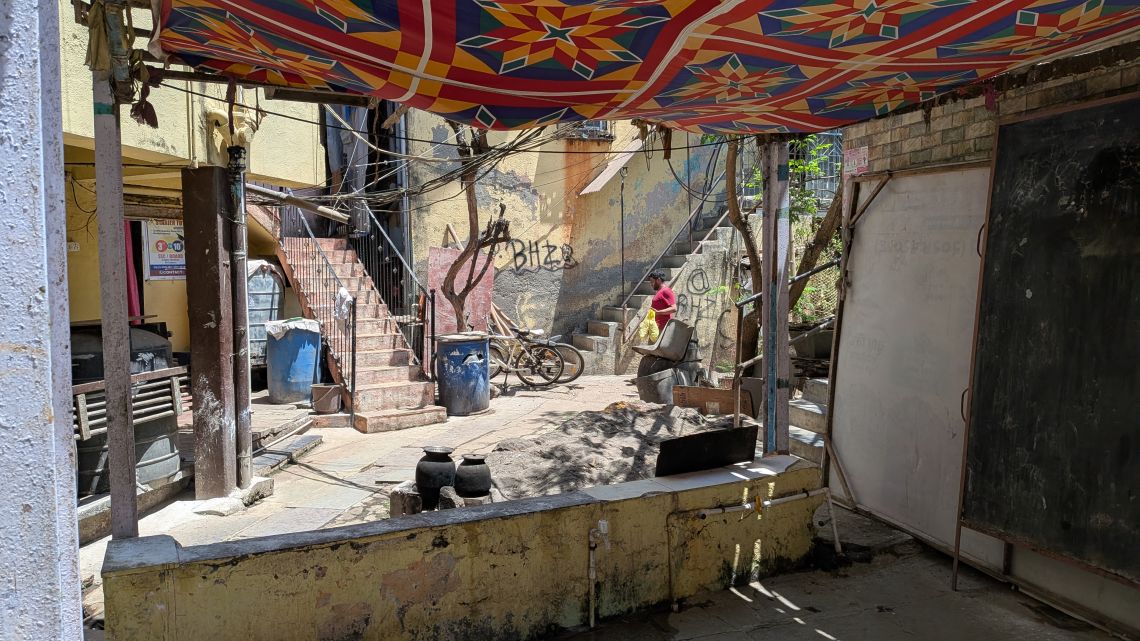
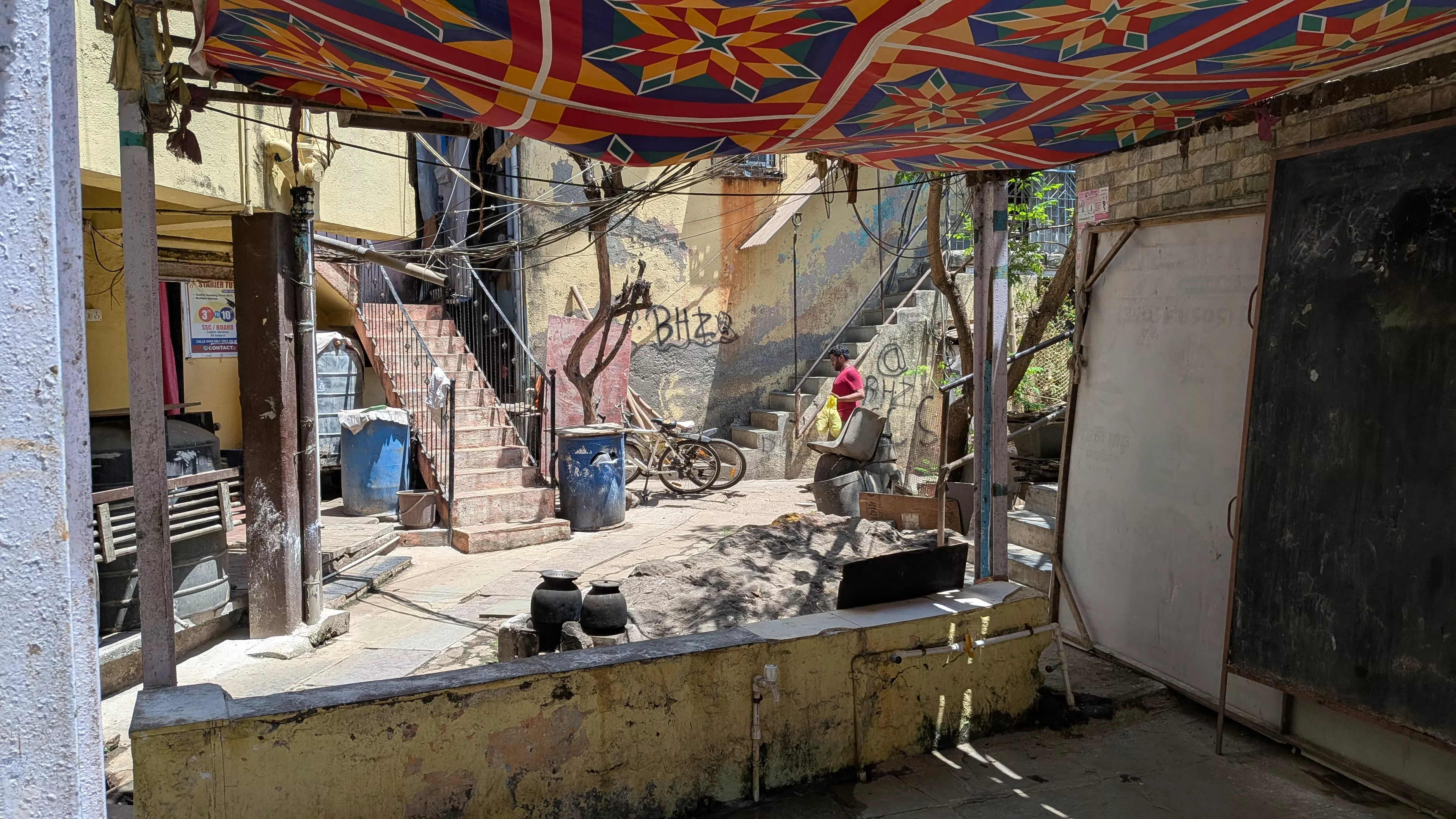
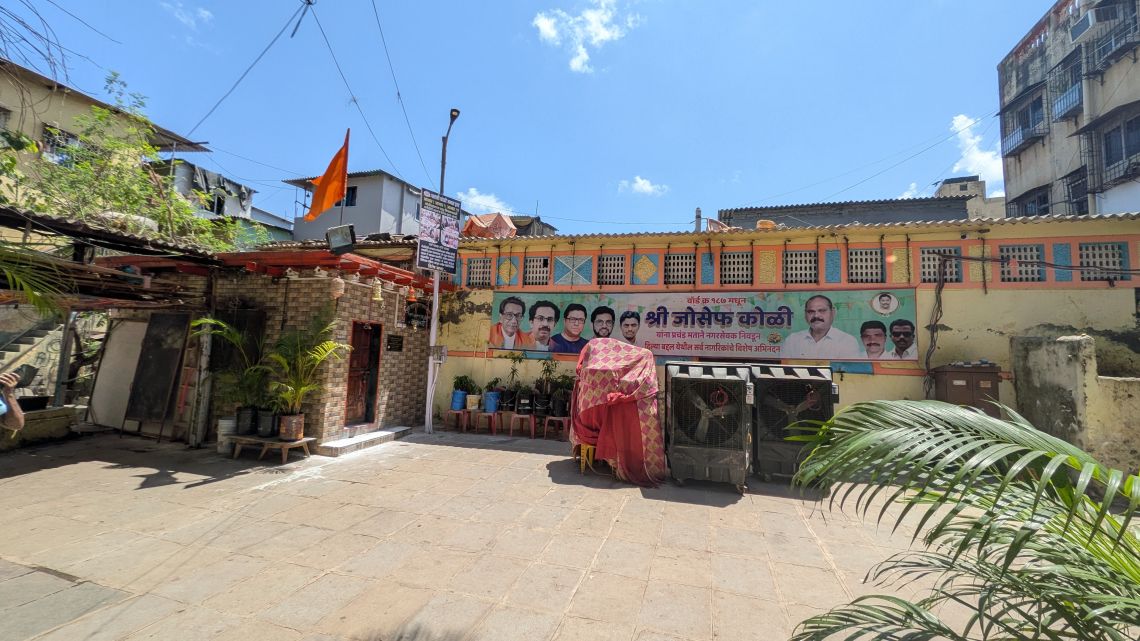
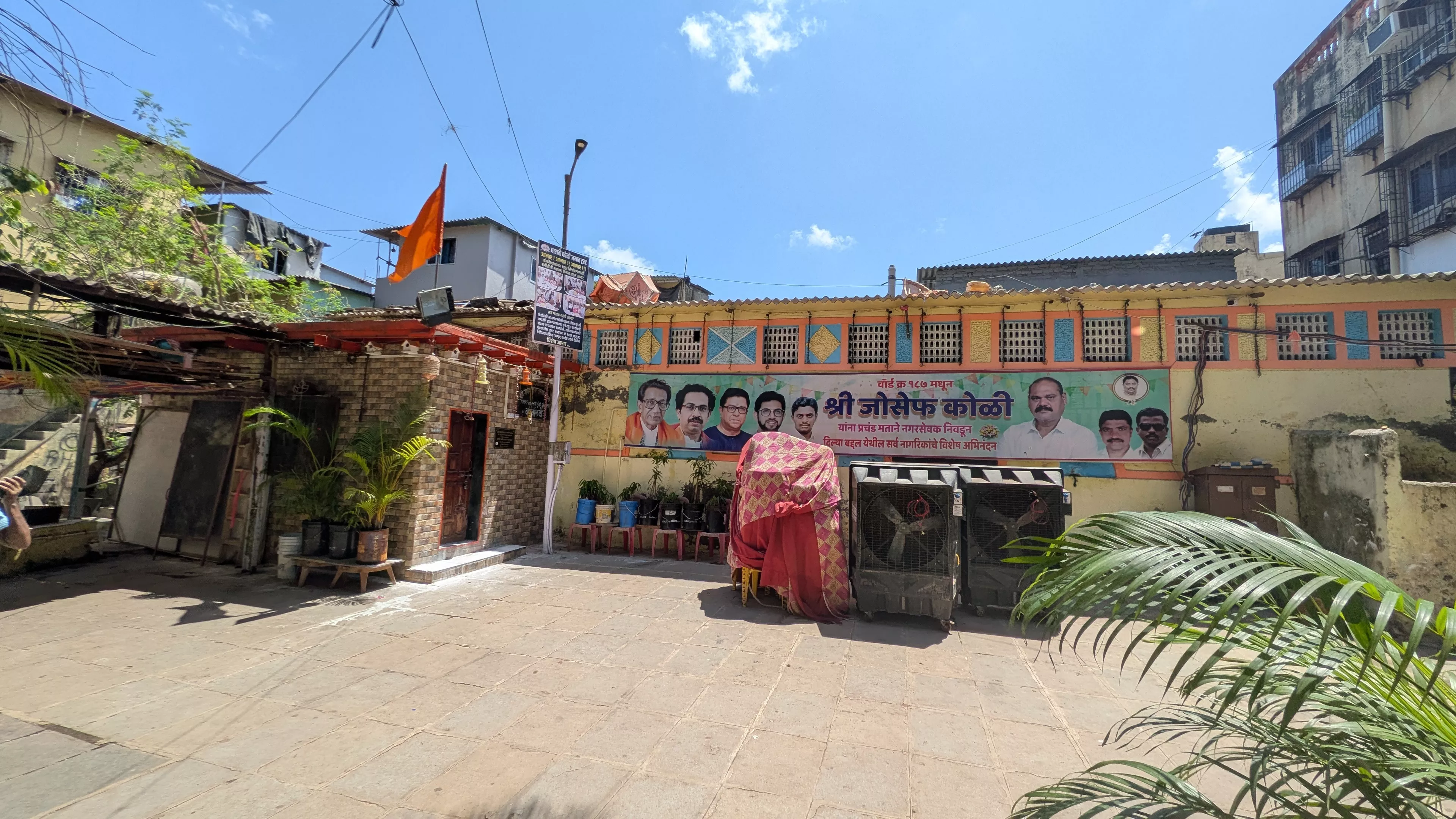
One of them is Rhea, a pre-primary school teacher who grew up in Dharavi. She eventually moved away for work, but something about the move never felt complete. While it brought new opportunities, she found herself missing aspects of everyday life that she had always taken for granted. When she speaks about returning, she does not mention larger homes or better infrastructure. Instead, she talks about people. Festivals, neighbours, familiar faces, and the feeling that everyone knew one another. For Rhea, what drew her back was not the place itself, but the sense of community that came with it.
"There was no community there," she recalls. It is a feeling that comes up often when people talk about Dharavi. For many residents, home is not just a physical space but also the people around it. The redevelopment may change the building, but for residents like Rhea, the challenge lies in preserving the relationships and familiarity that make the place meaningful.
Within the same building, Paarasmal Jain's story reflects a different chapter of Dharavi's history. A retired businessman, he arrived here around 1970 from his village, part of a generation that came to Mumbai in search of work and opportunity. Through the metal scrap business, he built a livelihood, raised a family, and educated his sons.
Unlike Rhea, who speaks about community, Paarasmal speaks about time. Five decades is long enough to watch a neighbourhood change again and again. Shops open and close, families move in and out, and children grow up and start families of their own. From his perspective, redevelopment feels less like a dramatic turning point and more like the next step in a process that has been happening for years. The building is old, he says. Change is necessary.
There is little hesitation in his response. Having spent most of his life in Dharavi, he sees redevelopment as a practical response to the realities of an ageing structure. While the process may take time, he believes it is ultimately a step towards a safer future.
If Rhea's perspective is shaped by community and Paarasmal's by decades of experience, Vikas Kenny's is shaped by everyday realities.
Born in Dharavi, Vikas spent part of his life away from the neighbourhood before returning in 2008. After getting married in 2015, he moved into the house where he lives today. Unlike many residents, his connection to the building is tied to family history. The property originally belonged to his family before being divided among relatives, and today he remains one of the few members of the original family still living there.
When discussing redevelopment, Vikas focused less on aspirations and more on practical concerns. One issue he highlighted was the gradual rise of the road level outside his house. Over the years, repeated layers of concrete have raised the surrounding ground, leaving the entrance to his home lower than the street. During the monsoon, this often results in water entering the house, forcing the family to move furniture and belongings to avoid damage.
His expectations from redevelopment are simple. A properly developed home would be welcome, but more importantly, he hopes the new building addresses issues that have become part of everyday life in the existing structure. For him, redevelopment is a chance to improve living conditions and create a more secure future for his family.
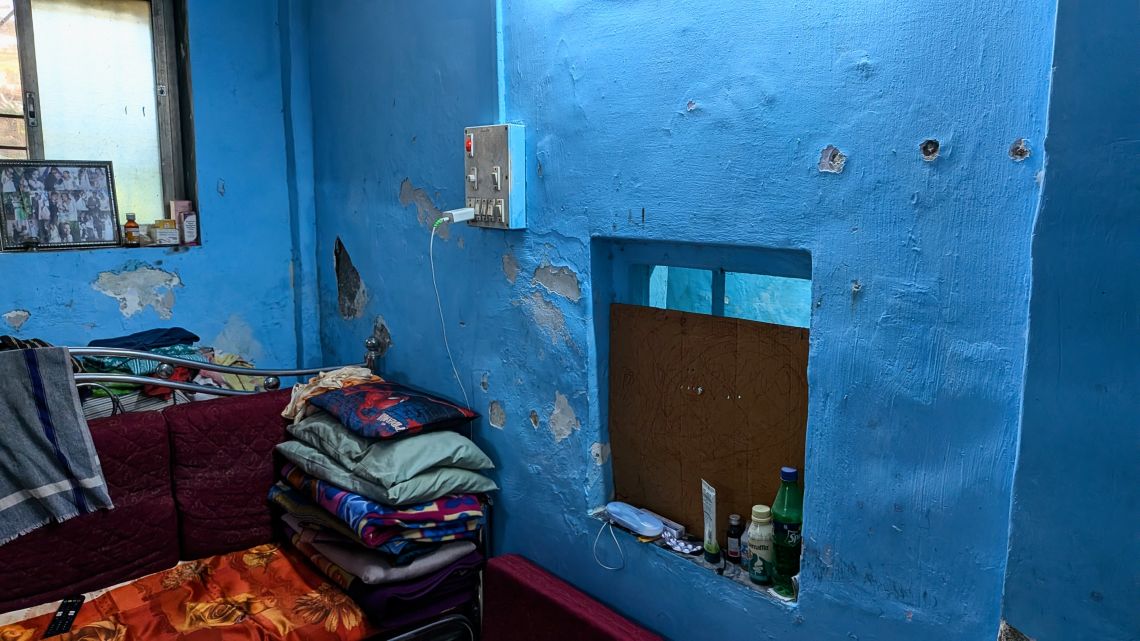
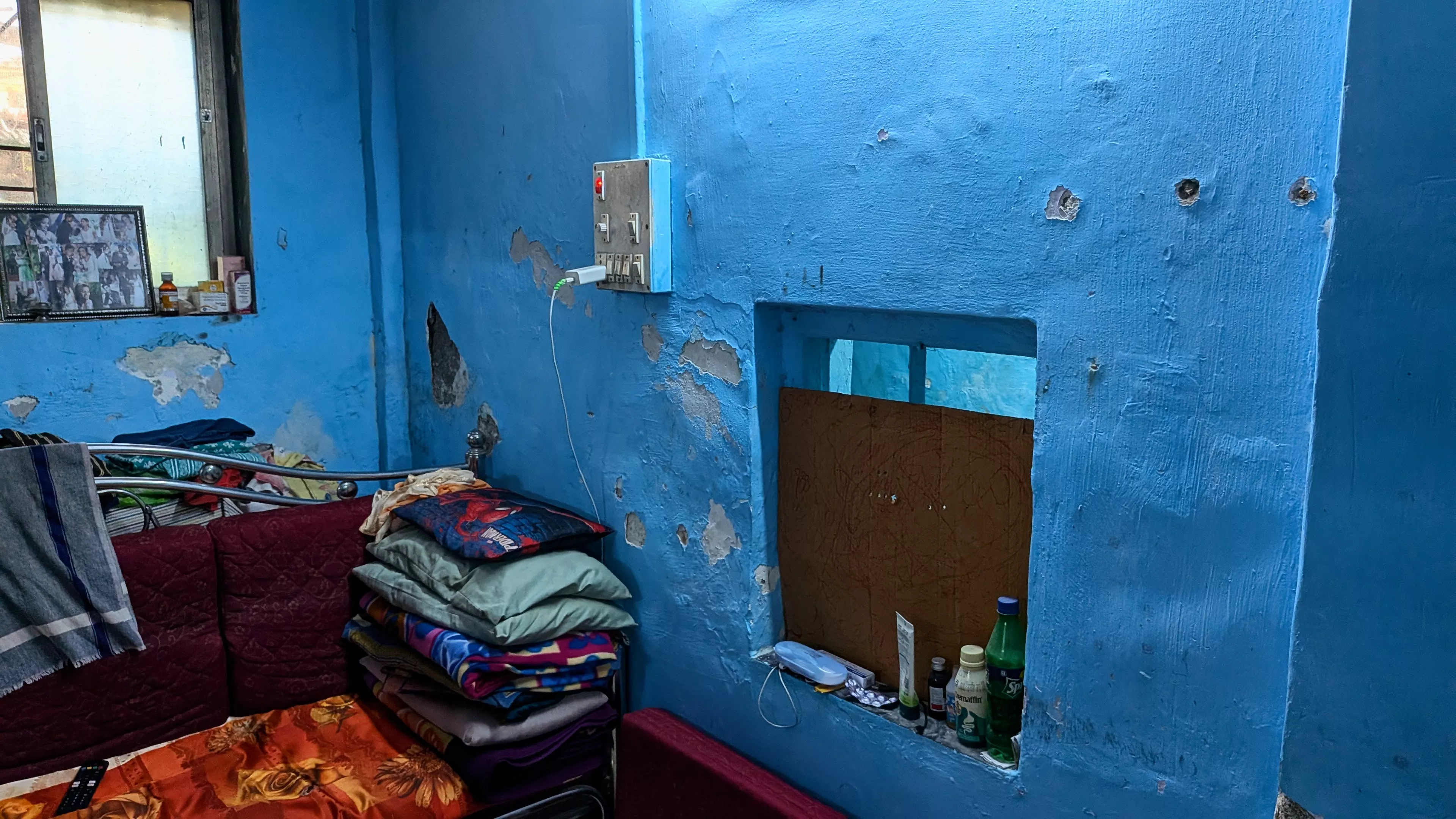
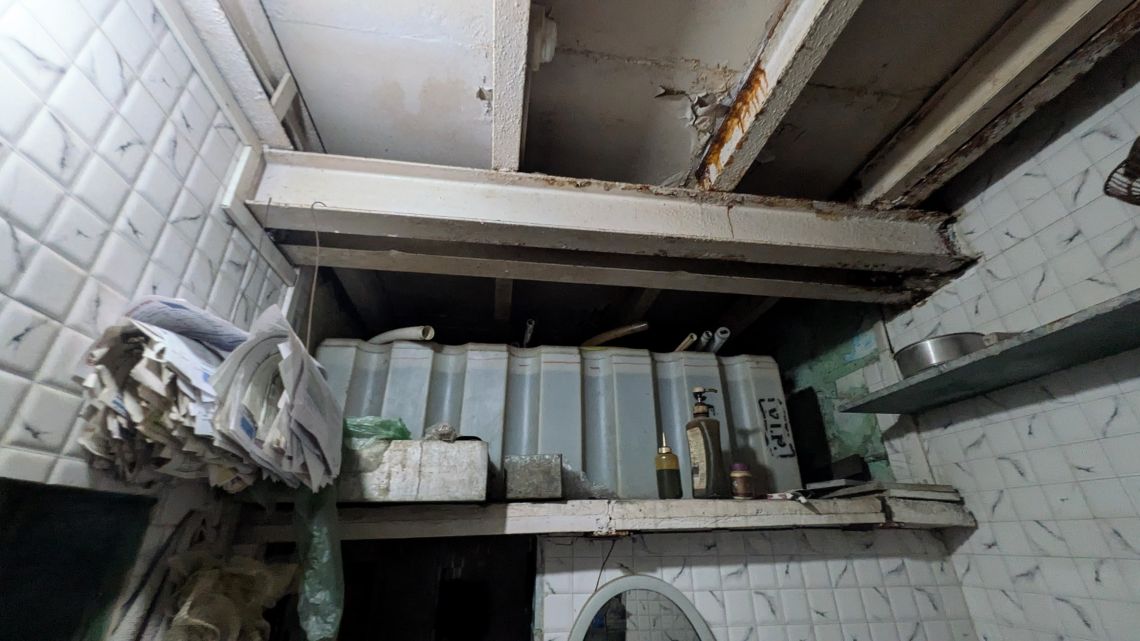
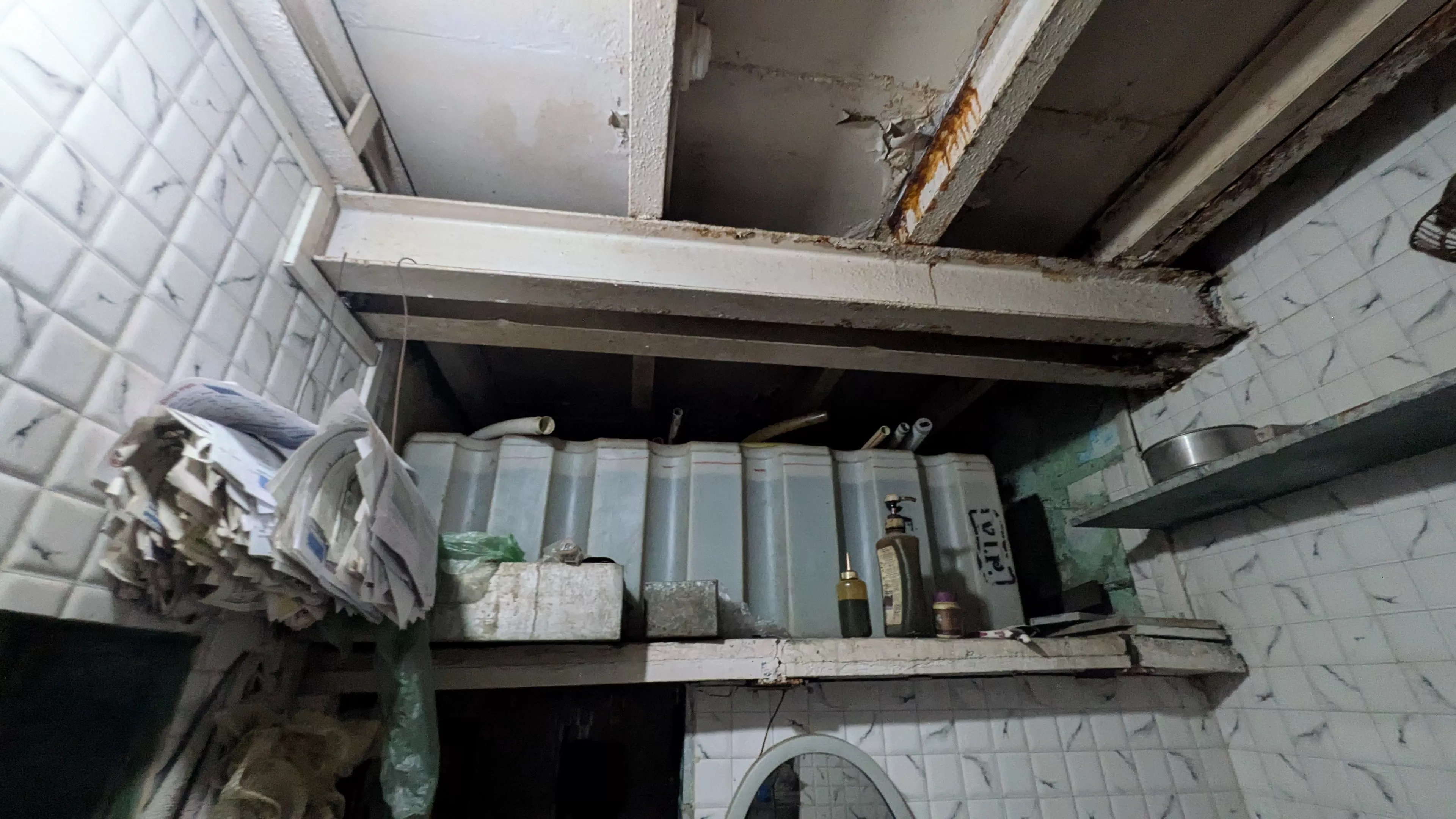
Listening to these conversations, it becomes clear that there is no single resident perspective on redevelopment. For Rhea, the future is meaningful only if it preserves the sense of community she returned to. For Paarasmal, redevelopment is a practical response to the passing of time. For Vikas, it is an opportunity to address the everyday challenges that come with living in an ageing building.
Different lives. Different priorities. Yet they all arrive at a similar conclusion: change is necessary.
As Jantu Bai Niwas prepares for redevelopment, the conversations with residents reveal that the future of a building cannot be measured only through new construction. For some, redevelopment represents improved infrastructure and safer living conditions. For others, it raises questions about continuity, familiarity, and the social relationships that have developed over many years. The building that stands today carries traces of different generations, adaptations, and everyday practices. Soon, those spaces will be reimagined. New homes will need to respond to old challenges, changing family needs, and the aspirations of the people who call Jantu Bai Niwas home.
The residents have shared what they hope to see in the future. The next step is to explore how those hopes might take shape in the building itself. For now, Jantu Bai Niwas stands between what it has been and what it could become. As plans evolve and new possibilities emerge, one question remains at the centre of it all: what comes next for Jantu Bai Niwas?
People involved

Related articles
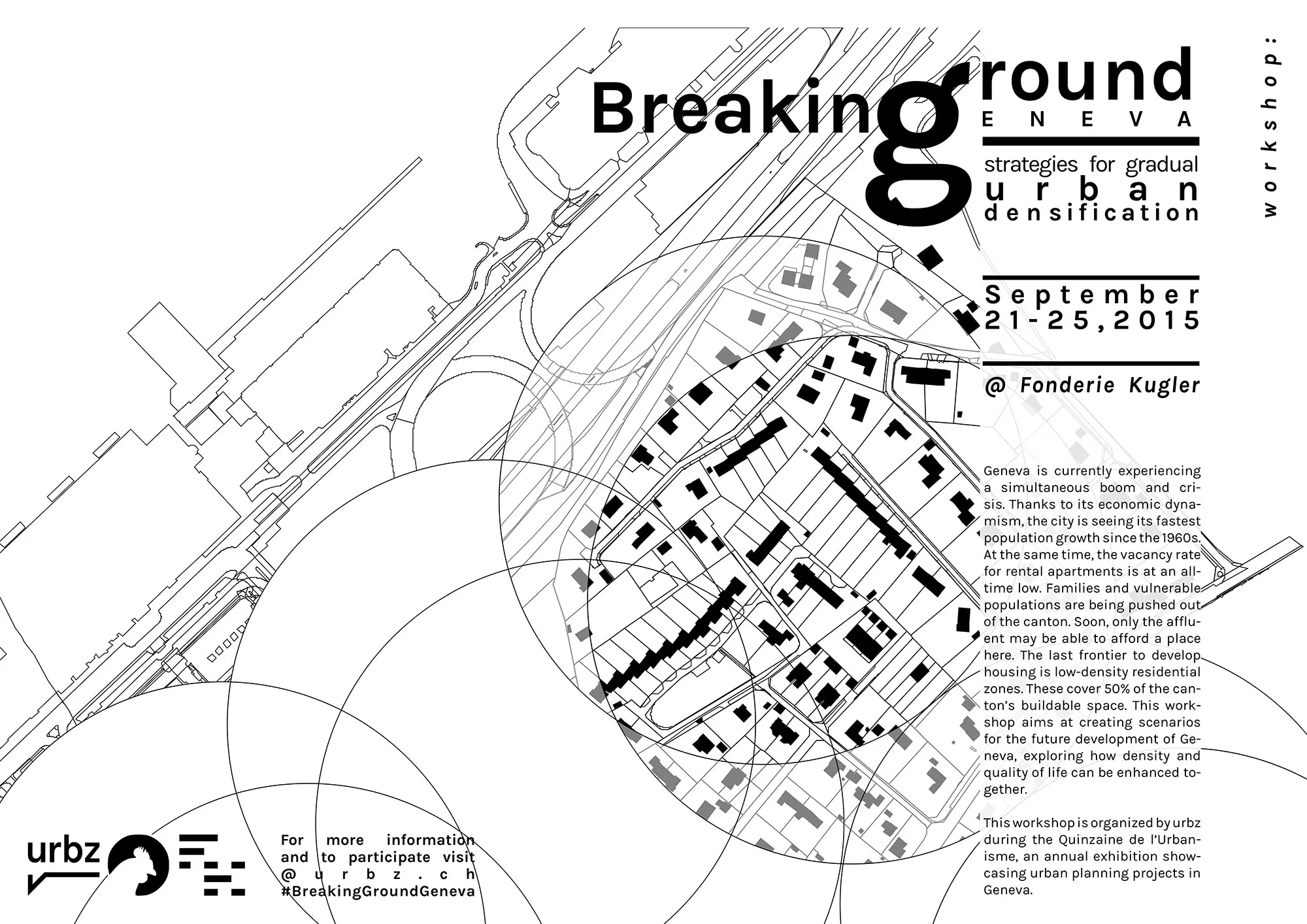
The Breaking Ground Workshop in Geneva involved some interesting comparisons with density levels in Mumbai. Learnings from one space were strong inputs in discussions at another.
Drooging around the informal economy, exploring the city’s streets that are dedicated to the production of goods and objects
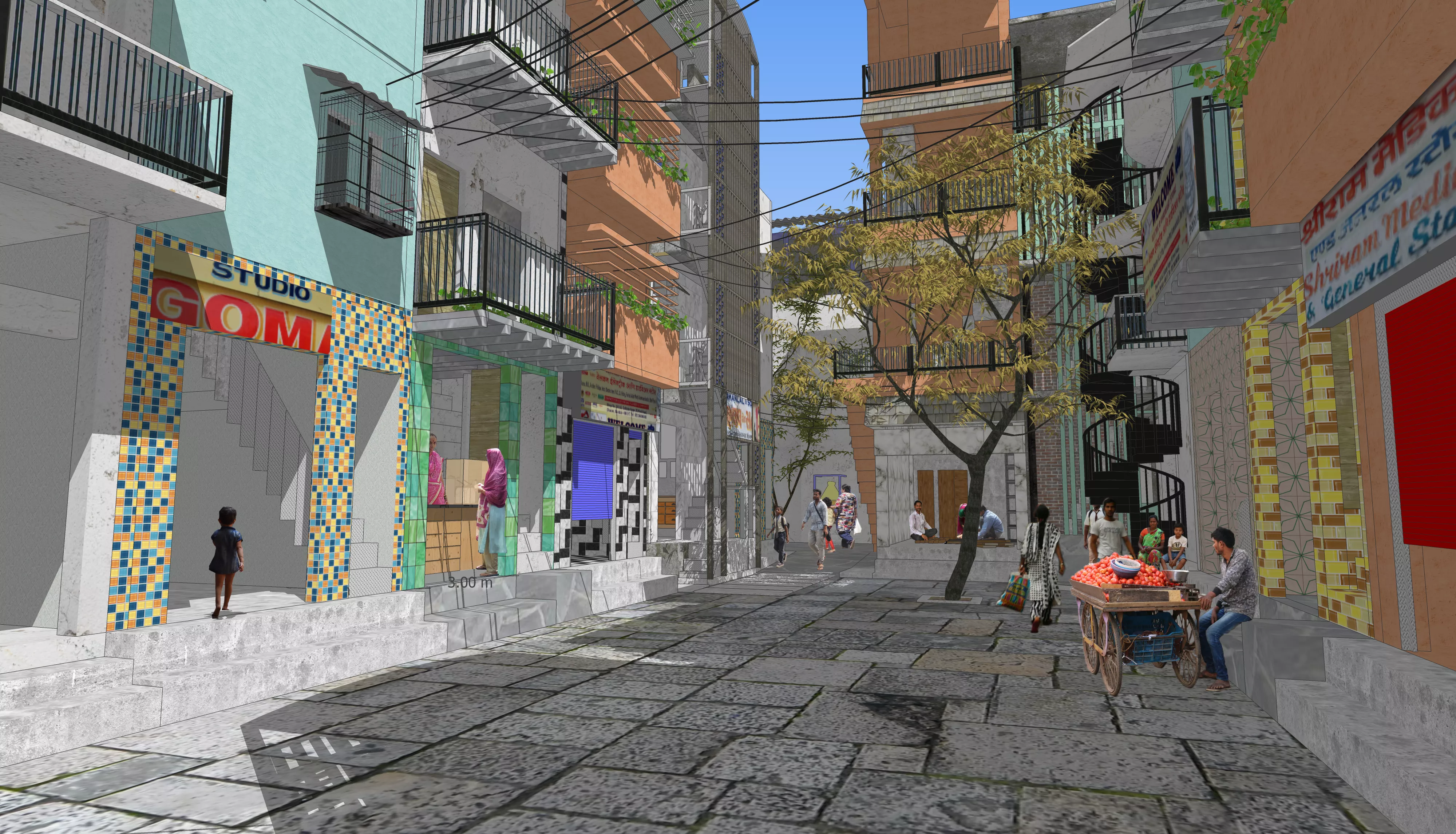
This animation presents what Dharavi could look like if it was allowed to continue develop incrementally. All designs in the video were conceived by contractors living and working in Dharavi, Mumbai, as part of the Design Comes as We Build project.

This series of articles seeks to shed light on the origin of the unplanned settlements that are home to more than half of Caracas’s population, but whose stories have never been told. Multiple inhabitants were interviewed and shared their stories of struggles, overcoming hardships, constant improvement and self governance that are the origin of unplanned settlements in Venezuela.

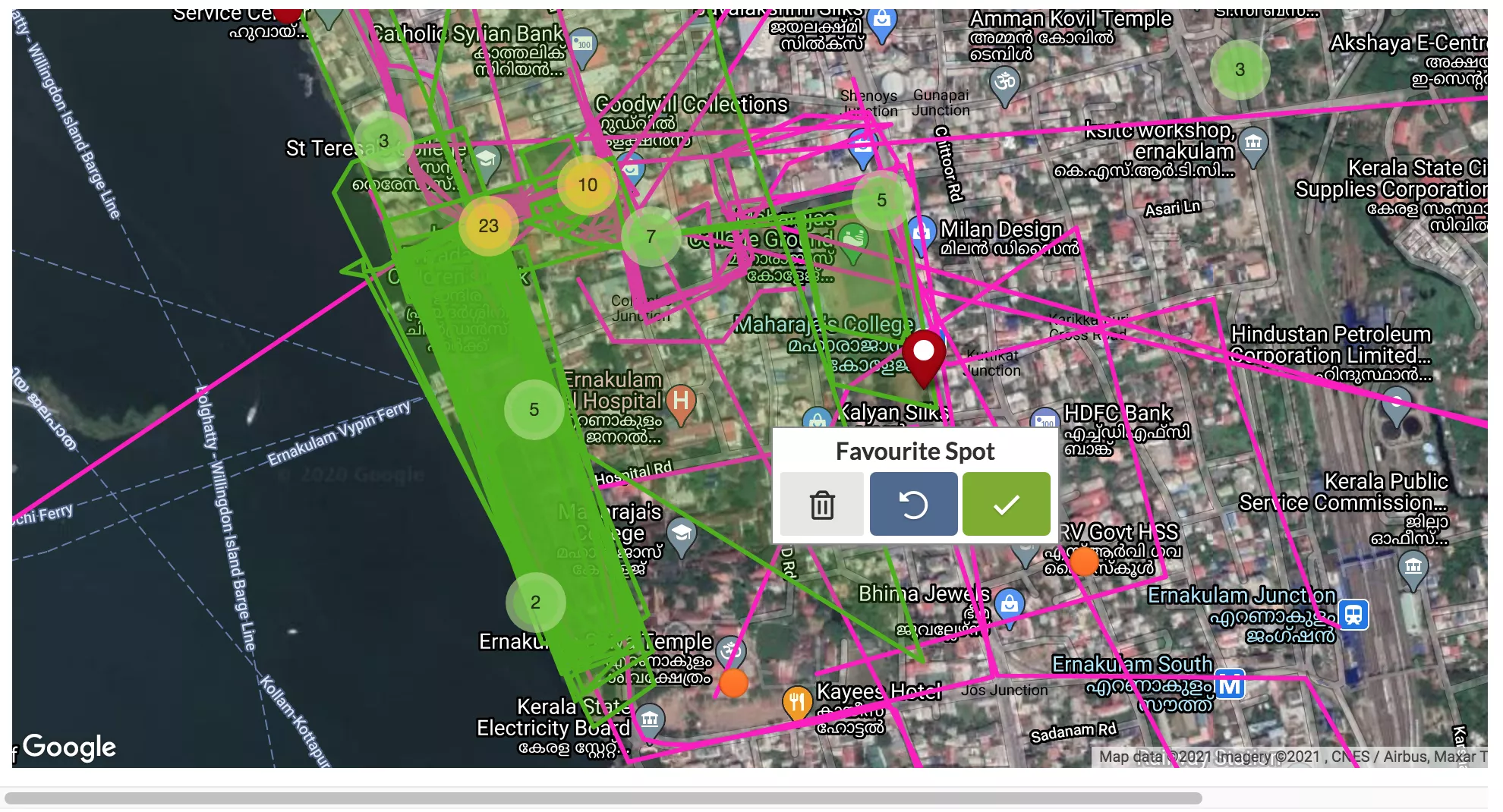
The urban design competition EnteKochi 2020 focused on integrating a participatory approach within the planning process for the city of Kochi. The competition was planned for, announced and conducted during the pandemic induced nation wide lockdown. This article provides a glimpse of the process.

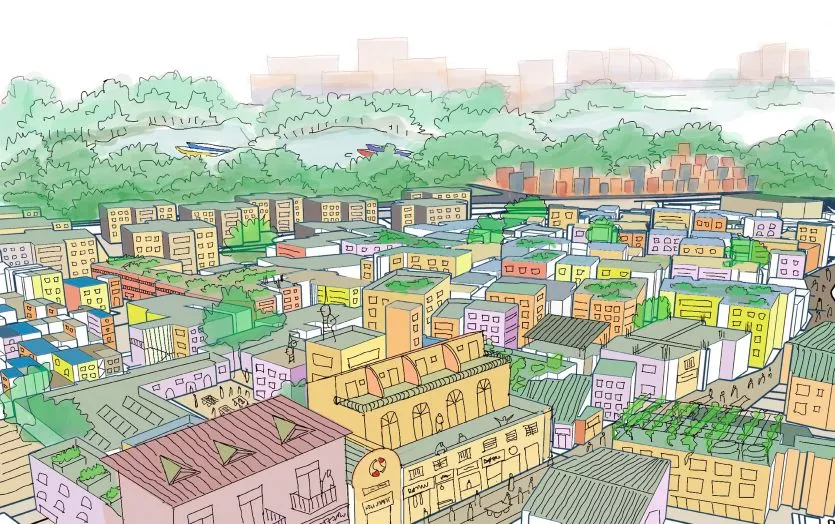
This article presents the Koliwada in Dharavi through the evolution of its built and natural environment, tracing the Koli's fight for their land, how the community is leading the development of their neighbourhood and our role in it.



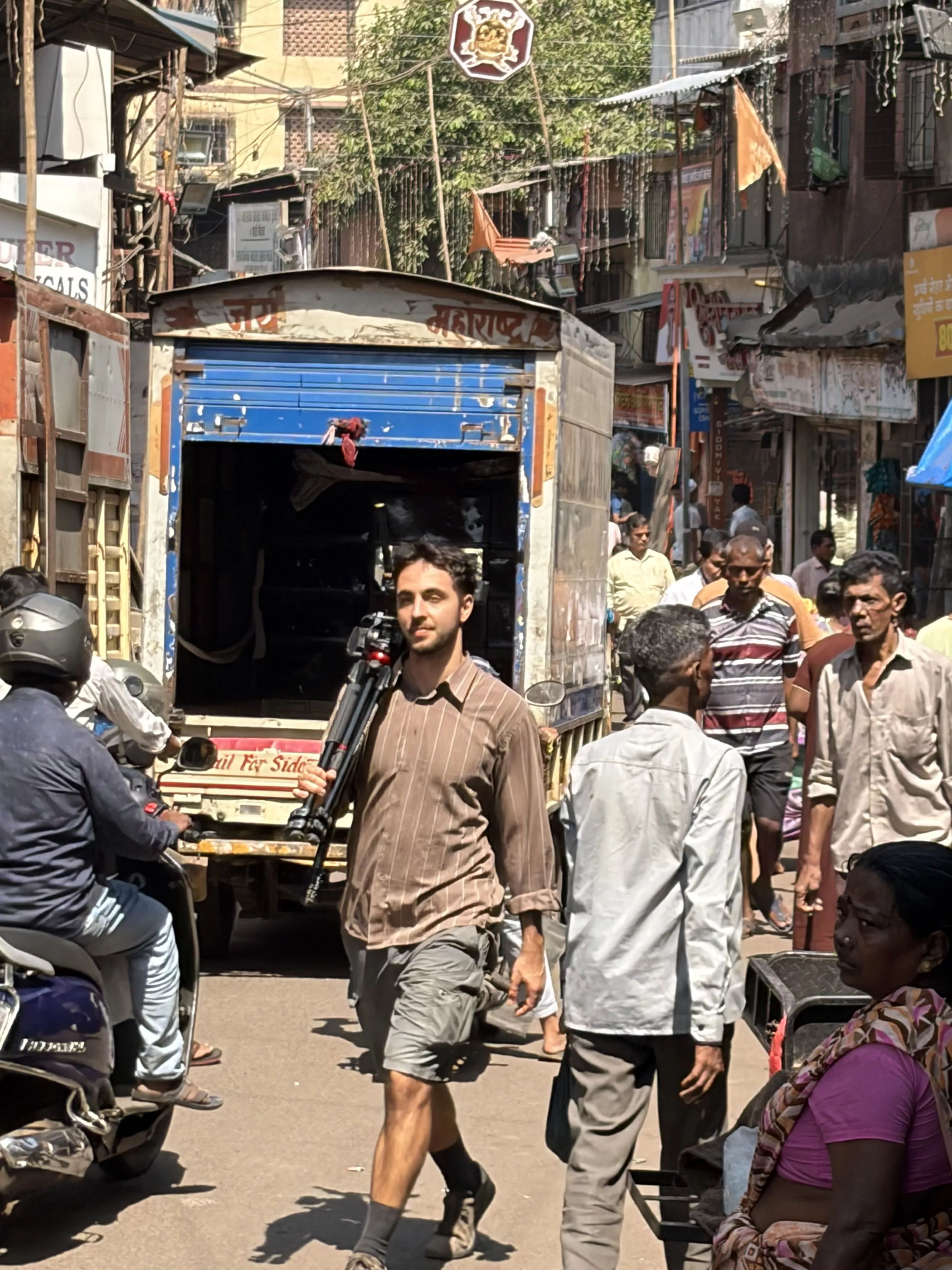
An interview with Liron Shalit, our filmmaker-in-residence. He is an award-winning documentary filmmaker focused on social issues, human rights, and ethical urbanism. Recently, the urbz office hosted a screening of his film Living Euljiro that traces the neglected losses of those living within a centuries-old district of maze-like alleys at the heart of Seoul (Synopsis). We speak to him about his craft, his lessons from Euljiro, and his time here in Dharavi.
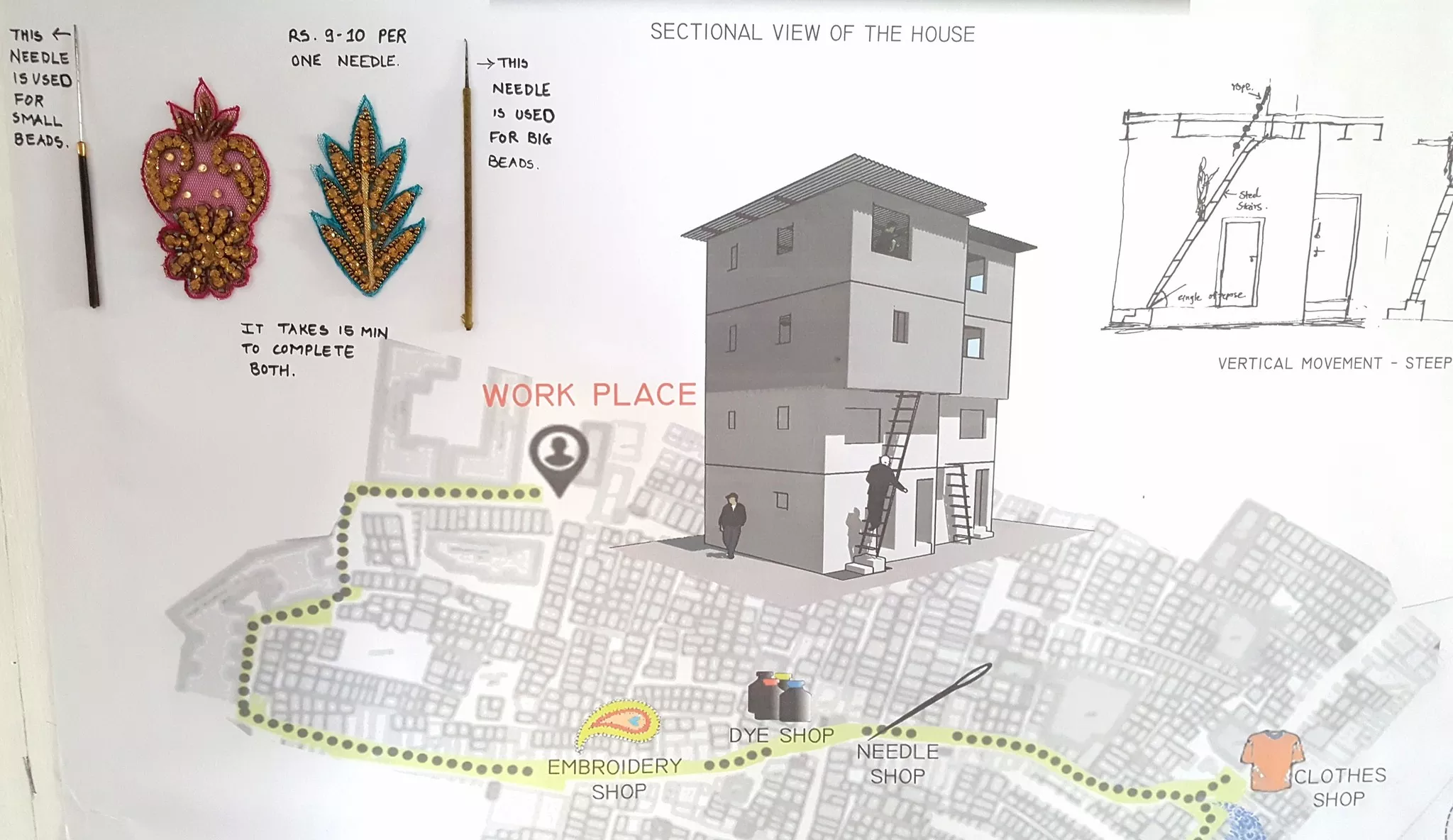
Students from SAL worked with urbz and Dharavi residents to understand the connections and interconnections that make up the neighbourhood and its relationship the city.
How local, community owned and managed housing co-operatives, can be a vital step towards improving the neighbourhoods, bringing good quality civic infrastructure and making the city genuinely ’slum-free’.
This article is part of the following collection
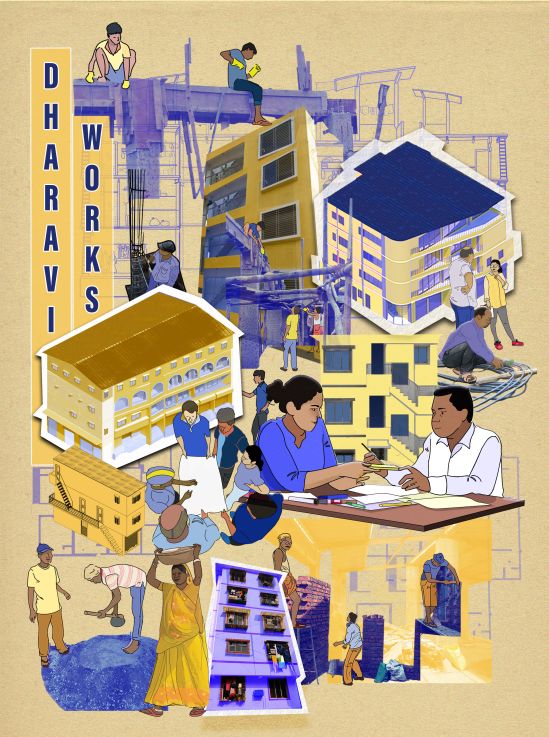
Dharavi Works is a series of projects designed in Mumbai by urbz in partnership with local inhabitants and contractors.