
urbz is leading a participatory landscaping process for the International Federation of the Red Cross and Red Crescent Societies (IFRC) through a series of workshops, walks, talks and exhibition. The end result will be a publicly accessible IFRC Park in the center of Geneva.




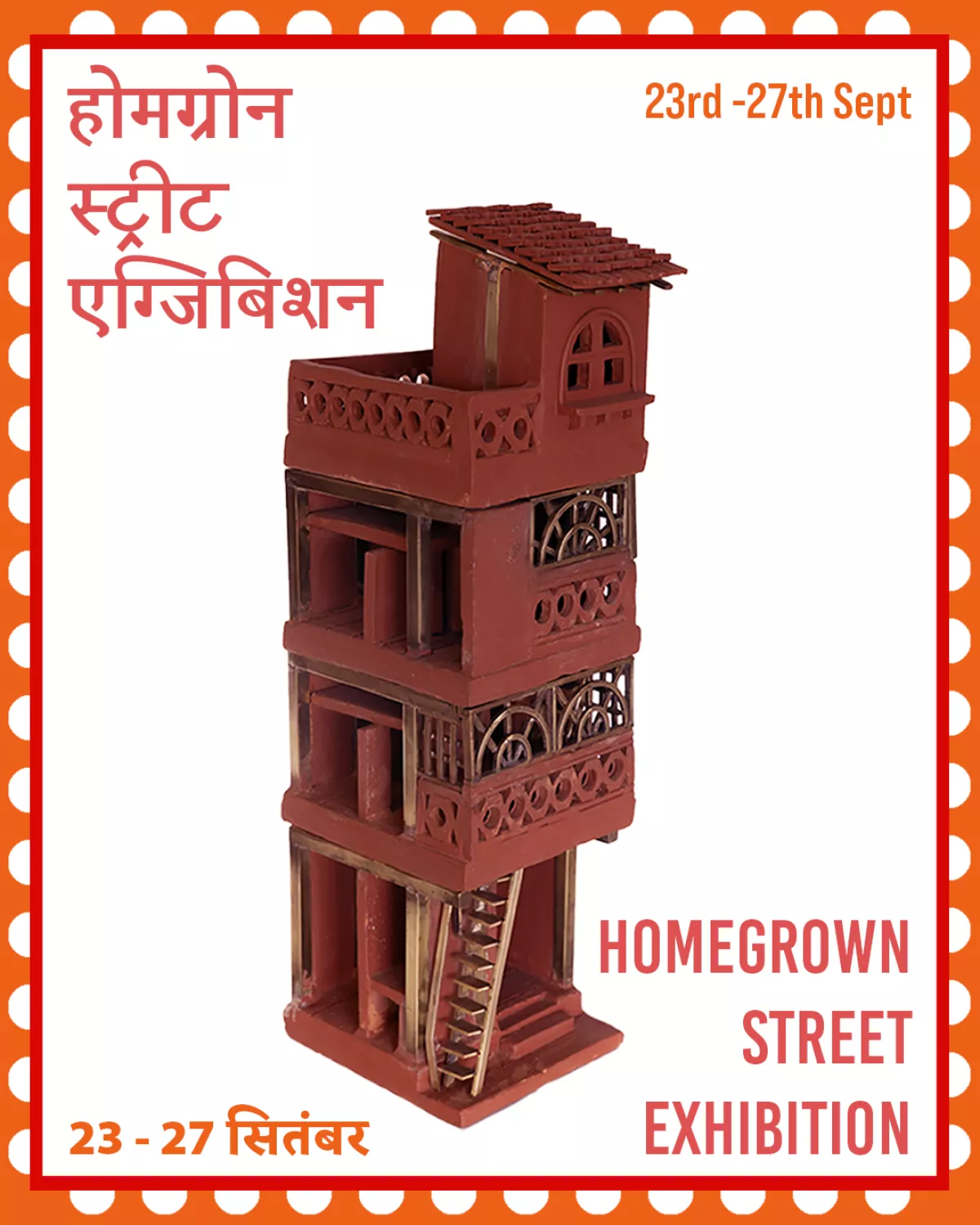
Artisans collaborate with contractors, residents and the urbz team, to create models in wood, clay, steel, acrylic and brass to produce model homes in Sangam Gully, Dharavi, Mumbai, as part of the Homegrown Street Project.






Two short videos present the Homegrown Street Project in Sangam Gully, Dharavi, Mumbai.


As part of the C40 Cities Women4Climate Gendered Mobility in Climate Action research project, this blog post attempts to explore the economic impacts and implications of gendered mobility.


This blog post discusses the the commute and the responisibilities surrounding it from a gendered persepctive as a part of the Gendered Mobility and Climate Action research.

This blog post highlights key challenges faced by women commuters drawing from the interviews taken as a part of Gendered Mobility and Climate Action research.

This blog post summarizes the everyday journeys taken in Mumbai and the workshop conducted as a part of Gendered, Mobility and Climate Action research.

This post examines game methodology as a potential method for qualitative data collection to understand the subconscious behaviour of a commuter and the various factors influencing it, continuing our explorations of various data collection techniques as part of our research on Gendered Mobility and Climate Action.




This post reflects on the methodological challenges faced in our ongoing research on Gendered Mobility and Climate Action.