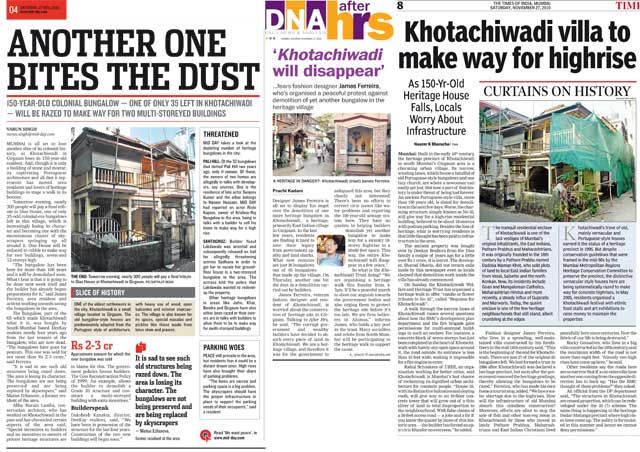
Khotachiwadi all over the news
Authors
Authors
Khotachiwadi all over the news
Authors
Authors

Come to Khotachiwadi tomorrow, Sunday 28th from 5 to 7pm.
Related articles
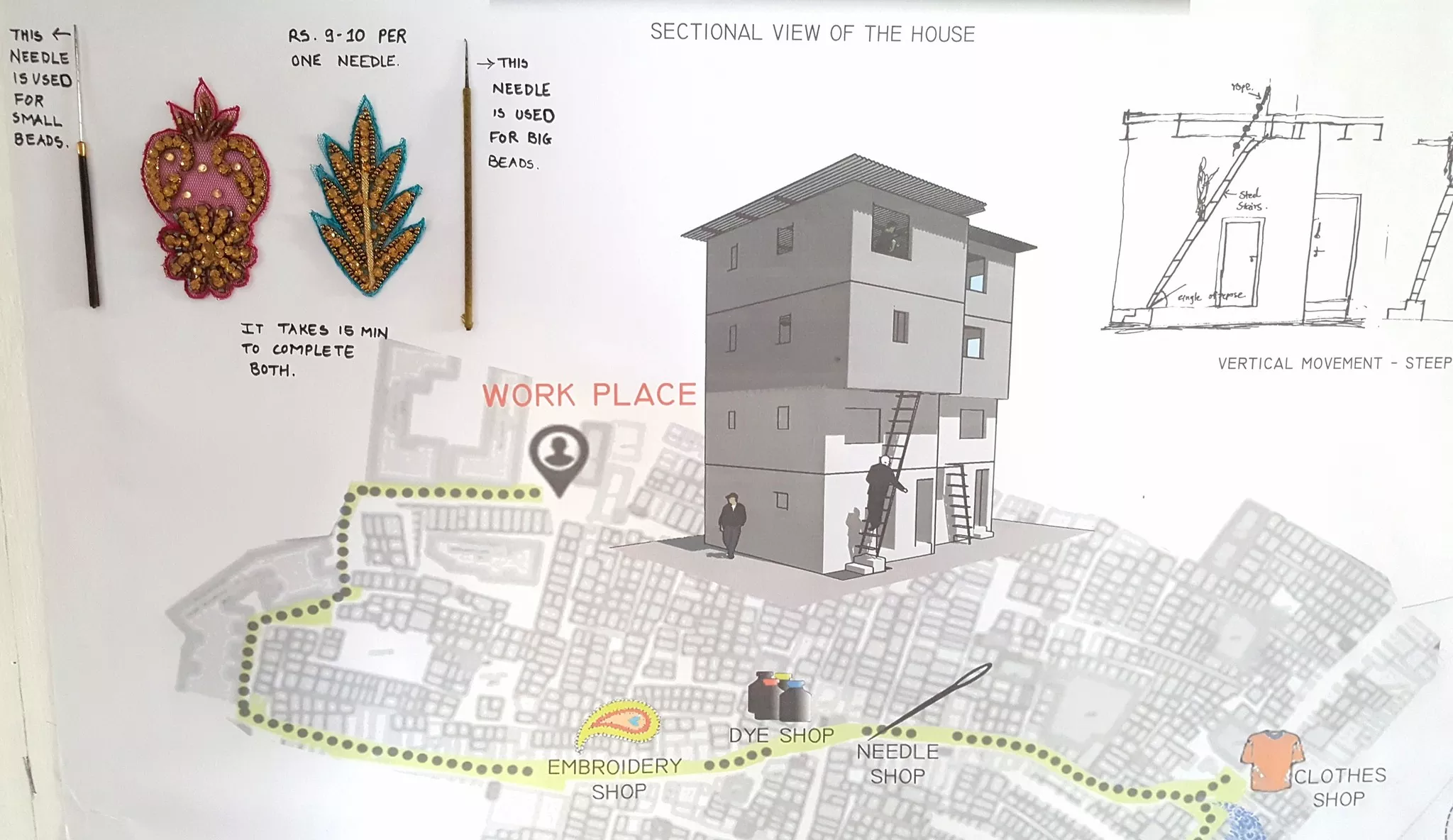
Students from SAL worked with urbz and Dharavi residents to understand the connections and interconnections that make up the neighbourhood and its relationship the city.
How local, community owned and managed housing co-operatives, can be a vital step towards improving the neighbourhoods, bringing good quality civic infrastructure and making the city genuinely ’slum-free’.
Micro homes which integrate spaces of work and are well connected to the street economy seem to be far more viable on the longer run at all levels.
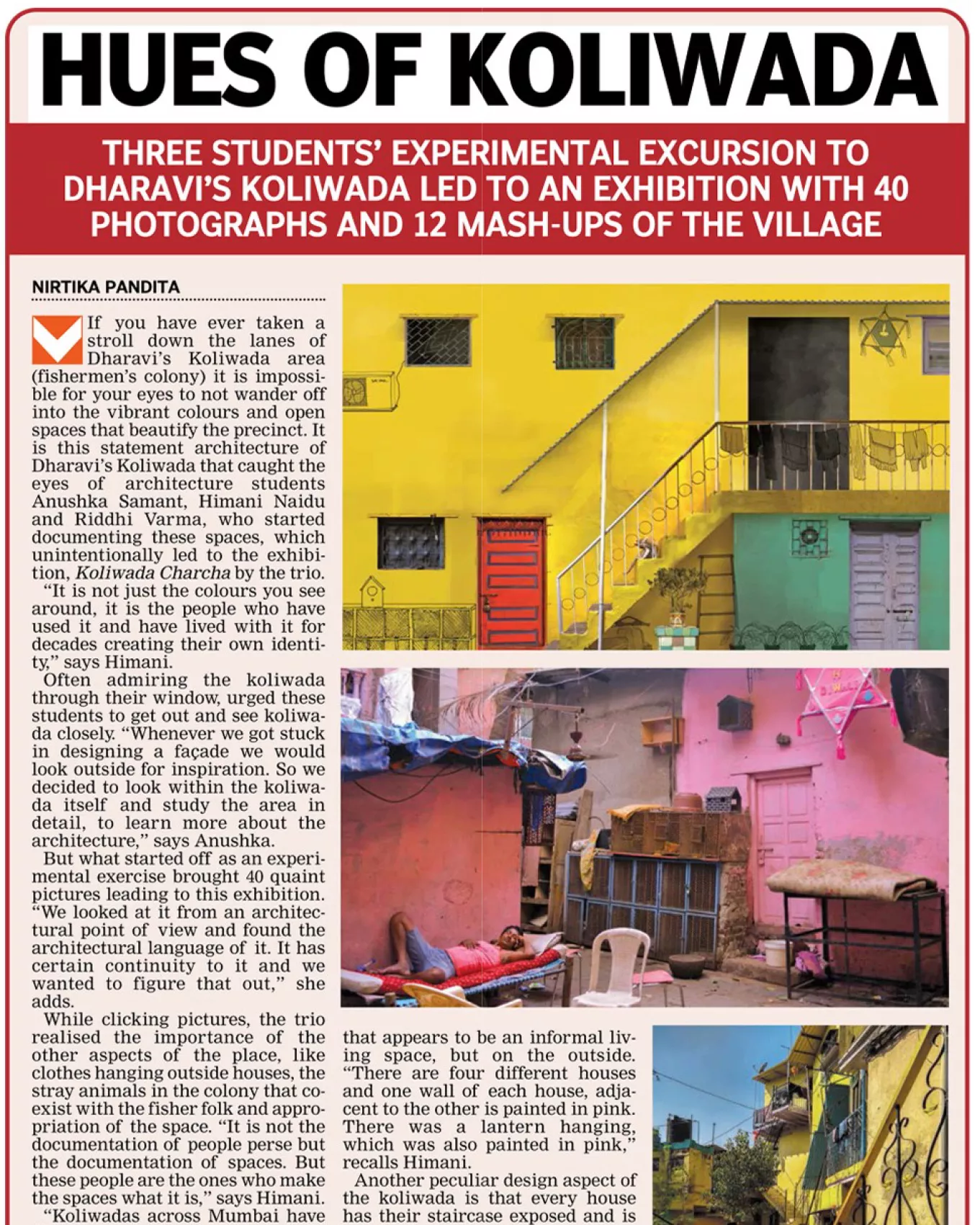
Our exhibition Koliwada Charcha was in the news (Asian Age)
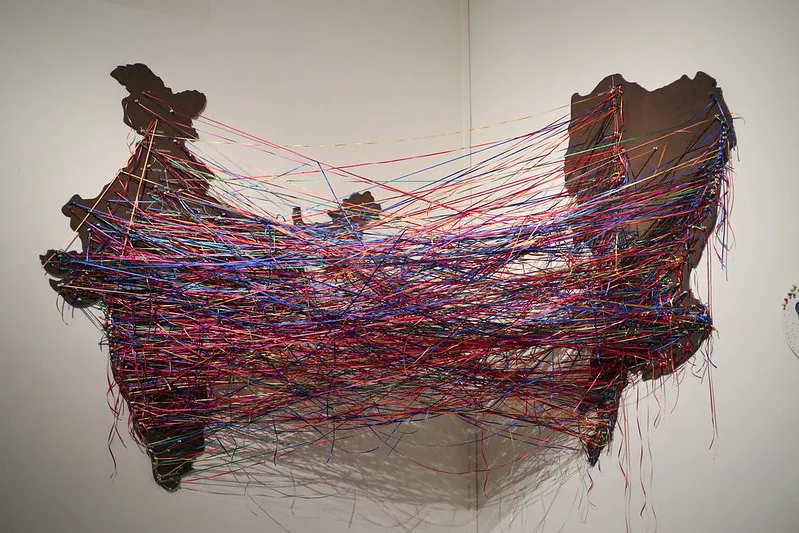
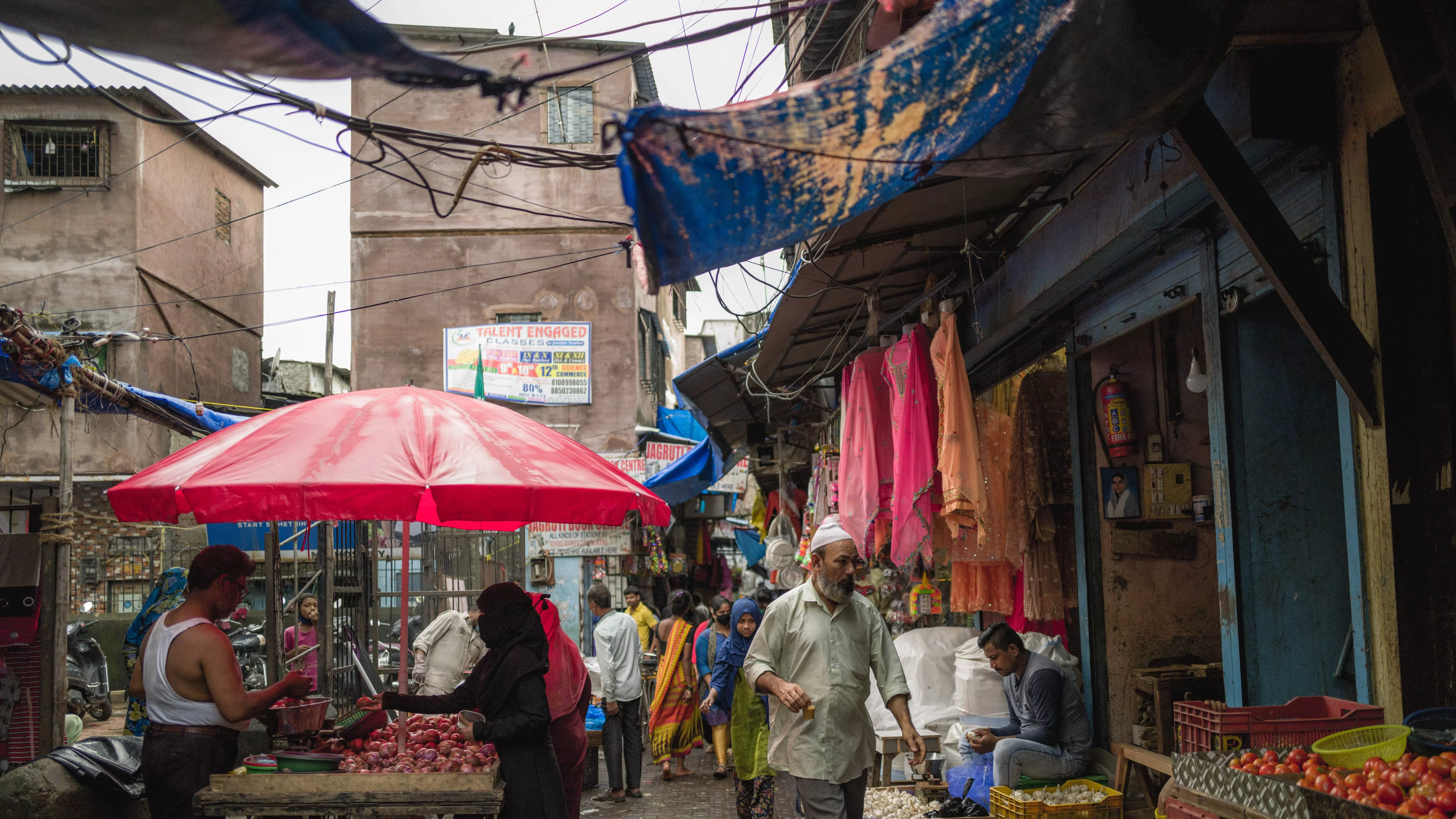
urbz founders Rahul Srivastava and Matias Echanove reflect on community-driven placemaking in the Indian metropolis.
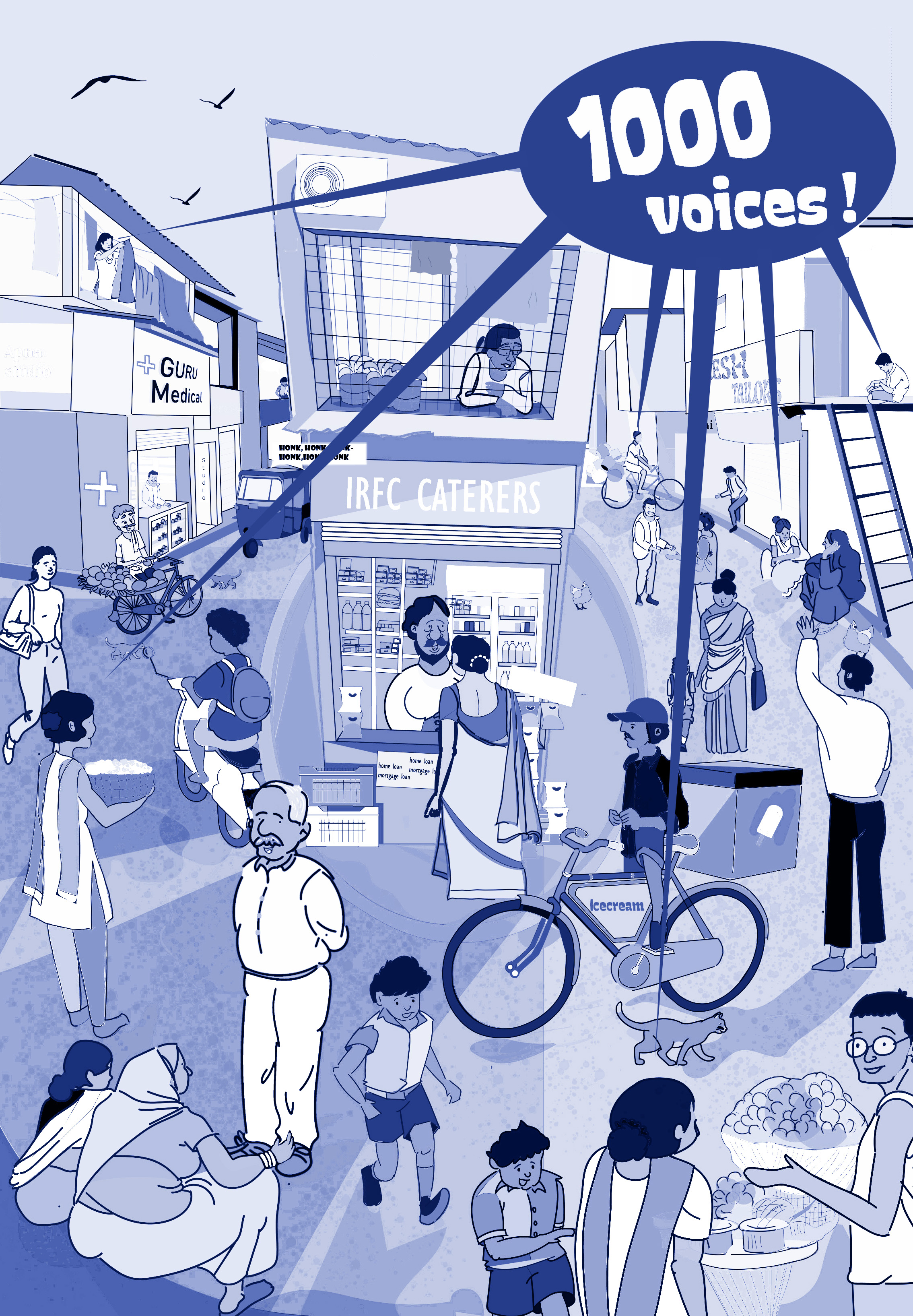
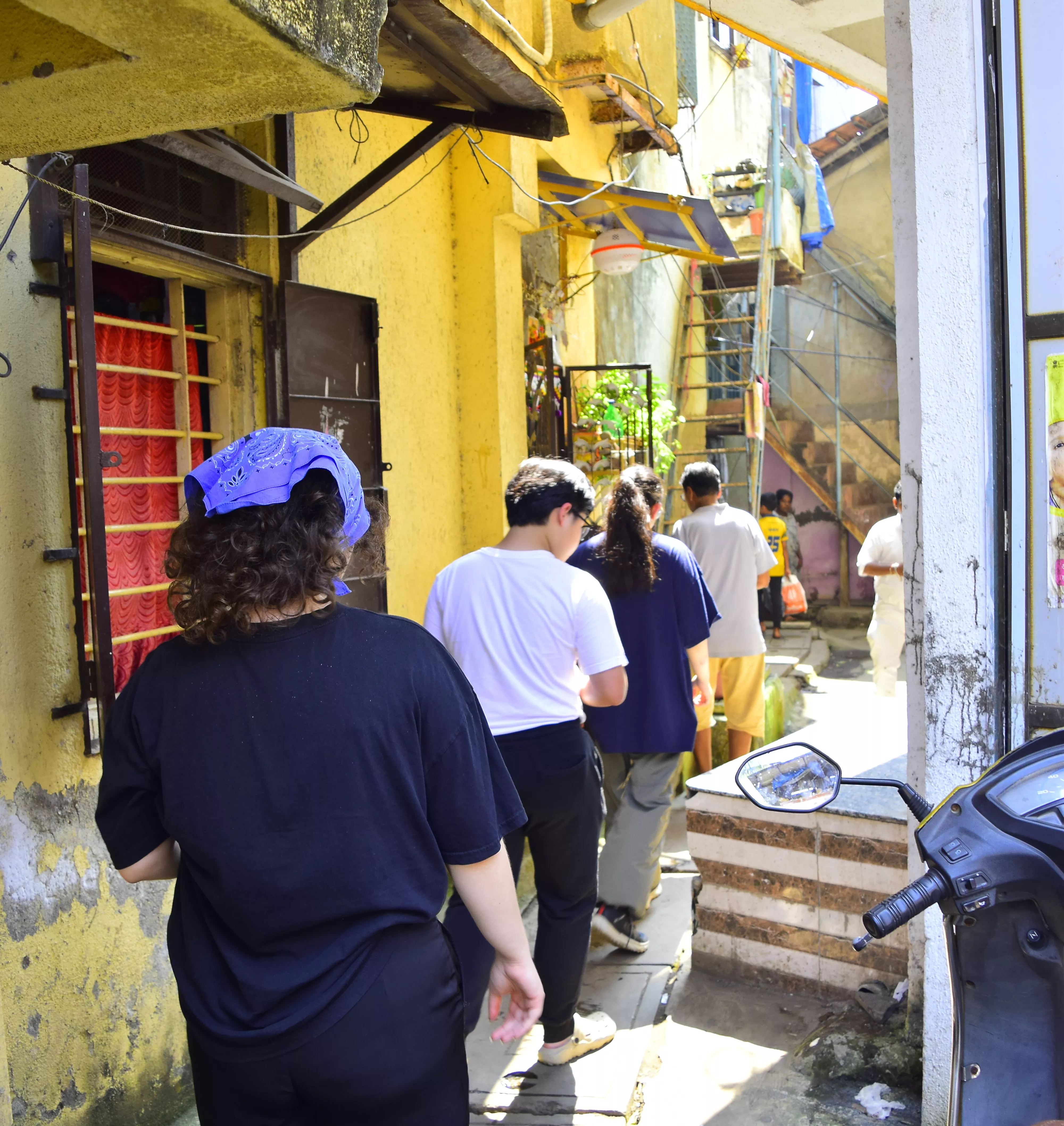
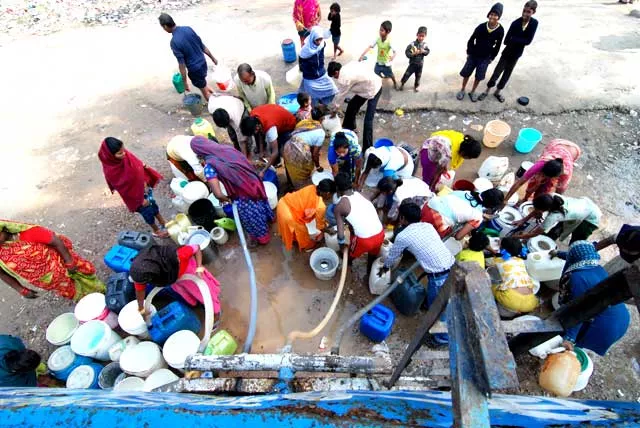
The Handstorm workshop in Dharavi, with the Engineers for Social Impact from NYU, Abu Dhabi took place for the second time this year in October, 2025. We walked through the lanes of Dharavi Koliwada, observing Water in the diverse and unexpected paths that it took to and from people’s homes. Students diligently followed the water, listening carefully to the stories it had to tell.
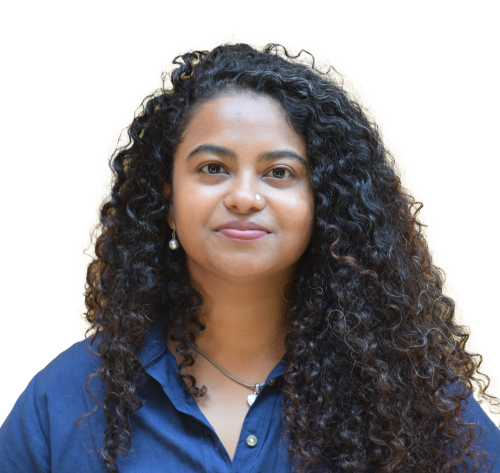
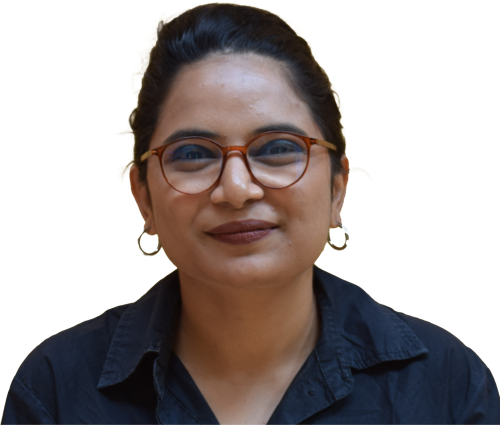
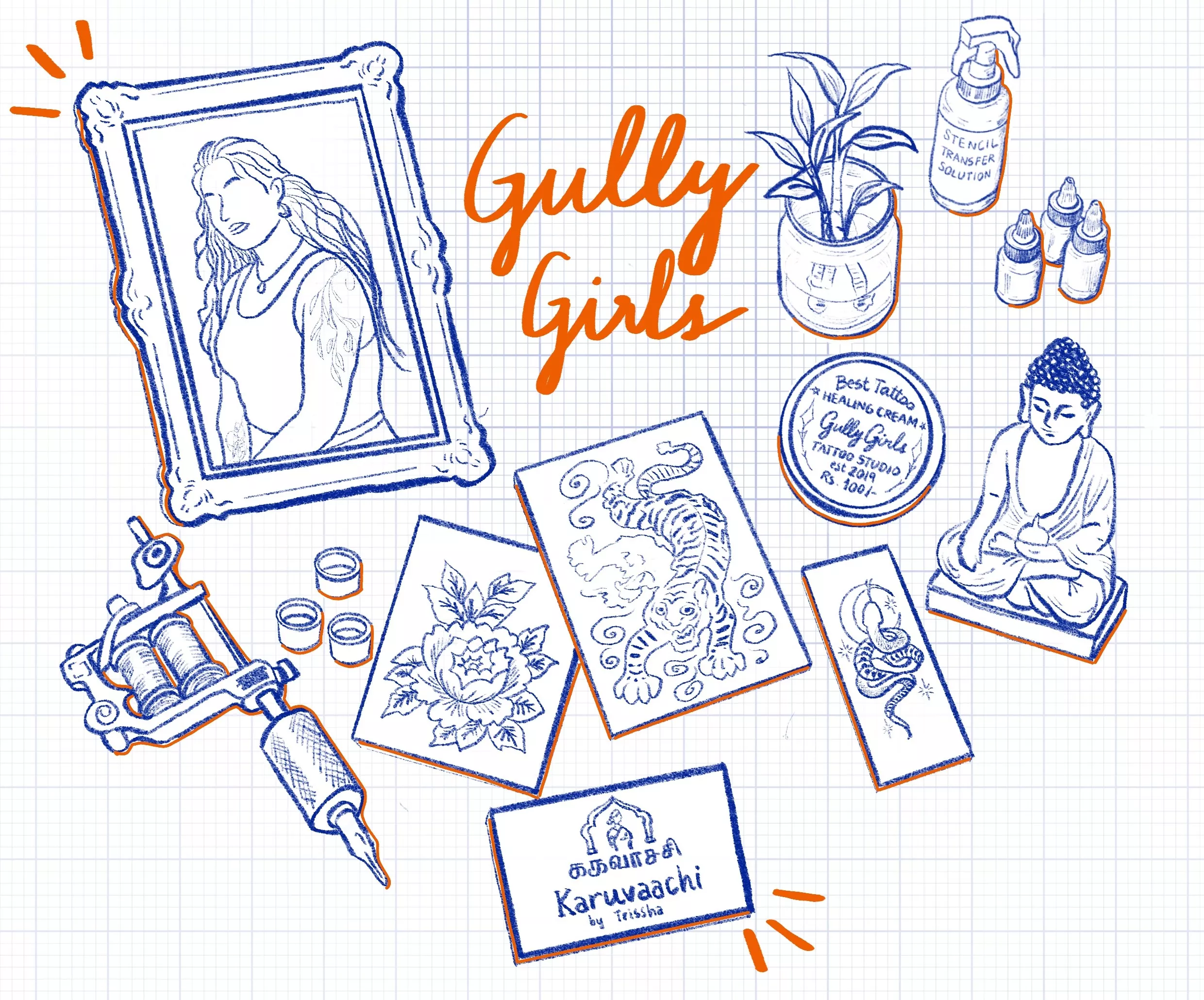
Tucked away in Sangam Gully, is Trissha's tattoo studio. She is a friendly woman, with a warm demeanour and a knack for challenging herself. Step into her studio to get a glimpse into the everyday life of an artist and the unspoken reliability of community.
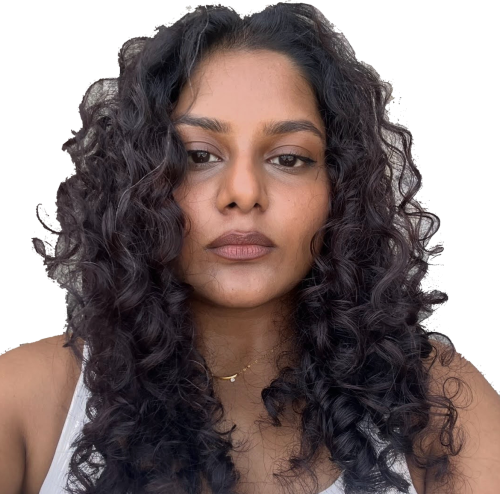
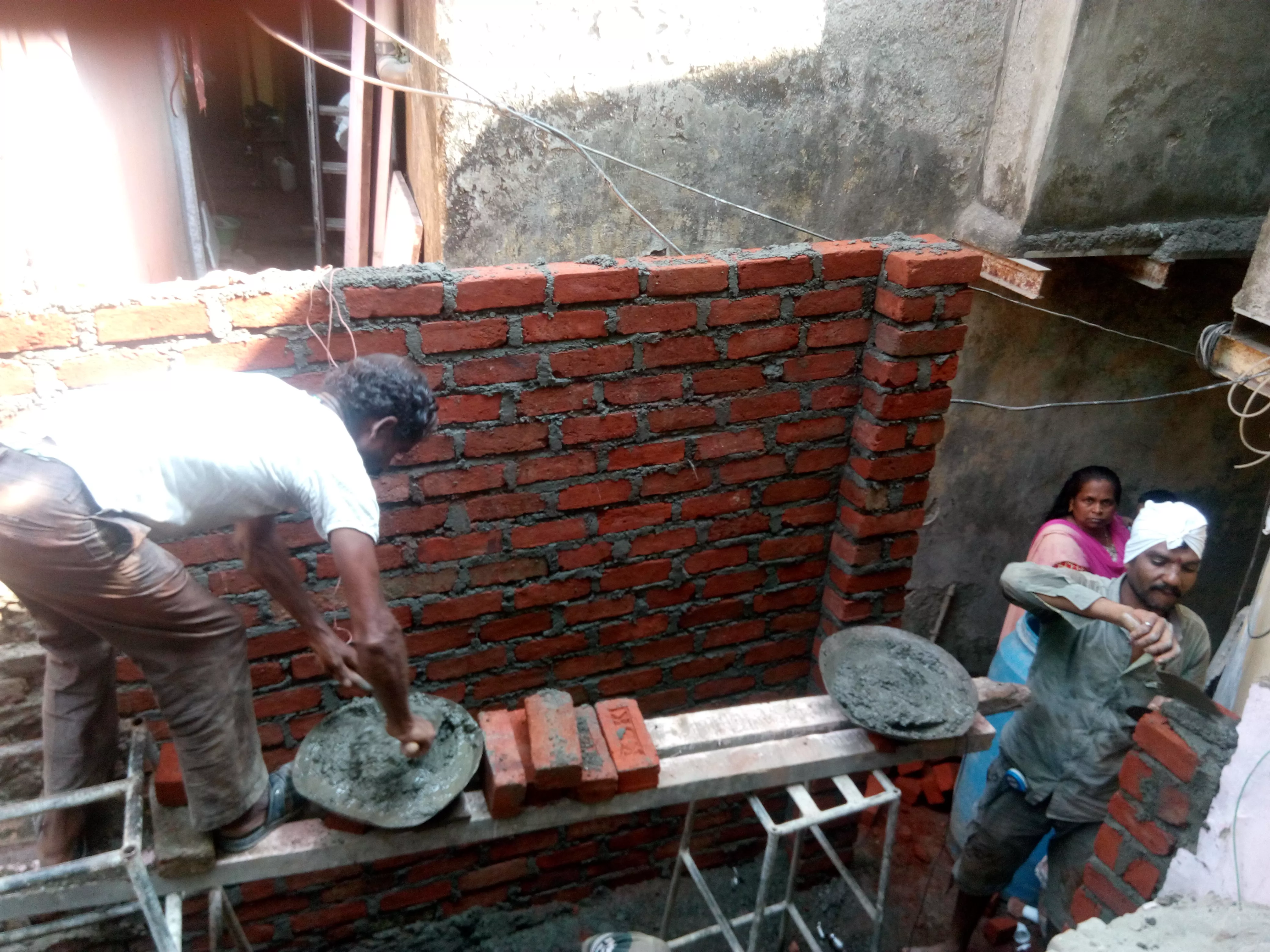
Every kaccha house transforming into a pukka house is a story worth telling – one which is extremely significant to residents and the development of the city at large.
This article is part of the following collection
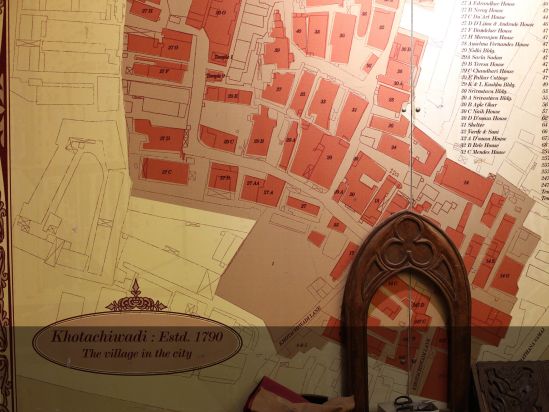
urbz has been involved with the heritage precinct of Khotachiwadi for nearly a decade. We have organized many events workshops there and produced a strategic plan for the area among other things.